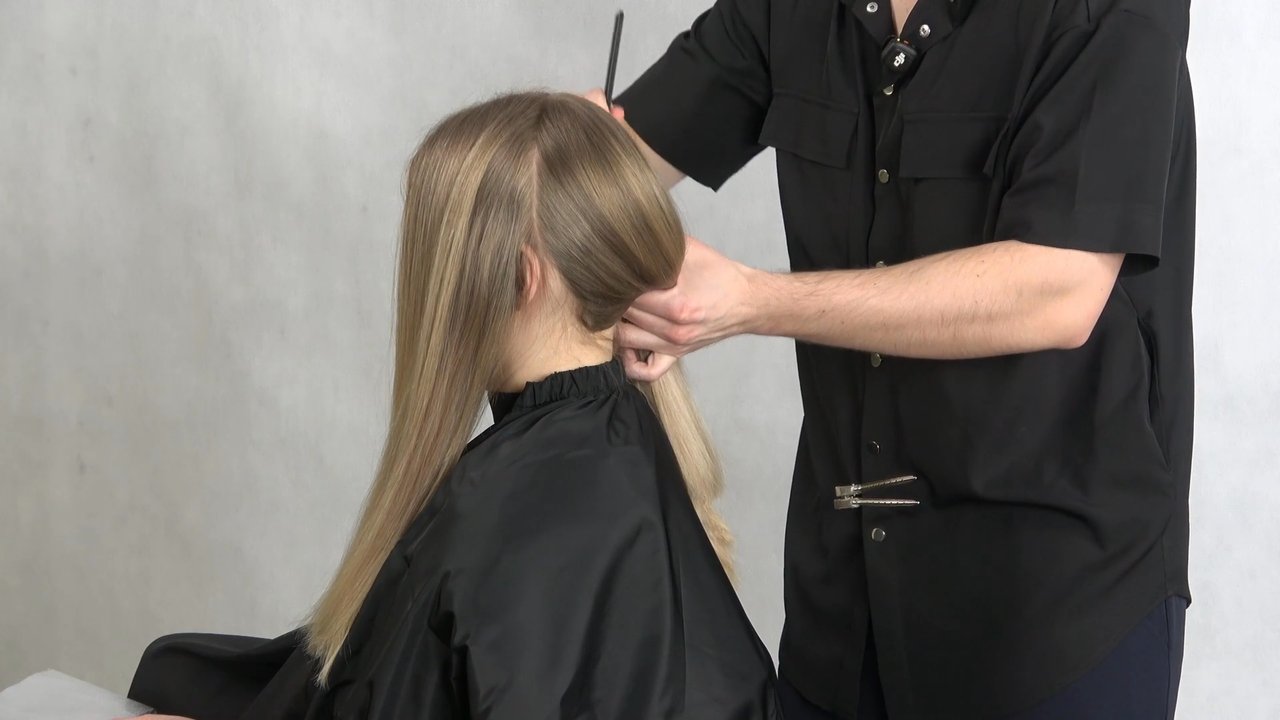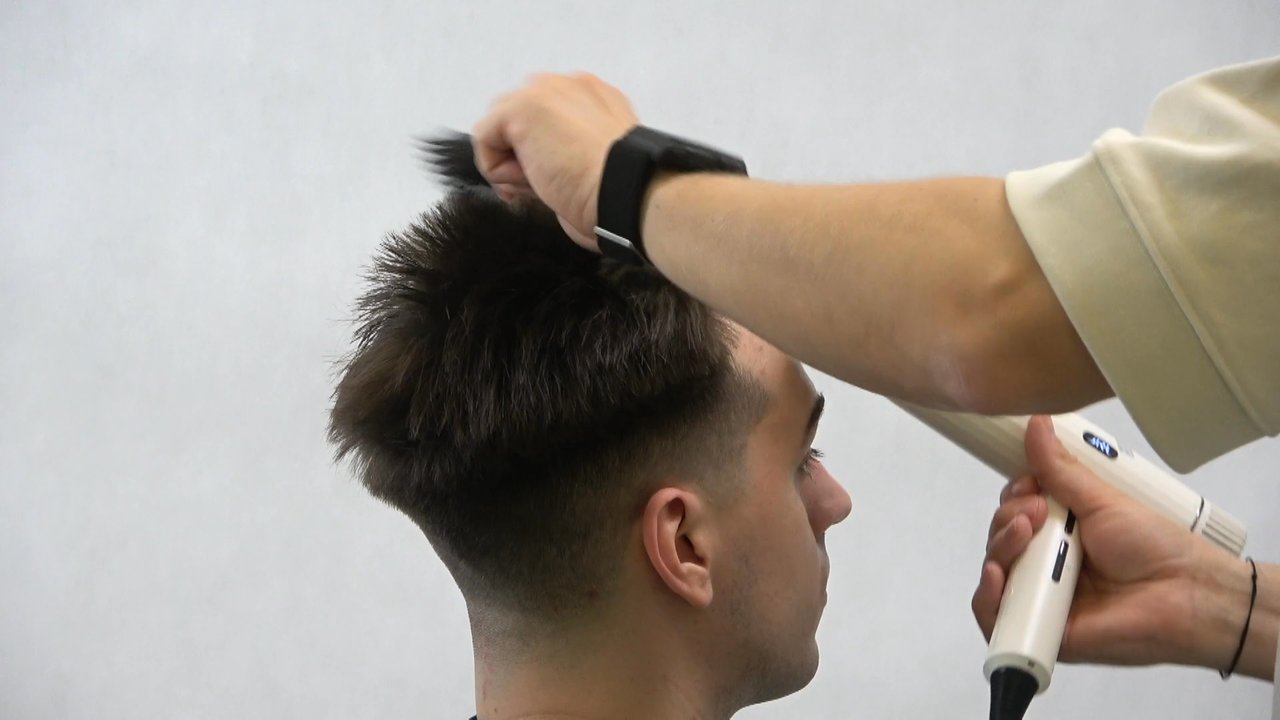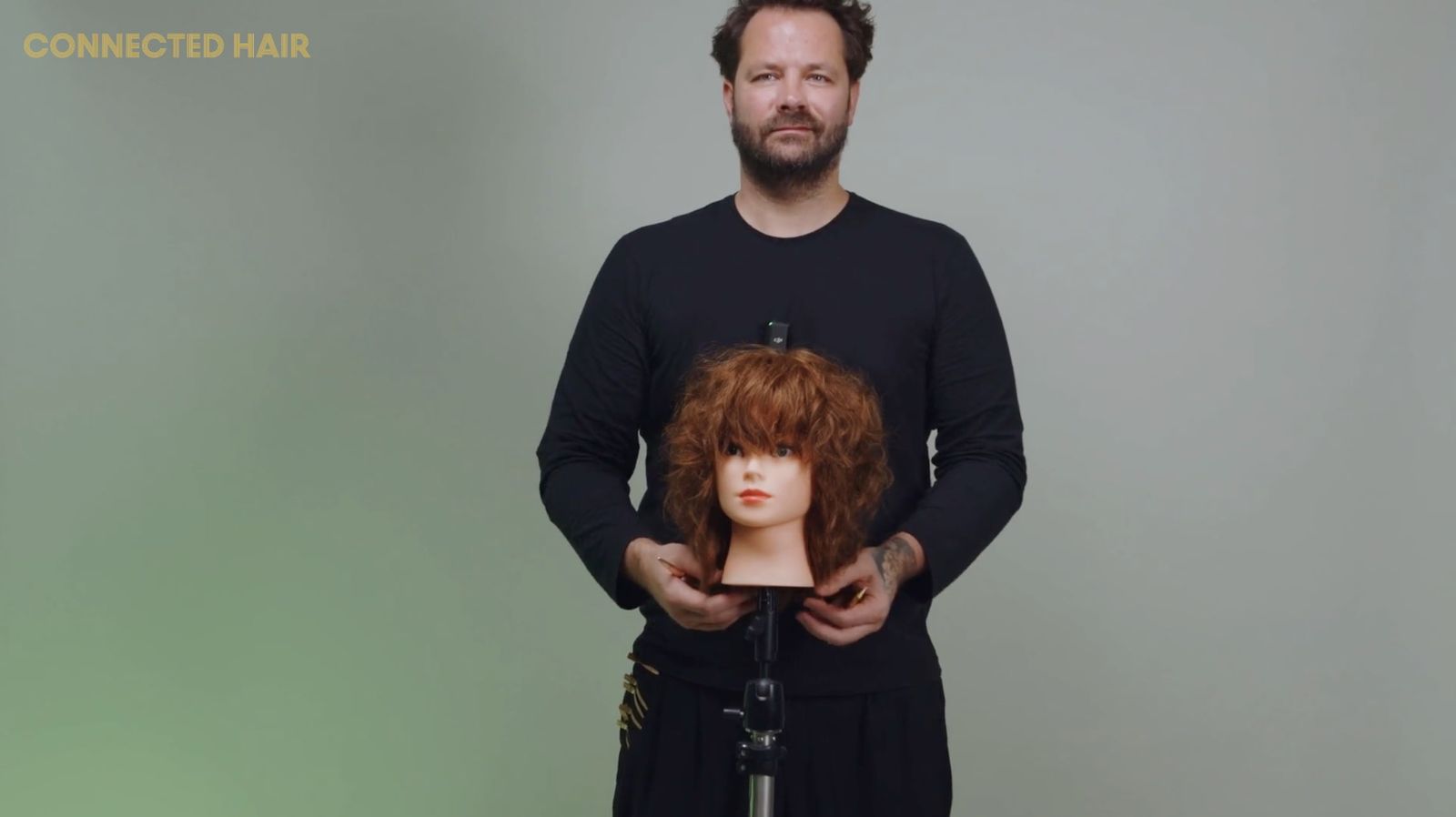
Wolf cut is one of those cuts clients ask for with phone in hand, showing you a TikTok screenshot. It blends the mullet's disconnect with the soft, layered sections of a shag, creating the look of a dense, tousled mane. For the hairstylist, the key thing is that wolf cut isn't one rigid form — it's a layering technique you adapt to the hair's density, length, and curl pattern. Below I break it down into concrete decisions and moves behind the chair.
What wolf cut is from a hairstylist's perspective
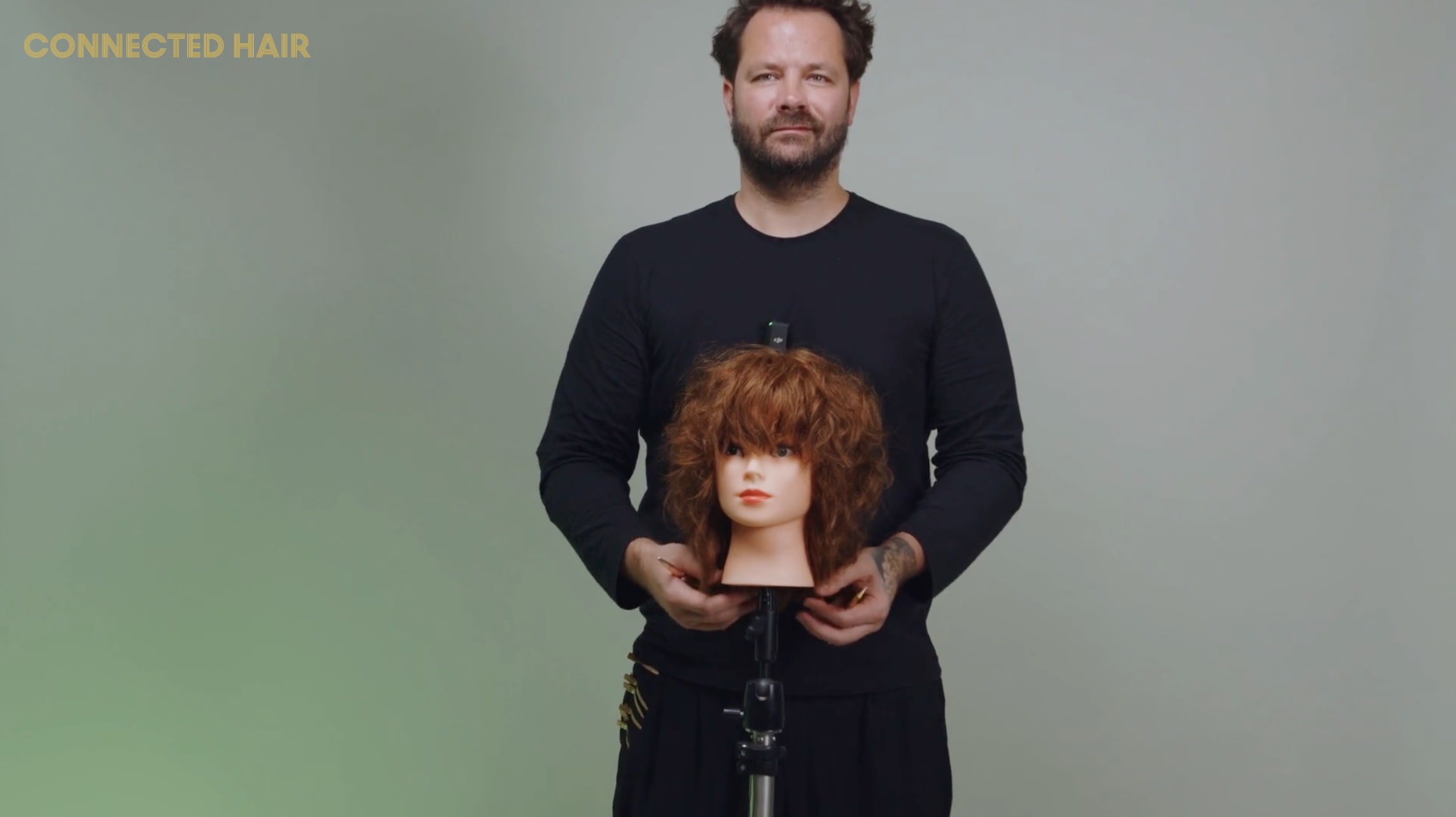
Wolf cut is a heavily layered cut with a shorter, voluminous top (crown and face-framing sections) and longer, slightly thinned-out bottom. The name nods to a wolf's mane: dense on top, falling and shaggy at the ends. In practice you build two zones that deliberately don't blend smoothly, like in a mullet, but you soften the transition between them with layering so no hard disconnect line forms.
The most common mistakes with this cut are cutting the top too short on the first pass, and thinning the ends with thinning shears instead of doing slide cutting. Both lead to a thin, sparse look instead of a full, moving mane.
Where wolf cut came from
The cut draws on '70s and '80s rock style, where layering and choppy ends were a signature of the music scene. The modern version came back to life thanks to social media, especially TikTok, where wolf cut went viral. For the salon, this means one thing: the client arrives with a specific reference photo, so the consultation needs to establish which version of wolf cut they have in mind before you pick up the scissors.
Characteristics of wolf cut
- Abundant layers, especially around the face, built from shorter sections at the hairline
- Shorter, voluminous top and longer hair at the back, with a soft but clearly defined transition
- Texture and movement emphasized through layering and choppy, non-blunt ends
- Versatility: it works across different lengths, from a short shag to a long mane
Who wolf cut works for
Wolf cut suits a range of face shapes, but gives the best result on:
- Oval faces, where practically any length and volume variation sits naturally
- Square faces, where soft, falling face-framing sections soften sharp jawline angles
- Long faces, where volume on the sides and a fringe visually shorten the face
During the consultation, assess not just face shape but also density and curl pattern. Fine, straight hair needs a higher, more built-up top to hold volume. Thick, dense hair needs more work thinning out the bottom, otherwise the style will get heavy and lose its wolf silhouette.
Wolf cut cutting techniques
This is the part that determines whether you end up with a wolf cut or just random layering. Work on damp hair when setting the length, then switch to dry hair for texturizing, so you can control the real result once it dries.
Sectioning
Divide the head into zones: top (crown and face-framing sections), sides, and back. Follow the natural parting, wherever the client wears their hair day-to-day, because wolf cut is built around the natural fall, not a forced line. Separate the top zone from the bottom with a horizontal parting at temple height — this will determine the length of the shorter layer.
Building layers and layering
- First establish the base length at the bottom, combing sections straight down and cutting the perimeter line, either slightly rounded or in a V-shape at the back, depending on the reference
- Lift the top layers to an elevation close to 90 degrees from the head and cut with point cutting — scissor tips into the section, not straight across — to introduce texture right away
- The higher toward the crown, the shorter the layer, which builds volume and the characteristic wolf mane on top
- Treat the face-framing sections separately: take a section by the face, lift it forward, and cut a soft, falling frame that connects the fringe with the sides
Texturizing and finishing
On dry hair, reach for slide cutting and comb work: run the scissors along the section to thin out the weight without cutting holes. Shatter the ends point by point so the line is deliberately uneven — that's what gives it the wolf character. Stay away from thinning shears at the ends: they remove too much weight at once and create a thin, choppy effect instead of a full mane.
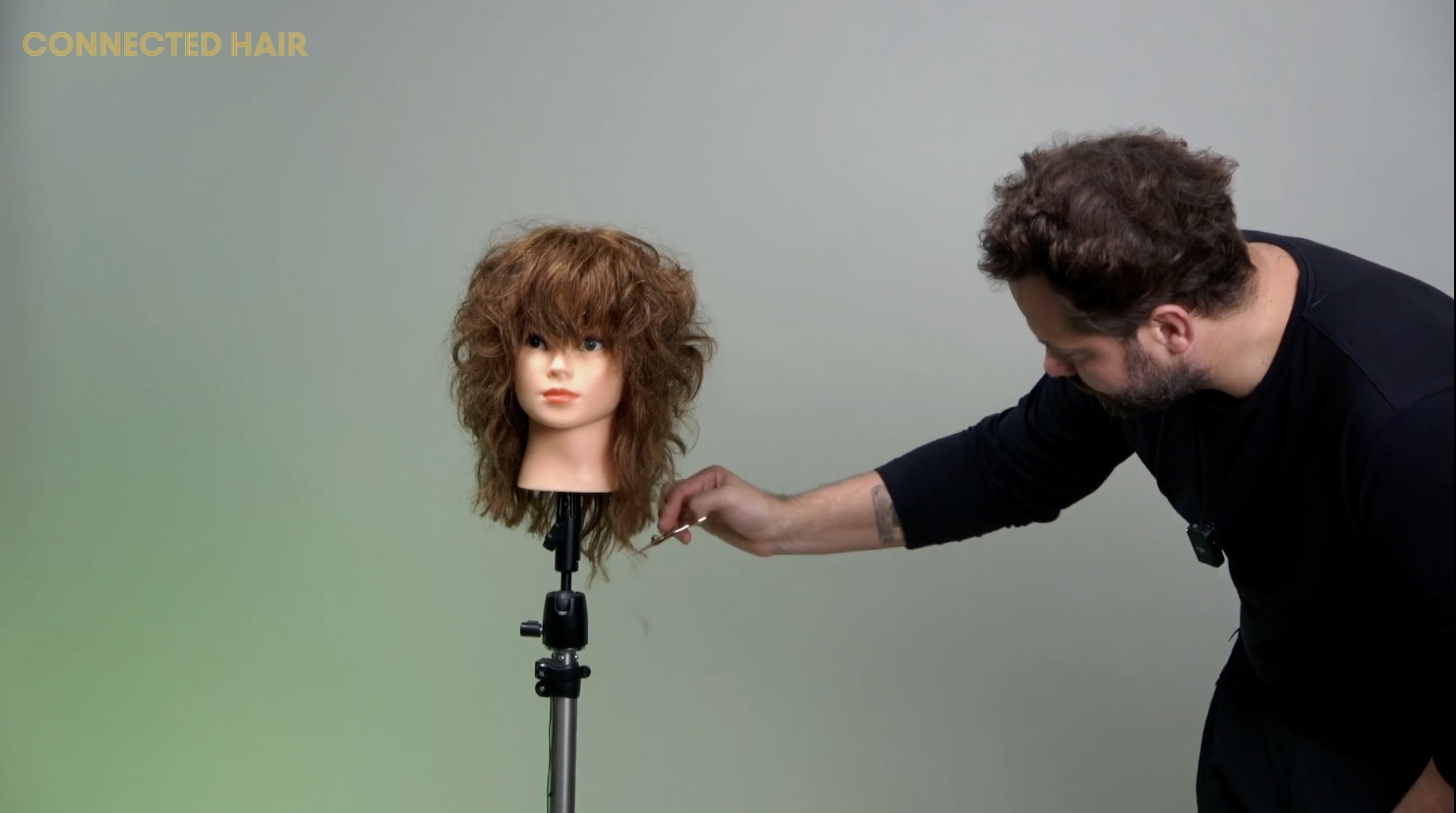
The full breakdown of these techniques, adapted to different hair types, is covered by Sergiusz Pawlak, Connected Hair educator, in the course Wolf Cut Cutting. In the program you'll find:
- Layering techniques for even, smoothly blending layers
- Methods for creating texture and choppy ends
- Adapting the shape of the cut to different hair types and densities
Wolf cut variations
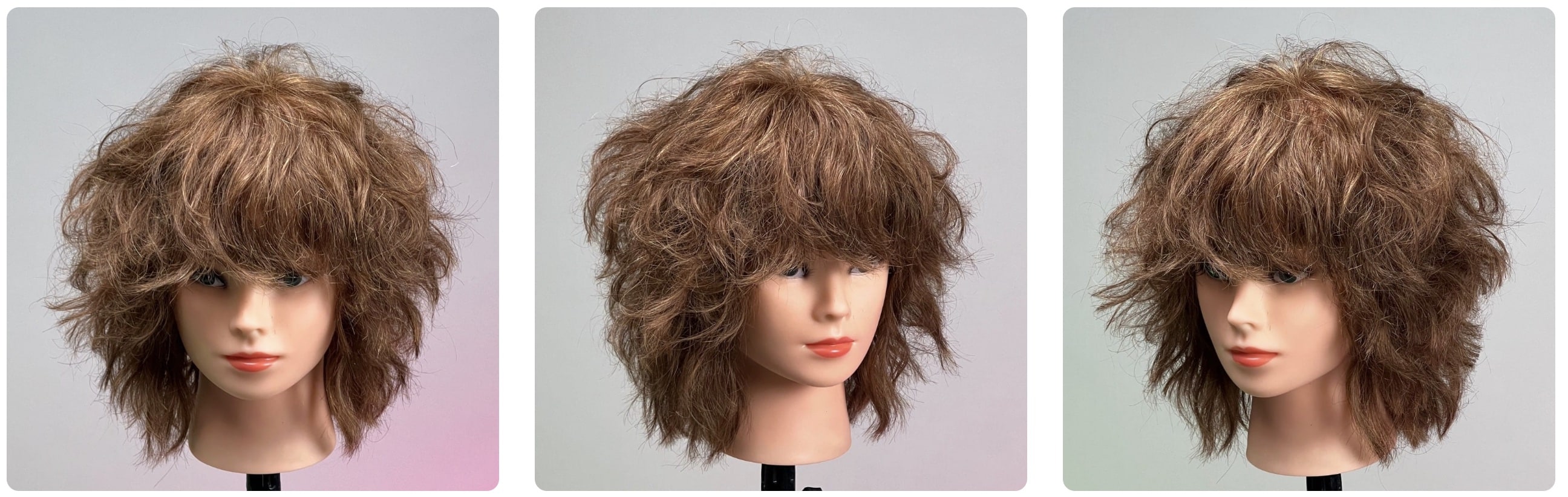
- Classic wolf cut – medium length with clear layers, the safest starting point for most clients
- Mini wolf – a shorter version, good for finer hair, since the higher top builds more volume
- Long wolf – a longer version, great for dense hair, where there's more to thin out at the bottom
- Curly wolf – an adaptation for curly hair, where you cut the layers shorter to account for shrinkage once dry
The structure of the wolf cut is further emphasized with the right coloring: lightened face-framing sections or contrasting strands visually highlight the layers. Find out more in the creative coloring course.
How to style a wolf cut
Wolf cut lives on texture, so styling should emphasize the layers, not smooth them out. Give the client a simple at-home routine:
- Apply mousse or texturizing spray to damp hair, working the product from roots to ends to lift the layers
- Blow-dry with the head flipped down, raking hair through with your fingers to force maximum volume at the roots
- Use a flat iron to define individual sections and choppy ends, flicking them slightly outward for wolf-like movement
- Finish by rubbing a small amount of paste or wax between your palms and working it through the ends to separate strands and lock in the texture
Celebrities wearing wolf cut
The style gained widespread recognition thanks to celebrities like Billie Eilish, Miley Cyrus, and Zendaya. It's a common reference point in consultations, so keep in mind that each of these versions is a different variation of length and volume, not one single form to copy exactly.
Maintenance and holding the shape
- Refresh the cut every 6-8 weeks: layers grow out unevenly and the style quickly loses its wolf silhouette
- Recommend volumizing and texturizing products to the client instead of smoothing, weighing-down ones
- Encourage experimenting with styling, from naturally tousled to more polished, since the same cut delivers several different looks
Discover all our hairdressing courses and hair care and styling resources in the Connected Hair Academy.
If you want to confidently add wolf cut to your salon's offer, join Academy PRO and work through Sergiusz Pawlak's course step by step, from sectioning to finishing on different hair types.
See it in practice: in the Wolf Cut course with Kamil Cesarski you'll follow the entire process step by step on a model, with the educator's commentary.