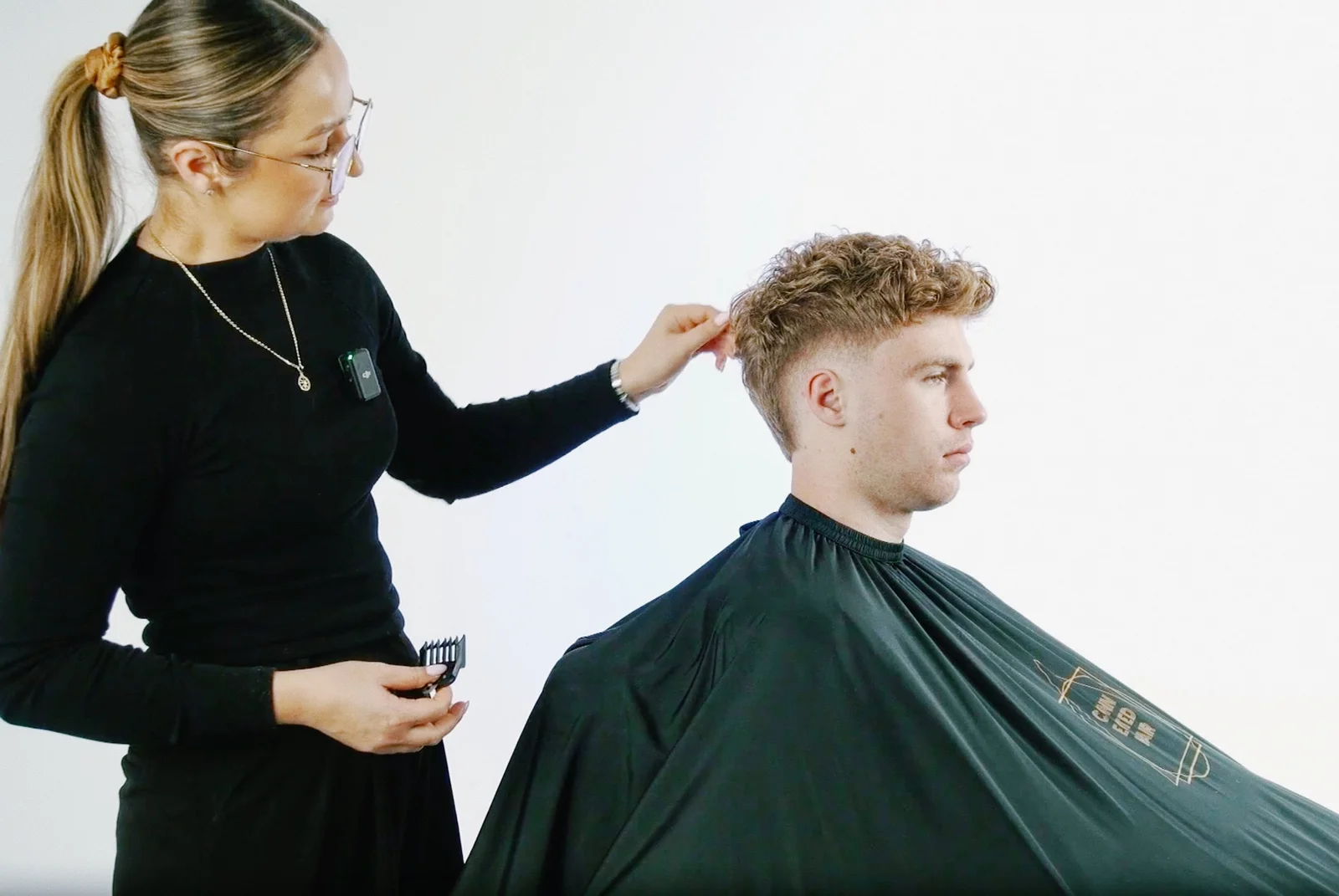
Burst Fade with Volume Control
A burst fade course on curly hair for hairstylists. Learn to reduce weight, cut a square top using redirection, and lay out a burst fade to control volume and bring out the curl.
Result and process
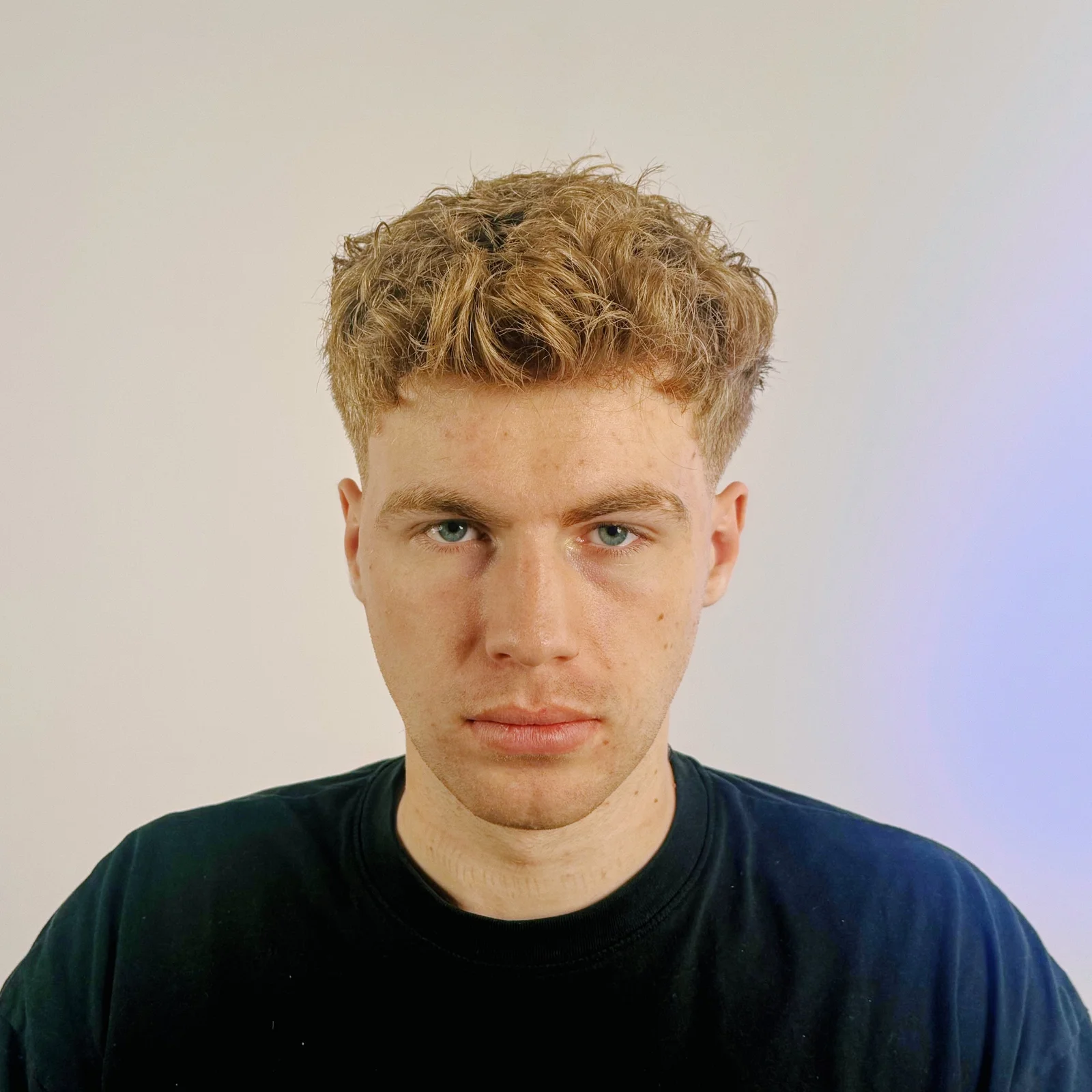
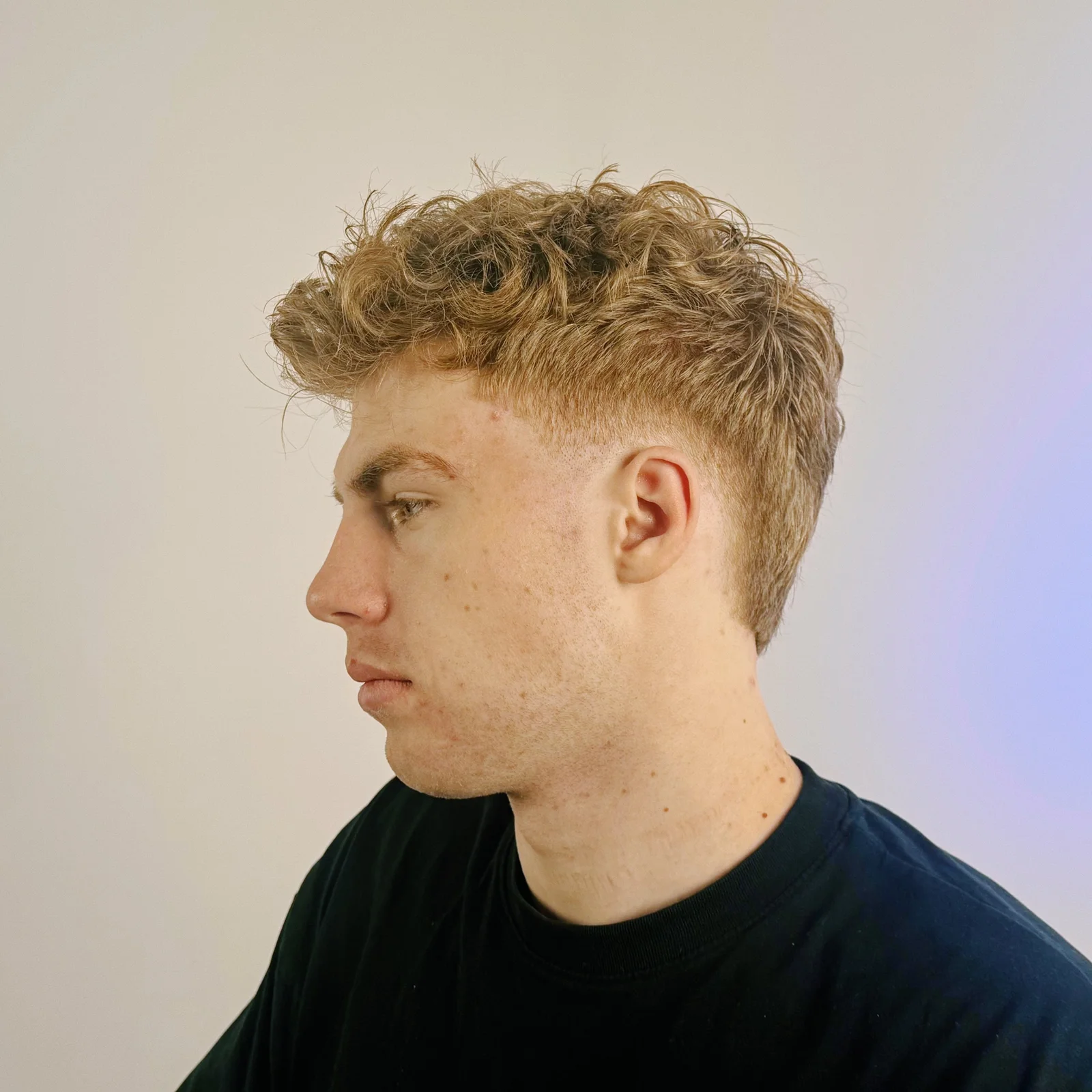
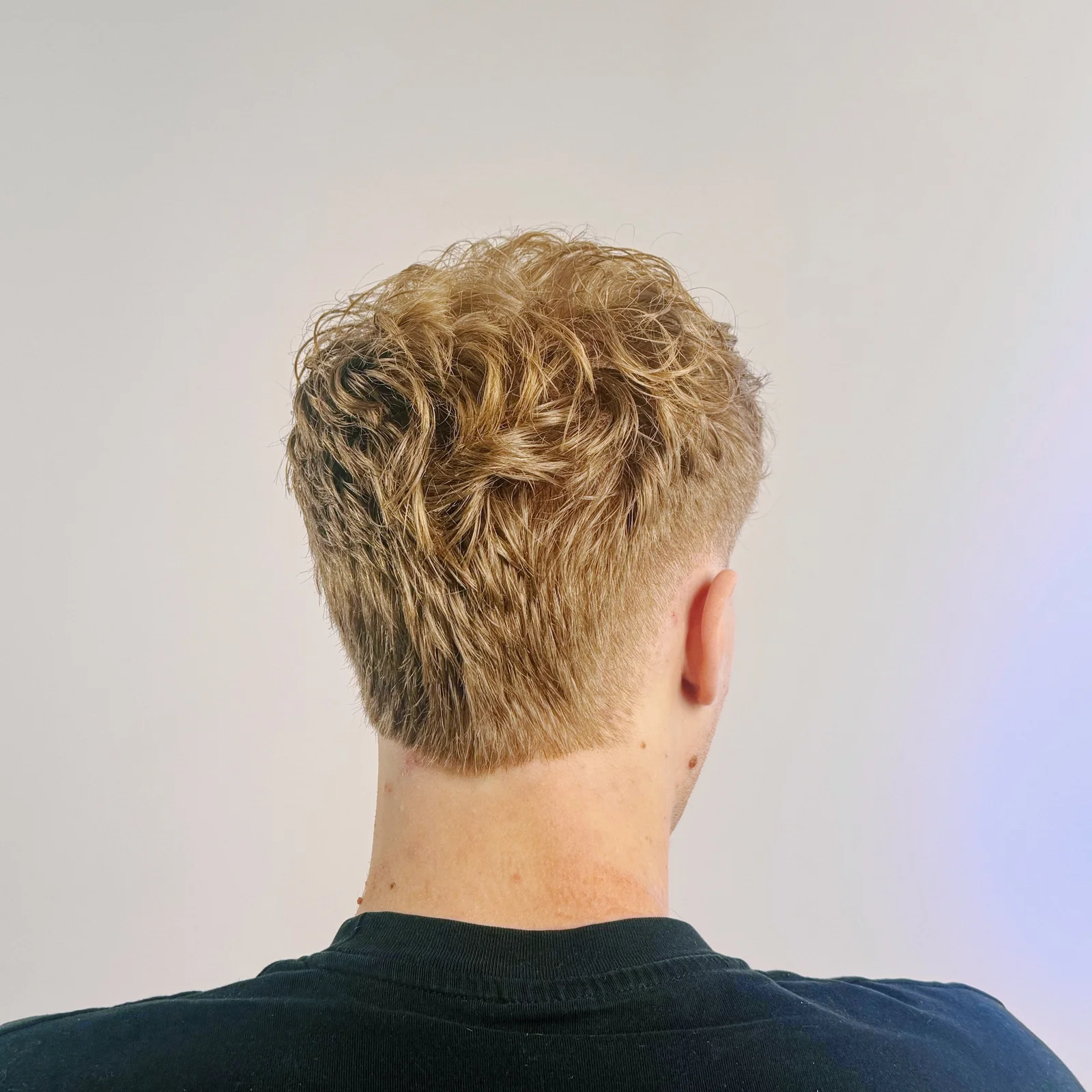
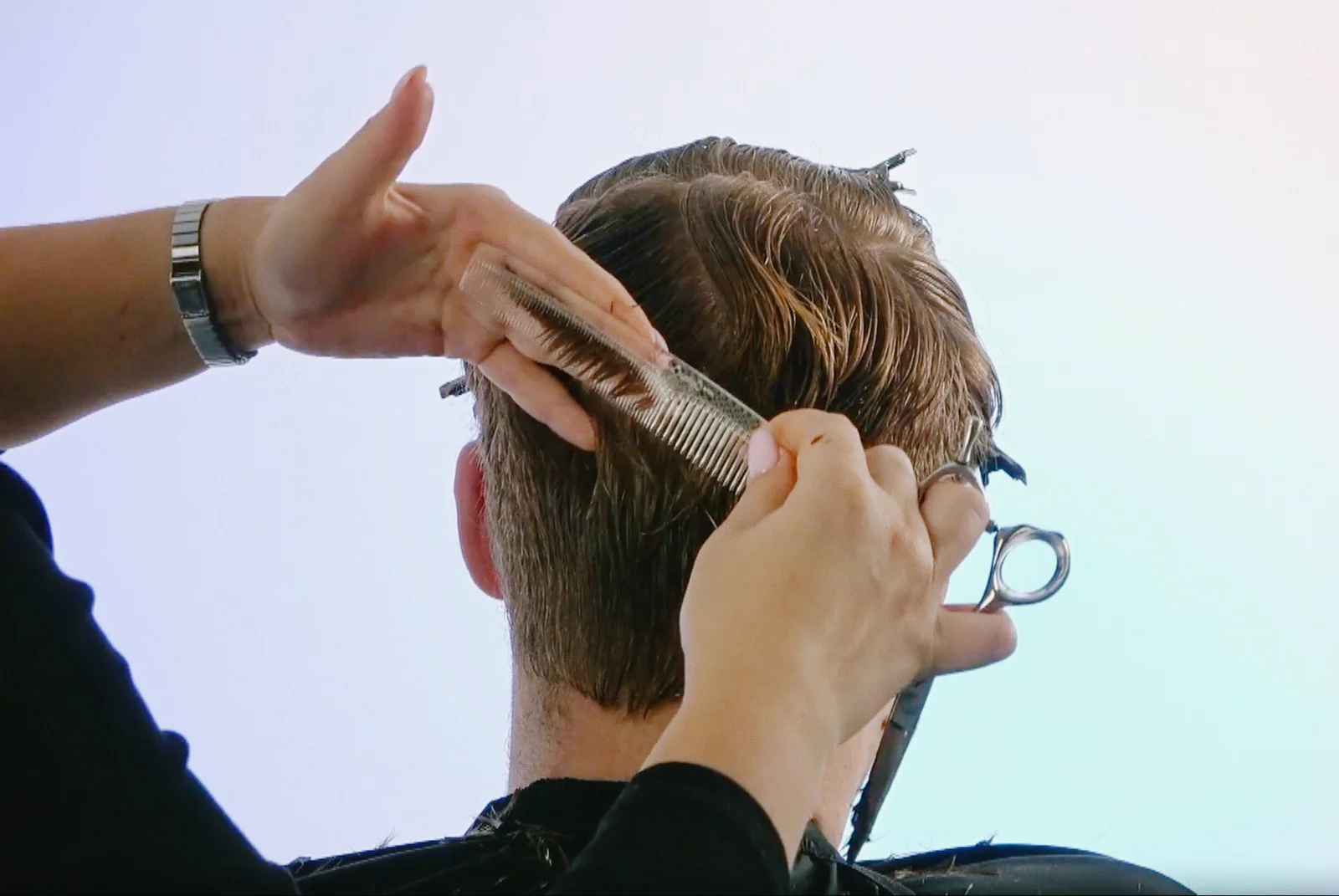
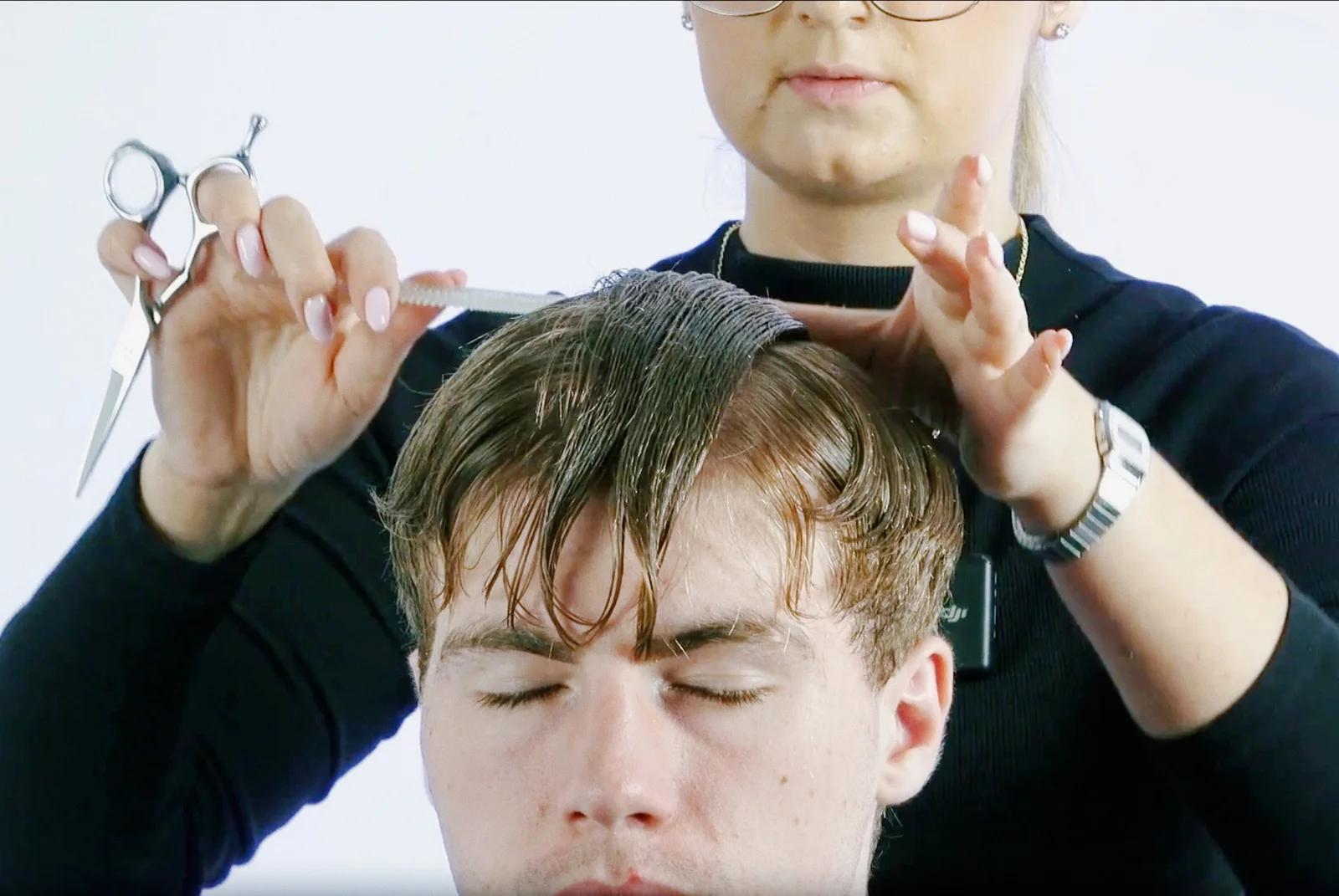
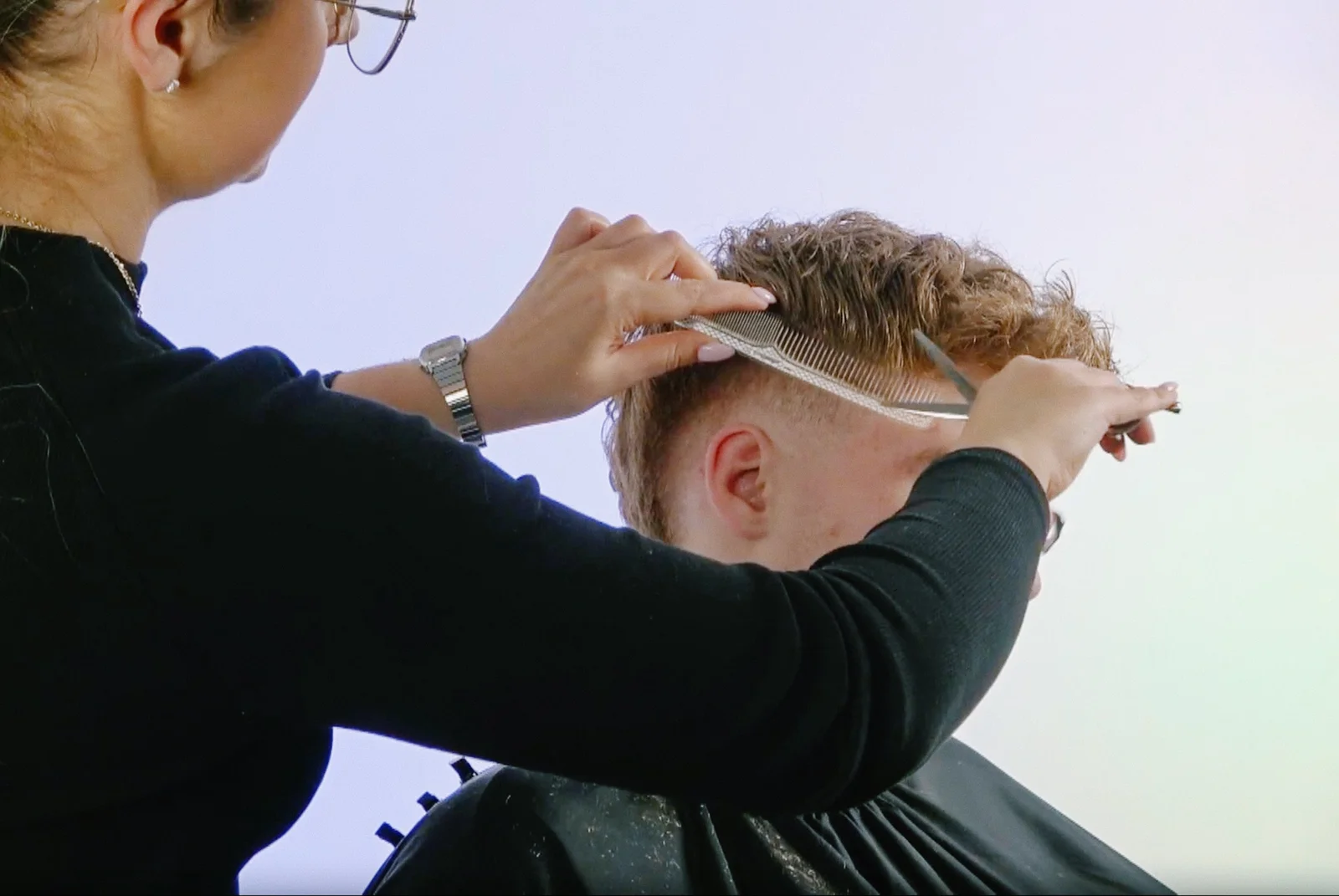
About the course
Burst fade on curly hair is a men's haircut where the result depends not just on a clean fade, but above all on working with weight and natural curl. Anastasiia Verbitskaya shows how to take thick, heavy hair that the client considers hard to style, and build a lightweight shape while bringing out a defined curl. The key is combining weight reduction with scissors, a square top cut with redirection, and a burst fade around the ear.
The course walks through the entire process step by step: from the consultation and parting set relative to the cowlick, through light graduation at the back of the head and building the weight line, all the way to the full burst fade with clippers and styling for curl. You'll see how to prep the base for the fade to avoid disconnection and a mushroom effect at regrowth, and how to read hair texture and color to judge how much room to leave for the shadow.
In this course, you'll see
- The full process of building a burst fade around the ear: the weight line, guard number two, the zero line with a trimmer, and blending with a half-guard transition
- Weight reduction with scissors as the base for the fade, preventing disconnection and a mushroom effect at regrowth
- Cutting the top into a square shape using the redirection technique, plus a method for finding where a section needs to be redirected
- Reading hair texture and color (sideburns, hairline area) to judge how much room to leave for the shadow behind the ear
- Point-cutting the fringe, low, to boost and reveal the natural curl
- Diffuser drying and finishing with shine, which brings out the curl instead of flattening it
What you will learn
- 01How to reduce weight with scissors and prep the base for the fade to avoid disconnection and a mushroom effect at regrowth.
- 02How to build the weight line for a burst fade around the ear, with the shortest length at the back of the head.
- 03How to cut the top into a square shape using redirection and flatten the ball-like bulge on thick hair.
- 04How to use the comb-and-finger method to find where a section needs redirection.
- 05How to read hair texture and color to judge how much room to leave for the shadow behind the ear.
- 06How to point-cut the fringe, and dry and style the hair to bring out and lock in the natural curl.
What's inside
Full access with the course 1:45
1:4501Cutting plan: burst fade and bringing out the curl
this area above the ear is where we'll create a burst fade, which is quite trendy these days.
 3:54
3:5402Parting set relative to the cowlick
I marked out this box relative to the cowlick, which in his case sits centrally.
 5:15
5:1503Building the weight line for the burst fade
by taking the first stationary guide, I'm building a weight line that will be the darkest area in my fade.
 17:20
17:2004Weight reduction as the base for the fade
we need to remove a bit of this weight here, since it would be way too heavy if we wanted to place a fade here.
 22:33
22:3305Squaring off the top through redirection
horizontally, we get it through redirection. Vertically, we get it through how we hold our fingers.
 25:04
25:0406How to find the redirection point
I hold my comb against the center section and check where my finger starts to slide firmly underneath it.
 36:06
36:0607Fringe point-cut for the curl
curly hair responds well to that, and it makes the curl more visible.
 39:19
39:1908Diffuser drying for the natural curl
we'll dry on a very low setting, trying not to touch the hair, so the curl forms naturally.
 46:26
46:2609Burst fade method: guard two, zero line, transition
I start working on the short lengths with guard number two. Then I mark the zero line and continue blending our shadow using the transition half-guard.
 48:49
48:4910How much room behind the ear: reading texture
With a burst fade, I always look at how much room I have behind the ear.
 1:08:52
11Shine styling for the curl
the cream we have gives a more matte effect, while shine brings out this curl even more.
FAQ
Who is this course for?
How is working on a burst fade different from a regular fade?
What tools does Anastasiia use in this haircut?
Why is weight reduced with scissors before using clippers?
How does the course handle the cowlick and thick, high-volume structure?
Will these techniques work on a different curl type?
Details
Educator
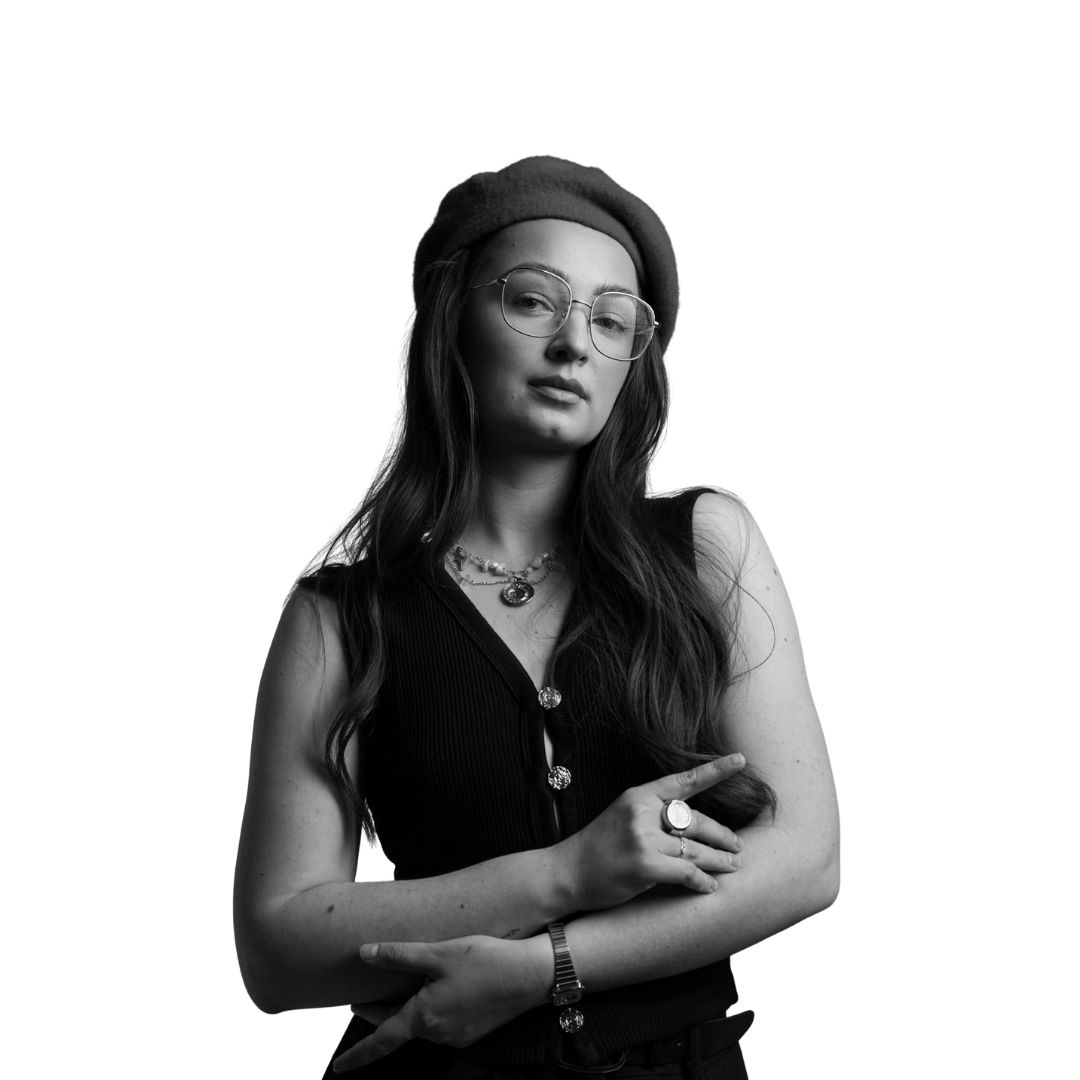
Anastasiia Verbitskaya
Educator · 4 courses
A barber and educator from Ukraine, based at Barberian Ink in Koszalin and the NordCut Academy. As lead trainer of the „From Zero to Barber” program, she helps beginners master fundamental techniques. In her teaching, she emphasizes working with intention and structured section work, believing that your own style is built through continuous growth and drawing inspiration from others.
Ready for the next level
Unlock full access to the Connected Hair course library.
Join the Academy