
Trichological Consultation
This course shows you how to conduct a trichological consultation with a client step by step - from asking questions, through camera analysis, to building an effective action plan.
Result and process
About the course
```html
Trichological Consultation is a course that shows the full, practical flow of a first visit with a client experiencing scalp issues. Instead of dry theory, the material focuses on the interview as the key diagnostic tool - teaching you how to ask the right questions, listen, and connect the facts to find the real cause of oiliness, sensitivity, or hair weakening.
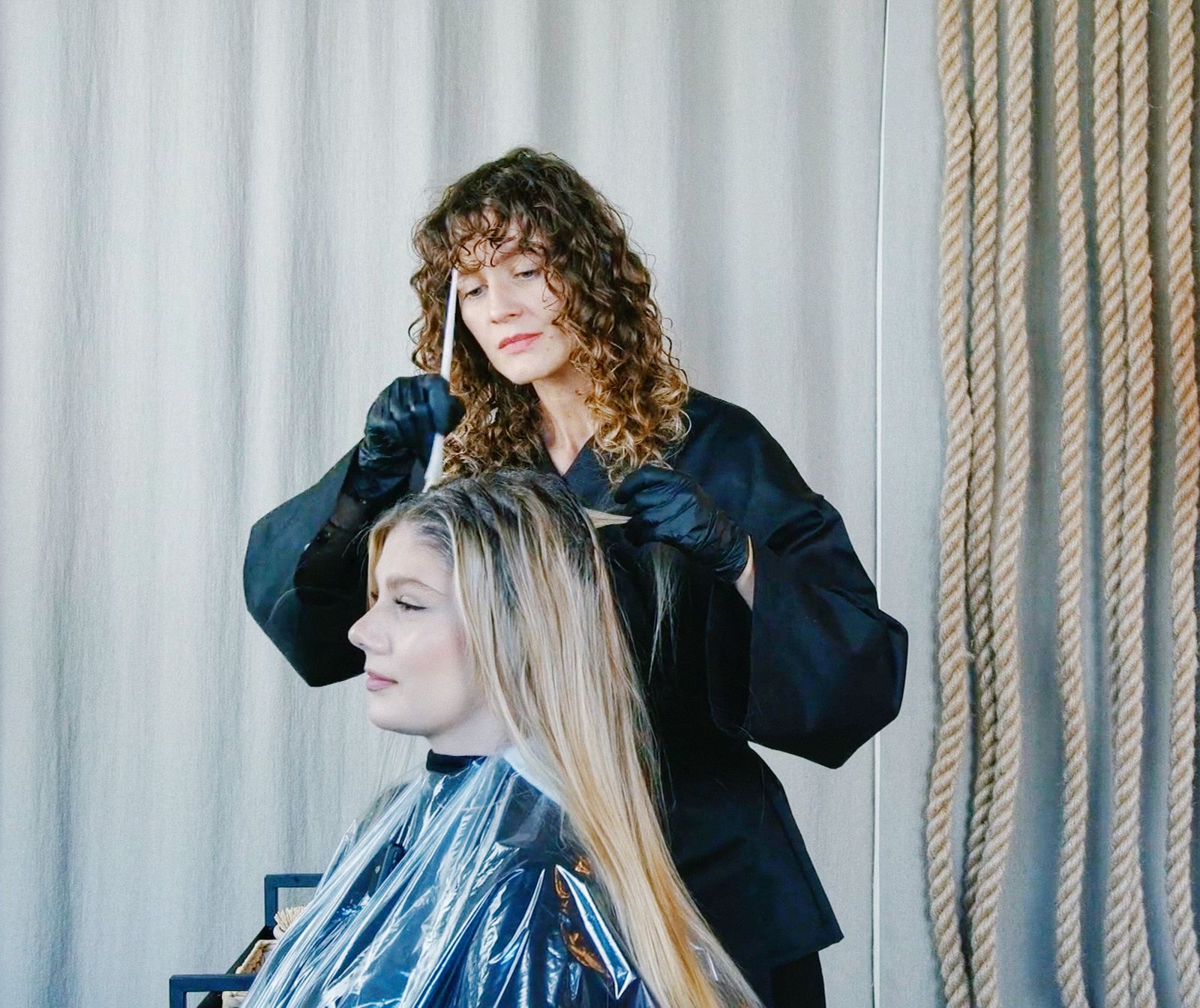
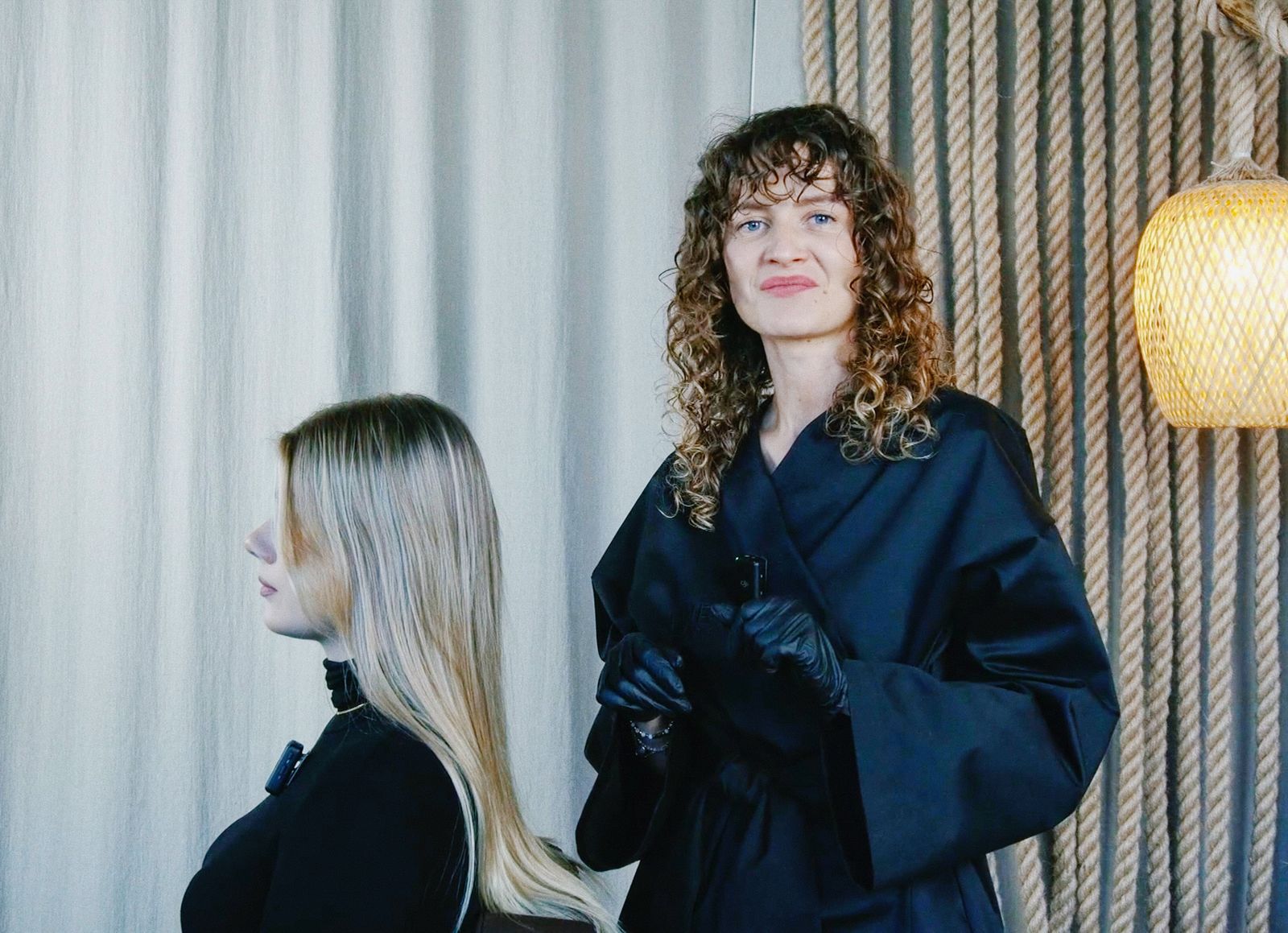
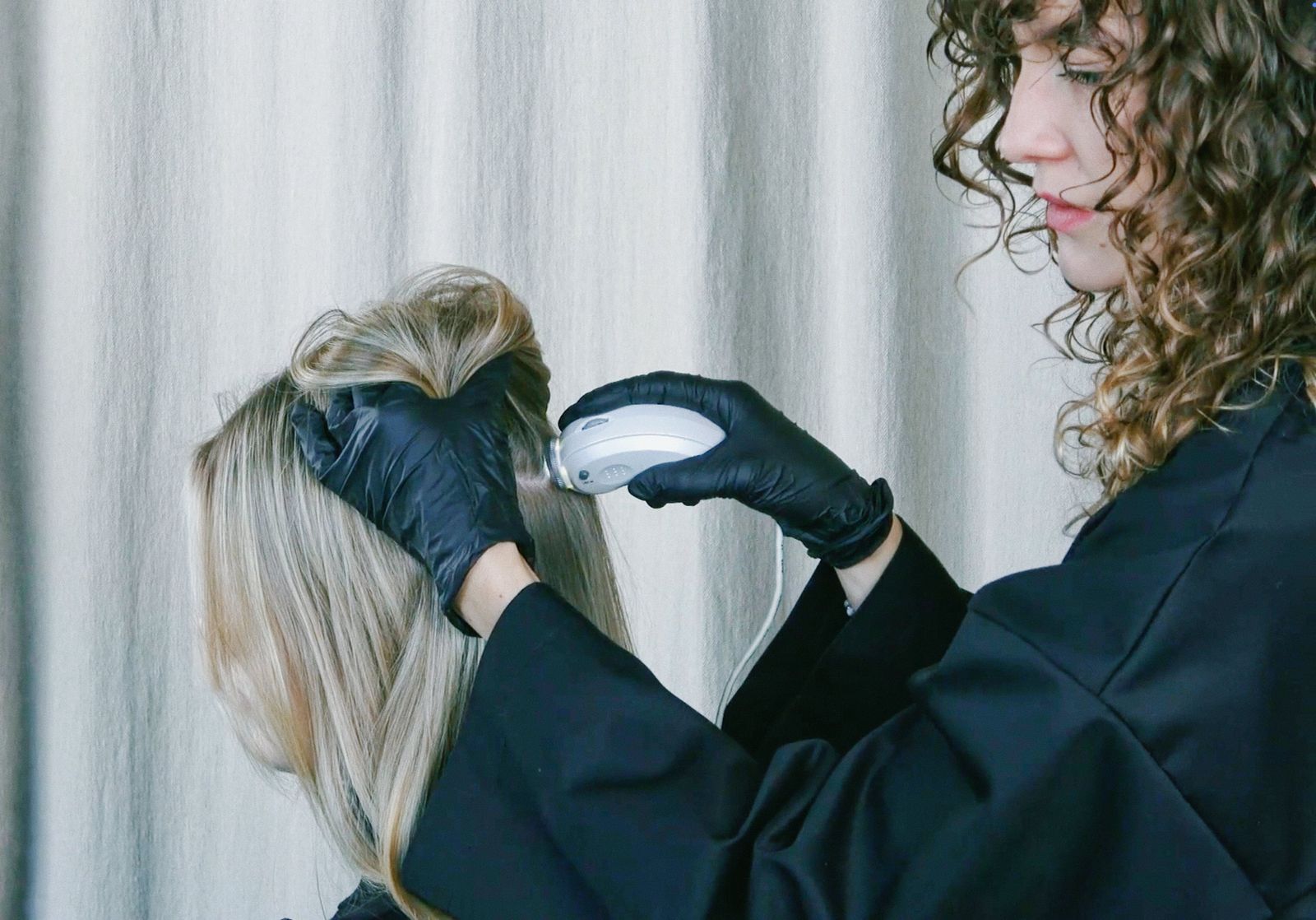
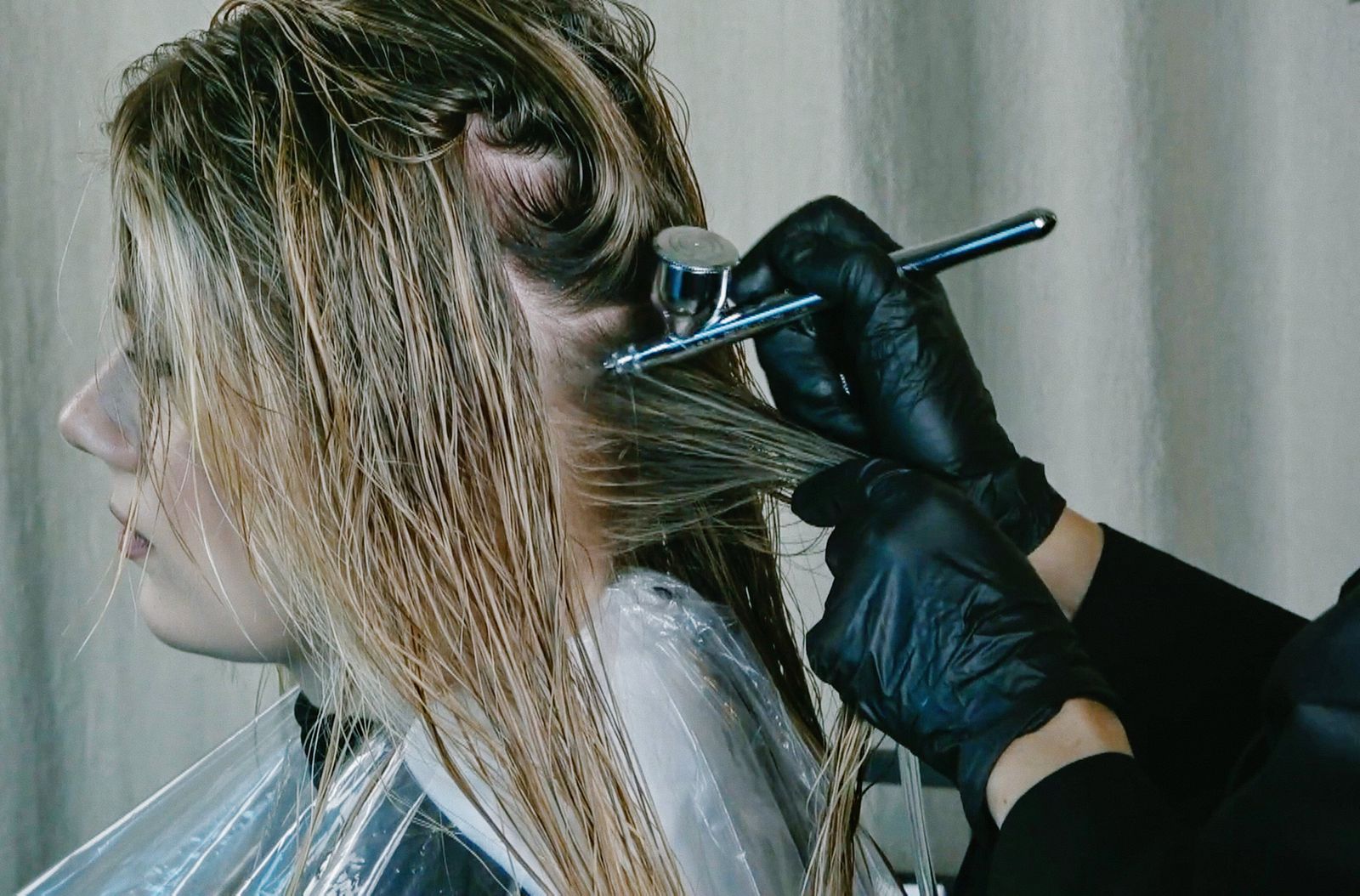
Magdalena Koc guides you through the entire process using a real client as an example - from the first question about the purpose of the visit, through analyzing lifestyle and hair care habits, all the way to observing the scalp with a trichological camera. The course shows how to logically organize the information gathered, separate primary symptoms from secondary ones, and formulate working hypotheses that lead to an effective action plan tailored to the client's real possibilities.
In this course you'll see
- How to conduct a trichological interview step by step - from setting the frame of the visit to formulating an action plan
- The art of asking open-ended questions that help the client describe the problem precisely in their own words
- How to combine information about health, lifestyle, and hairdressing treatments into a coherent diagnostic picture
- Practical use of the trichological camera for observation - not for rushing to conclusions - what individual hairs, blood vessels, and flaking tell us
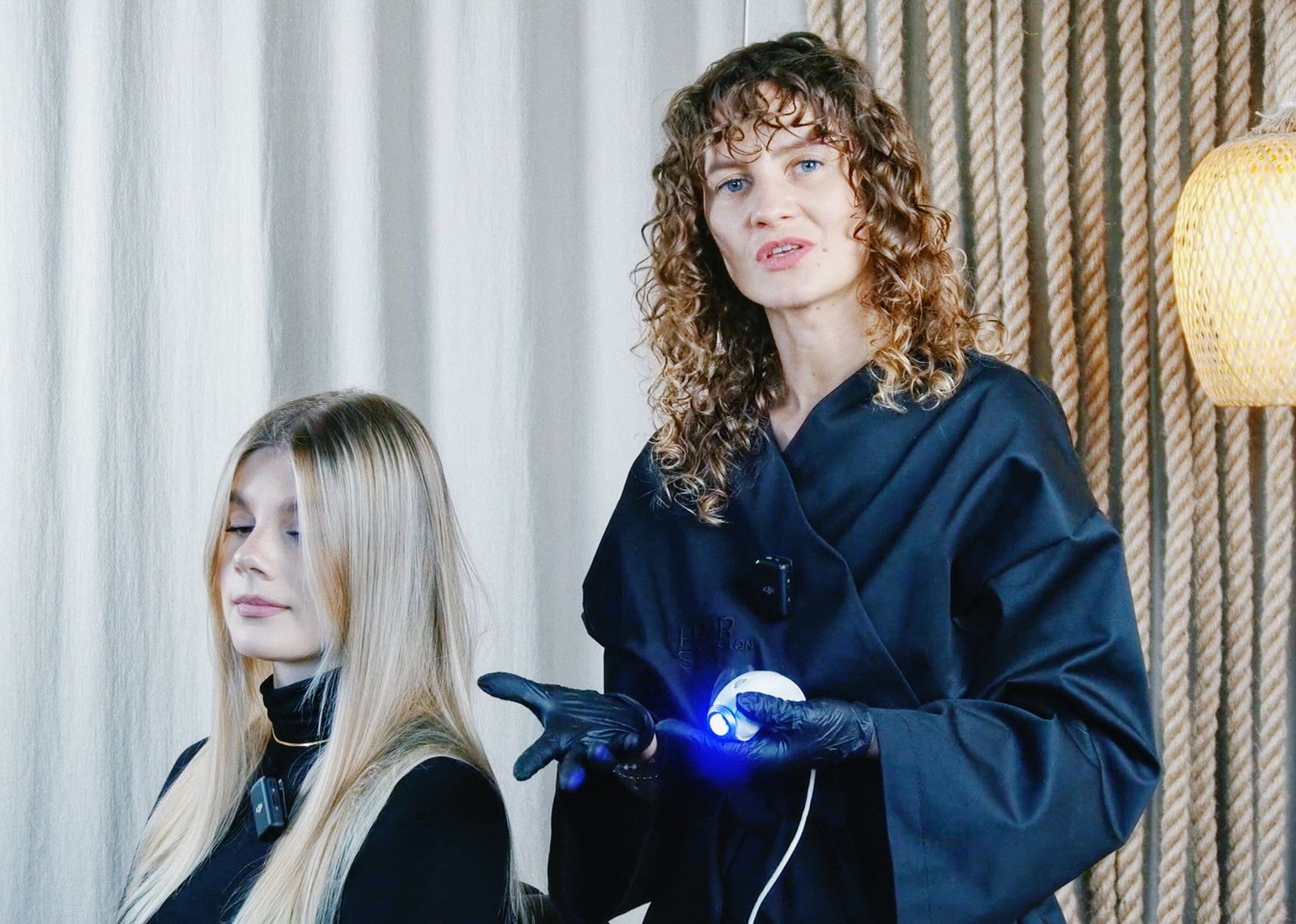
- Analysis under Wood's light (blue light) to identify keratotic buildup and hidden oiliness
- The fundamental difference between scalp care and hair shaft care - when to cleanse and when to hydrate
- How to communicate findings to the client simply and clearly, without overwhelming them with information or promising the impossible
After this course, you'll start running trichological consultations in an organized, confident way. You'll learn to build an accurate diagnosis based on intentionally gathered information, allowing you to genuinely help clients and build your position as an expert who solves problems at the source - not just masks the symptoms.
```
What you will learn
- 01How to conduct a full trichological interview with a client step by step.
- 02How to use a trichological camera for careful observation - not for making diagnoses.
- 03How to combine interview information with the scalp's visual picture.
- 04How to formulate working hypotheses instead of giving final verdicts.
- 05How to create a realistic action plan tailored to the client's possibilities.
- 06Why you need to distinguish scalp care from hair care.
What's inside
Full access with the course 2:39
2:3901Don't overpromise to the client
It's worth being careful not to promise too much - for now, just listen and explain.
 6:07
6:0702How lifestyle affects oiliness
Excess sebum production is often a reaction to things we do to ourselves.
 9:52
9:5203Dividing the hair into a living and a dead part
I generally divide the hair into a living part and a dead part. The living part is the one inside the scalp.
 12:50
12:5004The camera is for observation, not diagnosis
Right now I'm gathering information, telling the client what I see on the camera. But I'm not diagnosing.
 17:44
17:4405The truth about oiliness under Wood's light
Just from this photo under this light, I could already tell that the problem was excessive oiliness.
 24:42
24:4206The paradox: hydrating an oily scalp
People with oiliness often get a recommendation from me to hydrate the scalp.
 1:03:28
07A treatment shouldn't be painful
This session isn't meant to hurt. Treatments must not put the client in significant discomfort.
 1:09:46
08Trichology is working for the hair's future
When you act trichologically, you're influencing what the hair will look like in the future.
FAQ
Is this course suitable for hairdressers who are just starting out with trichology?
Do I need a trichological camera to benefit from this course?
What kind of problem is used to illustrate the consultation process?
Does the course show specific trichological treatments?
Does the course teach how to interpret a client's blood test results?
How long is the full video material?
Details
Educator
Magdalena Koc
Educator · 3 courses
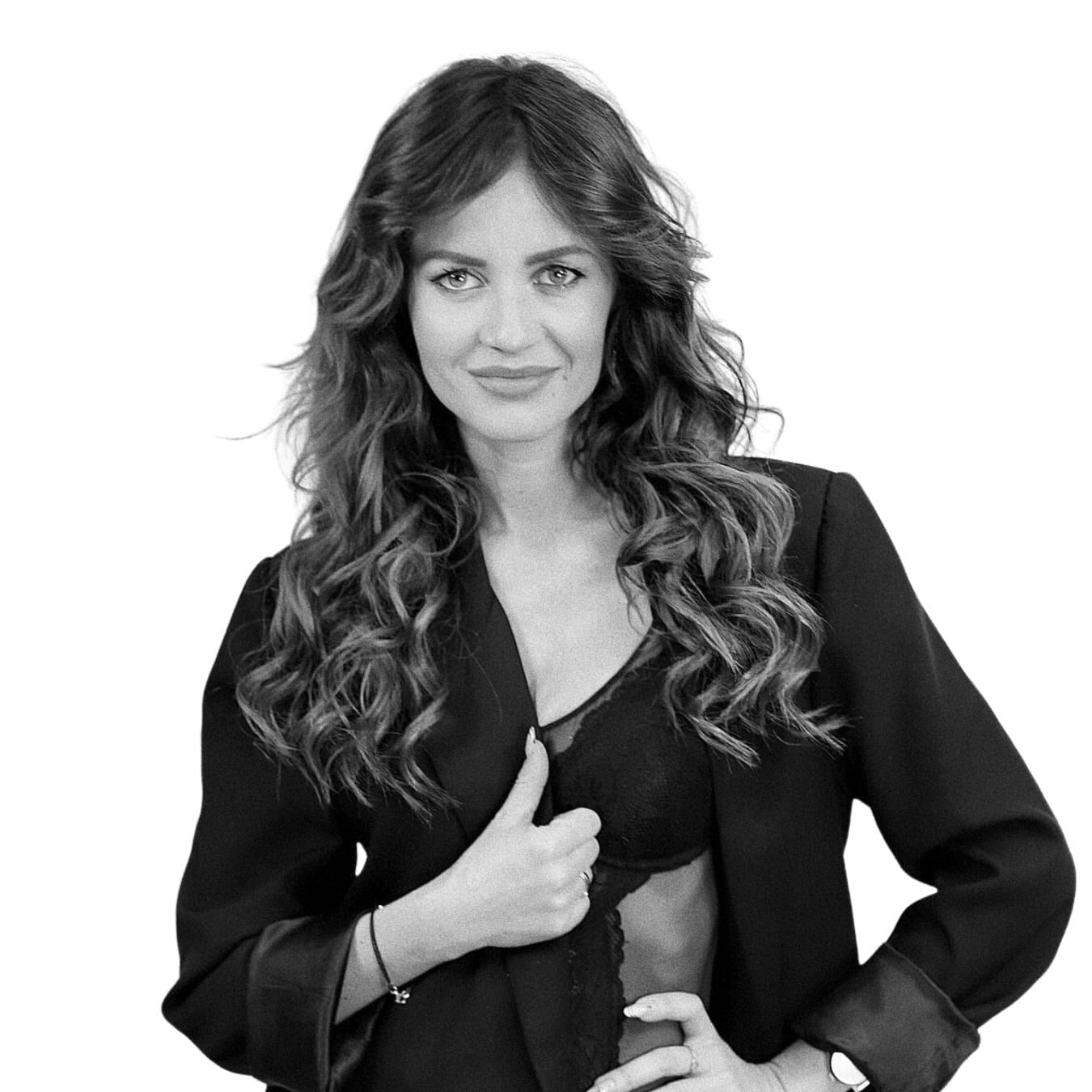
Magdalena Koc is a hairdresser, trichologist, dietitian, and lead educator at the Hair Spa Edu Training Academy. In her work, she brings these specialties together, showing how a client's everyday habits and lifestyle affect the condition of their hair and scalp. She teaches how to accurately diagnose the root causes of problems-rather than just treating their symptoms-through careful observation and conversation in the salon. Her methods are built on understanding the client's complete health picture.
Ready for the next level
Unlock full access to the Connected Hair course library.
Join the Academy