
Textured Taper Mullet
A course on cutting a modern, textured taper mullet. You'll learn to work with a texturizing knife for softness and movement, plus precise clipper tapering.
Result and process
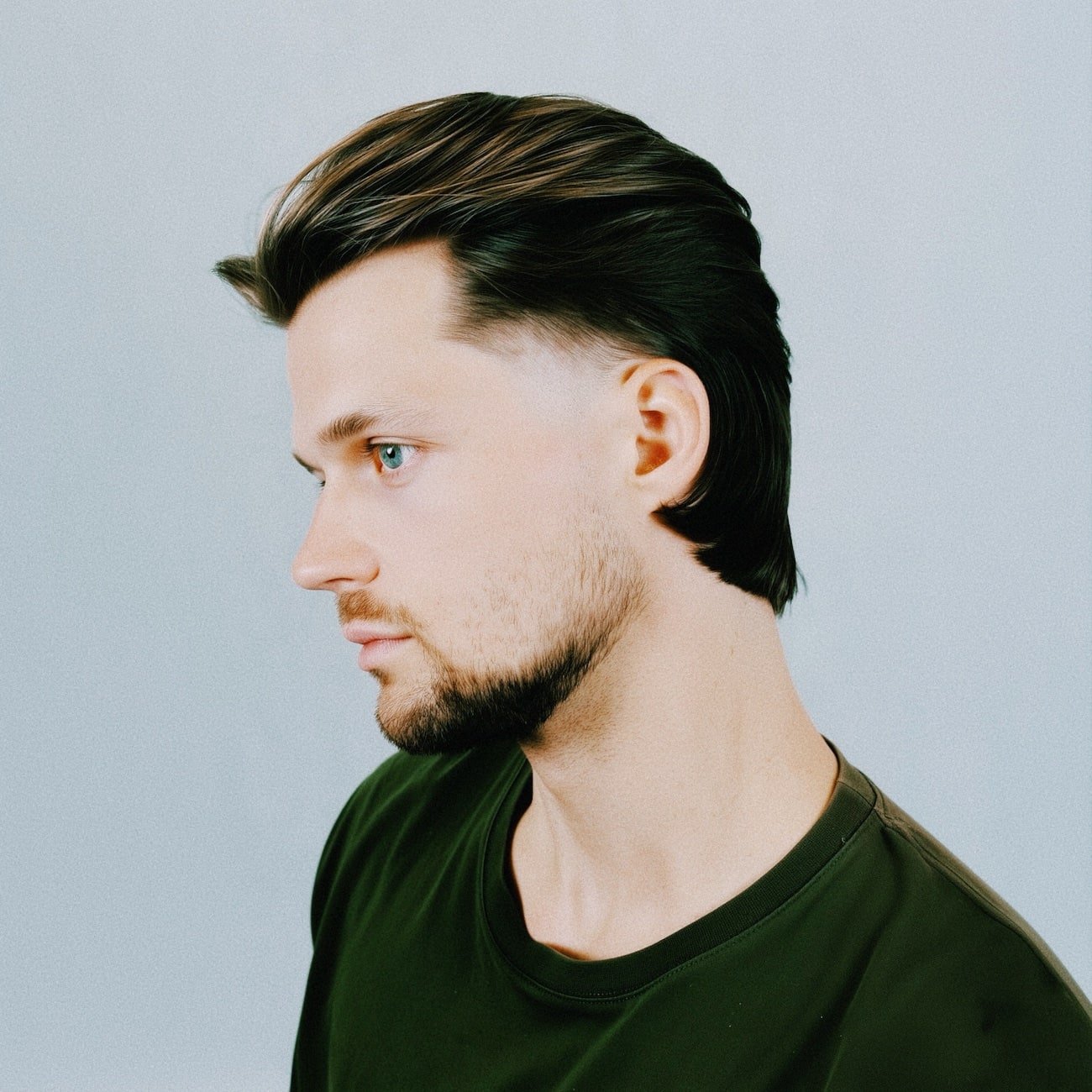
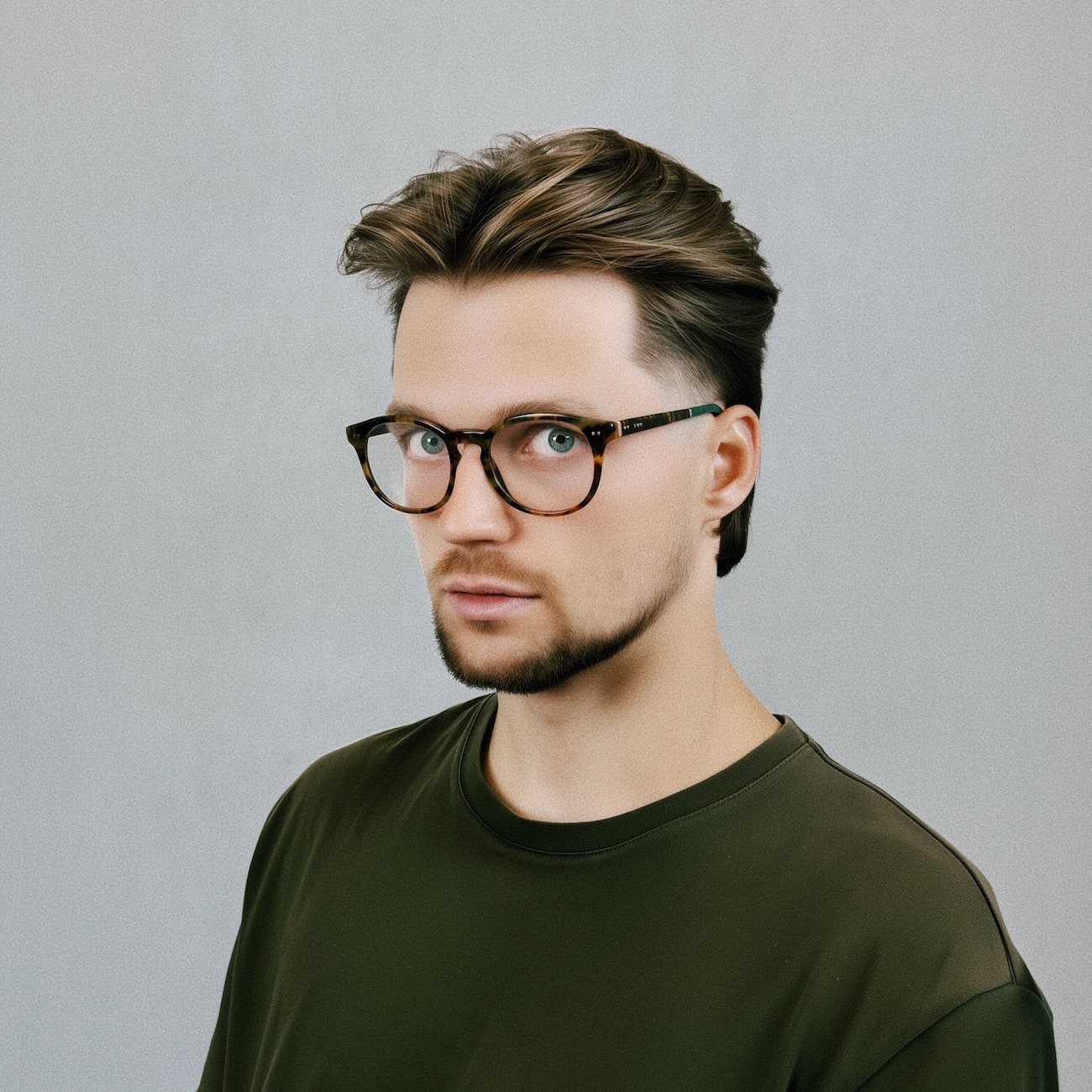
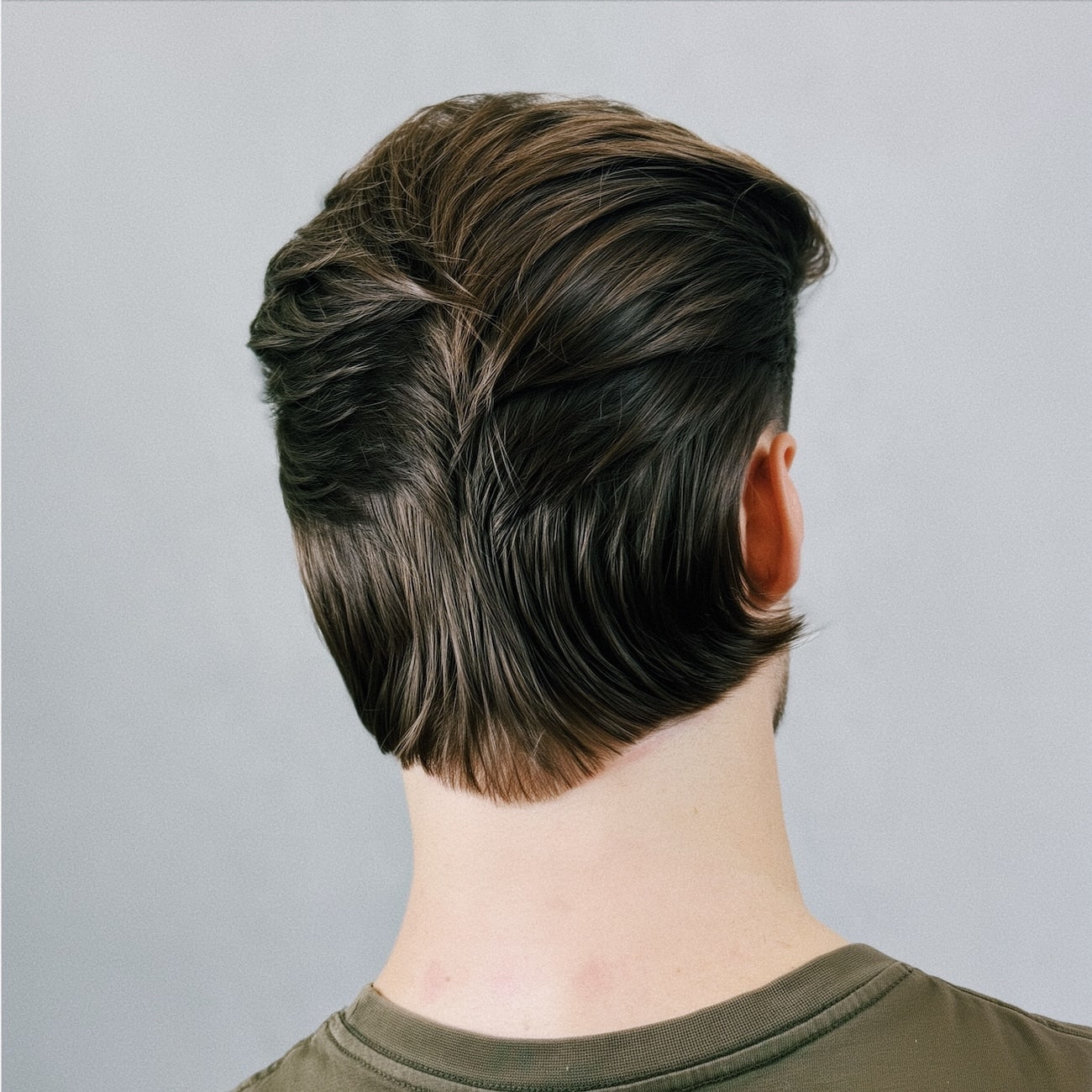
About the course
Textured Taper Mullet is a modern, commercial interpretation of a classic cut, combining the softness and movement achieved with a texturizing knife with the precision of low front tapers. This course shows how to transform a classic shape into a hairstyle with strong texture, natural volume, and intentional disconnection that's easy for the client to style every day.
Kamil Cesarski guides you through the entire cutting process, starting with an analysis of the head shape and adapting the sectioning to the client's anatomy. Step by step, he shows how to build a square shape in the lower nape area for volume, then work in a circular pattern on the top, combining horizontal and vertical sections. A key element is the work with the texturizing knife - from controlling section tension to the working angle - to achieve the signature softness and pliability of the shape.
In this course you'll see
- The texturizing knife technique step by step - how to control the angle and tension to achieve soft, pliable ends without losing control of the shape
- Building a square shape in the lower nape area with a one-section redirection to create extra volume on the sides
- Working on the square shape on top with all sections redirected to the back, creating intentional disconnection with the sides
- The full process of creating low front tapers: from a 3mm guard, through an aggressive transition with a 1.5mm guard, to the finish with a trimmer
- How analyzing natural hair wave and skull shape helps design a hairstyle that's easy for the client to style
- Principles for working on the fringe and personalizing the cut with deep channel cutting for a perfect fit to the face
- Correct body and hand position so the hair falls in the desired direction right away, minimizing the need for corrections
After this course, you'll start using the texturizing knife with intention - not just for texturizing, but for building the entire cut's form. You'll learn to control disconnection as a compositional element and create modern, textured mullets that combine tapering precision with organic, natural hair movement on top and at the back.
What you will learn
- 01How to work with a texturizing knife to achieve a soft, pliable texture.
- 02How to build a square shape at the nape to create volume.
- 03How to create intentional disconnection between the top and sides of the hairstyle.
- 04How to execute a low taper with an aggressive clipper transition.
- 05How to adapt sectioning and cut shape to the client's head anatomy.
- 06How to control section tension and working angle when cutting with a knife.
Before you start
This course assumes you already have:
What's inside
Full access with the course 1:43
1:4301Analyzing the client's skull shape
Whenever I start working, I obviously start with an analysis of the skull shape.
 11:14
11:1402Key rule for working with the knife
Don't move the hand holding the section - keep it in one place the whole time.
 17:50
17:5003The volume-building effect of the square
Look at the weight here versus here. This volume naturally builds up really well.
 33:08
33:0804Philosophy of cutting direction
I always try to cut the hair in the way it will later fall.
 44:38
44:3805The safety buffer principle
I always give myself a safety buffer, to remember the hair will spring back a bit.
 57:42
57:4206Aggressive taper transition
An aggressive transition from guard 3 to 1.5. A very strong wrist movement.
 1:00:53
07Matching facial hair to the hairstyle
I never leave facial hair without tidying it up. I always match it to the hairstyle.
 1:10:44
08Final personalization of the hairstyle
This is pure personalization, which lets us tailor this hairstyle to our model.
FAQ
Is this course suitable for beginner barbers?
What tools do I need to create this hairstyle?
Will this technique work on wavy hair?
How long is this video course?
Does the course explain in detail how to use a texturizing knife?
Does Kamil explain how to create a smooth transition in the taper?
What does disconnection mean in this hairstyle?
Details
Educator
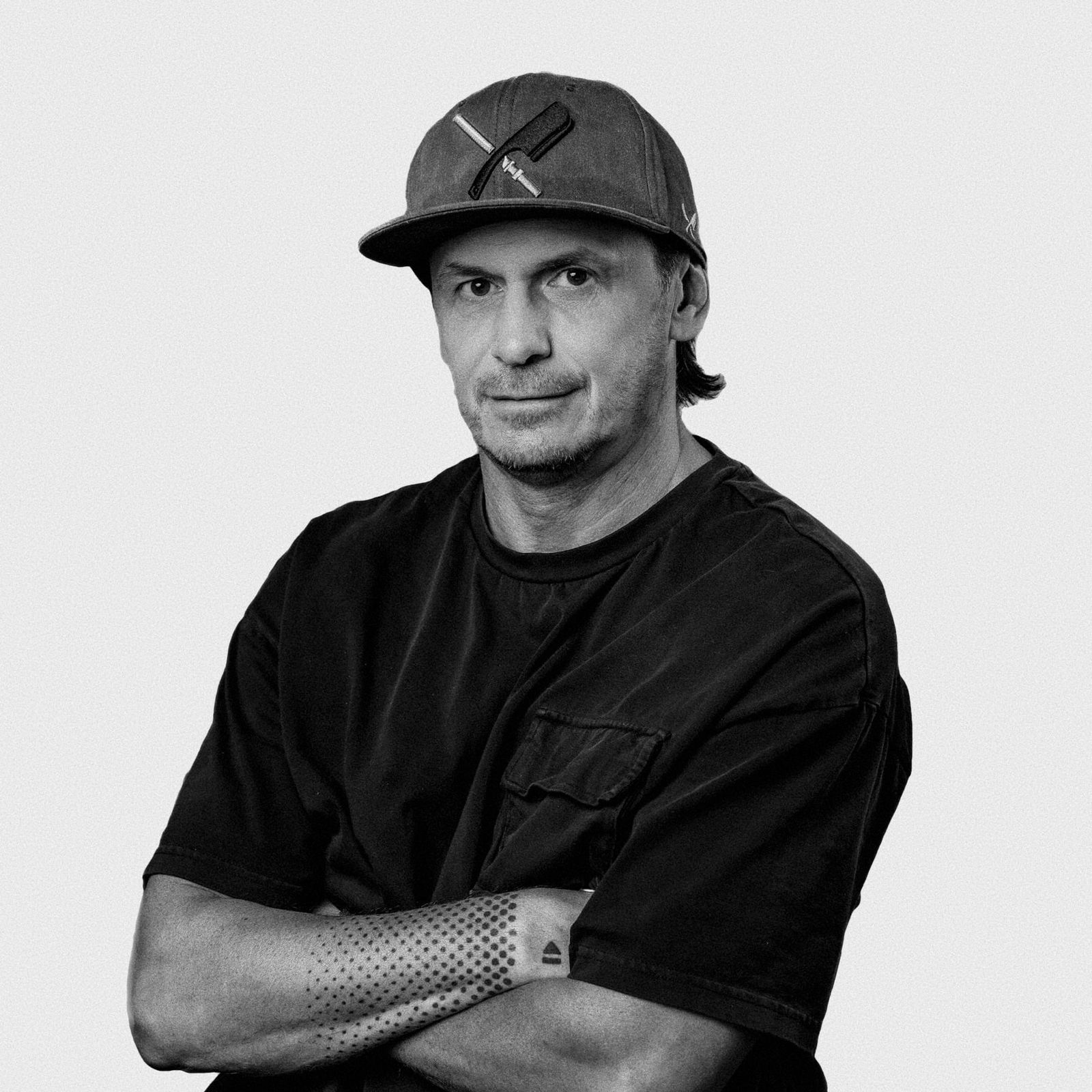
Kamil Cesarski
Educator · 8 courses
A hairdresser with over 40 years of experience, working as an educator for more than 20 years. Andis Company ambassador, lead educator at Statement Grooming Goods, and creator of the YES concept. His teaching is built on fundamentals: skull shape analysis, clean partings, and intentional body positioning. He teaches how to build precise, repeatable forms that serve as the foundation for every haircut, even the most creative ones.
Ready for the next level
Unlock full access to the Connected Hair course library.
Join the Academy