
The Color Wheel in Hair Coloring
A course on the fundamentals of color theory for hairdressers. You'll understand how the color wheel works, so you can work with intention to neutralize unwanted tones and predict coloring results.
Result and process
About the course
The color wheel in hair coloring is a fundamental tool that turns guesswork into conscious craft. This course isn't dry theory - it's a practical guide to the principles behind every color mix and every neutralization. You'll understand why blonde turns yellow, how to effectively cancel out copper reflections, and how to predict the final result instead of relying on luck.
Bartłomiej Lacz guides you through the world of color theory step by step, starting from the absolute basics - primary colors, secondary colors, and their relationships to one another. He explains how the principles of neutralizing and enhancing color translate directly into salon work: from canceling unwanted yellow tones in blonde, to avoiding green undertones when darkening hair. The course combines universal color knowledge with hair anatomy, showing where pigments naturally sit and how they interact with dye.
In this course you'll see
- Primary, secondary, and opposite colors - how their relationships form the foundation of every successful coloring and neutralization
- The principle of color enhancement - why cool strands against a warm base make blonde look blue and the base look orange
- Natural pigments in hair - eumelanin and pheomelanin - and why hair always reveals warm undertones when lightened
- The differences between permanent, demi-permanent, and semi-permanent coloring - exactly where the pigment sits and why semi-permanent color acts like a magnet on a fridge
- Practical application of neutralization: violet for yellow, blue for copper, and green for red - when and how to use opposite colors
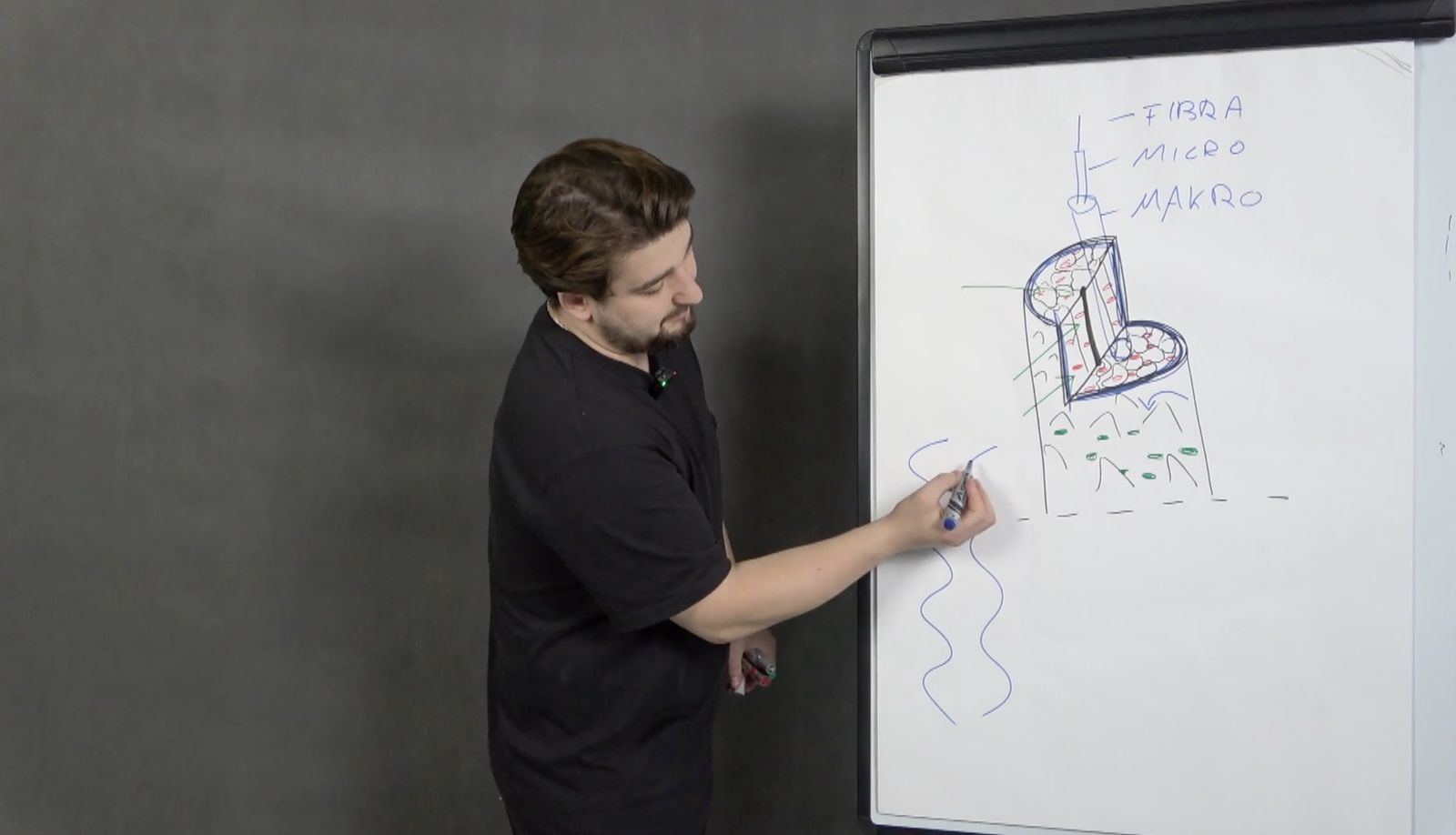
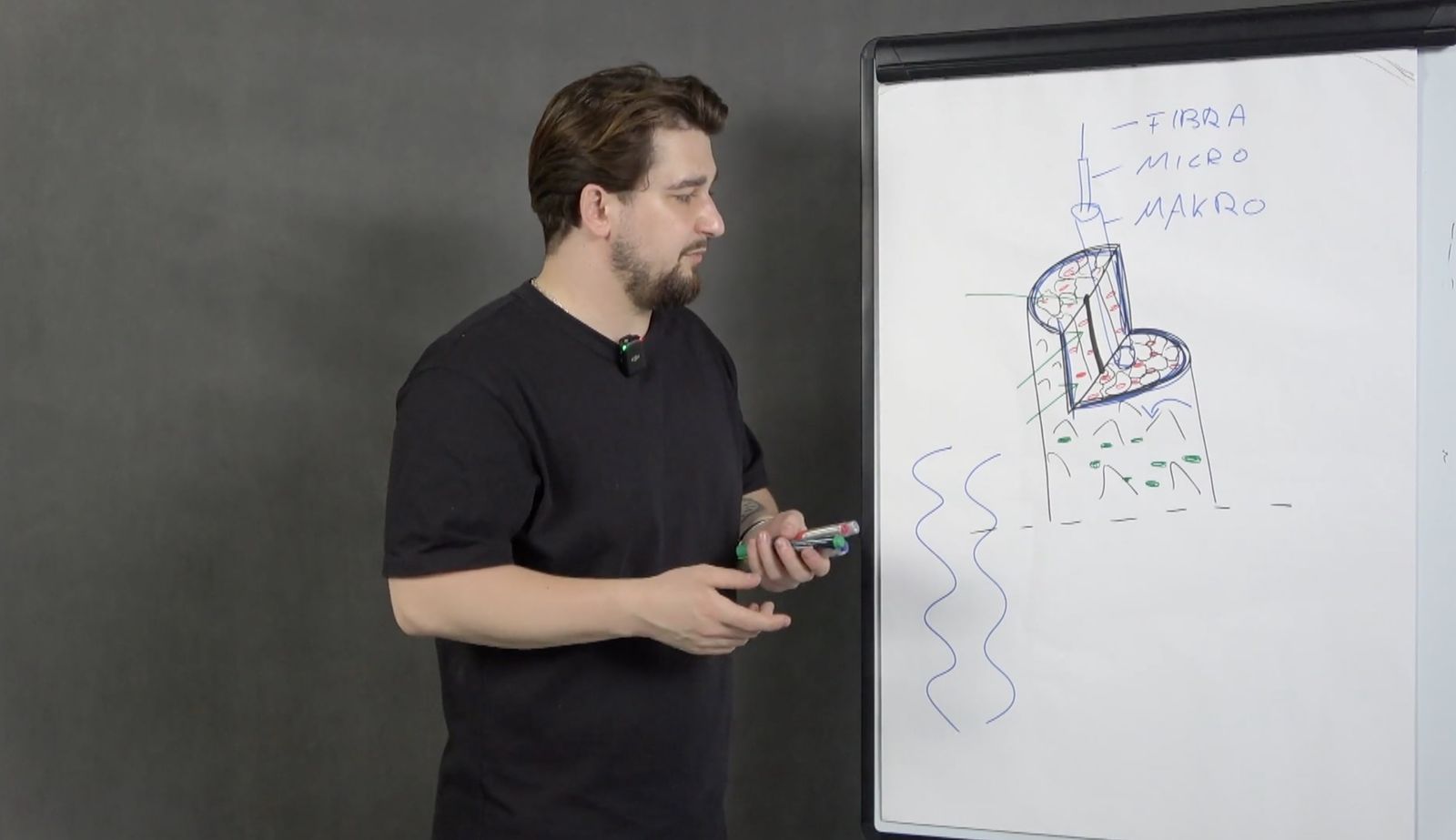
- Hair structure from a colorist's perspective: the role of the cuticle, cortex, and medulla in the coloring process, and why porosity is crucial
After this course, you'll stop looking at a color chart as a set of ready-made numbers and start seeing it as a system of connected vessels. You'll gain confidence in neutralization, consciously avoid color mishaps, and start creating clean, predictable colors that come from understanding fundamental principles - not from chance.
What you will learn
- 01How the color wheel works and the relationships between primary colors.
- 02How to effectively neutralize unwanted tones, e.g., yellow blonde with violet.
- 03Why opposite colors placed next to each other enhance one another.
- 04Where warm undertones come from when lightening hair.
- 05The difference between permanent, demi-permanent, and semi-permanent coloring.
- 06How hair is structured and where natural and artificial pigments are located.
What's inside
Full access with the course 2:57
2:5701The color wheel - a fundamental tool
One of the tools of these total fundamentals of coloring is the so-called color wheel.
 5:28
5:2802The principle of neutralizing opposite colors
Opposite colors will always neutralize each other.
 8:02
8:0203Enhancing colors through contrast
Opposite colors placed next to each other will highlight and enhance one another.
 11:51
11:5104Where do undertones in hair come from?
But now, where do these undertones I keep mentioning actually come from in the hair?
 16:29
16:2905The difficulty of lightening warm pigments
We also have red, orange, and yellow, which isn't as easy to lighten.
 22:05
22:0506Hair structure - a drawing on the flipchart
To be able to do this, I need to draw a hair strand, and I'll draw it on the flipchart.
 28:04
28:0407Three categories of hair coloring
We can divide coloring into three categories: permanent, demi-permanent, and semi-permanent.
 31:35
31:3508The mechanism of pigment attraction
Pigments are positively charged, while our hair is negatively charged at the same time.
FAQ
Is this course suitable for beginner hairdressers?
Does the course explain exactly which pigments to use for neutralization?
Is this a purely theoretical course, or does it relate to salon work?
Why does hair always turn warm when lightened? Does the course explain this?
Will I learn the differences between permanent, demi-permanent, and semi-permanent dyes?
Does this course cover coloring gray hair?
How long is this video course?
Details
Educator

Bartłomiej Lacz
Educator · 5 courses
Schwarzkopf Professional expert and co-founder of Akademia Mąż Fryzjerki, specializing in color techniques. His educational philosophy is that hairdressing knowledge doesn't have to be complicated if it's explained well. That's why in his courses he breaks down complex processes into first principles, covering the fundamentals - from the color wheel to precise diagnosis and client consultation.
Ready for the next level
Unlock full access to the Connected Hair course library.
Join the Academy