Triangular shading
 The result and the process
 What you'll learn
 What you'll learn
How to use guide rails to maintain a perfectly square surface.
Why the length of the hair determines the final look of the hairstyle.
How to cut the entire hair while standing in one spot for maximum precision.
How to accurately check cross-cuts to avoid costly mistakes.
How to dry-style the outer line to create different looks using the same base.
When and how to use a trimmer for final touch-ups and shaping.
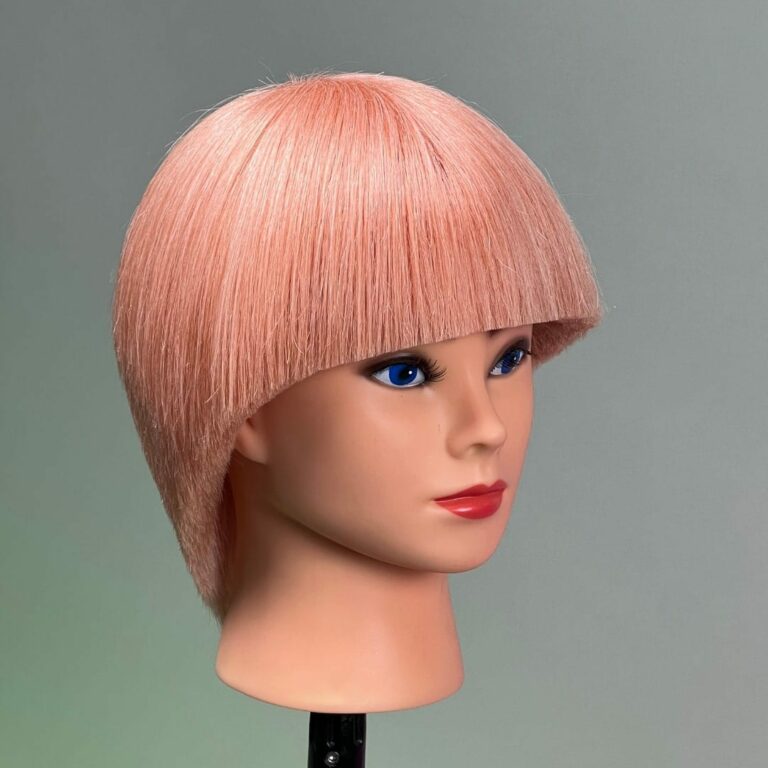
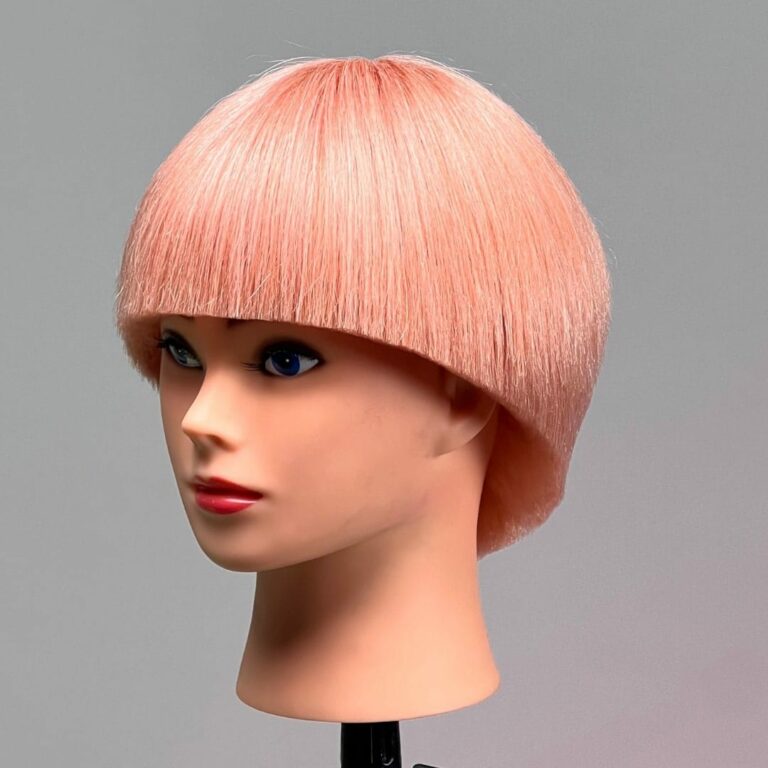
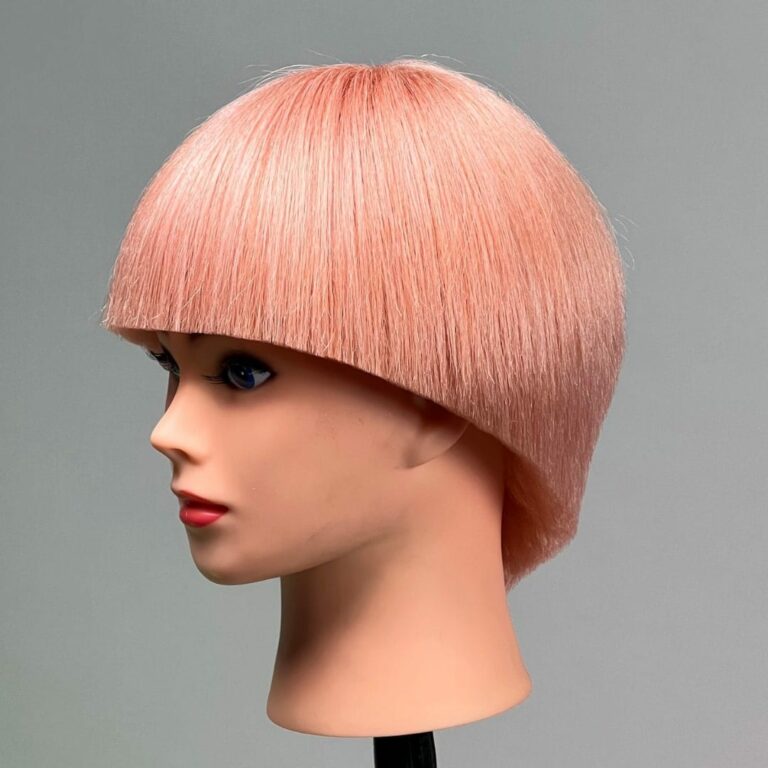
Triangular layering with a square back is a fundamental cutting technique that the instructor calls “hairdressing tofu”—a versatile foundation from which dozens of different hairstyles can be created. The course demonstrates how to build a precise, flat wall of hair at the back of the head and then, by working exclusively on the outer line, give it a radically different character: from a commercial bob, through an asymmetrical “compass cut,” to an avant-garde pageboy.
Sergiusz Pawlak guides you through the entire process step by step, from consciously choosing the length of the section—which determines the final look of the hairstyle—to sculpting the outer line with a dry trimmer. You’ll see how to simplify the process using guide frames that maintain the square geometry, and why the entire haircut is performed while standing in one spot—without moving around the chair. It’s a method that transforms complex geometry into a repeatable, salon-ready system.
In this course, you'll learn:
- Creating guide frames along the top and bottom edges of a section – how to make it easier to maintain a square plane without constantly checking the alignment
- Choosing the length of a memory band – why a shorter band opens the door to avant-garde forms, while a longer one guarantees a commercial, safe result
- Working from a single point without moving around the head—the key to precision and avoiding rounding of the back surface
- Thorough cross-checking after each section serves as the foundation that ensures the accuracy of the entire form
- Three different finishes for the outer line on the same base—ranging from an asymmetrical "compass" to a short "page" with a rounded line
- Dry trimming and using a trimmer—how to sculpt the shape, remove excess weight, and refine the details after drying
After this course, you’ll stop viewing the square shape as a single hairstyle and start using it as a foundational system for creating a wide variety of shapes. You’ll acquire the skills to consciously control the character of the cut through precise work on the outer line, offering clients both safe, commercial styles and bold, creative looks based on the same solid foundation.
What's inside
Full access to the course
 What's inside

Haircut concept - "hair tofu"
"I call the haircut I'm about to show you 'hairdresser's tofu.'"

Creating a guide frame
"This frame, as you'll see in a moment, will make our lives a lot easier."

A key check of the hairstyle's foundation
"Cross-checking is very important, because it's the foundation of this hairstyle."

Maintaining vertical separation
"It often happens that people instinctively start dividing the head up like that."

Connecting the front to the rear plane
"We'll comb every subsequent breakup of ours back."

Dry-wall construction method
"We'll be building our facade above the edge of our section."

Hair styling before the outer line
"It's a really cool trick to apply hairspray to the inside of your hair, too."

Combining contrasting shapes
"We're incorporating a curved outer line into the triangular shape of our shading."
 Frequently Asked Questions