C-shaped shading
 The result and the process
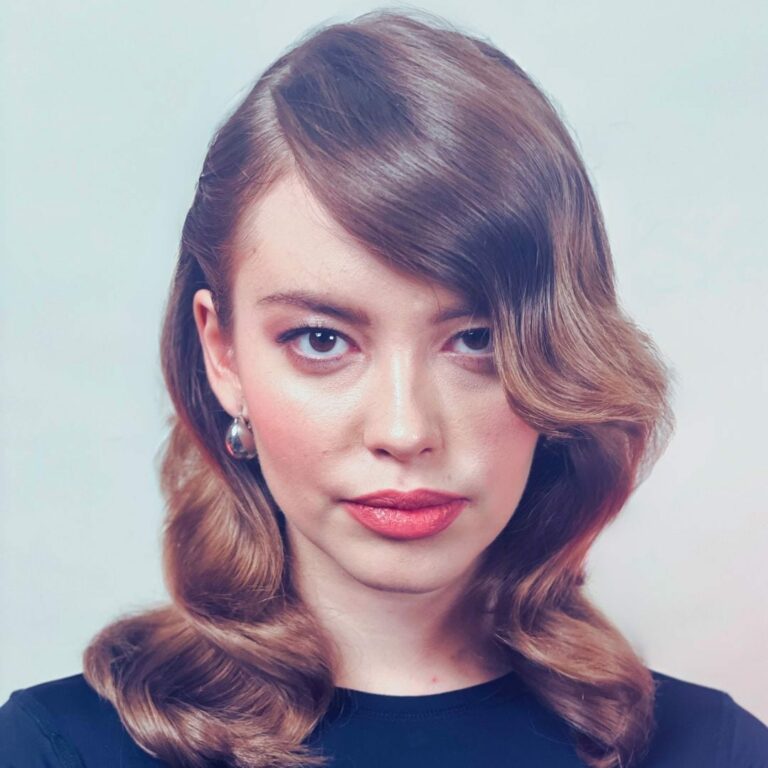
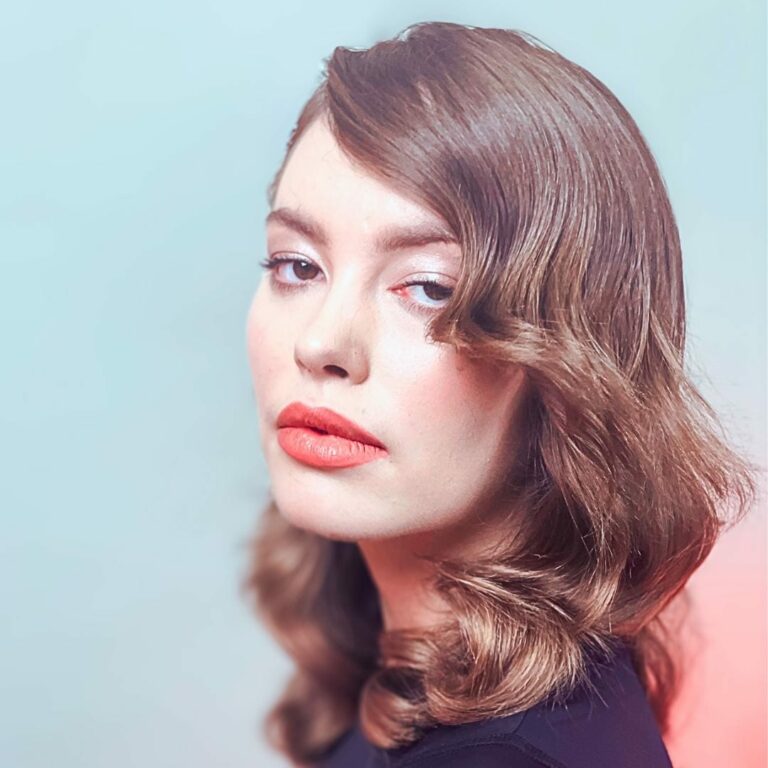
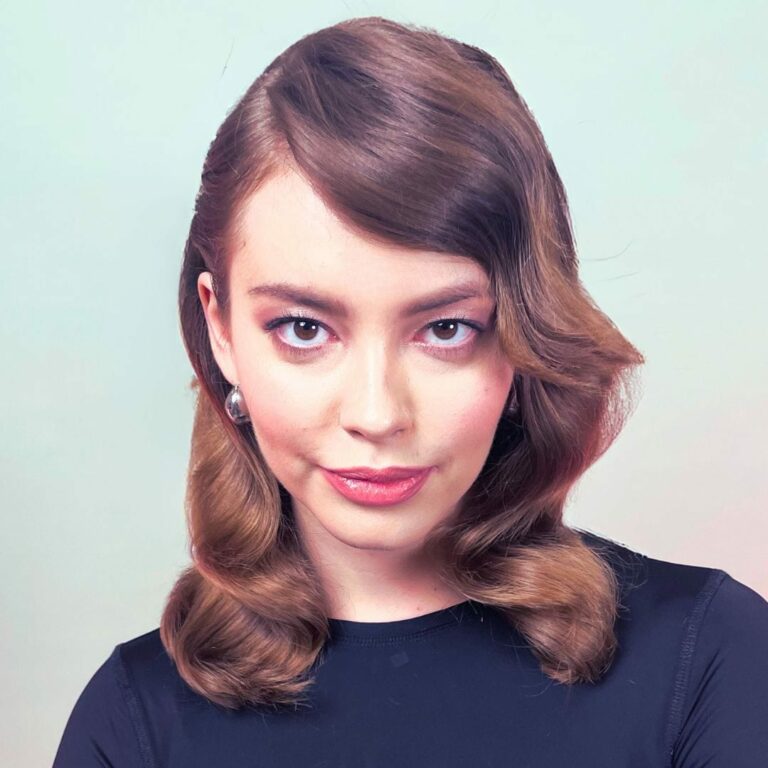
 What you'll learn
 What you'll learn
How to layer your hair in a C-shape to create volume at the roots.
How to maintain full thickness and weight at the ends of your hair.
How to use wider side sections for better control.
How to add volume to your hair regardless of where you part it.
How to blend your bangs with the rest of your hair and give them some direction.
How to create modern waves by curling your hair in an unconventional direction.
The C-shaped layering technique is a method for cutting long hair that solves a classic problem: how to add volume and lightness to a hairstyle without losing density at the ends. The course demonstrates how to transform hair of a single length—often heavy and flat at the roots—into a dynamic, voluminous style that works for the client every day. It’s the perfect method for women who like to toss their hair from side to side and expect their hairstyle to look good regardless of how they part it.
Tymoteusz Pięta guides you step by step through the entire process: from the consultation and diagnosis of a flat crown, through his proprietary method of dividing the hair into wider side sections, all the way to creating a rounded shape using the wet technique. A key element of the course is working on dry hair—C-shaped layering, where, by strongly redirecting the strand to the opposite side and cutting the middle section of the hair with a semi-sliding motion, internal volume is created while fully preserving weight at the ends.
In this course, you'll learn:
- A step-by-step guide to the C-shaped layering technique on dry hair – how to add volume at the crown without thinning out or weakening the ends
- Dividing the head into wider side sections – why connecting the crown to the lowest point of the hairline makes it easier to control the shape and eliminates steps behind the ear
- Styling bangs: how to blend them with the rest of your hair and direct them away from your face by trimming the center section
- Solving the "flat side" problem – how to cut hair with different partings so that the hairstyle retains its volume when you switch to the other side
- Building a thick, rounded wet line as a solid foundation for later dry shading
- The complete final style: curling the hair forward with a curling iron, securing it with clips, and styling it into an elegant, polished look with a side part
After this course, you’ll begin to consciously use layering as a tool for building volume—not just reducing bulk—addressing the most common concerns of clients with long hair. You’ll learn to create hairstyles that are light and full of movement at the top, while maintaining a solid, dense line at the ends. This workshop will allow you to offer real change and styling versatility without compromising on length.
What's inside
Full access to the course
 What's inside

Adjusting the volume when sweeping hair to the side
"We'll make sure that, whether the hair is on the right or the left, there's volume here."

Custom partitioning of side sections
"The cut starts at the top, creating a slightly elongated side."

Technique for cutting bangs that are swept back
"To make it easier to comb the hair back, the hair in the middle should be the shortest."

Why a blunt cut?
"We're constantly cutting at a fast pace to make the ends look fuller."

Connecting the sides to the back with semicircular dividers
"I'm going to use semicircular separations to connect this side to the back, because we don't want it to look like the front here."

Key technique: C-shaped shading
"We'll layer it in such a way as to preserve the full length and weight."

Layering for volume when changing the part
"We'll create some shading that will solve the problem when you sweep your hair from side to side."

Styling - curling hair forward
"With the sections almost horizontal, we'll select the strips and fold them under and forward."
 Frequently Asked Questions