Classic Form
 The result and the process

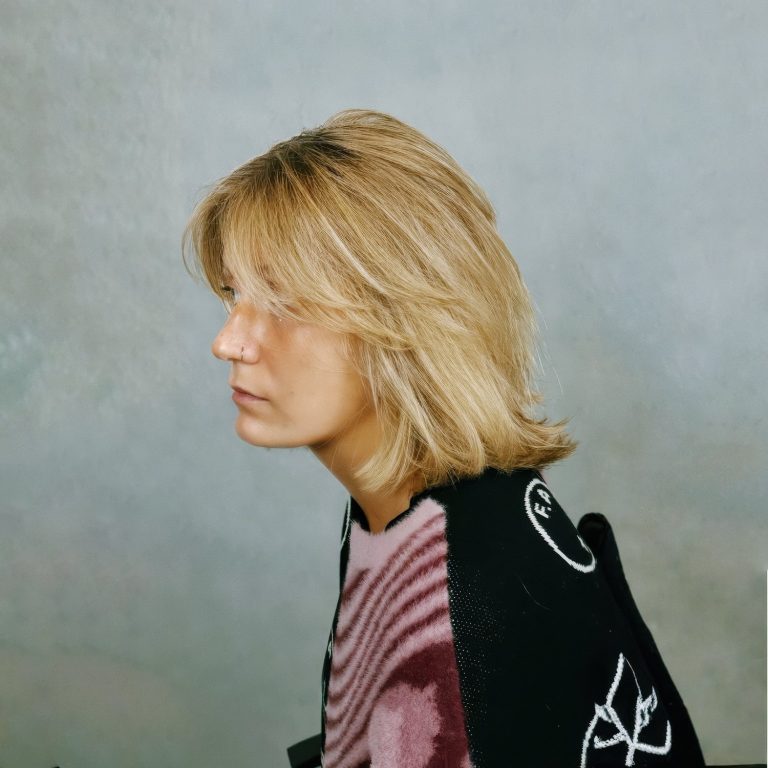

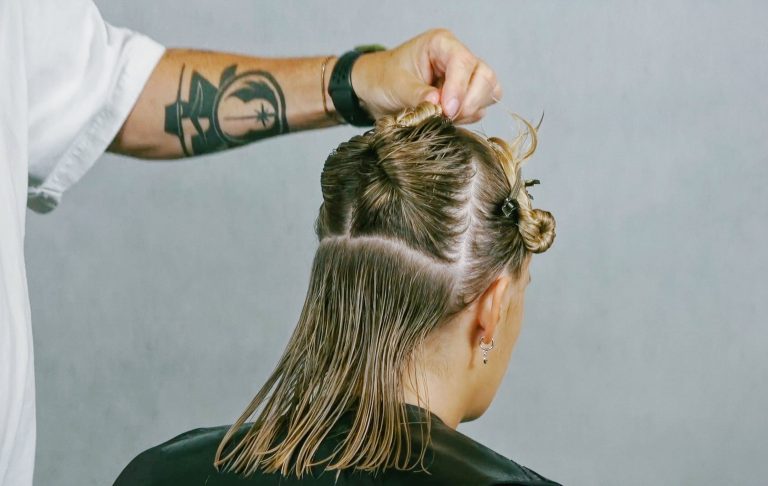
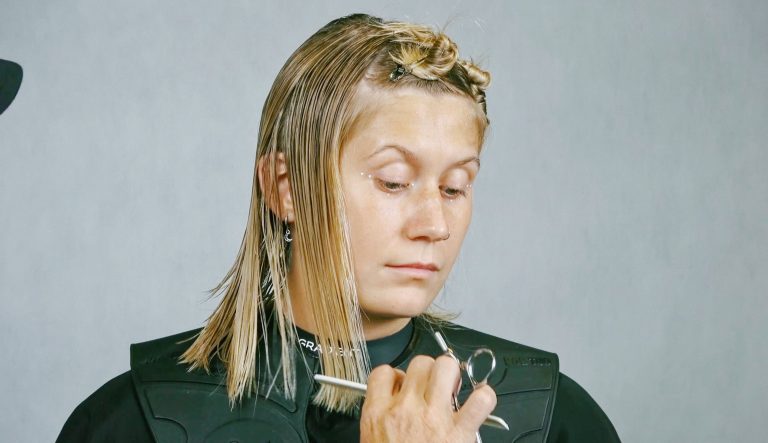
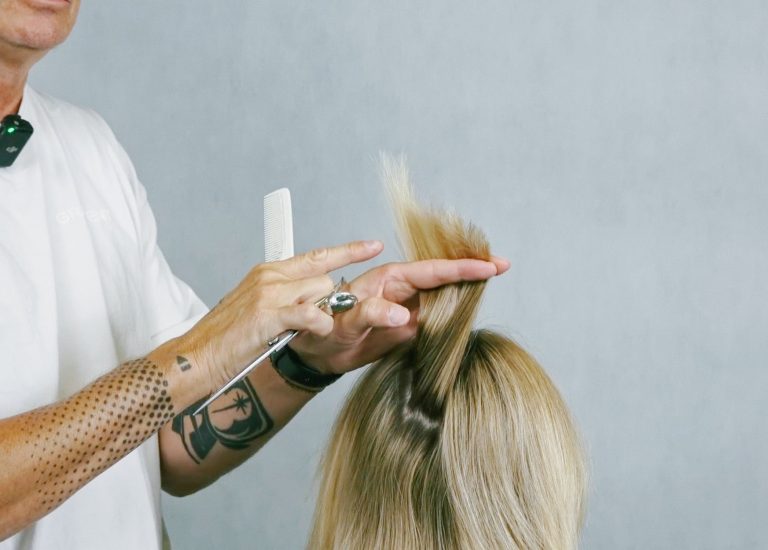
 What you'll learn
 What you'll learn
How to combine square layers with the line technique in a single haircut.
Why working with a client while standing gives you full control over the cut.
How to move around the head so that you're always facing the strand.
How to control the tension using just the comb, without pulling your hair with your fingers.
How to cut bangs using the triangle technique with the ends swept toward the center.
When making decisions while working, take the hair structure into account.
Classic Form is a classic, commercial women’s haircut based on deliberate structural design rather than styling for the camera. The course demonstrates how to approach hairstyling in terms of form, proportion, and weight to create repeatable, low-maintenance cuts for medium-length hair. This is the foundation of salon work, allowing you to work with greater peace of mind, confidence, and without the pressure of fleeting trends.
Kamil Cesarski guides you through the entire conceptual and technical process: from analyzing the shape of the head and the natural hair pattern, through building volume with square layers at the back of the head, to creating the hairline on the sides using diagonal sections. The course teaches how to make decisions step by step, where each subsequent action follows from the previous one, and the form serves as a stable foundation for further personalization.
In this course, you'll learn:
- A combination of two key techniques: square layers at the back of the head to add volume, and side-swept layers to create shape
- Working with a client while standing – when and why this position provides full control over a cutting line parallel to the floor
- The principles of kinetics at the chair: how to move around the head and stand facing the strand to avoid misalignment
- Controlling tension with just the comb – why pulling hair with your fingers compromises precision and how to avoid it
- Working with the fringe using the triangle technique, which allows you to shift all the weight to a single point and distribute it deliberately
- Final personalization using the pivoting slicing technique, which softens the form without altering its basic structure
- A way to intentionally use disconnection so that the individual parts of the hairstyle form a cohesive, organic whole
After completing this course, you’ll start to view women’s haircuts as a logical, structured process rather than a series of random movements. You’ll learn to create commercial, stable styles that are predictable, easy for clients to style on their own, and serve as an excellent foundation for further work during subsequent salon visits.
What's inside
Full access to the course
 What's inside

A plan for a new hairstyle
"I'd like them to be shorter, starting at chin level and tapering into longer ones."

The parallel band principle
"Be sure to select a path that runs parallel to the cutting line, without any deviations."

Checking the tension with a comb
"I generate tension using only the comb; in other words, if I want more tension, I use the denser side."

Working with natural hair
"I don't pull the hair or run my fingers through it; I just cut it to its natural position."

Redirecting strands when cutting bangs
"We'll trim everything and redirect it to the first channel—that's exactly what we'll do."

The Philosophy of Natural Drying
"I'll blow-dry this hair in every possible direction because I want this hairstyle to look so natural."

Customizing the mold using the slicing technique
"We can gently work on the texture of this mountain to make it even softer."

Assessment of the final result and proportions
"The chin and face shape are nicely accentuated by a slightly thicker line at the front."
 Frequently Asked Questions