Classic Taper
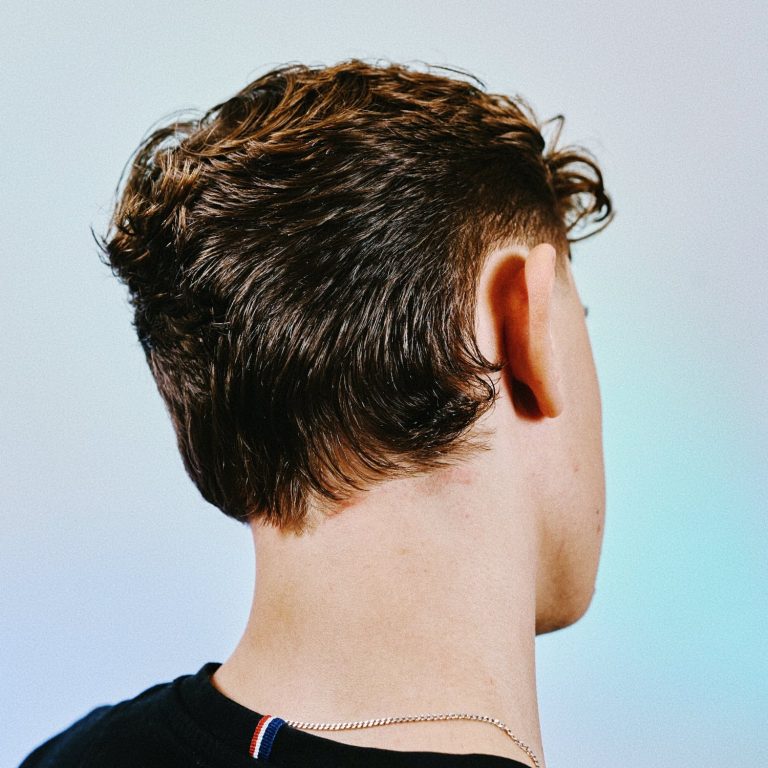
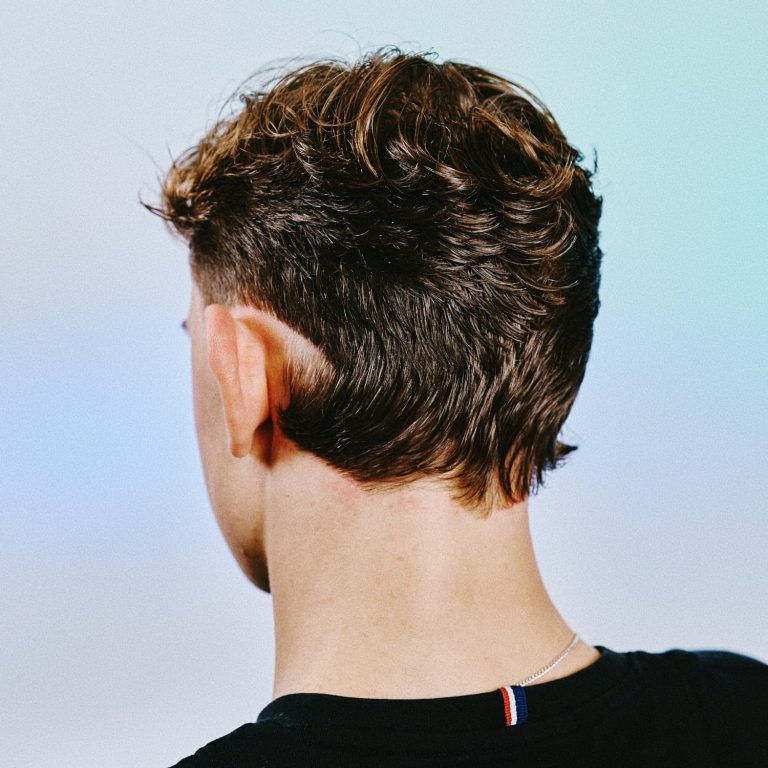
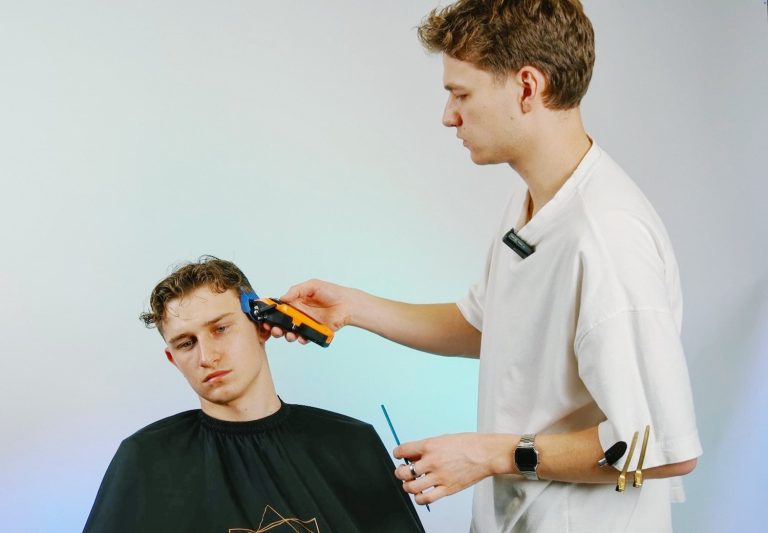
 The result and the process


 What you'll learn
 What you'll learn
How to create an asymmetrical parting that takes into account natural waves and the direction of the hair.
How to reduce the volume above the mastoid process to make the head appear narrower.
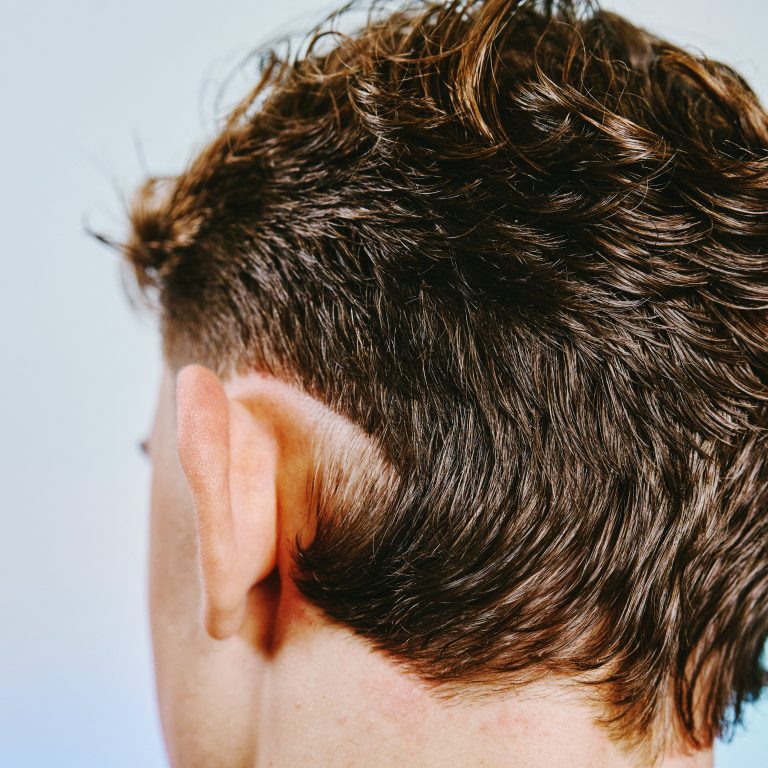
How to create a taper using a router with the predictable descending method.
How to work with your hair’s natural curl to strengthen it, rather than fighting it.
Why is it a good idea to trim the edges with scissors before finishing with a trimmer?
How to make informed technical decisions based on the client's anatomy.
The Classic Taper is a classic men’s haircut that, in this course, serves as a tool for effectively managing the hairstyle of a client who is growing out their hair. Instead of formulaic layering, the course demonstrates how to create a clean, functional shape that controls regrowth and allows for less frequent salon visits—without looking “messy” after a few weeks.
Andrzej Janusz guides you through the entire process as a series of deliberate decisions, rather than simply following a template. From analyzing the shape of the head, through an asymmetrical parting that takes into account natural waves and the direction of the part, all the way to working with scissors over the comb and creating transitions with the clippers. The course teaches how to listen to the hair and the client’s anatomy so that every technical decision—from the angle of the fingers to the movement of the wrist—is based on observation, not habit.
In this course, you'll learn:
- An asymmetrical haircut that takes into account the natural texture of the hair and the desired style (messy slickback)
- How to reduce volume above the mastoid process to visually narrow the head and create a clean profile
- A standard descending method for creating a taper with clippers—starting with a 3 mm attachment and finishing with a trimmer
- Why should you first outline the shape with scissors and then finish it with a trimmer for greater precision and cleaner lines?
- Working with natural hair texture – how to make the most of it and enhance it, rather than fighting it during haircuts and diffuser styling
- Body mechanics when using a clipper – when the movement originates from the shoulder, when from the elbow, and when the movement of the wrist itself is key
After this course, you’ll start to view the taper not as an end in itself, but as a deliberate tool for sculpting a shape that works in harmony with the head’s anatomy and the natural direction of the hair. This is material for hairdressers who want to stop following formulas and start making sound technical decisions, creating haircuts that look good not only on the day of the appointment but also as the hair grows out over the following weeks.
What's inside
Full access to the course
 What's inside

Asymmetry in the distribution for yaw control
"The turn builds up at this point, so we need a little more length on the right side."

Controlling the curl of the hair by bending the fingers
"The more we curl it, the more the hair will curl after it's cut."

Weight reduction at the convex point
"We're currently at the highest point here. We simply want to reduce it along this section."

An asymmetrical cut for visual symmetry
"I don't care about cutting my hair symmetrically. I want to achieve a symmetrical look."

A predictable tapered descent method
"The step-down method with overlays always gives us a predictable result. So I recommend it."

Ergonomics of using a clipper
"The higher the trimmer I use, the more the motion comes from the shoulder, then the elbow, and finally the wrist."

Work sequence - cutting out the outline with scissors
"I recommend that you try this: start by tracing the outlines with scissors."

Adding a personalized design element
"I decided to add a small design element that will really highlight the style of our model."
 Frequently Asked Questions