Dynamic cutting with disconnection
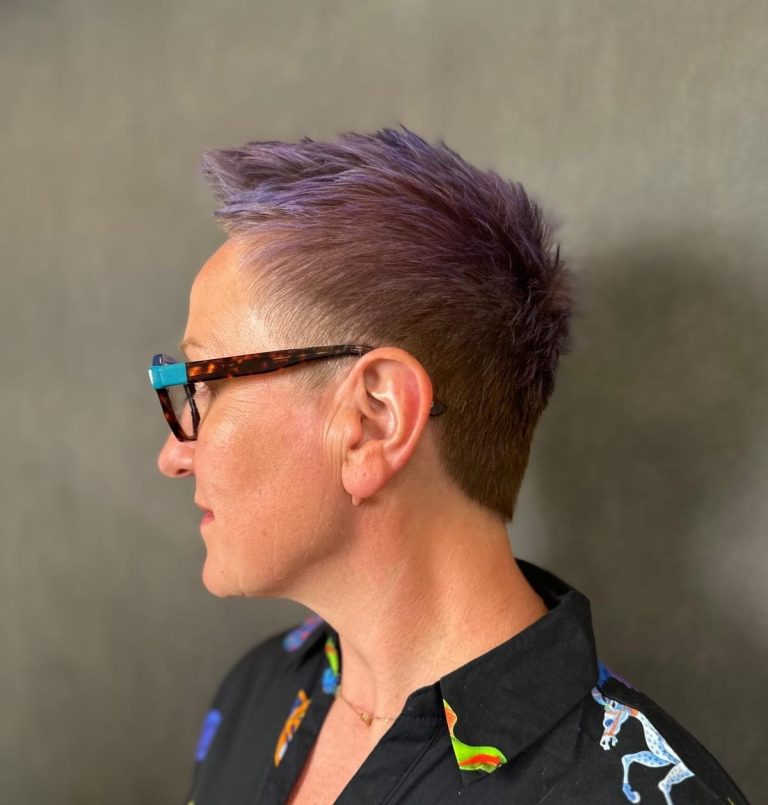
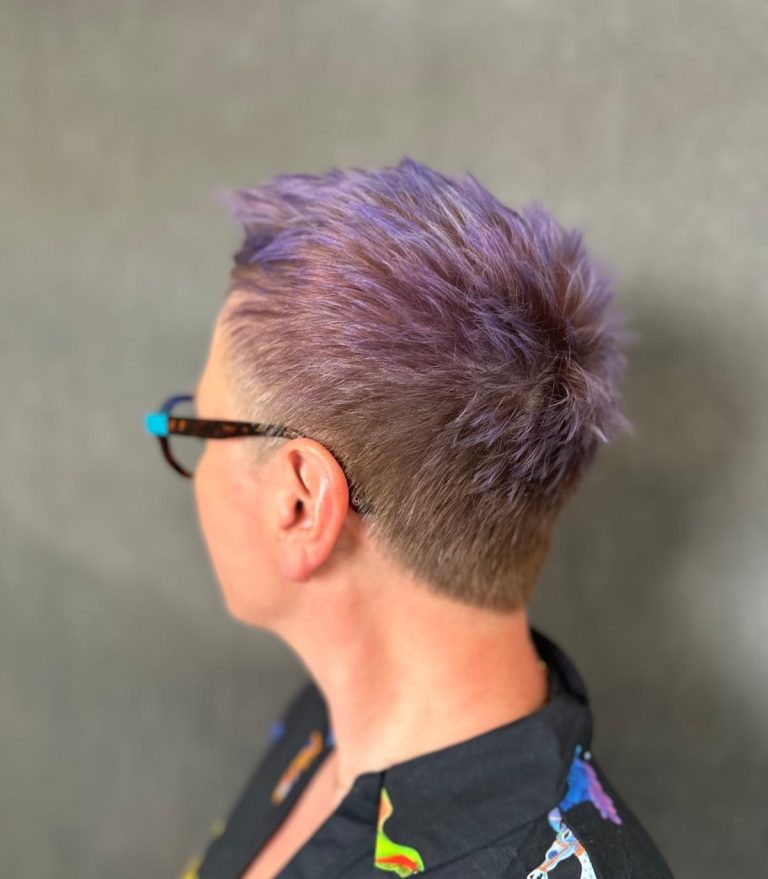
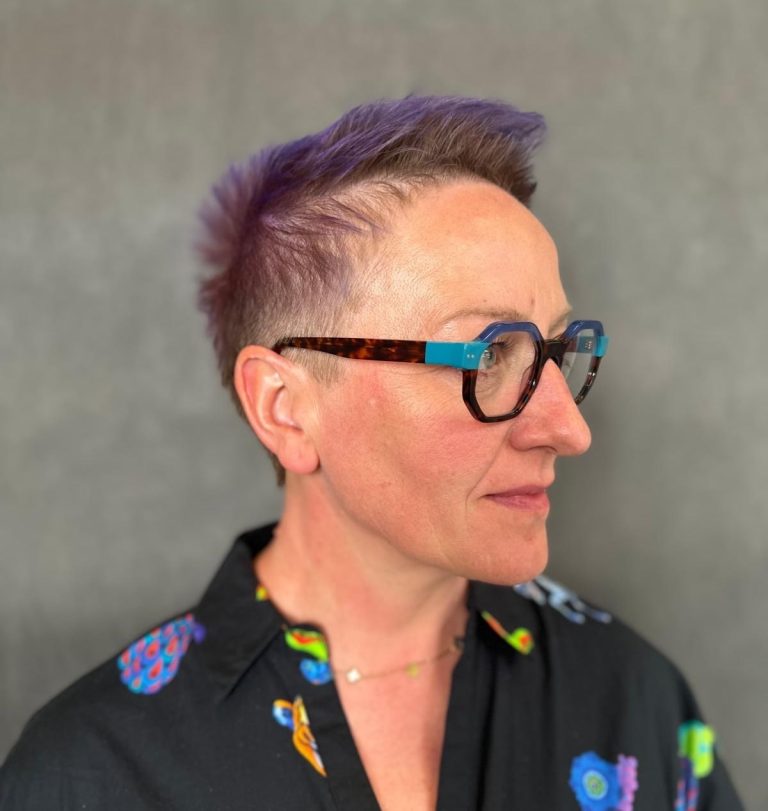
 The result and the process
 What you'll learn
 What you'll learn
How to create a zigzag disconnection to lift the top without a cut-off effect.
How to trim the sides with a comb-style pair of scissors for a natural, soft outline.
How to apply flat-top layering to control hair that grows out sideways.
How to work with a memory band using the wet method while extending the front.
How to use dry texturizing to customize your hairstyle and give it a light, airy look.
How to style short hair with pomade for texture and control.
A dynamic cut with a disconnection is a technique for creating a short women’s hairstyle that solves the problem of hair growing out “to the sides.” The course demonstrates how to intentionally use disconnection to create flat, close-fitting sides and a dynamic, movement-filled top that remains the longest element of the entire style, making it easy for the client to style her hair every day.
Klaudia Piotrowicz guides you through the entire haircut process step by step: from sectioning off a reference strand and working on wet hair to follow the shape of the head, to trimming the sides with scissors on a comb to achieve a soft, natural contour, all the way to creating a disconnected look using zigzag-shaped sections. This technique allows for lifting the longer top section while maintaining a flat shape on the sides, which the client can easily style at home.
In this course, you'll learn:
- Creating texture using a dense, zigzag-shaped parting – why this prevents the "chopped-off" fringe effect and adds volume
- Trim the sides with scissors using a comb to create a natural transition without the harsh lines and contrast typical of a clipper
- A flat-shading technique that controls regrowth across the width of the hair and helps the hairstyle retain its shape longer
- Working with a wet strip of dough that serves as a guide for the entire shape, while simultaneously extending the front
- Dry styling – how to add texture and volume with layering and texturizing without cutting off the length you’ve worked so hard to grow
- Guiding the scissors against the skin while trimming the hair around the beard to lift the longer section of hair at the top
- Final styling with sea salt and matte paste – how to apply the product so your hair stays in place
After this course, you’ll start using disconnection not as a gimmick, but as a fundamental tool for shaping short hairstyles. You’ll learn to create cuts full of movement and texture that address specific client concerns—such as regrowth on the sides—and that are easy for them to style every day.
What's inside
Full access to the course
 What's inside

Outage Planning and Methods
"There will be a disconnect between the line at the brush and the mountain."

Extending the front section
"Here, I'm extending this edge. I'm not trimming it to shape here; I'm extending it."

Trimming the outline with scissors until it's completely gone
"To get rid of those zeros, I press the scissors against my skin."

Creating a soft disconnection using a zigzag pattern
"I'll outline it with a very delicate, thick zigzag line."

Using sea salt before drying
"I lightly sprinkle them with sea salt to give them a little firmness."

The comb personalization technique
"I run the comb over my skin. The scissors are behind the comb."

Reduction of unwanted volume
"There was a lot of volume building up here, which we don't want."

The key rule of styling with pomade
"Apply this product all over your head first, and then style your hair."
 Frequently Asked Questions