Flow Mullet
 The result and the process
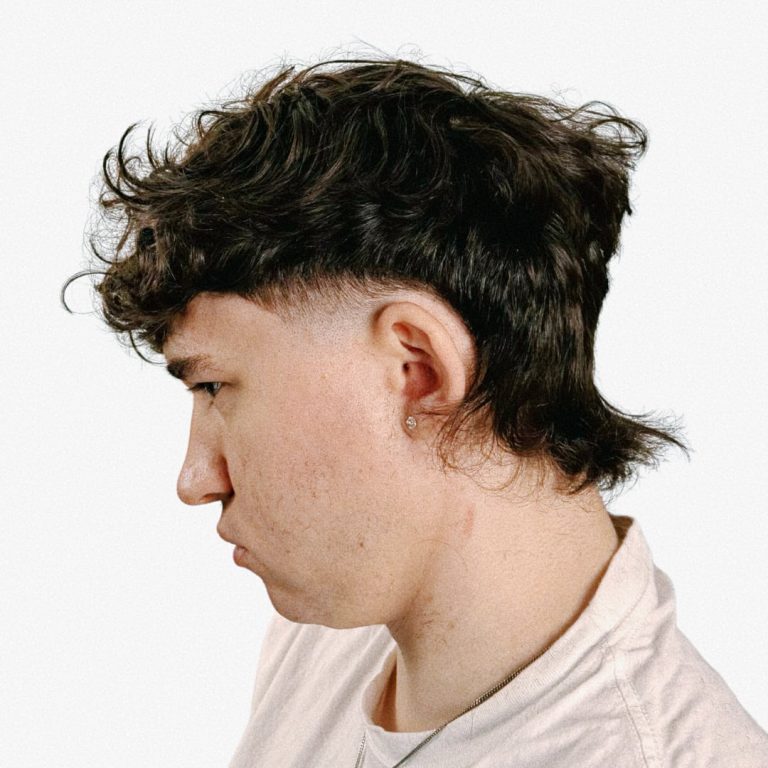
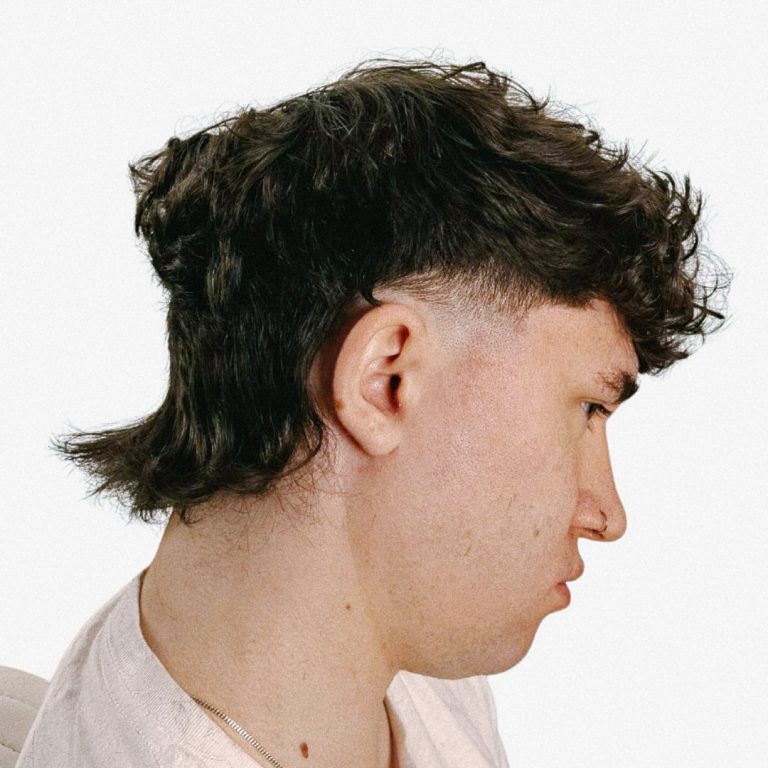
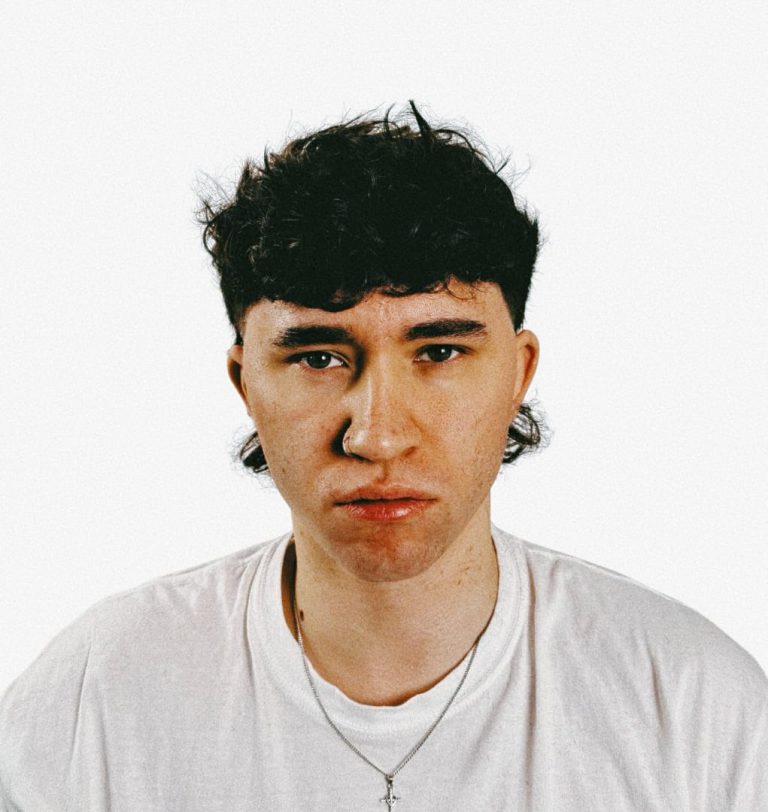
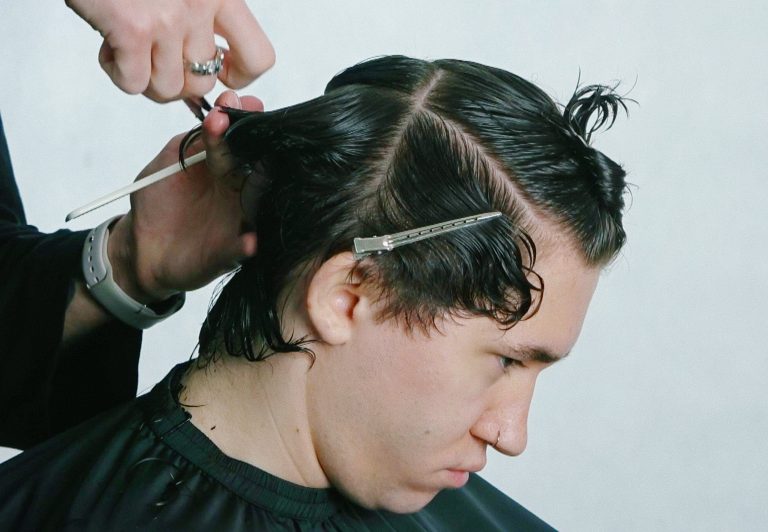
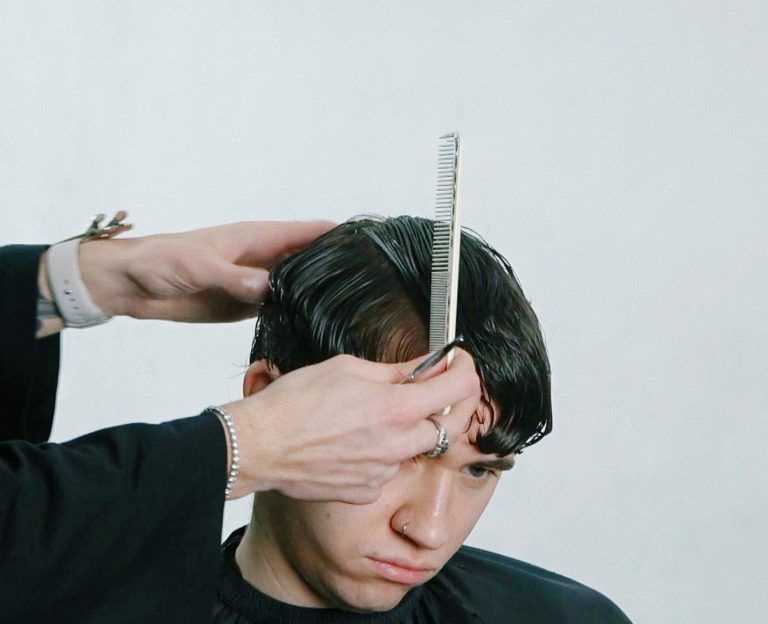
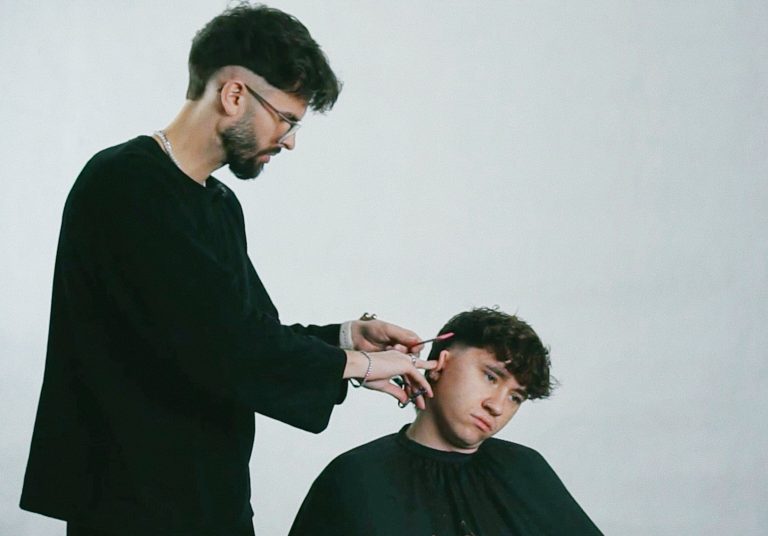
The Flow Mullet is a creative take on the mullet that solves the problem of a heavy, limp back section in wavy and thick hair. The course demonstrates how, instead of simply cutting the hair shorter, to create a deliberate S-shape—the so-called “S-curve”—which gives the hairstyle lightness and movement and naturally accentuates the curl, looking great both styled and unstyled.
Albert Banaszek guides you through the entire process step by step: from precisely sectioning the hair and creating a disconnection at the nape of the neck, through working with three different techniques for cutting the back, all the way to building volume on top using the “mandarin” technique (vertical square, horizontal circle). The key here is consciously shaping the hair, not just shortening it, which allows for full control over the final movement of the hair.
In this course, you'll learn:
- Building an "S" shape step by step – how to create lightness and movement in the back through a step cut at the nape and varied layering.
- The complete process of aggressive tapering using the assading technique, following the "one millimeter from the zero line" rule, where the shaver never touches the final line.
- Use the "mandarin" technique at the top (square vertically, circle horizontally) to create volume at the bangs, rather than where they meet the sides.
- Deliberate separation of the disc space beneath the occipital bone as a means of controlling the weight and shape of the mule.
- Use point cut as the default cutting technique for immediate texturing and to avoid heavy, blunt lines.
- A styling technique that brings out your hair’s natural curl using as little product as possible—matte paste applied to damp hair and a diffuser on the cool setting.
After this course, you’ll be able to consciously design the shape of a mullet, rather than just cutting the hair short in the back. You’ll gain the skills to work with thick, wavy hair, transforming it into a light, dynamic style that looks great and falls naturally, without any effort on the client’s part.
 What's inside
Full access to the course
 What's inside

The goal of the haircut: an aggressive taper
"We'll trim these sides to match our taper and finish with a fairly aggressive taper."

Setting the base length at the rear
"This is our base length. The entire hairstyle will be based on this length."

Smoothing out the discontinuity with a point cut
"By trimming it with a point cut, we get rid of it, because it will be quite noticeable."

Extending the hairline at the temples
"We can extend this section slightly to add more length to the bangs."

Length of the bangs—take the curl into account
"Remember that curly hair will spring back once it dries."

Diffuser drying strategy
"I won't dry it completely at the top—I'll let it curl on its own—I want to focus more on the sides."

Decision on the location of the tap
"We don't do a long taper; we do a shorter one."

Correcting dark spots with a retouching brush
"Using a thinning shears, trim the hair in small sections with an upward motion, without pulling it downward."