Gradation and texturing
 The result and the process
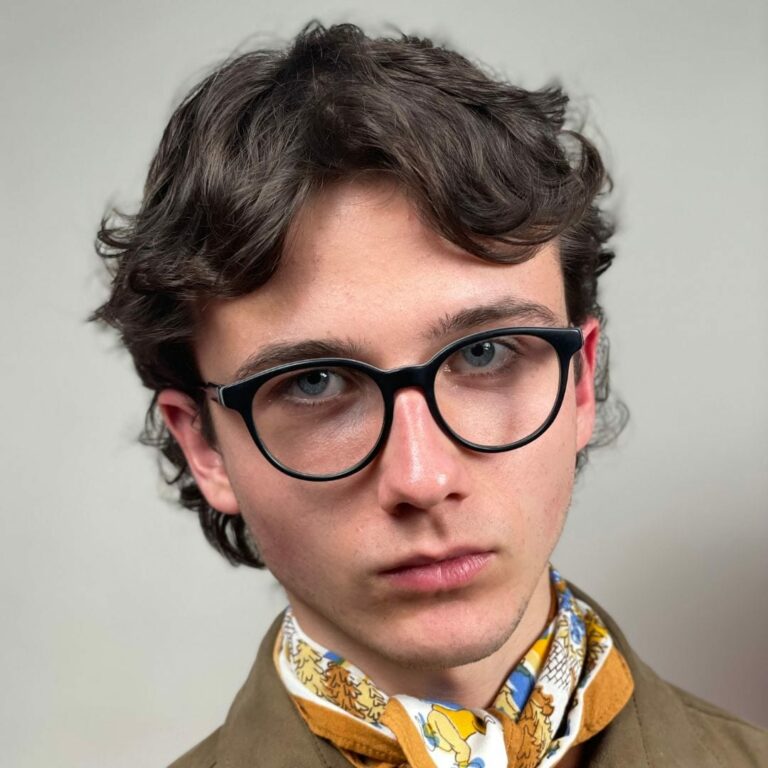
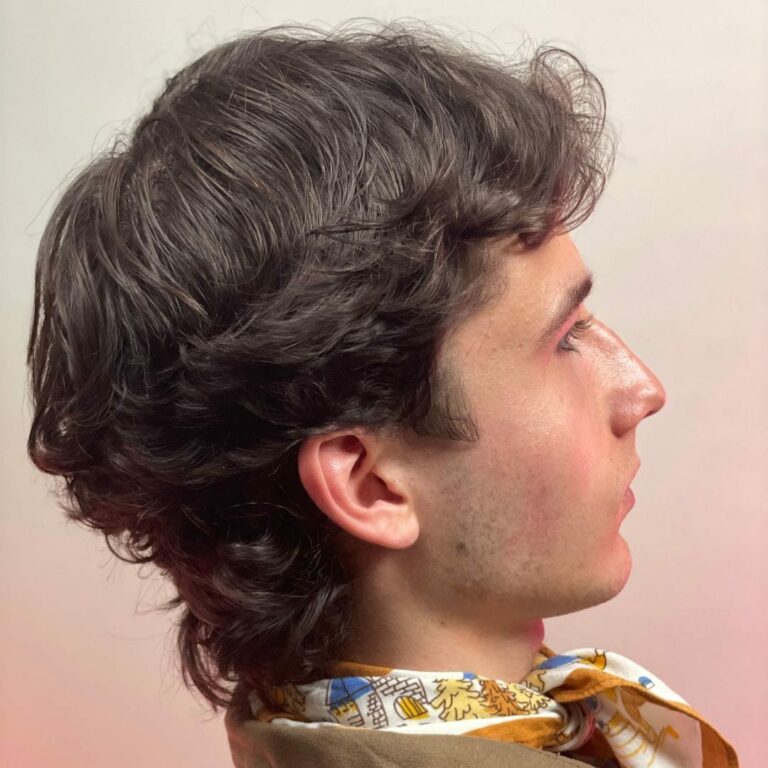
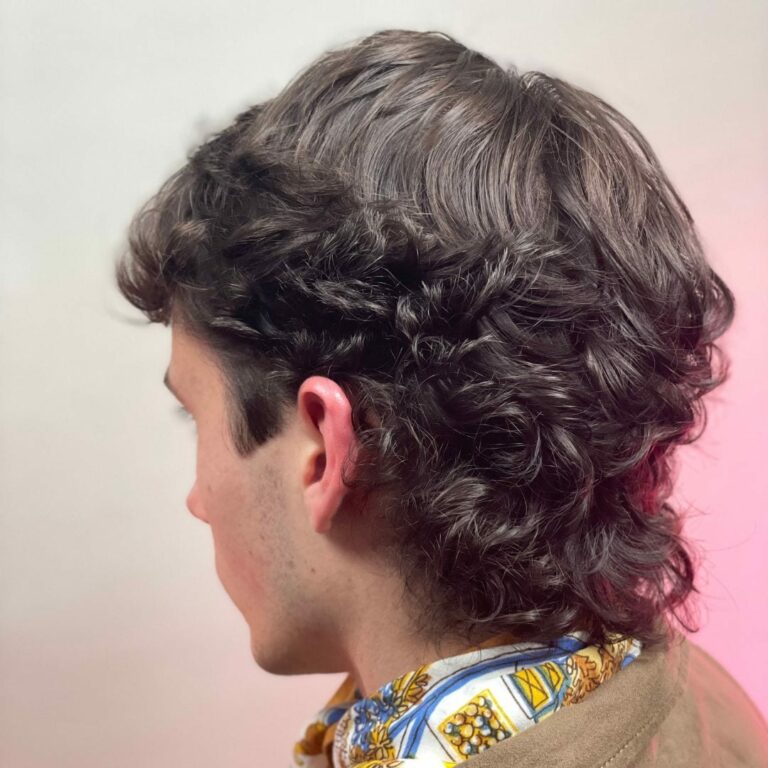
 What you'll learn
 What you'll learn
How to work in a circular motion with diagonal sections to add length to the back of the hairstyle.
How to control the layering by cutting the rounded and flat sections of the head differently.
How to carefully separate and maintain the length of the hair in the crown area.
How to flatten a rounded top and create a square shape by redirecting the strands.
How to use the pinching technique to add texture and elongate the neck.
How to refresh a hairstyle when a client wants to keep their current hair length.
Layering and texturizing are men’s haircutting techniques for medium-length hair that restore shape and movement to the style without cutting it shorter than the client desires. The course demonstrates how to take a style that has lost its shape—for example, six months after a buzz cut—and build a cohesive, masculine silhouette that highlights the hair’s natural movement and works with its structure rather than against it.
Kacper Orzechowski walks you through the entire process step by step: from consulting with a client who is afraid of a drastic cut, through the precise division into sections with the crown separated, all the way to the final styling. The entire cut of the sides and back is based on working in a circle with diagonal sections that create a silhouette that is shorter in the front and longer in the back. Kacper demonstrates how to consciously redirect sections from the curve of the head horizontally, and cut those from the flat areas vertically, to achieve full control over the layering.
In this course, you'll learn:
- Using a circular pattern with diagonal stripes as the foundation for creating a shape that is shorter in the front and longer in the back
- The difference between cutting the rounded and flat sections of the back of the head—when to cut horizontally and when to cut vertically
- Carefully separating sections of the crown to preserve its length and blend it into the overall shape of the haircut
- Flattening the rounded top (leftovers from a buzz cut) by combining two sections into one to create a square shape
- Finishing the neckline with a Chinese knife and creating a square shape that does not visually narrow the neck
- Style your hair using a diffuser to enhance its natural movement and curl without making it look frizzy
- Why the angle of the client's head is crucial for precise gradation and how to control it
After watching this course, you’ll stop seeing clients with longer hair as a challenge and start seeing them as an opportunity to showcase your craft beyond standard fades. You’ll learn to create cohesive, masculine styles that preserve length and highlight natural texture, earning the trust of clients who are usually afraid of scissors. This is a course for those who want to turn “just a trim” into a precise and profitable service in their salon.
What's inside
Full access to the course
 What's inside

Locating the center of the head for dissection
"The hand and the comb must meet in the middle at a ninety-degree angle."

Adjusting the cut to the shape of the head
"There's a curve here, and here we have a flat section. I'll trim the flat section as straight as possible."

Proper posture when cutting hair
"We have to stand parallel to our line, facing the lane we're taking."

Why do we reroute traffic from the roundabout?
"The hair in this area has a bit more of a struggle than the hair that grows on the flat part."

Connecting the crown to the sides
"If we cut diagonally here, we do the same at the crown."

The benefits of a square line on the back of the neck
"The square line is fixed, so the hair doesn't reflect natural growth."

Technique for creating a square shape
"If we cross the second strand over the first, it helps us lengthen the hair and create a square shape."

Finishing the line at the jaw
"I'll highlight it along the jawline, along the lower jaw."
 Frequently Asked Questions