Trichology consultation
 The result and the process
 What you'll learn
 What you'll learn
How to conduct a comprehensive trichological consultation with a client, step by step.
How to use a trichological camera for close observation, not for making diagnoses.
How to combine information from the interview with images of the scalp.
How to formulate working hypotheses instead of offering definitive opinions.
How to create a realistic action plan tailored to the client's capabilities.
Why is it important to distinguish between scalp care and hair care?
“`html
The Trichology Consultation is a course that demonstrates the complete, practical process of the first visit with a client experiencing scalp issues. Instead of dry theory, the material focuses on the interview as a key diagnostic tool—it teaches you how to ask the right questions, listen, and connect the facts to identify the true cause of oiliness, sensitivity, or hair weakness.
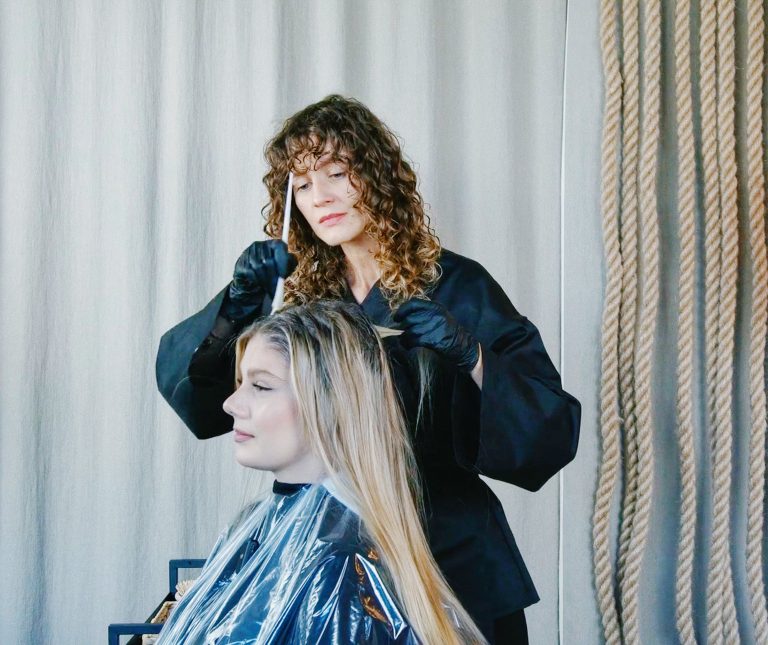
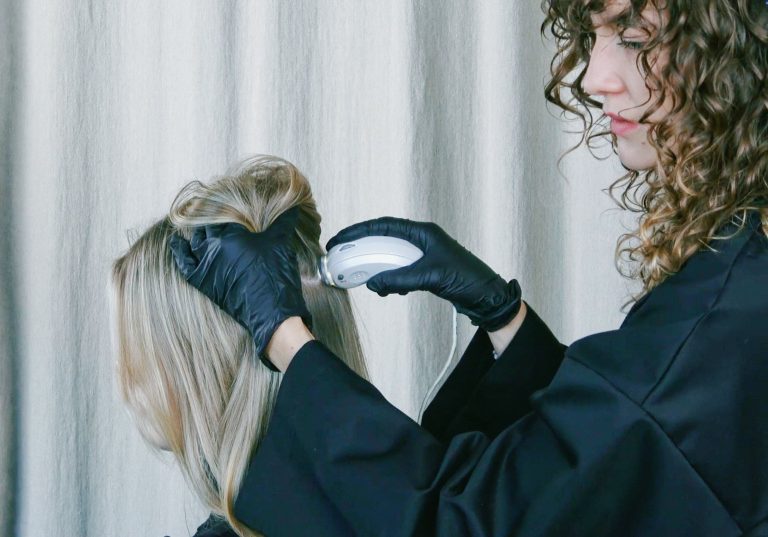
Magdalena Koc guides participants through the entire process using a real client as an example—from the initial question about the purpose of the visit, through an analysis of lifestyle and hair care, to an examination of the scalp using a trichological camera. The course demonstrates how to logically organize the collected information, distinguish primary symptoms from secondary ones, and formulate working hypotheses that lead to an effective action plan tailored to the client’s actual capabilities.
In this course, you'll learn:
- How to conduct a trichological consultation step by step—from setting the parameters of the visit to developing an action plan
- The art of asking open-ended questions that help the client describe the problem precisely in their own words
- How to integrate information about health, lifestyle, and hair treatments into a comprehensive diagnostic picture
- The practical use of a trichological camera for observation, rather than making hasty diagnoses—what hair follicles, blood vessels, and desquamation tell us
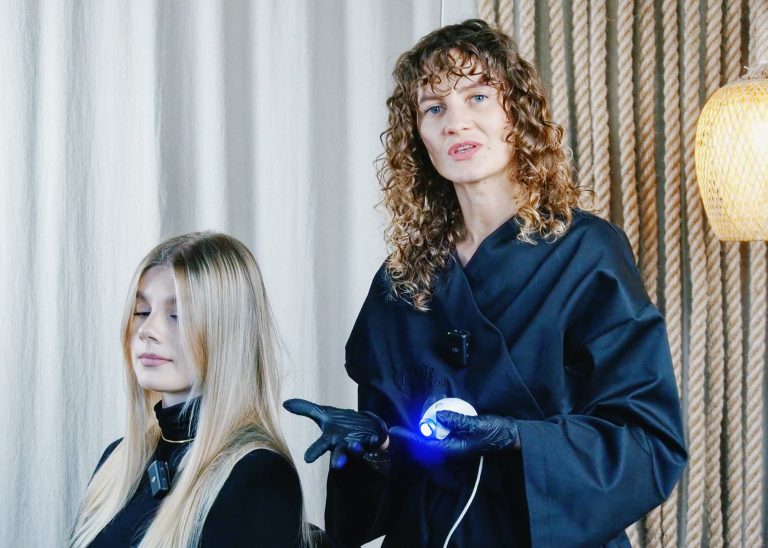
- Wood's light examination (blue light) to identify keratotic lesions and hidden seborrhea
- The key difference between scalp care and hair shaft care—when to cleanse and when to moisturize
- A way to convey your message to the customer clearly and simply, without overwhelming them with information or making promises you can’t keep
After completing this course, you’ll be able to conduct trichological consultations in a structured and confident manner. You’ll learn how to make an accurate diagnosis based on carefully gathered information, which will allow you to truly help your clients and establish yourself as an expert who addresses the root causes of problems rather than merely masking the symptoms.
“`
What's inside
Full access to the course
 What's inside

Don't overpromise to the customer
"It’s important not to promise too much, but to listen and explain for now."

How lifestyle affects oily skin
"Excess sebum production is often a reaction to things we do to ourselves."

The division of a hair into the living and non-living parts
"I generally divide hair into a living part and a dead part. The living part is the part that's in the scalp."

A camera is for observation, not diagnosis
"For now, I'm gathering information and telling the customer what I see on the camera. However, I don't make a diagnosis."

The Truth About Greasing Under Wood's Light
"Just from looking at the photo in this light, I could already tell that the problem is excessive oiliness."

A paradox: moisturizing oily skin
"I often advise people with oily scalps to moisturize their scalp."

The procedure should not be painful
"This treatment shouldn't be painful. The procedures shouldn't cause the client significant discomfort."

Trichology is all about the future of hair
"When you take a trichological approach, you influence how your hair will look in the future."
 Frequently Asked Questions