Curly mullet with a disconnect
 The result and the process
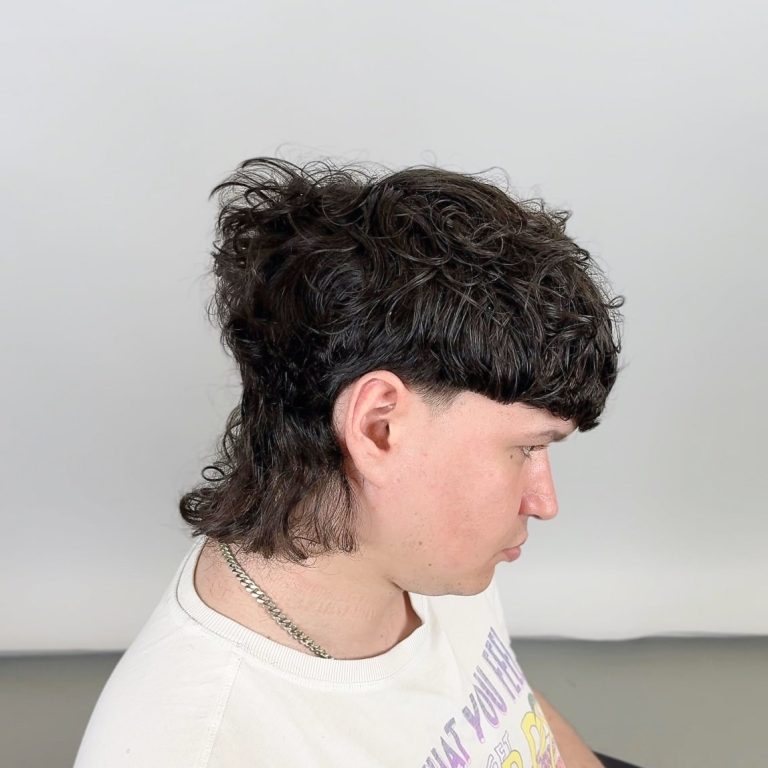
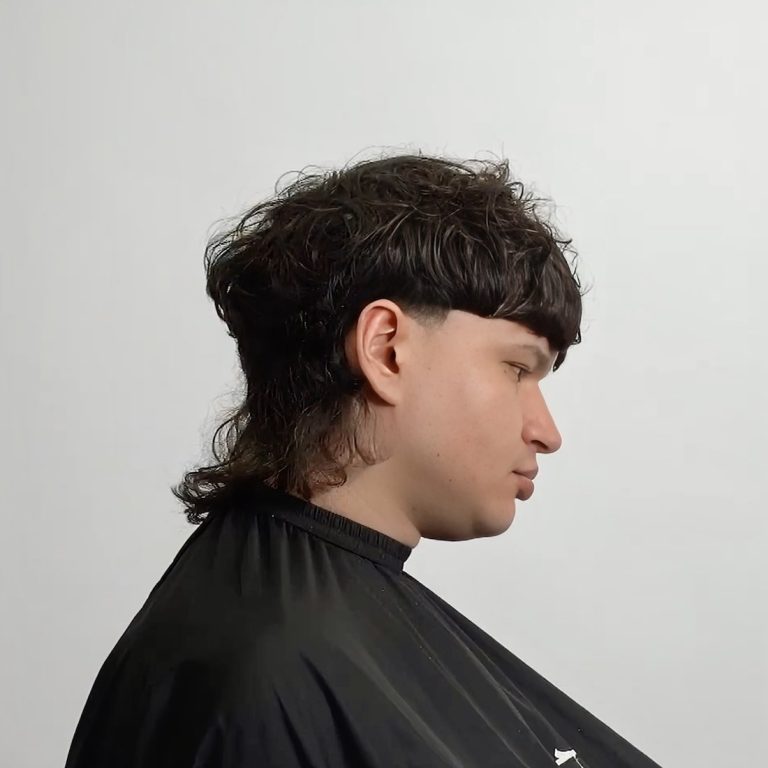
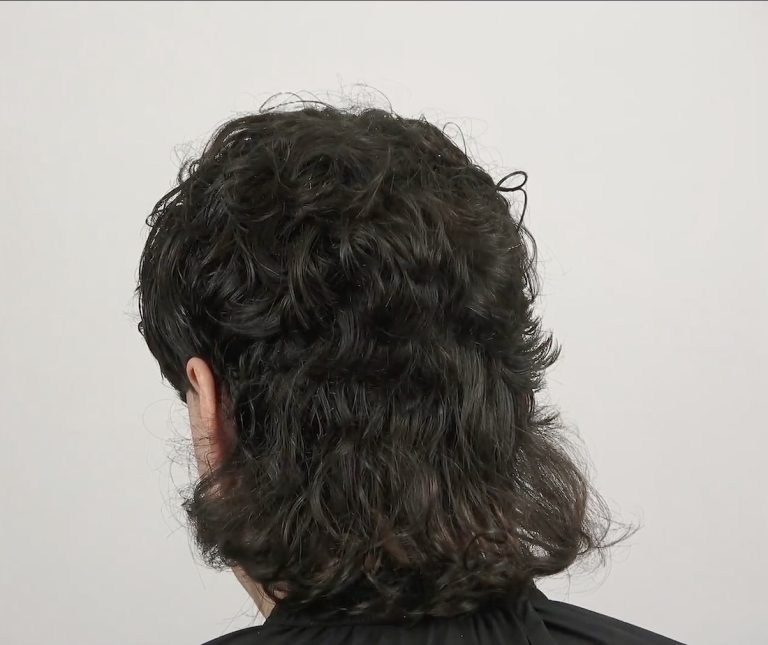
 What you'll learn
 What you'll learn
How to create a layered cut to give your curls a light, airy look without making them frizzy.
Why the separation between the nape of the neck and the back of the head makes it easier for the client to style their hair every day.
How to precisely taper the sides with a clipper, starting with a number-four attachment.
How to prepare the sides using the layering technique for perfect shading with a clipper.
How to cut and blend bangs with the sides using the line technique.
How to analyze head shape and hair texture before starting a haircut.
The Curly Mullet with a Disconnection is a modern men’s hairstyle that combines tapered sides, a long nape, and a heavily textured top built on a square layer. This tutorial shows how to transform heavy, frizzy curls that have lost their shape into a dynamic, easy-to-style everyday cut with a distinct separation between the nape section and the rest of the hairstyle.
Kacper Trzaskowski guides you through the entire haircut process, from a thorough analysis of head shape and hair texture to a simple division into four key sections. You’ll see how he deliberately builds a square layer at the back to remove weight and flatness at the crown, and then creates a deliberate disconnection between the occipital zone and the nape. The work on the sides involves preparing the hair with a gradient for precise clipper taping, which refreshes the shape without widening the client’s face.
In this course, you'll learn:
- The 90-degree square-layer technique, which reduces volume at the crown and gives the hair a light, airy look without making it look too puffy
- Deliberately creating a step at the occipital bone—why this is the key to a hairstyle that’s easy for the client to style every day
- The complete process of trimming the sides with a clipper: from the #4 attachment, through creating guide lines, to the final cleanup with a trimmer and contouring
- Using the side-gradation technique as a foundation for clipper shading – how to prepare the hair for a perfect taper
- A bangs cut using a circular line technique that naturally frames the client's forehead and allows for styling straight across or to the sides
- Step-by-step styling guide: from applying gel to wet hair, to drying with a diffuser on low heat, to finishing with hairspray for hold and texture
After this course, you’ll feel confident working with curly hair, turning its weight and volume into an asset. You’ll learn to use disconnection as a deliberate styling tool, and you’ll combine the square-layer and graduation techniques into a cohesive system that will allow you to create modern, personalized mullets that clients will love for their ease of daily styling.
What's inside
Full access to the course
 What's inside

Analysis of the bones prior to dissection
"I want to use them as a reference to determine whether I'm placing the sections in the right spots."

Choosing a square layer for curls
"Curly hair doesn't like to be weighed down, so we need to make it feel light."

The margin of the incision during dissection
"I'll trim right down to the occipital bone, and that's where I'll finish the haircut."

Joining the side to the square layer
"You must remember to connect to the square layer, not to the disconnection point."

Bang style - angled part
"In the middle of the head, the line must be lower, and as it extends backward, it must slope."

Connecting the top section to the side
"We will connect the side panel to the main body by drawing a line from the back section to the natural contour line."

Choosing the first attachment for the taper
"I start with a size 4 needle, because the length is practically determined by how close my fingers are to the fabric."

Workflow: shading and outlining
"I try to get to a certain point, sketch out the outlines, and only then move on to the next steps."
 Frequently Asked Questions