LOOK and beautyVISION trade fairs
 The result and the process
 What you'll learn
 What you'll learn
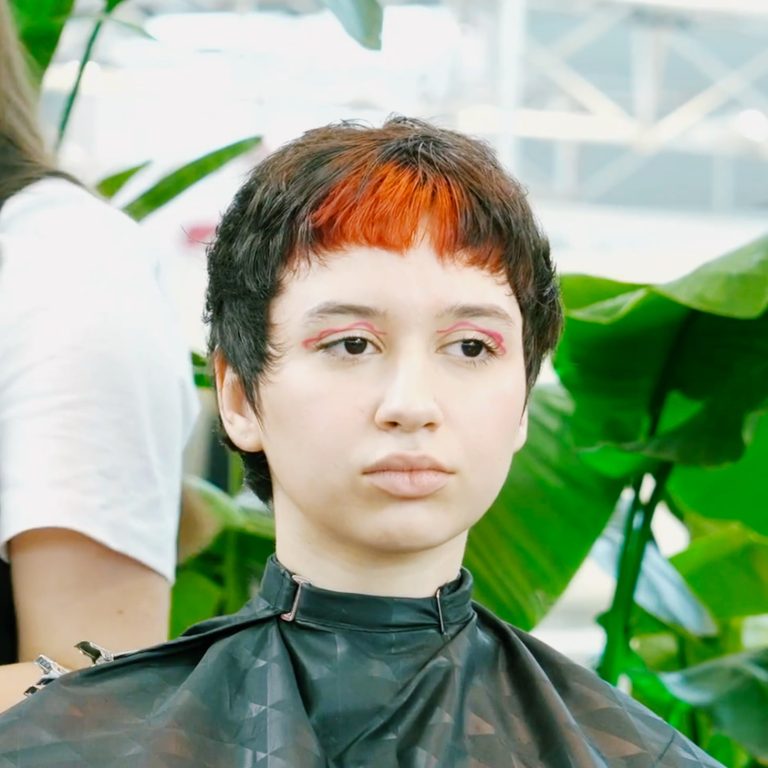
How to create a textured mullet using circular cutting and layering techniques.
How to perform a thorough analysis of the client's head before a haircut.
Why is it a good idea to combine layers at the back with side-swept layers in a single hairstyle?
How to use a low part to tame hair that sticks out on the sides.
How to correct a flat occiput using layering techniques and the appropriate projection.
How to use a Chinese razor to customize your hairstyle and add volume.
LOOK and beautyVISION – Day 1 is a unique recording of live shows from one of Poland’s largest hairdressing stages. See how four leading Connected Hair educators—Anastasiia Verbitskaya, Kacper Trzaskowski, Vadim Futowsky, and Kamil Cesarski—interpret trends and solve real-world problems on models’ heads in a trade show setting, without any cuts or touch-ups.
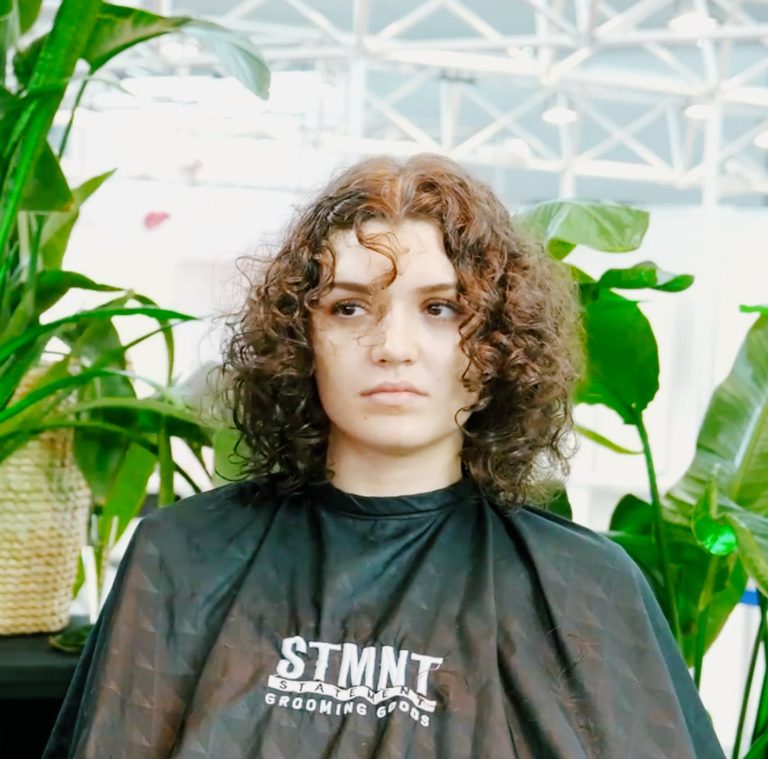
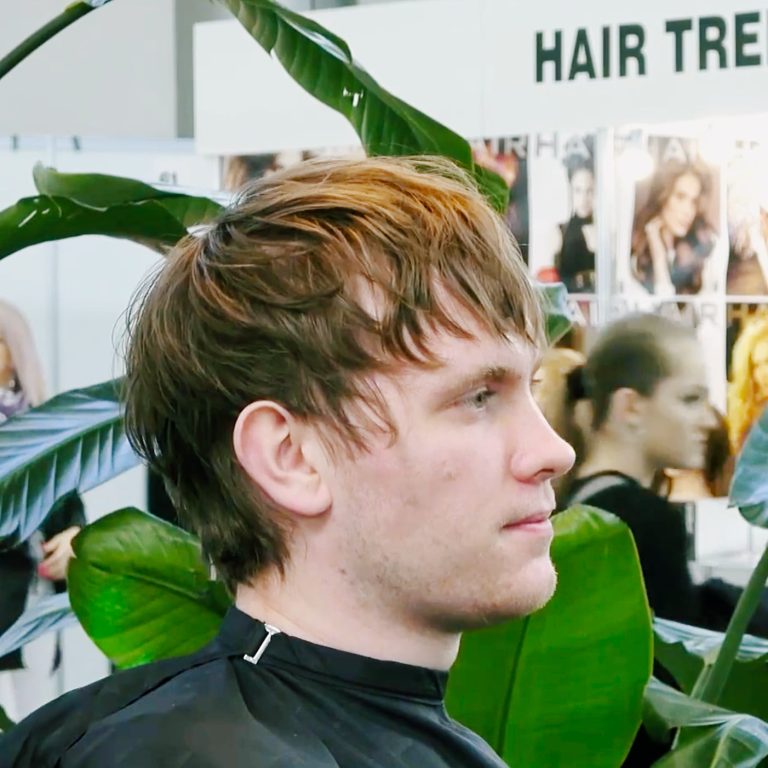
The article explores four distinct styling philosophies. Anastasiia Verbitskaya demonstrates how to create a textured mullet on natural waves, working with the breeze and creating movement with a circular motion. Kacper Trzaskowski conducts an in-depth analysis of the head, explaining why he chooses layers at the back and a gradient on the side to control flyaways. You’ll also see Vadim Futowsky’s work based on geometry and Kamil Cesarski’s disconnected square layers on curly hair.
In this course, you'll learn:
- Creating a textured spiral, using vertical separations and transforming it into a circular shape
- A comprehensive analysis of the client’s head—from facial shape and the occipital bone to the mastoid processes—and how to select techniques based on this analysis
- Practical guidance on when to use layers (lightness) and when to use texturing (control) in the same hairstyle
- The use of geometric shapes (triangle, circle, square) in men's haircuts to create a precise style
- The square-layer technique in disconnection as a way to define curly hair without losing length
- Styling with a diffuser to highlight natural texture and create volume
This course is for any hairstylist who wants to see how theory and precise techniques translate into practice in a dynamic, live setting. It’s an opportunity to observe, all in one place, the thought processes and techniques of four different experts who explain every move they make on stage, providing you with ready-to-use solutions for your salon.
What's inside
Full access to the course
 What's inside

Pattern for a textured mullet
"I'd like to add a little more movement, so I'm going to create a circular shape to achieve that effect."

Creating a circular shape at the top
"Use the redirect to create a loop in this section."

The most common mistake made by students
"This consultation, which is super important right at the start, well, it doesn't look good."

Choosing a technique: layers instead of gradients
"That's why we'll use the layer technique in this case. Why layers, specifically?"

Measuring the length at the back of the head
“If your fingers touch, it means it has to be cut off. And that hair will be our sign.”

How to deal with flyaway hair
"The easiest thing would be to mark a second cut and trim it to match the first one, but they'll start complaining."

Creating a triangular shape at the top
"We create a triangular shape by redirecting all separations to the first one."

Zone-based taper shading
"We must always divide our shading into light, shadow, and half-shadow."
 Frequently Asked Questions