Geometry and projections
 The result and the process
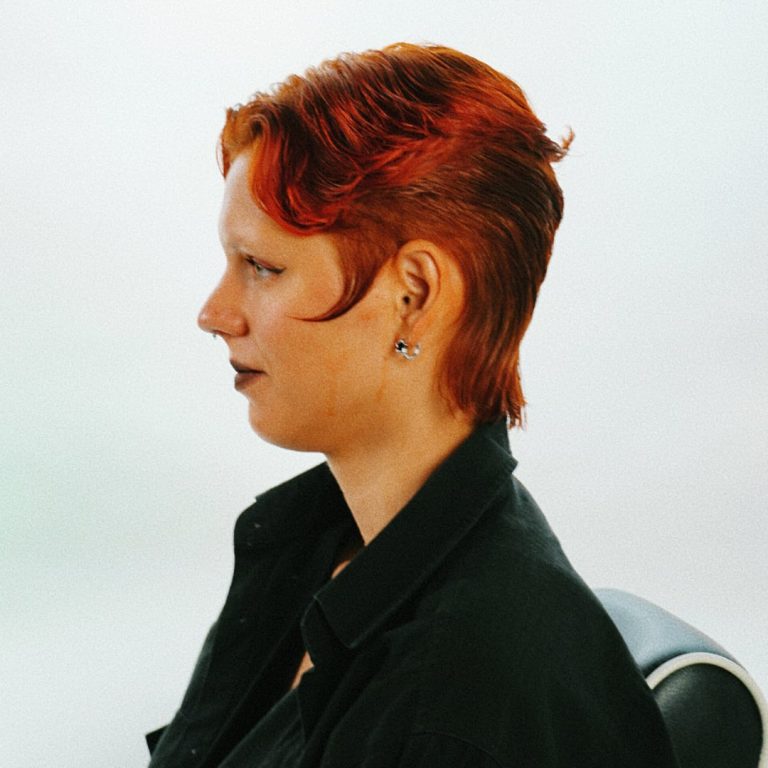

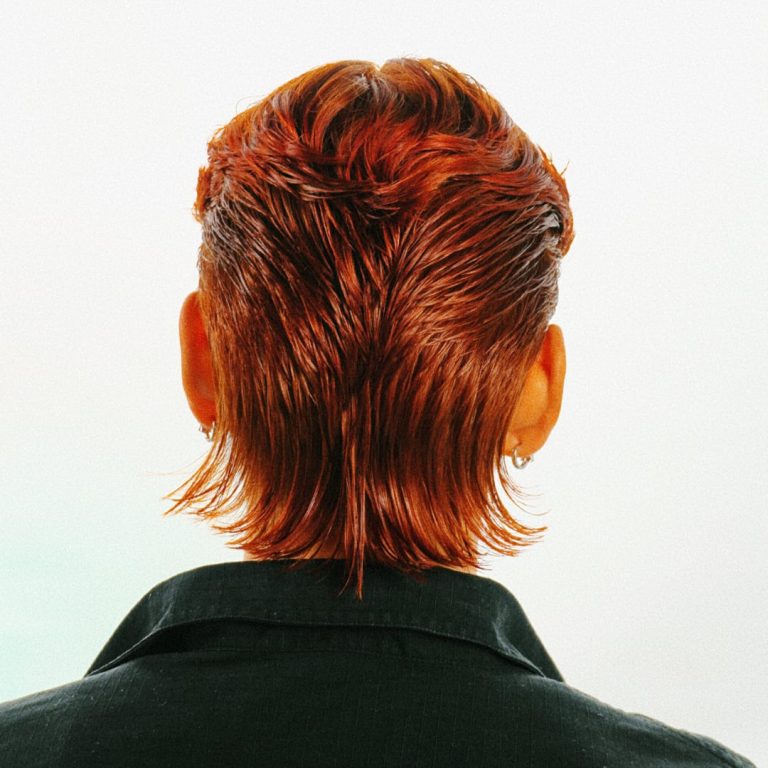
 What you'll learn
 What you'll learn
How to analyze the shape of the head in order to plan the entire haircut effectively.
How to build the shape by combining different geometries on the individual panels of the head.
How to intentionally use layering on the back of the neck and sideburns to create a light, airy look.
How to seamlessly connect the top panel to the side panel when working with gradients.
How to work on the top section of the triangle to create natural volume.
How to customize and soften the style of dry hair using the pointing technique.
The middle part is a haircut that only appears simple at first glance. In reality, its success depends on the deliberate use of geometry, projections, and disconnection, which together create a balanced, lightweight form. The course demonstrates how to approach the middle part systematically—as a universal technique for both women and men, where every angle and section division is a deliberate decision rather than a mere replication of a template.
Michał Daniel guides you through the entire technical process, from analyzing the head and dividing it into four distinct panels, to building the foundation on the back panel, all the way to joining the top to the sides and the final customization. A key element here is the deliberate use of disconnection—not as an effect, but as a tool to slim the form, give it character, and control the weight in the nape section and around the sideburns.
In this course, you'll learn:
- Building the shape step by step using three geometric shapes: a vertical triangle and a horizontal circle at the back, and a triangle and a square on the sides
- The deliberate use of layering in two key areas—the nape and the sideburns—as a way to add lightness and character
- Work on the top section, shaped like a horizontal triangle, to naturally add volume at the parting
- The technique of joining the top panel to the side panel in a large, horizontal section using gradation to achieve a smooth transition
- Principles for building the foundation of a hairstyle starting from the back section and carrying the length to the sides as the starting point for the overall shape
- Dry personalization – softening the ends and weight lines using pointing without altering the established shape
- A complete styling routine for a dewy, "runway-ready" look using a toner, a shine-enhancing product, and a finishing spray to set the details
After this course, you’ll start to view the middle part not as a single hairstyle, but as a geometry-based system that you can adapt to different hair lengths and types. You’ll learn to consciously direct weight, use disconnection to build the character of the hairstyle, and control the entire form from the foundation to the final details, transforming random movements into precise, technical craftsmanship.
What's inside
Full access to the course
 What's inside

Problem Analysis - Excess Weight
"There's a lot of weight on the side panels. The fringe is too long; it doesn't look balanced to me."

The crucial role of length selection
"Choosing the right length is one of the most important things. We can use cool techniques, but if we choose the wrong length..."

Rule of thumb: don't cut without a baseline
"Listen, here's the main rule: if we can't see the baseline, don't make the cut."

Connecting the side panel to the back
"You can see the last section of the back panel in my fingers, and that will be my guide."

Planning the geometry of the side panels
"I will move in a triangular pattern, both vertically and horizontally, to form a square."

Creating a triangle on the top panel
"Now I'm going to pull separation number one toward separation number two."

Creating a layered look with bangs
"We have a section where two segments are visible: one disconnected and the other connected to the rest."

Personalization - easing the burden
"I'll start by addressing the tension that builds up in the upper back of my head."
 Frequently Asked Questions