Mod Cut
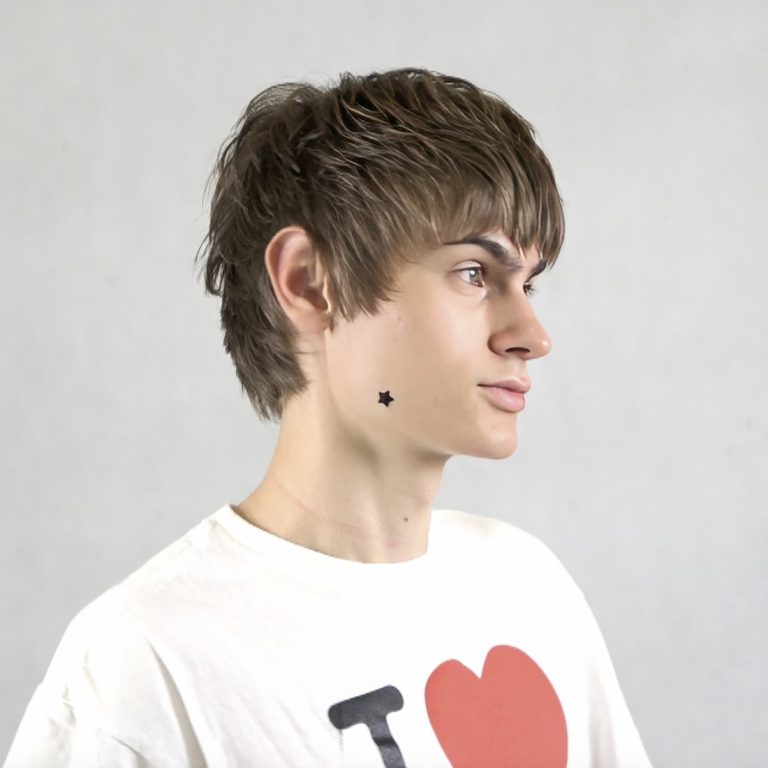
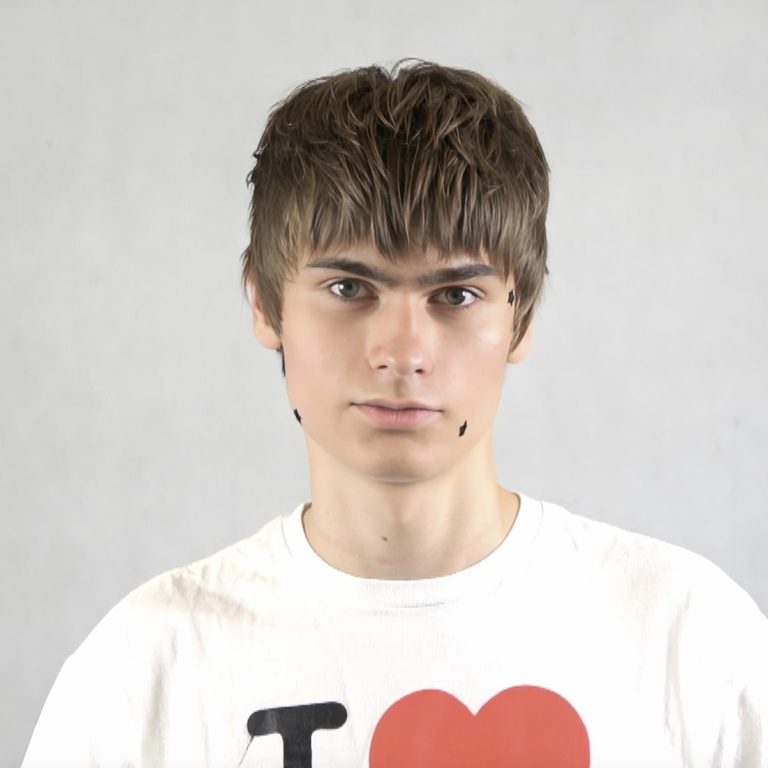
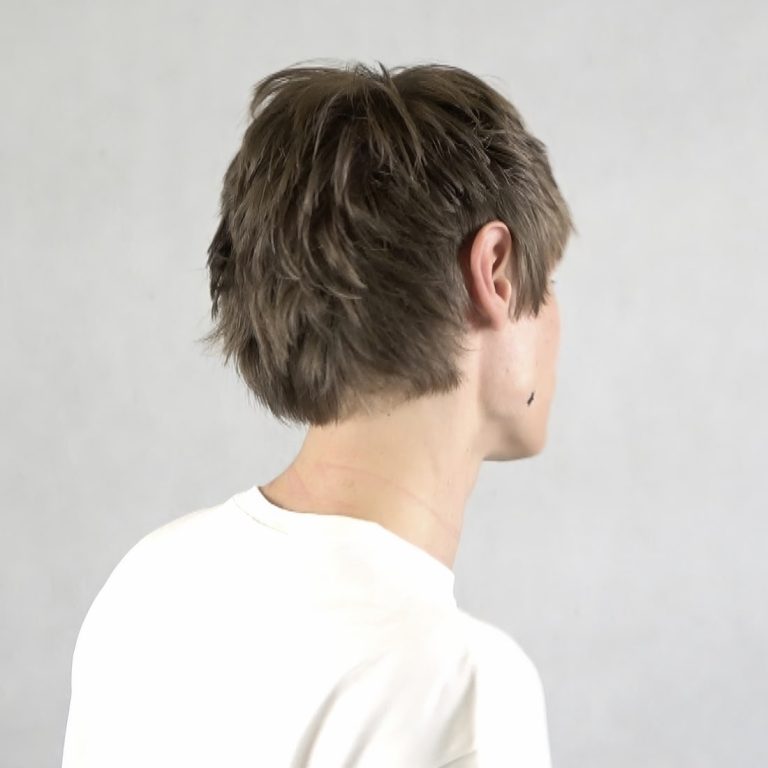
 The result and the process
 What you'll learn
 What you'll learn
How to style your hair from the outer edges inward for greater control.
How to use a Chinese knife to create soft, natural contours.
How to use a pivot at the back of the head to replicate the natural shape of the head.
How to seamlessly blend the back section with the bangs without creating a visible break.
How to create triangular layers on the sides to reveal the ear.
How to style your hair dry using the pointing technique to add texture.
The Mod Cut is a modern take on a men’s haircut featuring longer bangs that fall over the forehead and elongated sections on the sides and back. The course demonstrates a safe and repeatable process for creating this popular style on thick, longer hair. Instead of the classic “shape first, then contours” approach, the technique reverses the order, giving you full control over the final result from the very beginning.
Vadim Futowsky guides you through the entire process step by step, starting with his signature approach—building the hairstyle from the outer contours inward. You’ll see how he uses a Chinese razor to create a soft base, then moves on to working with a pivot at the nape of the neck, building layers that mimic the natural shape of the head. The whole look is logically connected to the fringe line, which serves as a reference point for the entire top section.
In this course, you'll learn:
- A safe approach to styling hair, from contours to shape—why reversing the order gives you more control over the final result
- Use a Chinese razor to create soft, natural contours and a ragged effect right from the start of the cut
- Creating shape at the back of the head using the pivot method (radially), where each section is cut in place, following the shape of the head
- A seamless transition from the back section to the fringe, serving as a reference point for the entire top, without the risk of creating a disconnect
- Creating vertical layers on the sides to reveal the ear without losing length or disrupting the flow to the back
- Deep point cutting on dry hair as a way to break up the lines and add movement to the hairstyle without disrupting the established shape
- A minimalist finishing look using only powder and your hands – how to teach a client to style their hair in 30 seconds at home
After this course, you’ll be able to confidently create longer men’s styles by reversing the traditional order of steps to gain greater control over the final result. You’ll learn how to use a Chinese razor to create softness from the very beginning and how to customize dry cutting so that your client can easily style their hair at home using just powder.
What's inside
Full access to the course
 What's inside

The safe order: outlines first
"I'll show you a safe way to do this hairstyle; I'll start by outlining it."

Adjustment of the cutting angle when tilting
"Because the head is tilted, I don't cut at a 90-degree angle, but rather in a slightly rounded shape."

How to determine the cutting direction
"If I feel lost, all I have to do is place a comb on my skull—it shows me the way."

The texture paradox - a soft effect
"It's supposed to be textured, but it actually creates a smooth, soft effect because the strands blend together."

Using a mirror to check your direction
"Through the mirror, I can always see the direction of the strands and the direction in which I'm pulling them."

The triangular-layer technique on the sides
"When cutting the triangular layers, I'll start from the center and cut each strand at the same spot."

Visually lengthening sideburns by trimming
"I want to trim it here to make the sideburns look longer, because if I lift it up, it'll look bigger."

Pointing – How Not to Ruin the Shape
"I go in pretty deep, but not at a sharp angle, so as not to ruin the shape, but just to add texture."
 Frequently Asked Questions