Mullet Side Part
 The result and the process

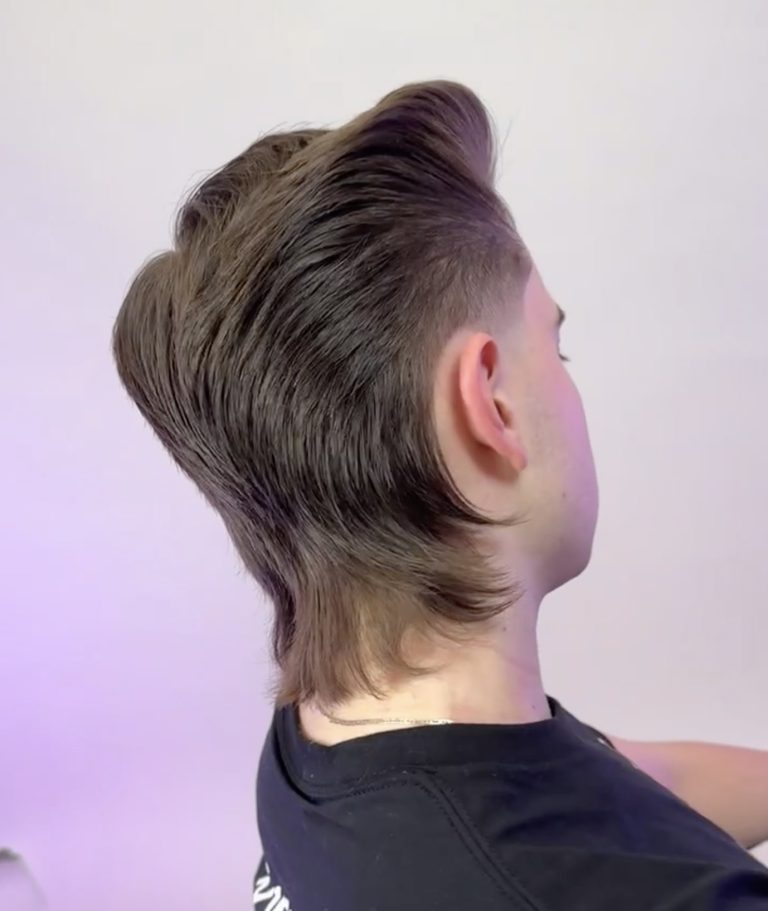
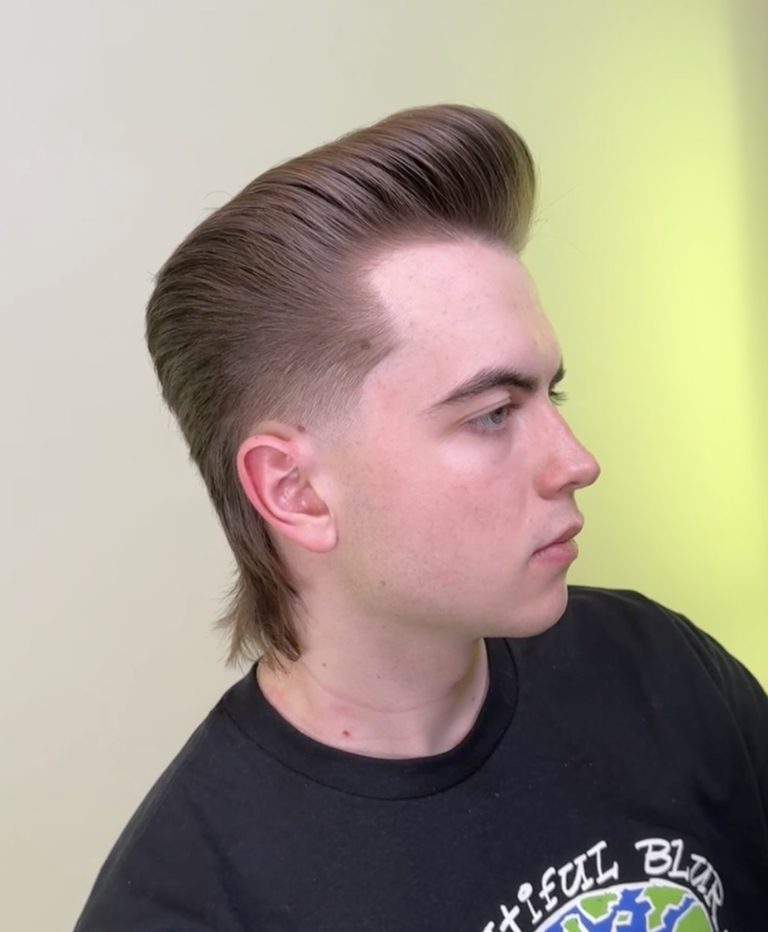
 What you'll learn
 What you'll learn
How to create a horseshoe part and a memory band as the foundation of your hairstyle.
How to build a square upper body shape by focusing on chest development.
How to style your hair into a triangle shape while intentionally keeping it long at the nape of the neck.
How to create a precise taper fade and blend it seamlessly into a longer style.
How to intentionally create a step cut in the bangs to achieve a heavier front.
How to add texture to thick hair with tempera to give your hairstyle a light, airy look.
The Mullet Side Part is a modern take on the classic mullet that combines three seemingly incompatible elements: length retained at the nape, a precise taper fade at the temples, and the classic elegance of a side part. This course shows you how to master these contrasts and create a hairstyle that is bold, technical, and fully wearable every day—even on thick, hard-to-style hair.
Paweł Pollheimer guides you through the entire process, starting with the fundamental decision regarding the shape—round horizontally and square vertically. Step by step, he shows how to mark a horseshoe-shaped part from the crown, determine the base length using a single reference strand at the nape of the neck, and then build the entire style around that single decision. The work on the sides and back relies on redirecting the strands into a triangle to consciously preserve length at the nape, while the top is built into a disciplined, soft square.
In this course, you'll learn:
- Marking a horseshoe-shaped part from the crown and defining a memory line at the nape of the neck as the foundation of the entire hairstyle
- The technique of redirecting the panels into a triangle to join the sides to the back without losing the characteristic length at the nape of the neck
- Building a mountain in the shape of a soft square – vertical work involving lifting to the chest and consciously softening the corners
- Creating a deliberate disconnect – how to leave longer, heavier bangs that don’t blend into the sides, giving the hairstyle some character
- The complete process of creating a taper fade at the temples: from cutting with a clipper fitted with a #4 guard to blending with #3.5, #2.5, and finer guards
- Working with tempera on thick hair to lighten the form without damaging its structure or shape
- The final look features a side part, achieved using a matte pomade and a hairdryer on high heat to add volume to the bangs
After this course, you’ll feel confident tackling modern takes on the mullet, transforming this trendy but often chaotic style into a precise, repeatable service at your salon. You’ll learn to master the interplay between length, layering, and classic styling, offering clients a hairstyle with character that’s also technically flawless.
What's inside
Full access to the course
 What's inside

Finding a partner to split the bill with
"Right from the start, we'll be looking for a breeze that will allow us to separate the rear section from the top section."

Creating a memory band on the back of the head
"And I will follow this line at the same height from the posterior occipital region through the lateral region."

Determining the height of a taper fade
"We can see where the top curves, and that's the height I'll be working at on the machine."

Creating a square shape at the top
"If I were to extend the shape strictly to the chest, we would be creating a square shape."

Creating a soft square at the top
"We won't make it strictly square and flat, but rather a soft square."

Working outdoors to maintain length
"Starting from this point, we'll work outward to create a longer shape on the back of the neck."

Softening the top line with tempera
"I'll be working with tempera, and by pulling out strands every centimeter, we'll gently soften that line."

Start the taper fade with a #4 attachment
"To start with, I'll use a number-four attachment to easily blend the short hair with the longer strands."
 Frequently Asked Questions