Sharp Wolf Cut
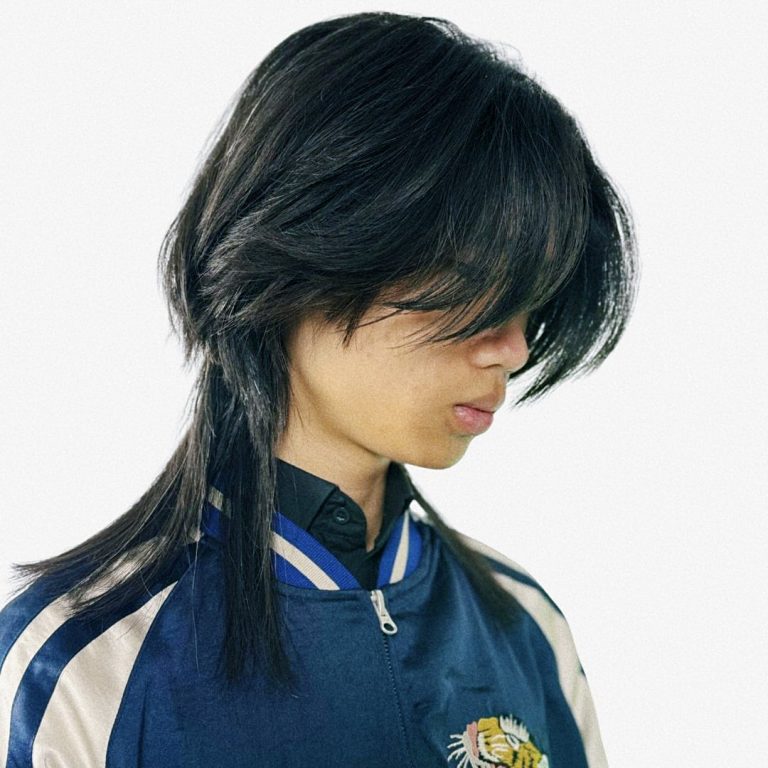
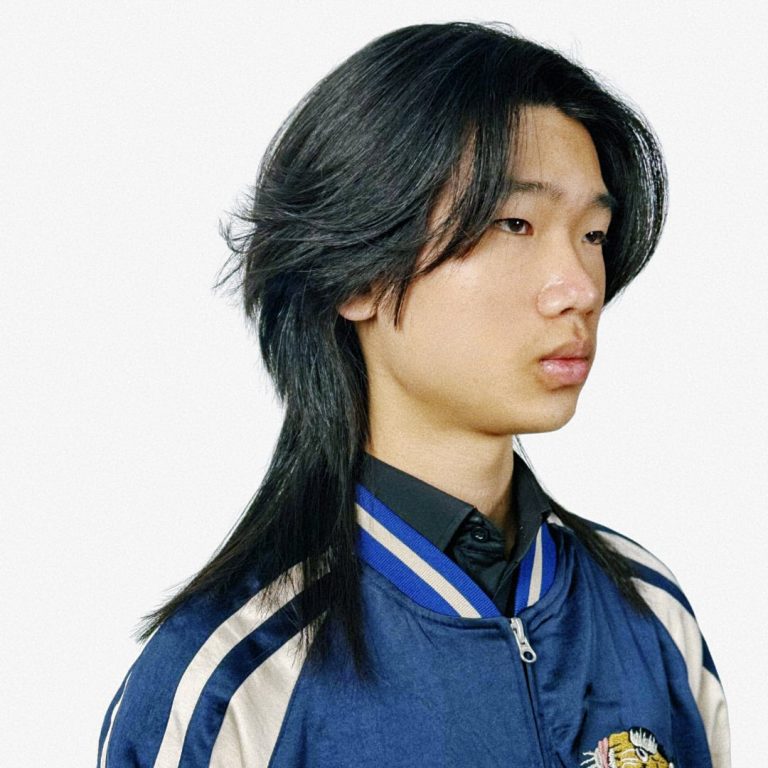
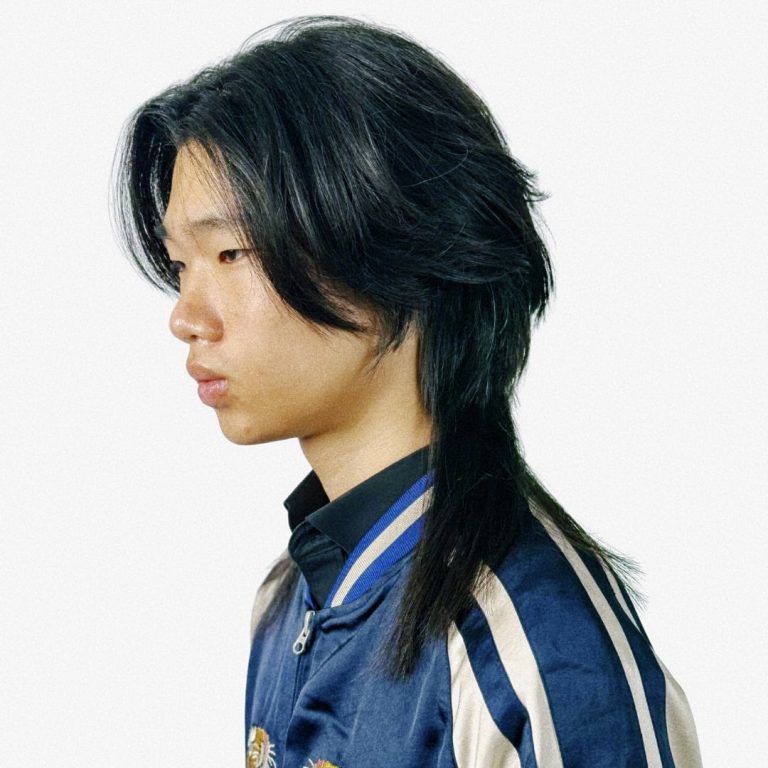
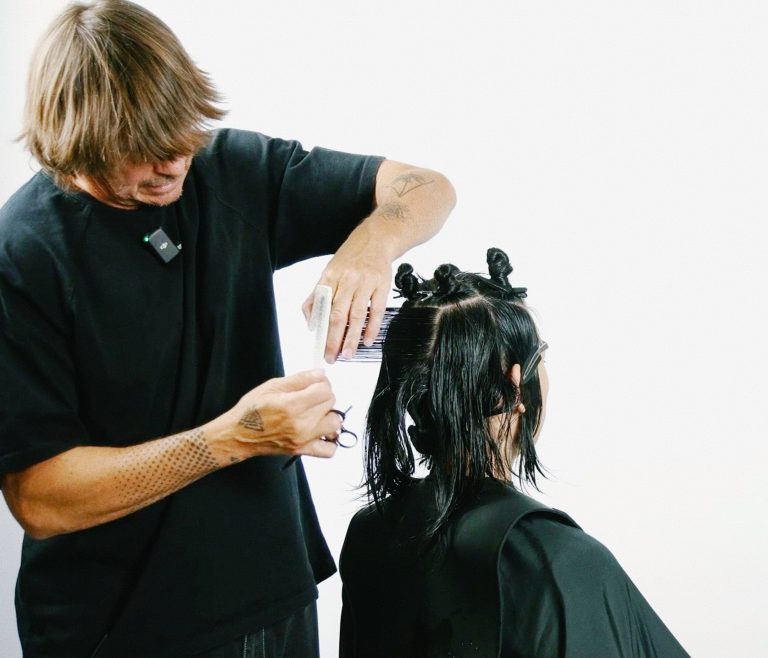
 The result and the process
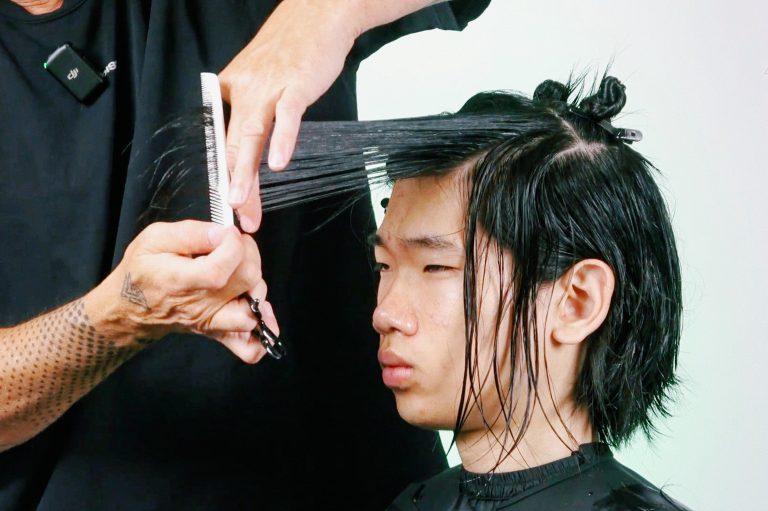
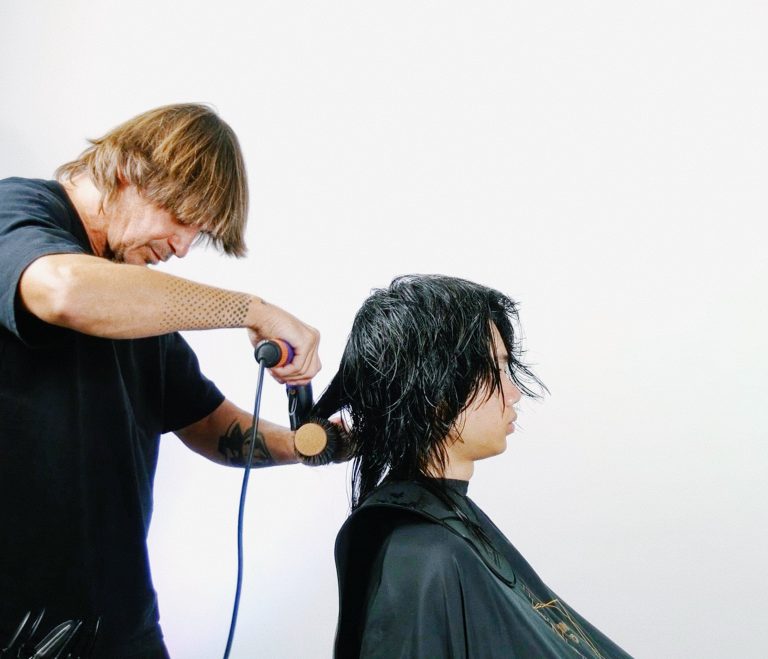
 What you'll learn
 What you'll learn
How to build a well-defined physique using a square-shaped workout plan to achieve a masculine physique.
How to cut the sides diagonally, following the brow bone and cheekbone.
Why build the basic shape first and leave the texturing for last?
How to use redirects to build volume without creating soft layers.
How to control your body position to ensure a precise cut.
How to use a point cut at a consistent 45° angle to achieve a uniform texture.
The Sharp Wolf Cut is an alternative, bold take on the classic men’s wolf cut, built entirely on a square shape rather than soft layers. This tutorial shows how to create an aggressive, masculine style on long, straight hair with strong disconnection—a look that is controlled and repeatable, rather than randomly ragged.
Kamil Cesarski walks you through the entire process on thick, straight Asian hair—a hair type that doesn’t forgive mistakes. You’ll see how he builds the foundation from the maximum length at the back, then creates a square shape on the upper occipital region and the top of the head. Kamil deliberately saves texturing for the very end, first building a clean shape with a tempo cut and a point cut at a constant 45° angle to avoid the most common mistake in wolf cuts—a form that’s too soft and “feminine.”
In this course, you'll learn:
- Style the entire cut into a square shape—from a straight line at the back to a square top and nape—to maintain the masculine character of the hairstyle
- The sides are cut diagonally along the line of the eyebrow arch and cheekbone to contrast with the square shape of the rest of the hair
- The “shape first, texture second” principle – why Kamil avoids texturing while cutting and opts for a point cut at a consistent 45° angle
- Work with redirected strands to build volume along the natural curves of the head without creating soft, rounded layers
- Body position control as a guarantee of form—why “chest facing the line” and an overhand grip are key to proper form
- Two variations of straightening styles: from an avant-garde look with a visible break to a commercial style that blends the top with the back
After this course, you’ll be able to confidently create wolf cuts with a strong, masculine character, avoiding the pitfalls of random choppiness and overly soft lines. You’ll learn how to turn this seemingly avant-garde hairstyle into a controlled and repeatable service that will set you apart when working with men’s long hair.
What's inside
Full access to the course
 What's inside

The foundation of disconnection—a straight line
"First, I just want to cut it straight across, without any layering."

The classic bob haircut technique
"If we are right-handed, we cut the back while standing on the left side."

Angle correction - purely vertical separation
"It can't be slightly diagonal; it has to be perfectly vertical—that is, a very vertical separation."

Preserving memory lines during redirection
"I make sure not to overload the memory lines, because that would distort the shape."

Matching your bangs to your hairline
"The sharper the bends, the greater the detour will have to be."

A fixed angle for a consistent texture
"By changing the cutting angle, we'll also be changing the texture."

Pay attention to the density when joining sections
"The hair here isn't always the same thickness, so we can lose a lot of volume."

The Philosophy Behind the Men's Wolf Cut
"The point is that the wolf cut should have that element of an aggressive look."
 Frequently Asked Questions