Textured Middle Part
 The result and the process
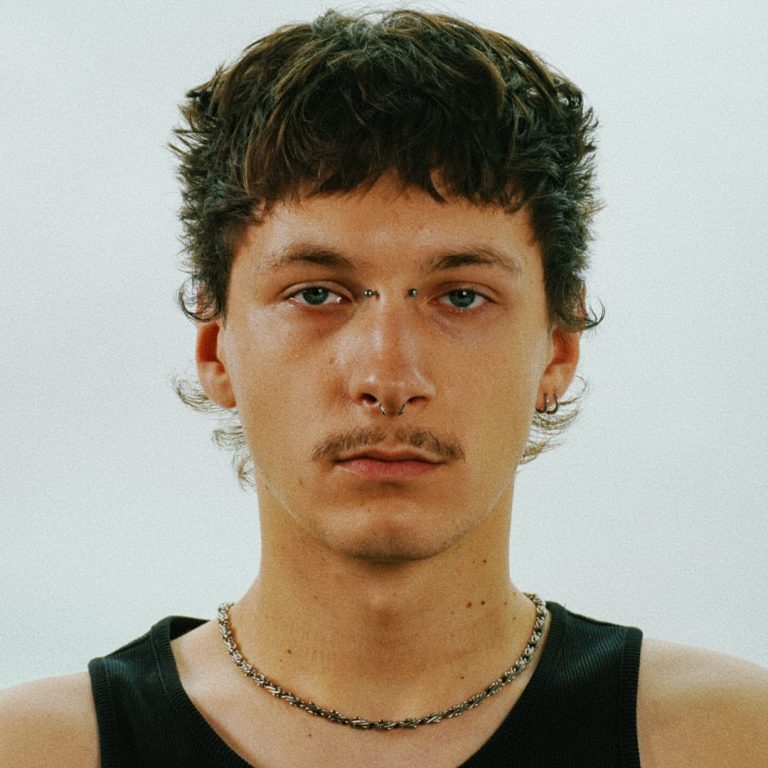
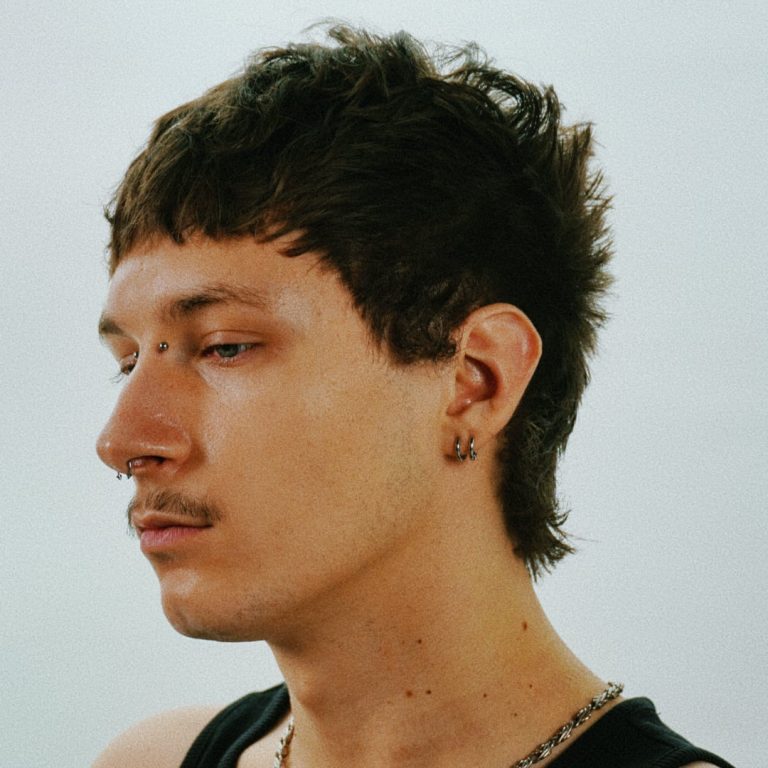
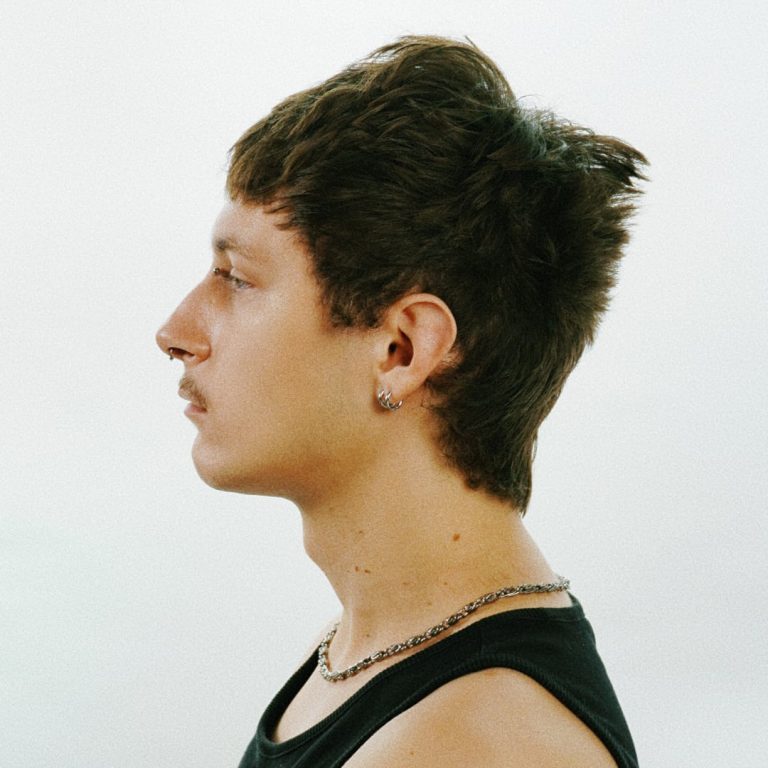
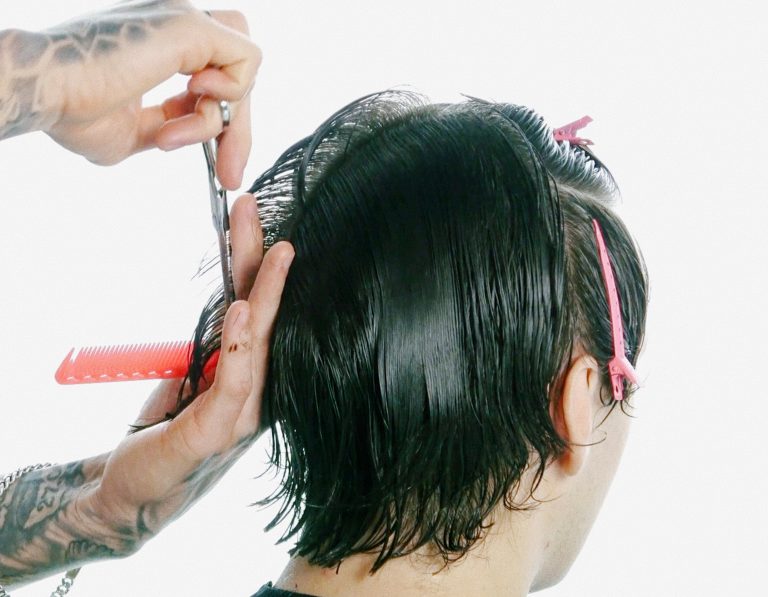
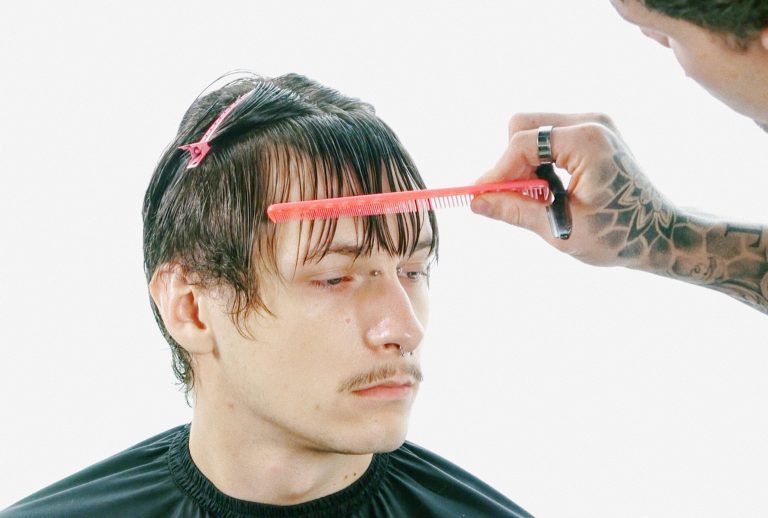
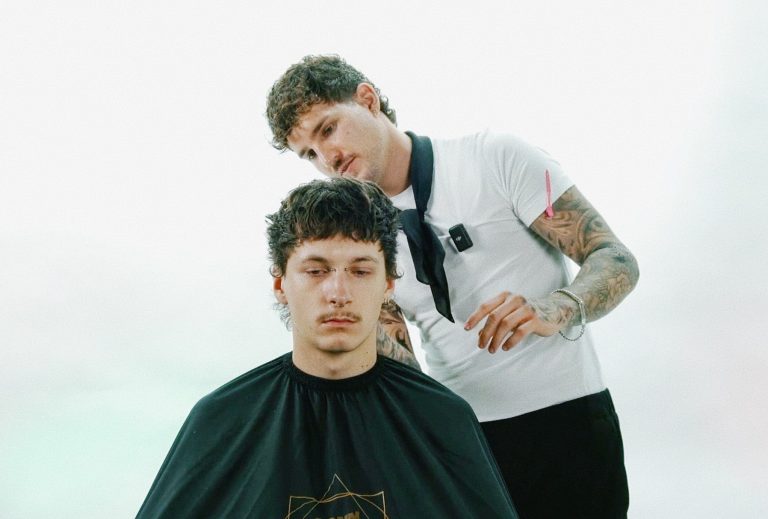
 What you'll learn
 What you'll learn
How to create the foundation of a hairstyle through controlled layering at the back of the head.
How to work on the sides in vertical splits, selectively reducing the weight.
Why you should leave the sideburns untrimmed to preserve the style of the haircut.
How can I combine a vertical circle with a horizontal square at the top?
How to treat a stiff neck using a Chinese knife.
How to extend the length from the back to the sides, creating a seamless line.
The Structural Middle Part is a technical take on the classic center part that transforms a shapeless mass of hair into a deliberately designed silhouette. The course demonstrates how to regain control over a hairstyle that has lost its definition and begun to widen the client’s silhouette, giving it clean lines, proportion, and lightness without sacrificing visual density.
Michał Daniel guides you through the entire process of shaping the cut step by step: from dividing the head into key sections (lower and upper occipital regions, sides, and front), through establishing the baseline, to introducing controlled layering in the occipital area. The sides are worked in vertical sections, where length is carried over from the back, and volume is selectively reduced to avoid a “helmet” effect and give the overall style a sleeker silhouette.
In this course, you'll learn:
- Creating a foundation at the nape of the neck: from a clean baseline to a controlled gradient that adds lightness to the entire silhouette
- Working the sides in vertical divisions with length transfer at the back – how to selectively reduce weight without losing density
- Deliberately leaving sections of hair undone – when and why it’s a good idea to leave part of your hairstyle undone to preserve its character
- A top cut combining two shapes—a vertical circle and a horizontal square—to create a bold, aggressive line
- Smoothing out a step at the nape of the neck using a Chinese razor – how to seamlessly blend two different lengths without a visible cut
- Adjust the length of the bangs so that they complement the shape of the hairstyle and blend visually with the sideburns
- Spot texturizing that enhances movement and the hair’s natural fall without compromising the previously created shape
This course is designed for hairstylists and barbers who want to create a middle part in a technical and fully controlled manner. After watching the material, you’ll be able to consciously manage the shape, balance, and proportions of a hairstyle, and you’ll turn weight reduction and working with the hair’s natural fall into precise tools for building a clean, structured form.
What's inside
Full access to the course
 What's inside

Layout for a square shape
"I'd like to bring out the most square, bold shape possible here."

Length marker on the back of the head
"This will serve as my length marker and the point where it separates from the neck section."

The principle of finer separations
"I always prefer to use two thinner separators rather than one thicker one."

Decision to resolve the disconnection
"I think we'll thin it out a bit, because I think it's going to turn into too big a blob."

The technique of extending toward the face
"If I sweep the bangs to the side, it'll create some length toward my face, which will look great."

Choosing a Chinese hair clipper
"I need a lot of texture here, an irregular finish, and a cool, rugged look."

Maintaining a sharp corner
"I want to keep that sharp corner, so I'll extend them at a ninety-degree angle."

Work Philosophy - Take a Break
"To really take the time to look at these hairstyles, so as not to get caught in a cycle of 'next one, next one.'"
 Frequently Asked Questions