Textured Taper Mullet
 The result and the process
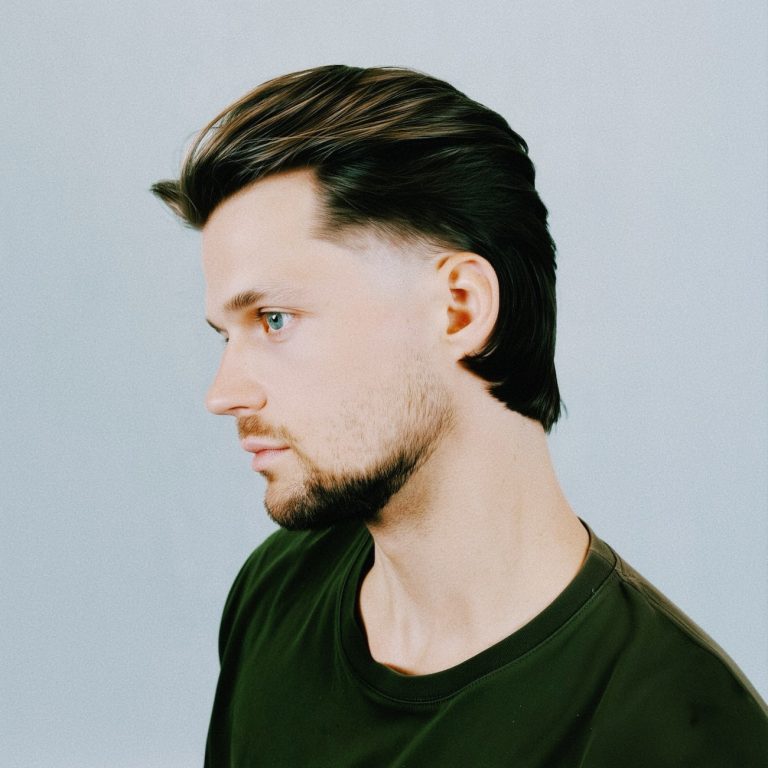
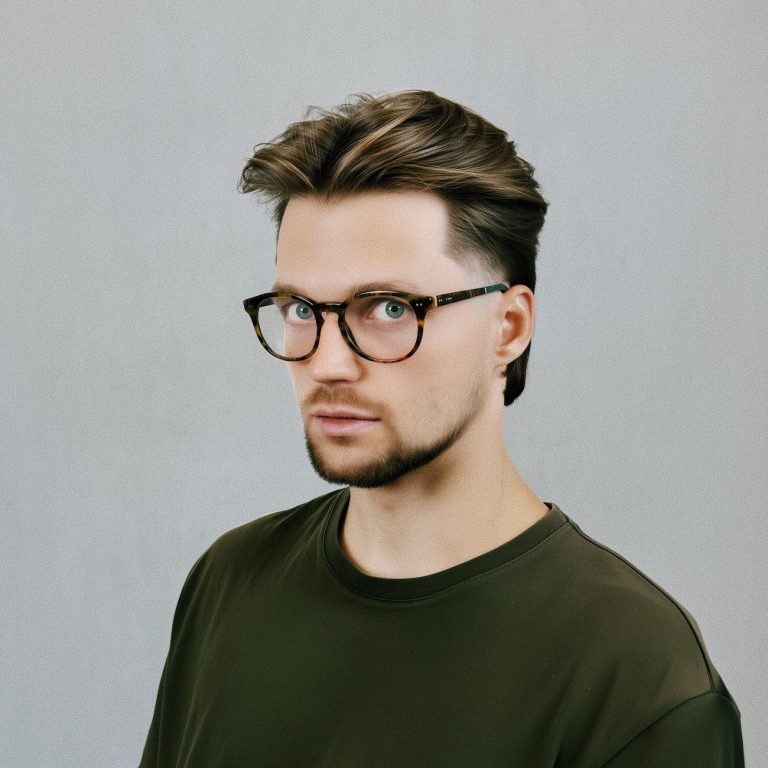
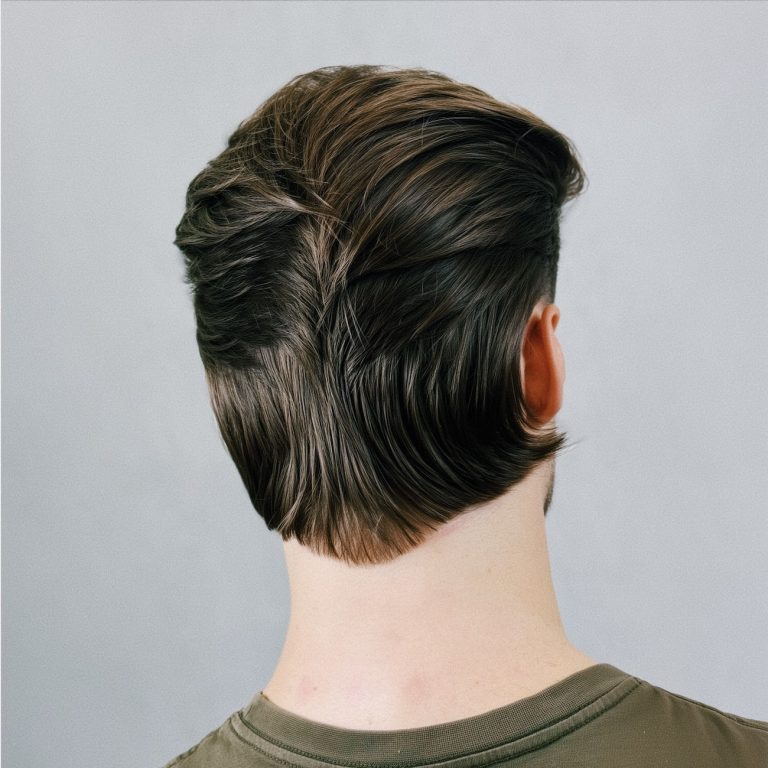
 What you'll learn
 What you'll learn
How to use a Chinese knife to achieve a soft, malleable texture.
How to create a square shape at the back of the head to add volume.
How to create a deliberate contrast between the top and the sides of your hairstyle.
How to create a low taper with an aggressive transition using clippers.
How to adapt the parting and the shape of the cut to the client's head shape.
How to control the tension of the blade and the cutting angle when cutting with a knife.
The Textured Taper Mullet is a modern, commercial take on the classic cut, combining the softness and movement achieved with a Chinese razor with the precision of low tapers at the front. The course demonstrates how to transform the classic form into a hairstyle with strong texture, natural volume, and deliberate disconnection that is easy for the client to style on a daily basis.
Kamil Cesarski guides you through the entire haircut creation process, starting with an analysis of the head shape and adjusting the sections to the client’s anatomy. Step by step, he demonstrates how to build a square shape in the lower occipital area to create volume, and then work in a circular motion on the upper section, combining horizontal and vertical sections. A key element is working with the Chinese razor—from controlling the tension of the strand to the angle of the cut—to achieve the characteristic softness and fluidity of the form.
In this course, you'll learn:
- A step-by-step guide to Chinese knife work – how to control the angle and pressure to achieve soft, malleable tips without losing control of the shape
- Creating a square shape at the back of the head, with one section swept to the side to add volume on the sides
- I worked on creating a square shape at the top, sweeping all the strands back to create a deliberate contrast with the sides
- The complete process of creating low tapers at the front: starting with a 3 mm attachment, through an aggressive transition with a 1.5 mm attachment, and finishing with a trimmer
- How analyzing a client’s natural hair texture and skull shape helps in designing a hairstyle that is easy to style
- Guidelines for styling bangs and customizing your haircut using a deep-channel cut for a perfect fit to your face
- The correct position of your body and hands so that your hair falls in the desired direction right away, minimizing the need for adjustments
After this course, you’ll be able to use a Chinese razor with confidence—not just for texturizing, but for shaping the entire haircut. You’ll learn to control disconnection as a compositional element and create modern, textured mullets that combine the precision of tapers with organic, natural movement in the hair on top and in the back.
What's inside
Full access to the course
 What's inside

Analysis of the client's skull shape
"Whenever I start a project, I always begin by analyzing the shape of the skull."

The key principle of knife work
"Don't move the hand holding the strand; keep it in the same place the whole time."

The volume-building effect of a square
“Look at the weight here, and look at the weight here. This volume comes together very naturally.”

The Philosophy Behind Haircutting
"I always try to cut hair in a way that makes it easy to style later."

The safety margin principle
"I always leave a little leeway to account for the fact that the hair will spring back a bit."

An aggressive transition during tapering
"An aggressive transition from a 3mm to a 1.5mm bit. A very strong wrist movement."

Matching your facial hair to your hairstyle
"I never leave my facial hair untrimmed. I always style it to match my haircut."

Final styling of the hairstyle
"This is pure customization, which will allow us to tailor this hairstyle to our model."
 Frequently Asked Questions