Triple Disconnect Mullet
 The result and the process
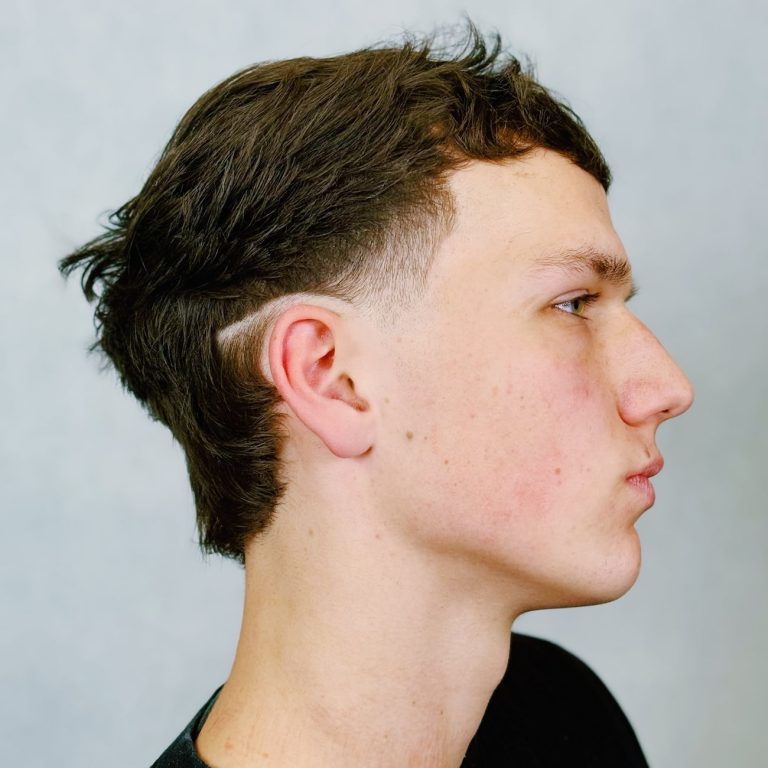
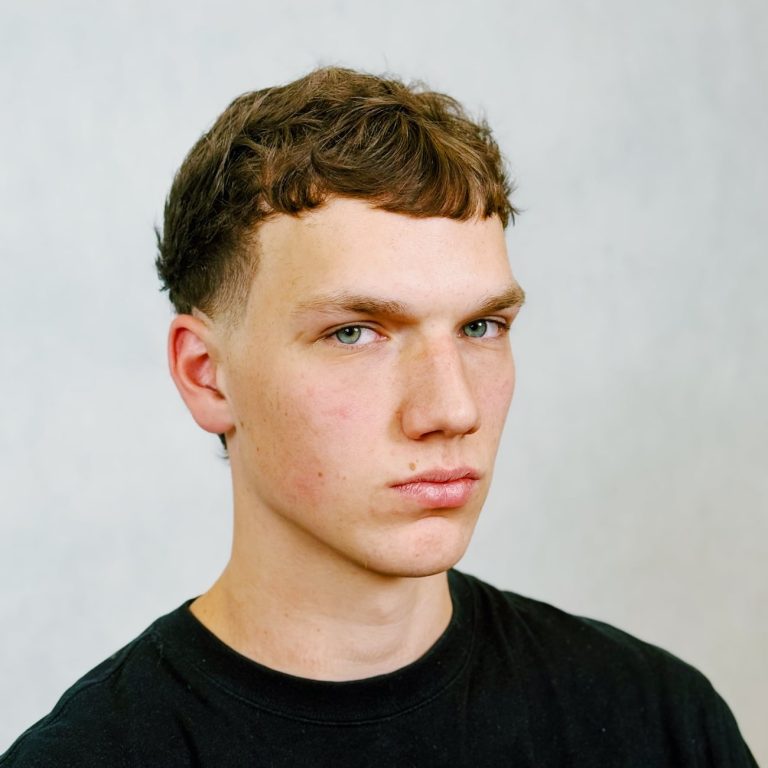
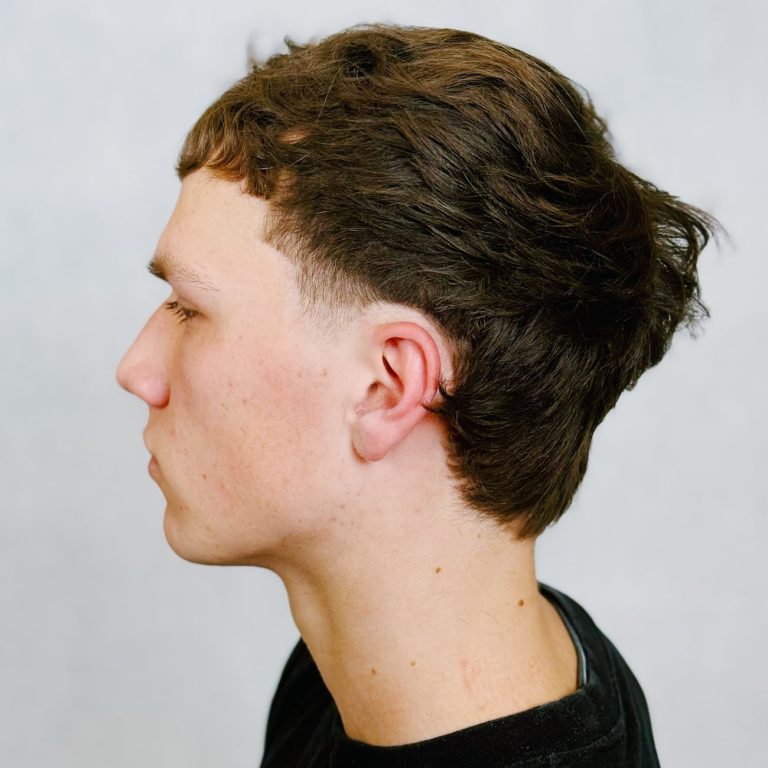
 What you'll learn
 What you'll learn
How to use three strategic breaks to personalize your hairstyle.
How to create a taper fade using the "step-down" technique starting from longer sections.
How to create thick bangs using a thinning shears to hide a receding hairline.
How to combine a crown taper with a detached neck for weight control.
How to use the principles of "kinetics" to precisely shape a hairstyle.
How to visually blend a neckline on dry hair.
The Triple Disconnect Mullet is a technical, modern haircut that combines an edgy look with precise styling. This course demonstrates how to use a system of three strategic disconnects to address two common issues for male clients: visually camouflaging a receding hairline and reducing bulk at the nape of the neck without sacrificing the length characteristic of a mullet.
Marek Krzyminski, the creator of the Future Men’s Hair concept, guides you through the entire process of creating a personalized style. You’ll see how his proprietary “kinetics” system—that is, the conscious management of body position, projection, and separation—serves as the glue that binds various techniques—gradation on the crown, layers on top, and a Taper Fade on the sides—into a single, cohesive, and functional whole.
In this course, you'll learn:
- The system of three strategic hairline breaks and their functions: at the hairline (to hide receding hairline), at the nape (to reduce volume), and behind the ear (to isolate the mullet)
- Creating a Taper Fade using the "step-down" technique – working from longer attachments to shorter ones and seamlessly blending the clipper with scissor work
- Creating thick bangs using a Chinese razor in a line technique that effectively covers the gaps along the receding hairline
- A combination of layering on the crown with a separated nape section to create the distinctive mullet silhouette while maintaining volume control
- The principles of "kinetics" in practice – how body position, head tilt, and the redirection of separation affect the final shape and weight distribution
- Blending a neck-length cut on dry hair – how to visually soften the transition while maintaining full body and density at the ends
- Advanced customization: channel cutting with a Chinese knife and thinning to add texture and lightness without compromising the shape
After completing this course, you’ll start using layering as a conscious tool for problem-solving and customizing haircuts—not just as a visual effect. You’ll learn to create advanced, multi-layered styles that are both bold in design and precisely tailored to the client’s anatomy and needs.
What's inside
Full access to the course
 What's inside

A clever way to hide bends
"I'll show you a styling trick with a part in the bangs that will help visually cover your receding hairline."

The Role of Kinetics in Gradation Techniques
"Kinematics is very important in shaping forms, and it plays a significant role in gradation."

A key tip for styling a mullet
"This is where I'd like to share a very important tip with you about making mules."

How to add thickness at the bends
"You can take more hair from the back and part it diagonally to cover that area."

Groove cutting with a Chinese knife
"I use a Chinese channel knife to make slits in the hair to give it a bit more lightness and movement."

Choosing the first attachment for your tapper
"Those ten millimeters will fit nicely into the length and connect with virtually no trouble."

Blending the disconnection with a Chinese knife
"We can do this by running a Chinese knife along the surface of the hair to remove the excess."

Deconstruction of technique and personalization
"This is something barbers often forget—namely, personalization and the deconstruction of technique."
 Frequently Asked Questions