Wavy Mullet
 The result and the process
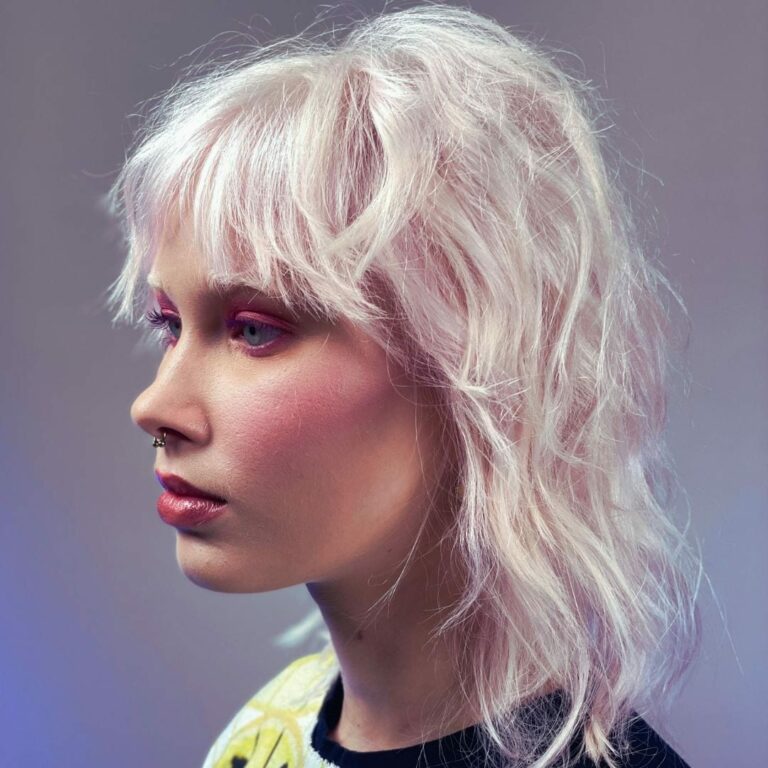
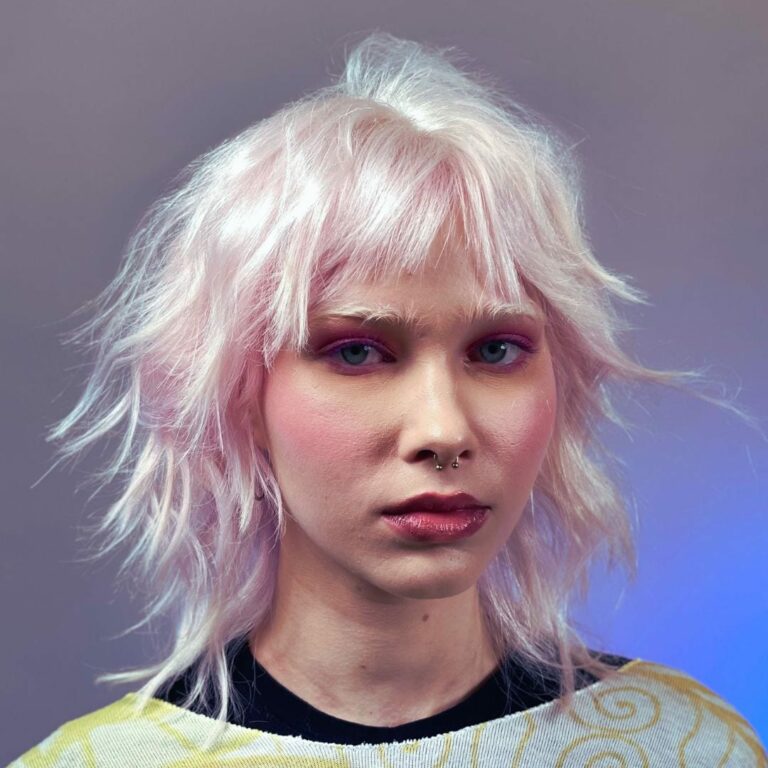
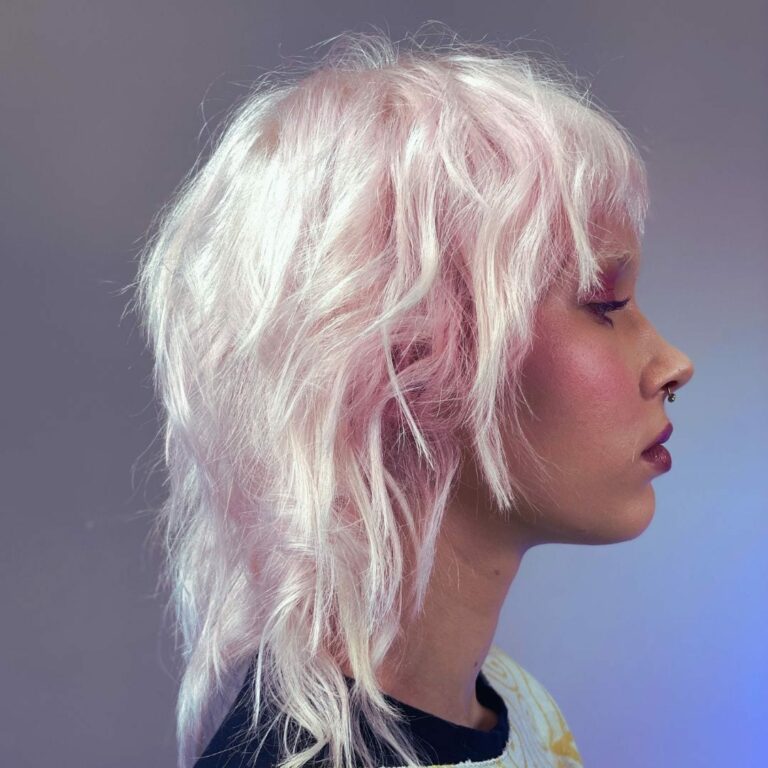
 What you'll learn
 What you'll learn
How to use a Chinese knife (razor) to create a soft texture.
How to intentionally create a contrast between the top and the rest of the hairstyle.
How to add volume at the back of the head to lift the top section of your hair.
How to cut the sides in diagonal sections while keeping the length in the back.
How to cut bangs so they gently taper out toward the sides.
How to style your hair with a flat iron to create a wavy look.
The Wavy Mullet is a modern women’s haircut that combines the aesthetic of the wolf cut with the classic asymmetry of the mullet: short in the front and on the sides, with longer hair in the back. This course shows you how to create a hairstyle full of texture and movement—one that is bold and striking, yet also takes into account the client’s practical needs, such as the ability to tie back the longer sections of hair.
Tymoteusz Pięta guides you through the entire hair styling process, from the consultation and dividing the hair into separate sections to the final styling. Step by step, he demonstrates how to use scissors on the sides to build shape, and then how to use a Chinese razor to thin out the top and create soft, textured transitions. A key element is the deliberate building of volume at the nape of the neck, which overlaps the longer, preserved back.
In this course, you'll learn:
- Working with a Chinese knife (razor) – how and when to use it to create softness and texture that cannot be achieved with scissors alone
- A deliberate disconnect – how to separate the crown and bangs so that the top of the hairstyle remains a distinct, shorter section
- Creating volume at the back of the head – cutting a shorter section of hair at a 90-degree angle to create support and blend seamlessly into the longer back
- Cut the sides in diagonal sections, combing the hair forward to maintain length toward the back of the head
- The technique of cutting bangs from the inside out, layering strand by strand to create a soft curve
- The final "broken waves" look – how to use a flat iron to create a tousled texture with straight ends and set it with mousse
After this course, you’ll be able to consciously use layering and various techniques to create complex, textured styles. You’ll learn to create hairstyles that reflect the latest trends, allowing you to think outside the box and offer bold clients personalized cuts full of character.
What's inside
Full access to the course
 What's inside

Defining the side zone
"This is what the side of my haircut will look like."

Measuring the length on the sides
"We're determining the lengths. We'll do this by combing through the hair mostly horizontally, so that it looks light here."

Transition to working with a Chinese knife
"I'm going to use a Chinese knife now, so I'll gently trim these hairs on the olive."

Warning when trimming the back
"Remember, when cutting the back like this, it's very important not to round it off."

Mountain shading with axis crossing
"We'll shade it with a Chinese knife on both sides, crossing the center line."

The channel cuts technique for softening
"These so-called channel cuts will smooth things out a bit and allow us to connect the two lengths."

Wavy style with straight ends
"We want straight ends, straight ends."

Product selection – why not nail polish?
"I don't necessarily like using hairspray in situations like this, because my hair doesn't behave the way it should."