
Burst Fade
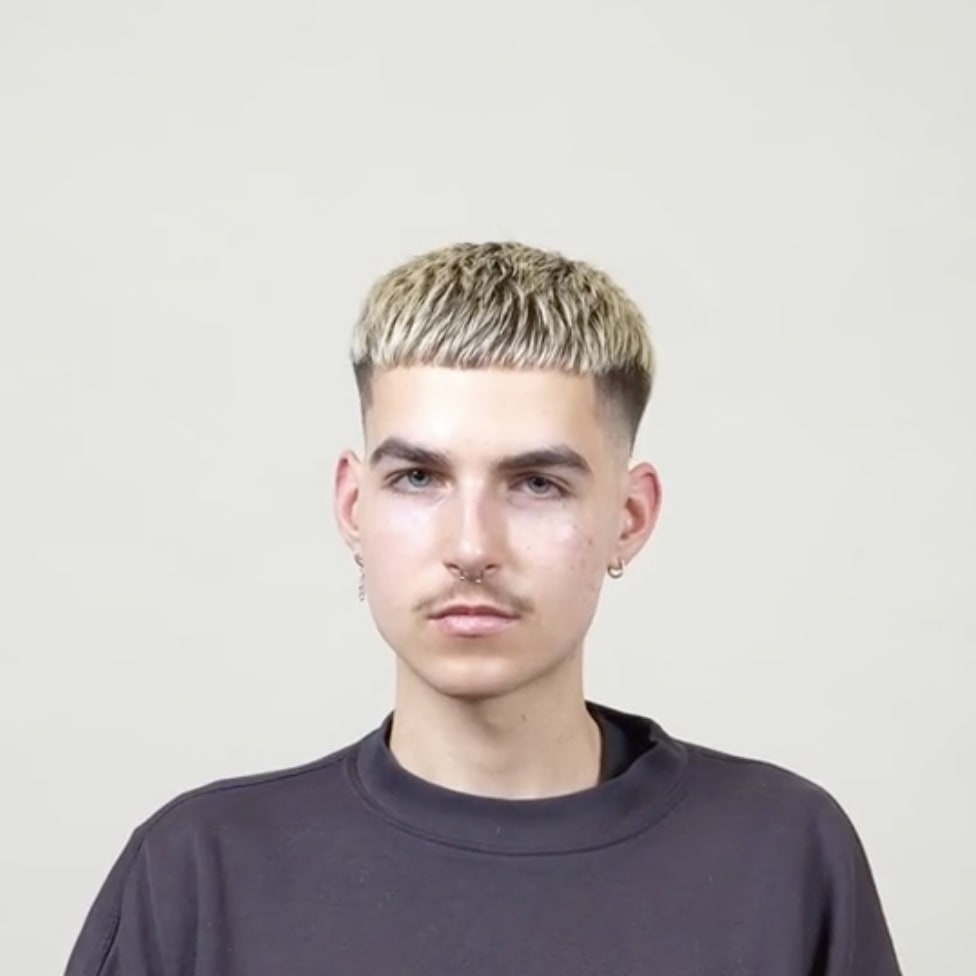
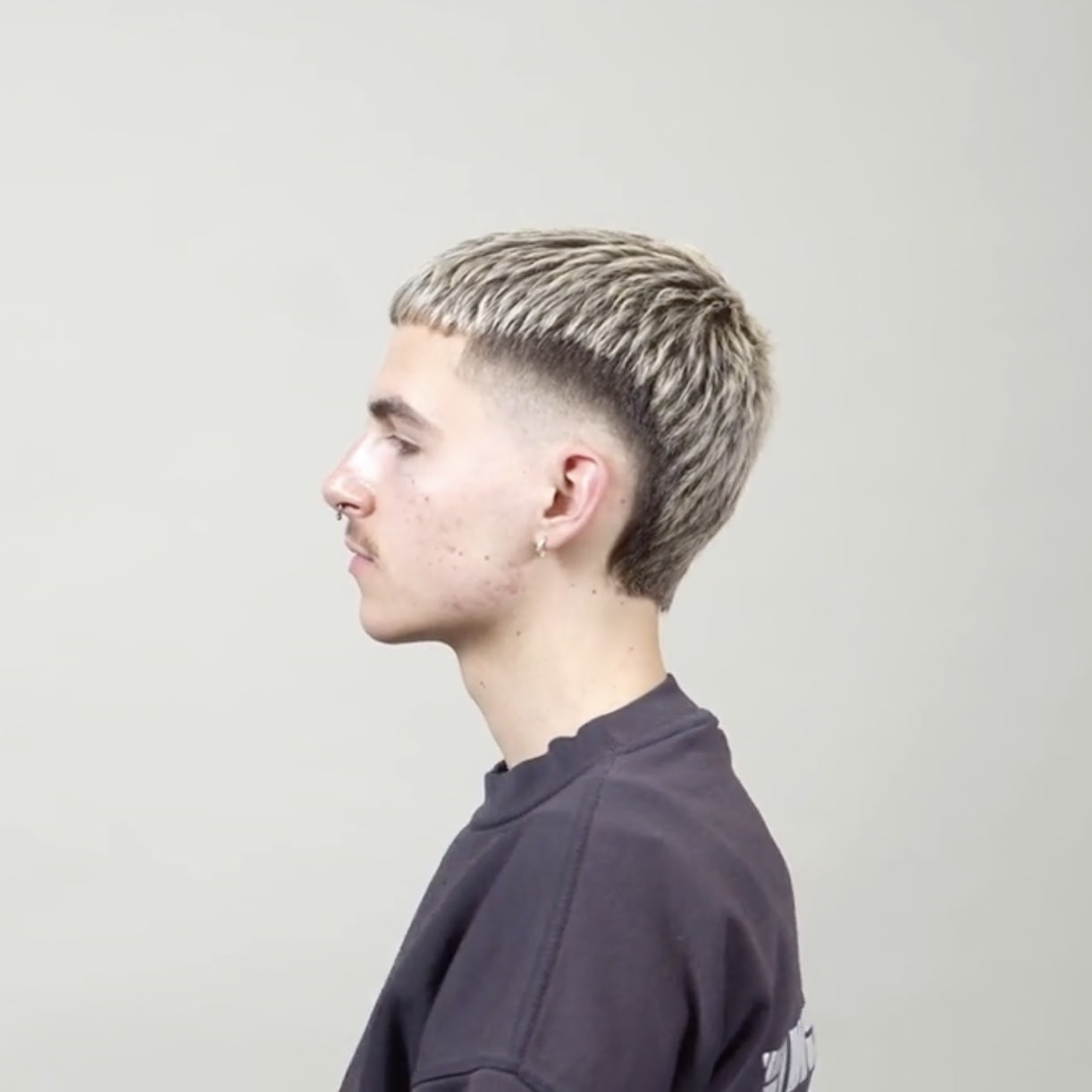
This course teaches you how to create a modern burst fade on lightened hair. Learn how to fade without damaging the color or creating patchiness, while preserving the key weight line.
Result and process
About the course
Burst Fade is a classic men's haircut making a comeback in a more modern, compressed form. This course shows you how to create this signature, rounded fade on previously lightened hair - without damaging the color or creating dark patches. It's a craft session focused on the weight line, which must remain untouched, and precise fading that highlights the shape of the head and the existing color work.
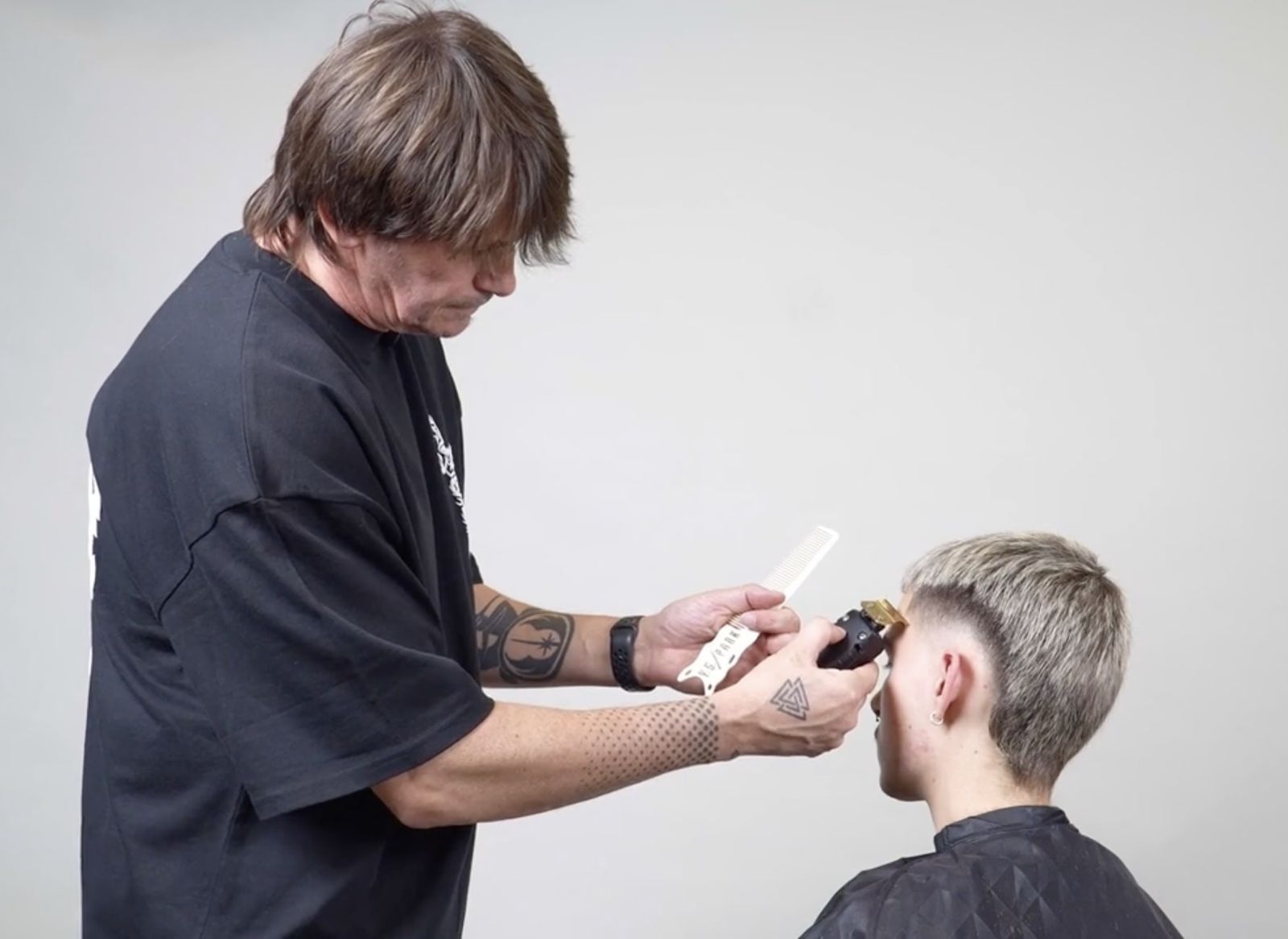
Kamil Cesarski guides you through the whole process, starting at the top and building a horizontal square without sectioning, redirecting strands one onto the other. He then moves on to the key stage - mapping out the fade shape using anatomical landmarks like the mastoid process and the brow bone, working symmetrically on both sides of the head. The fade is done using a top-down technique, starting from a 3 mm guard all the way to razor work, with precise compression of the blend.
In this course you'll see
- Building a horizontal square on top without sectioning - redirecting strands for maximum flattening.
- Why the weight line in a burst fade must remain untouched, and how to avoid personalization in this area so the shape isn't disrupted.
- Mapping out symmetrical fade lines based on anatomical landmarks on the head - the mastoid process and the brow bone.
- Working with the top-down fade method: from a 3 mm guard, through 2 mm, 1.5 mm, down to zero and final cleanup with the razor.
- The technique of working with the wrist alone while keeping the arm locked - the key to a clean, rounded clipper movement.
- Final scissor-over-comb refinement and point texturizing on top, done with care to avoid disturbing the lightened color.
After watching this course, you'll confidently approach cutting a burst fade on lightened hair, treating the existing color as an asset rather than an obstacle. You'll learn to build a symmetrical, clean fade shape tailored to the client's anatomy and work with intention to protect the weight line, achieving that signature, modern look that holds its shape long after leaving the salon.
What you will learn
- 01How to build a square shape on top without sectioning.
- 02How to cut lightened hair to preserve color and avoid patchiness.
- 03How to map out symmetrical fade lines based on anatomical landmarks.
- 04How to fade using the top-down method to compress the blend.
- 05Why the weight line in a burst fade must remain untouched.
- 06How to personalize the haircut without disturbing the key weight line.
Before you start
This course assumes you already have:
What's inside
Full access with the course 0:28
0:2801Cutting strategy - preserving color
I'll be cutting the hair very carefully, just to preserve this color and to make sure I don't end up with a patch.
 9:36
9:3602Tension control on the outer hand
I always work on the outer part of my hand. This gives me strong control over tension.
 20:32
20:3203Mapping out the lines - reference points
We keep the fringe height in mind. And here again, the mastoid process. That's our reference point.
 30:30
30:3004Deepening the fade with the razor
Try to work with the razor in a way that deepens the fade. Today I'm using a flip motion.
 38:33
38:3305Breaking up dark spots with the clipper
Sometimes I break up those dark spots simply by using guard length on the clipper.
 44:45
44:4506Scissor work - protecting the weight line
Let's do some gentle scissor work, but really gentle. We're not taking away that line, right?
 49:36
49:3607The rule of scissor-over-comb work
The slower the scissors move, the slower we move the comb. Every single time, we exit out of the hair.
 56:36
56:3608Personalizing the top with color in mind
It's a channel cut, but we're really paying attention the whole time to disturb this color as little as possible.
FAQ
Will this technique work on lightened hair?
Is this course suitable for beginner barbers?
What tools are needed to create this haircut?
Does the course show how to cut the top section?
What method is used to create the fade in this course?
How long is the full video course?
Details
Educator
Kamil Cesarski
Educator · 8 courses
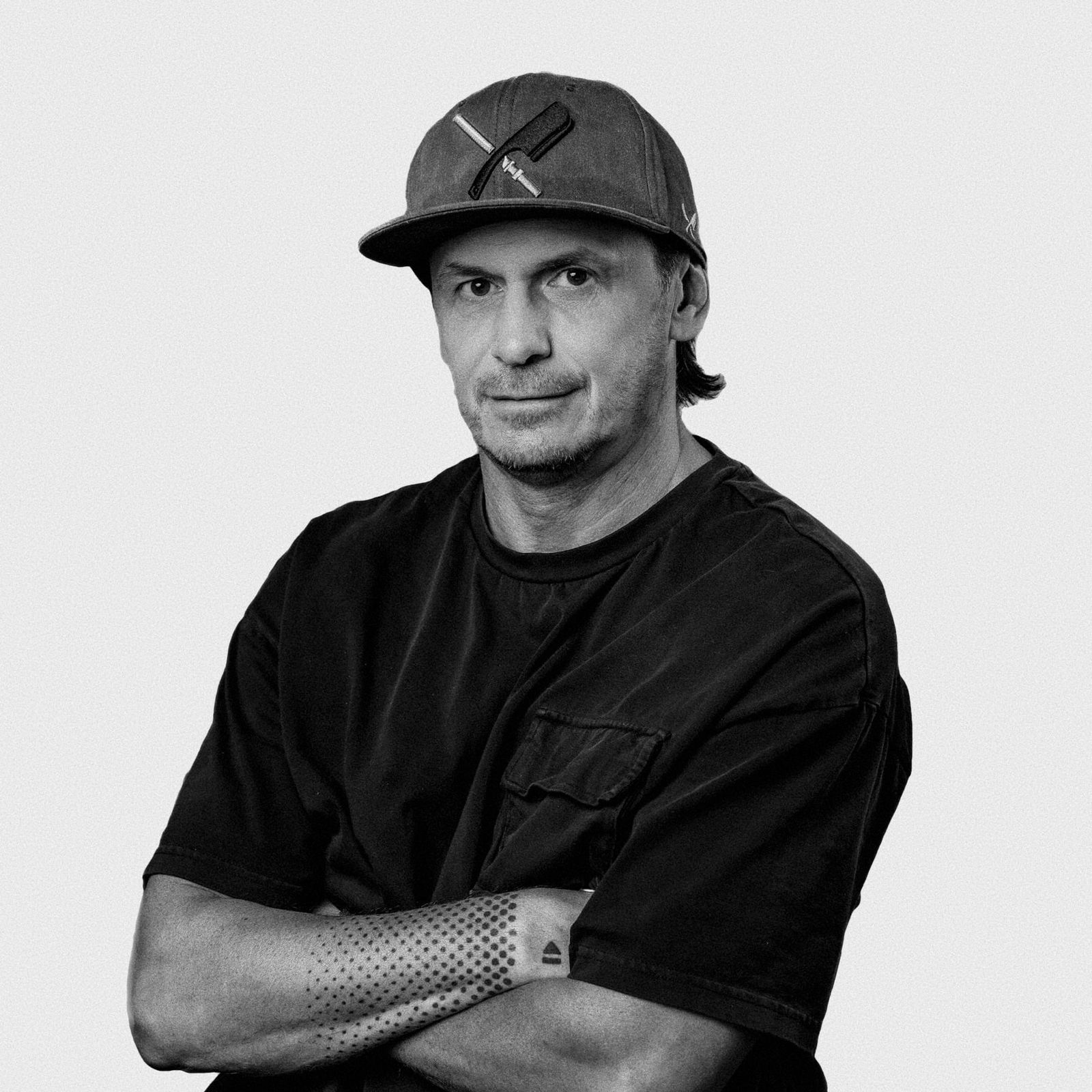
A hairdresser with over 40 years of experience, working as an educator for more than 20 years. Andis Company ambassador, lead educator at Statement Grooming Goods, and creator of the YES concept. His teaching is built on fundamentals: skull shape analysis, clean partings, and intentional body positioning. He teaches how to build precise, repeatable forms that serve as the foundation for every haircut, even the most creative ones.
Ready for the next level
Unlock full access to the Connected Hair course library.
Join the Academy