
Curly Mullet with Disconnection
A curly mullet with disconnection cutting course for barbers. Learn how to remove weight from frizzy curls and create a modern, easy-to-style haircut with tapered sides.
Result and process
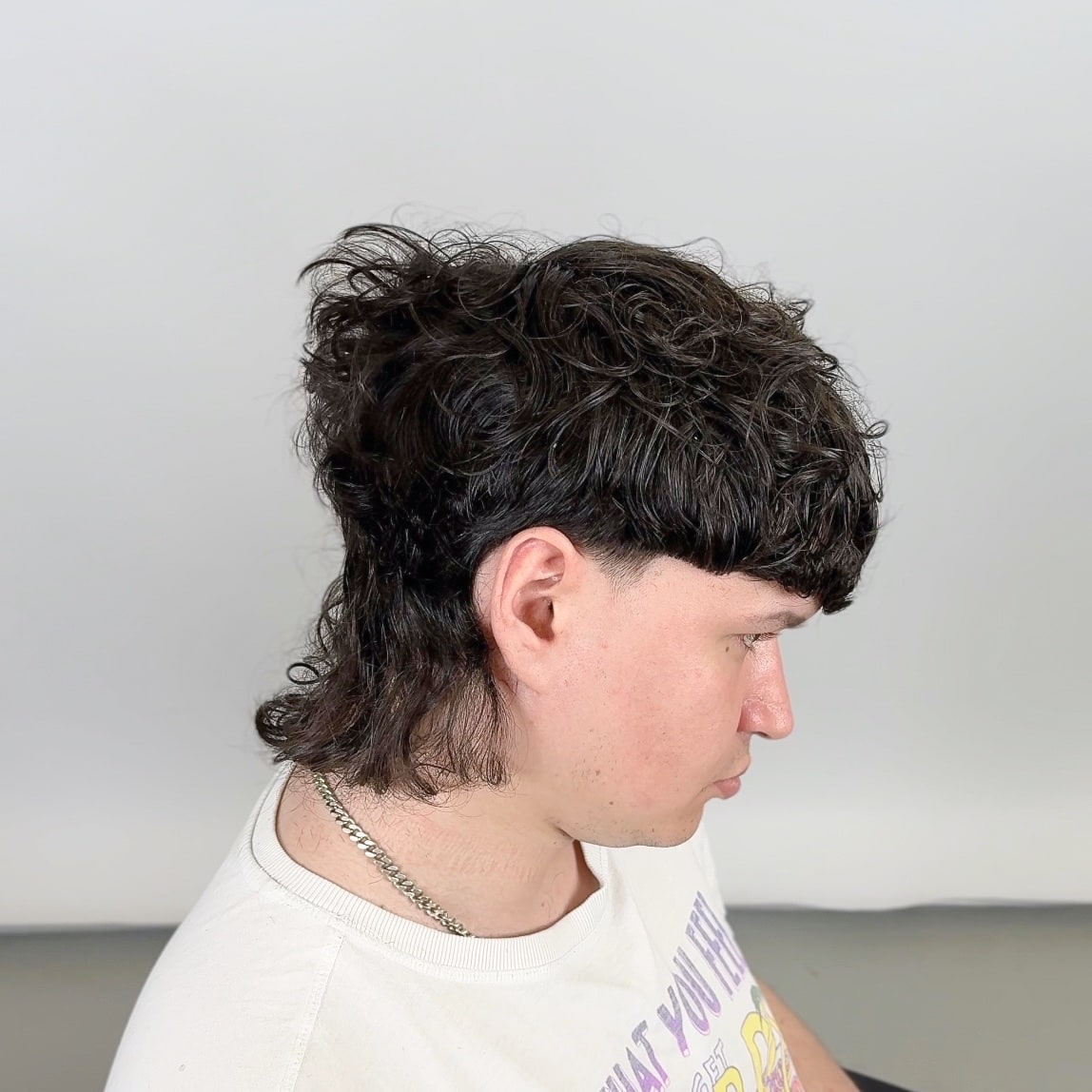
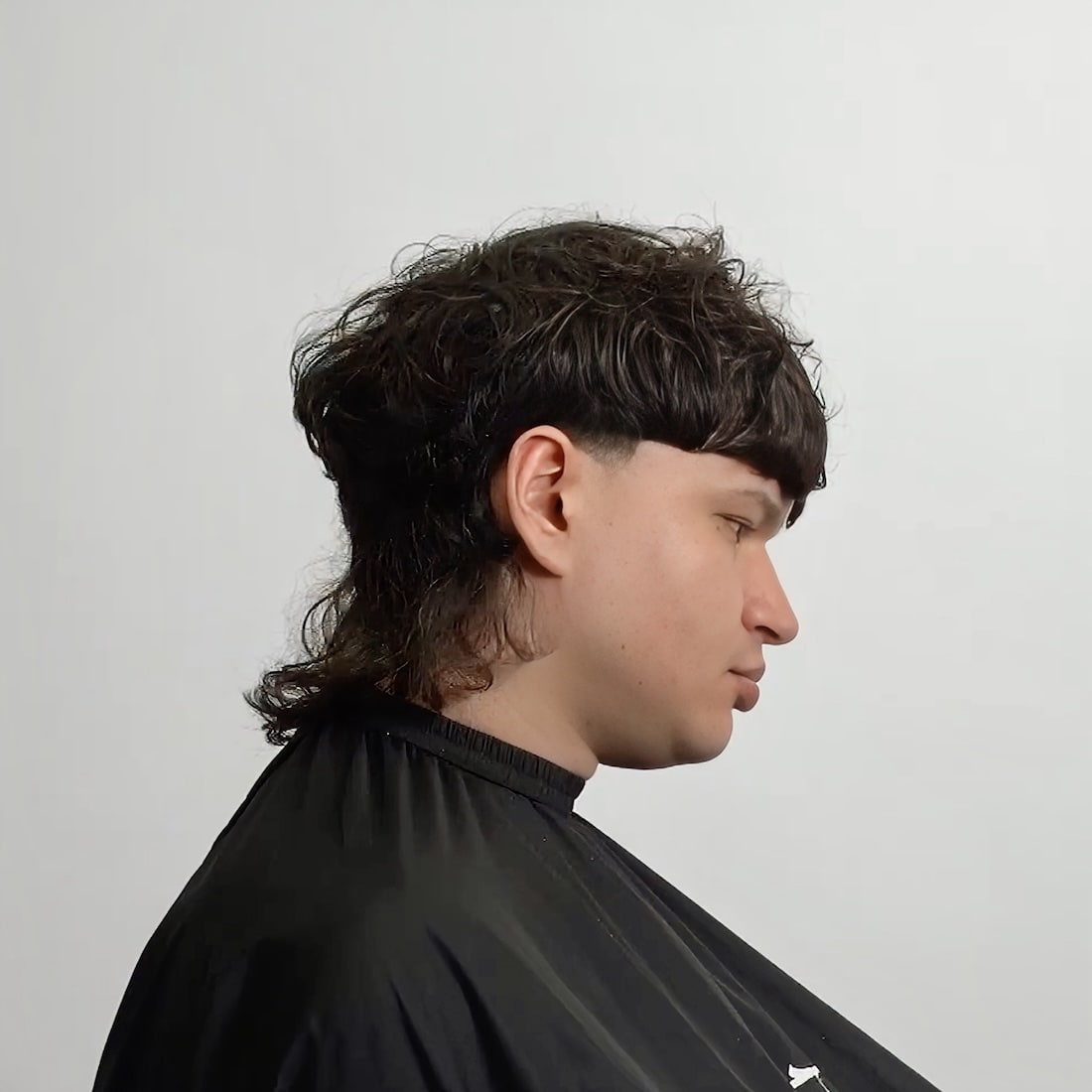
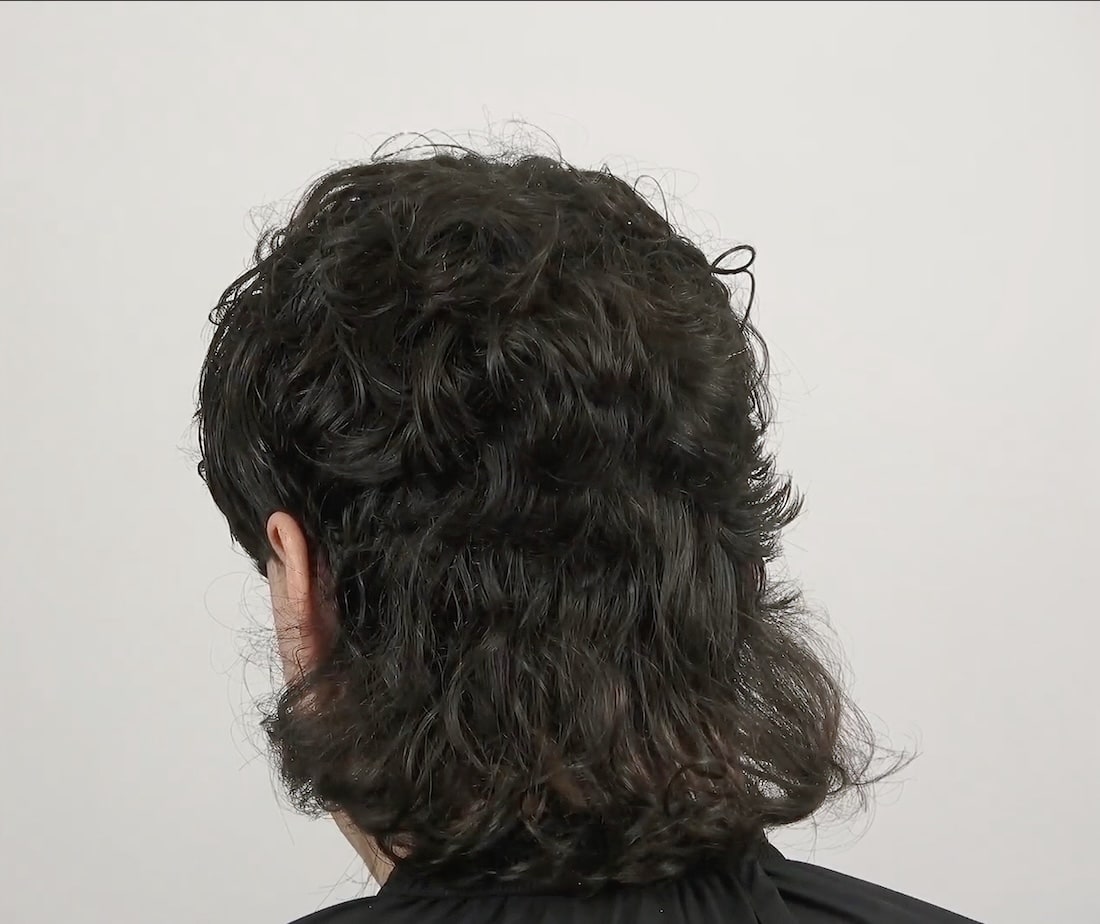
About the course
The Curly Mullet with Disconnection is a modern men's hairstyle that combines tapered sides, a long nape, and a heavily textured top built on a square layer. The course shows how to take heavy, frizzy curls that have lost their form and turn them into a dynamic, easy-to-style-daily haircut with a clear separation between the nape section and the rest of the hairstyle.
Kacper Trzaskowski guides you through the entire cutting process, from a thorough analysis of head shape and curl type to a simple division into four key sections. You'll see how he works with intention to build the square layer on top to remove weight and flatness at the crown, then creates deliberate disconnection between the occipital zone and the nape. Work on the sides is graduation prep for precise clipper tapering, which refreshes the shape without widening the client's face.
In this course, you'll see
- The square layer technique at 90-degree elevation, which removes weight from the crown and gives curls lightness without excessive frizz
- Intentional disconnection creation at the level of the occipital bone - why this is the key to a haircut that's easy for the client to style every day
- The full process of clipper tapering the sides: from guard #4, through creating guidelines, to final cleanup with the trimmer and line-up
- Working with the graduation technique on the sides as the foundation for clipper graduation - how to prep the canvas for the perfect taper
- Cutting the fringe using the circle-shaped line technique, which naturally works with the client's forehead and allows styling straight down or to the side
- Final styling step by step: from applying gel to wet hair, through diffuser drying on low power, to finishing with glue for pliability and texture
After this course, you'll start working confidently with curly hair, turning its weight and frizz into an asset. You'll learn to use disconnection as an intentional compositional tool, and combine the square layer and graduation techniques into a cohesive system that lets you create modern, personalized mullets clients will love for how easy they are to style every day.
What you will learn
- 01How to build the square layer to give curls lightness without frizz.
- 02Why disconnection between the nape and occipital area makes daily styling easier for the client.
- 03How to precisely taper the sides with clippers, starting with guard number four.
- 04How to prep the sides using the graduation technique for the perfect clipper graduation.
- 05How to cut and blend the fringe with the sides using the line technique.
- 06How to analyze head shape and curl type before starting the haircut.
Before you start
This course assumes you already have:
What's inside
Full access with the course 1:16
1:1601Analyzing bone structure before sectioning
I want to use them as a reference to determine whether I'm marking the sections in the right place.
 10:55
10:5502Choosing the square layer for curls
Curls are hair that doesn't like weight, so we need to give them lightness.
 13:36
13:3603The cutting boundary at the disconnection
I'll bring the section all the way to the occipital bone, and that's where I finish the cut.
 29:33
29:3304Blending the side with the square layer
You have to remember to blend with the square layer, not with the disconnection point.
 39:43
39:4305Fringe section - an angled line
At the center of the head, the line needs to sit lower, and as it moves back, it needs an angle.
 53:49
53:4906Blending the top section with the side
We'll blend the top with the side by marking a line from the back section to the natural hairline.
 1:11:36
07Choosing the first guard for the taper
I start with guard number four, because my fingers at the scalp basically set that length.
 1:15:20
08Work order: graduation and line-up
I try to get to a certain stage, do the line-up, and only then move on to the rest of the work.
FAQ
What hair type is this technique suited for?
Does the course explain why disconnection is created?
What tools will you need for this haircut?
Is this course suitable for beginner barbers?
Does the course also cover styling the hair after the cut?
How long is the full video course?
Details
Educator
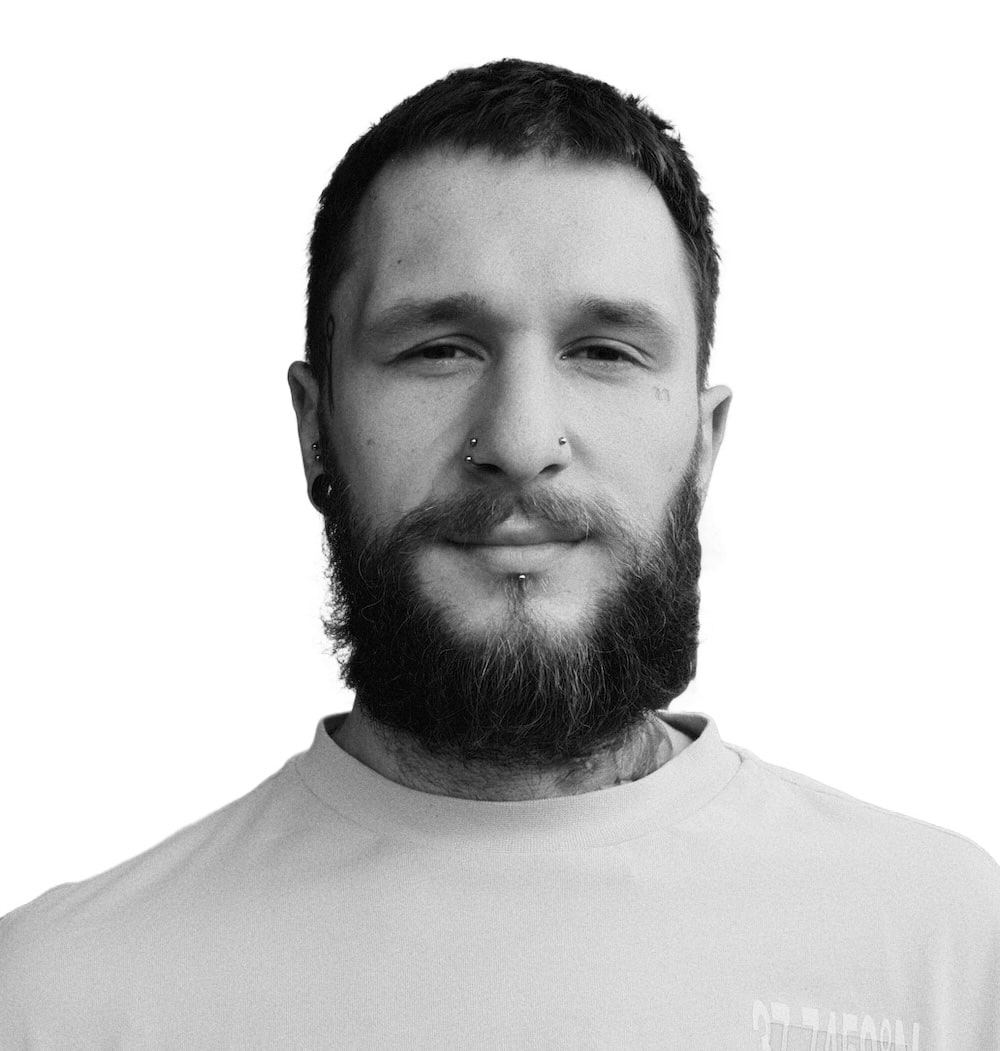
Kacper Trzaskowski
Educator · 4 courses
Co-founder of the CUT HOUSE salon in Toruń and speaker at Barbernight and BarberFest. In his teaching, he rejects learning specific hairstyles in favor of universal work frameworks built on analysis. He teaches how to work with intention when choosing fundamental techniques and shapes to match the client's head anatomy and hair structure. Over the past year, through courses and live demos, he has trained close to 100 people.
Ready for the next level
Unlock full access to the Connected Hair course library.
Join the Academy