
Disconnected Mullet
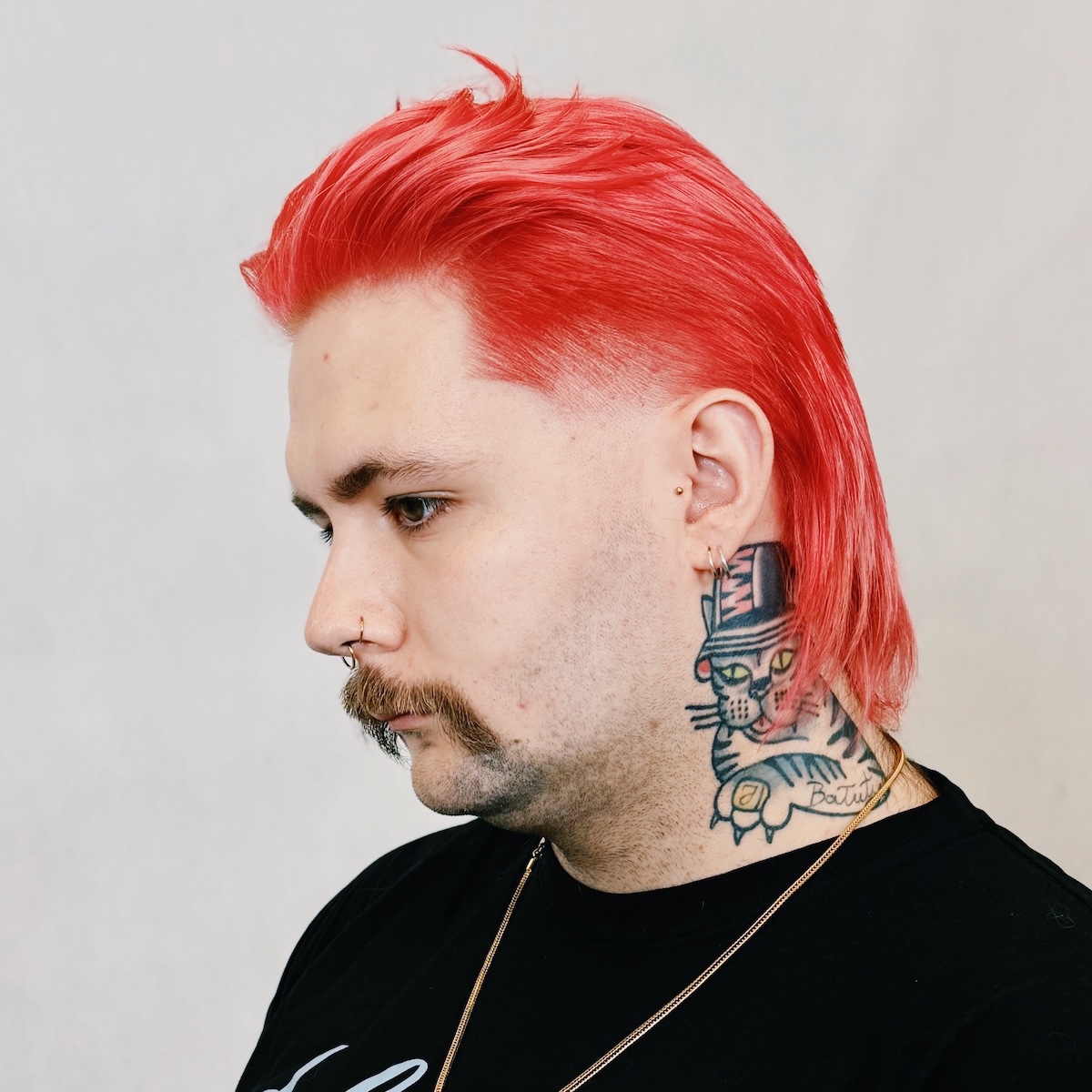
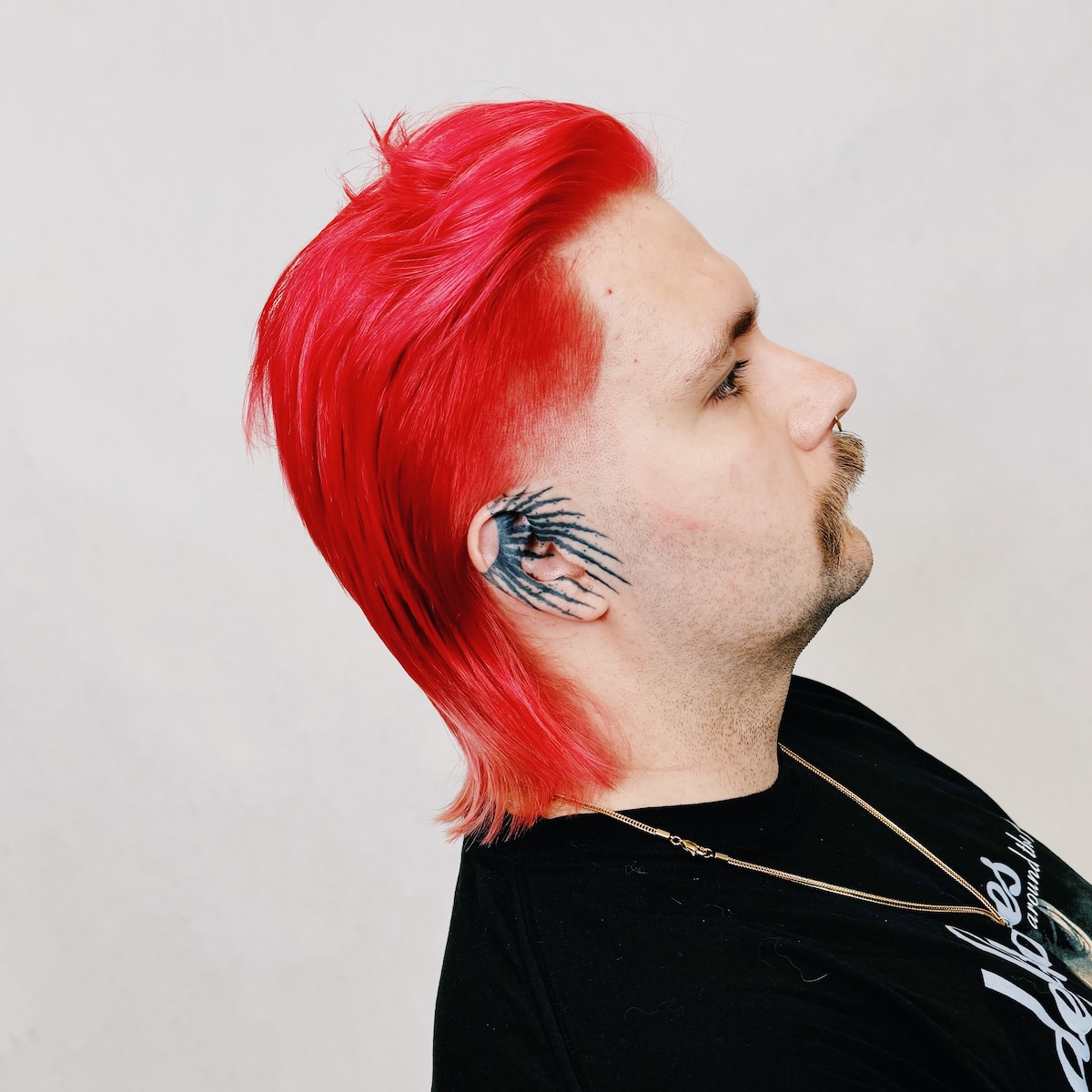
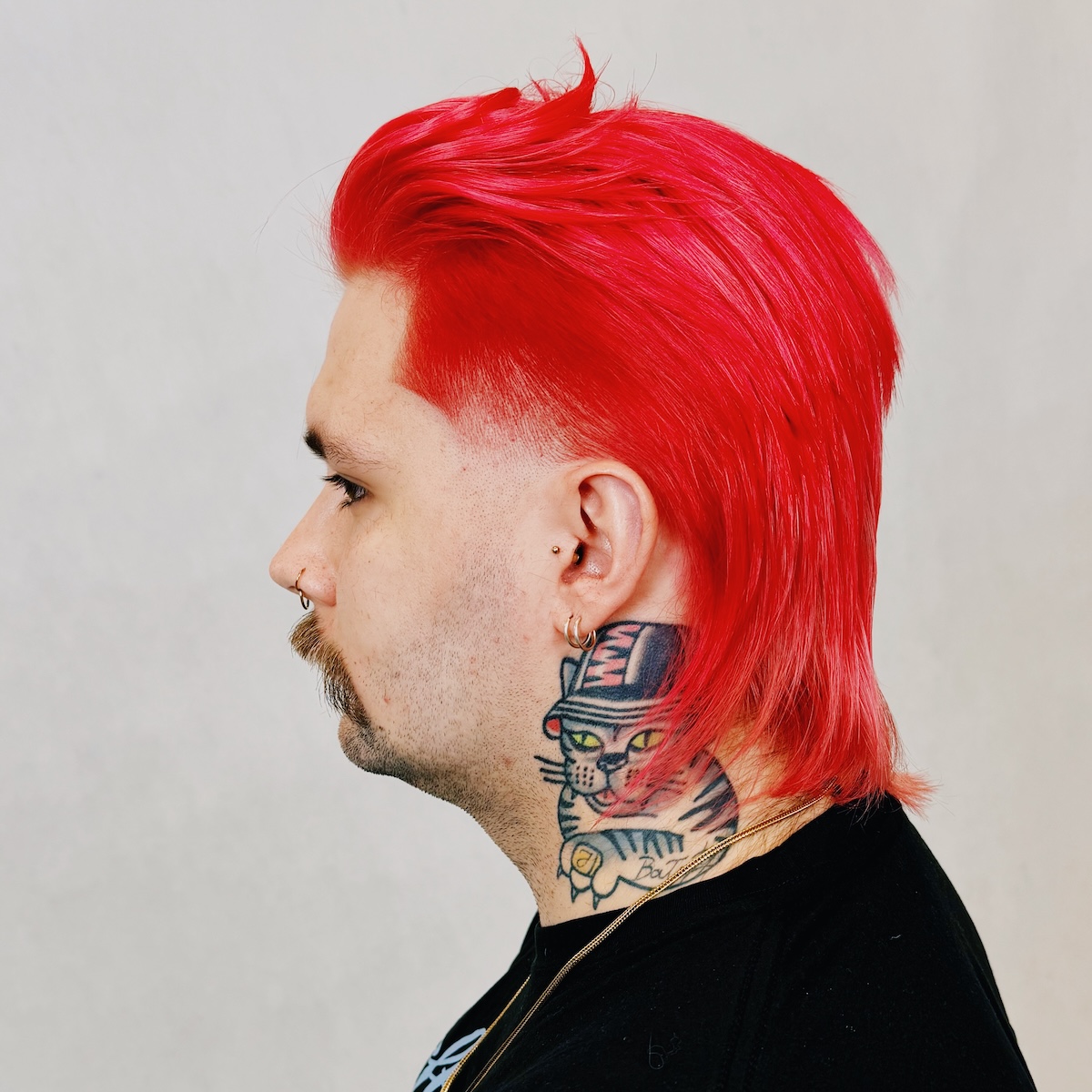
A course on cutting a modern mullet with disconnection and a high taper. Learn how to work with intention to separate the sides from the back, creating a hairstyle full of character that still reads as one cohesive shape.
Result and process
About the course
Disconnected Mullet is a modern, commercial take on a classic, combining the precision of a high taper with the creative freedom of disconnection. This course shows you how to work with intention to separate the sides from the back, creating a hairstyle with a distinct character that still comes together as a cohesive, dynamic whole. It's a technique for clients looking for a bold style that's no longer just an alternative, but a deliberate, elegant choice.
Karol Roliński guides you through the entire cutting process step by step, from precisely dividing the head into symmetrical sections, through building the shape at the back using a horizontal layering technique worked in a circle, to cutting the sides diagonally. You'll see how the first three sections on the side are used to build lightness under the taper, with each following section redirected to section number four, systematically building weight and length toward the back. This is the deliberate control of weight and lightness that defines the final shape.
In this course you'll see
- Deliberate disconnection between the sides and back - how to plan it so the haircut looks visually cohesive without a physical connection
- Cutting the back using a horizontal layering technique worked in a circle, to achieve maximum movement and lightness on longer hair
- Working the sides with diagonal sections - how the first three sections build lightness, and each following one is redirected to the fourth to create graduation and length
- Building a high taper using a step-down technique, from clipper guard work to detailed blending with a clipper-over-comb finish and shaver work
- Separating and preserving the length of the fringe, which stays disconnected from the rest of the haircut, creating a key styling element
- Connecting the top with the sides while maintaining disconnection from the back - the key to the cohesion of the whole shape
- Full final styling using grooming spray and a wet care product, to highlight texture and add volume to the haircut
After this course, you'll start treating disconnection as a deliberate tool for building shape, not something to avoid. You'll learn to create a commercial, modern version of the mullet that's both bold and elegant. You'll gain the craft to offer clients looking for an individual style a haircut that combines the technical precision of the taper with the creative freedom of longer forms.
What you will learn
- 01How to plan disconnection so the sides and back look like a cohesive whole.
- 02How to cut the back using a horizontal layering technique worked in a circle for maximum movement.
- 03How to build lightness and weight on the sides with diagonal cutting.
- 04How to redirect sections toward one point to achieve smooth length progression.
- 05How to create a high taper using a step-down technique, from guards to clipper-over-comb work.
- 06How to connect the top with the sides while preserving the intention behind the whole haircut.
Before you start
This course assumes you already have:
What's inside
Full access with the course 1:38
1:3801Symmetrical sections for disconnection
We'll be working on symmetrical partings, because we're doing disconnection here.
 11:04
11:0402Body positioning while cutting in a circle
As we work in a circle, we also need to work with our legs and body posture.
 25:29
25:2903Choosing the technique for colored hair
We won't be using the slicing technique here, since the hair is colored and could frizz up.
 31:16
31:1604Moving from lightness to graduation
We've built lightness on three sections, and now we're moving into graduation - building weight.
 43:48
43:4805The square triangle concept at the crown
I call it the square triangle - a slight lengthening toward the fringe, that's it.
 52:38
52:3806Caution - don't connect the disconnection
Once we grab this section, it'll want to be cut, but that's exactly what we don't cut.
 1:01:21
07Motion slide technique at the taper
I'm working here with a motion slide, right? So I move in and pull away with the clipper.
 1:04:32
08Wide-tooth comb as a safety zone
This is my safe zone. There's nothing I'm afraid to do with it.
FAQ
What skill level is this course for?
Will this technique work on every hair type?
Does the course explain in detail how to create disconnection that still looks cohesive?
What technique is used to cut the back in this mullet?
Does the course also cover creating the taper?
What tools are needed to create this haircut?
How long is the entire course?
Details
Educator

Karol Roliński
Educator · 2 courses
Karol Roliński specializes in precision men's hairdressing and is the creator of the signature Taper Fade technique. In his teaching, he prioritizes simplicity, explaining to students not just "how" but above all "why" a given cut works. His methodical approach is based on a conservative-work-with-room-for-correction principle, which he presents at industry events such as Night Cuts.
Ready for the next level
Unlock full access to the Connected Hair course library.
Join the Academy