
Flow Mullet
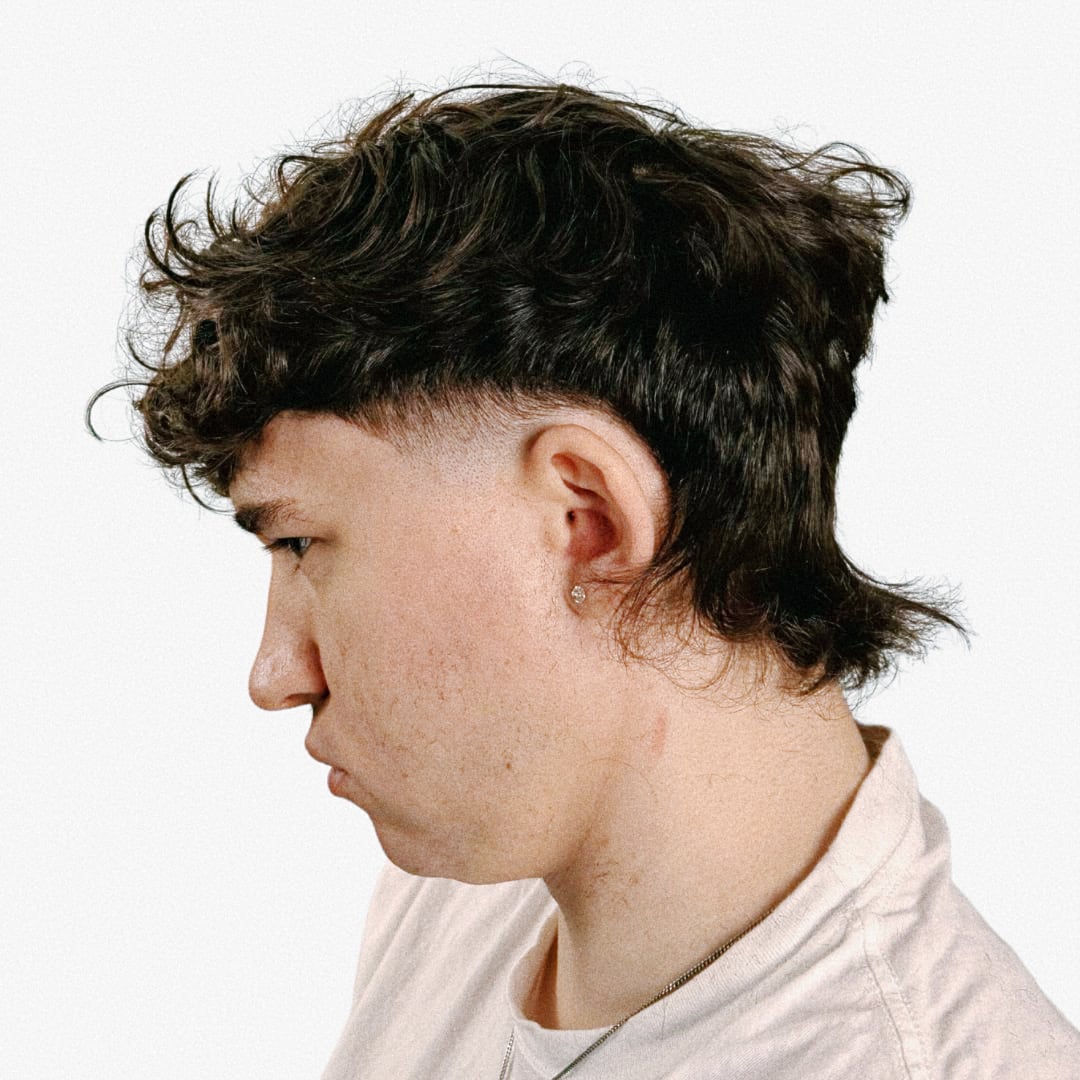
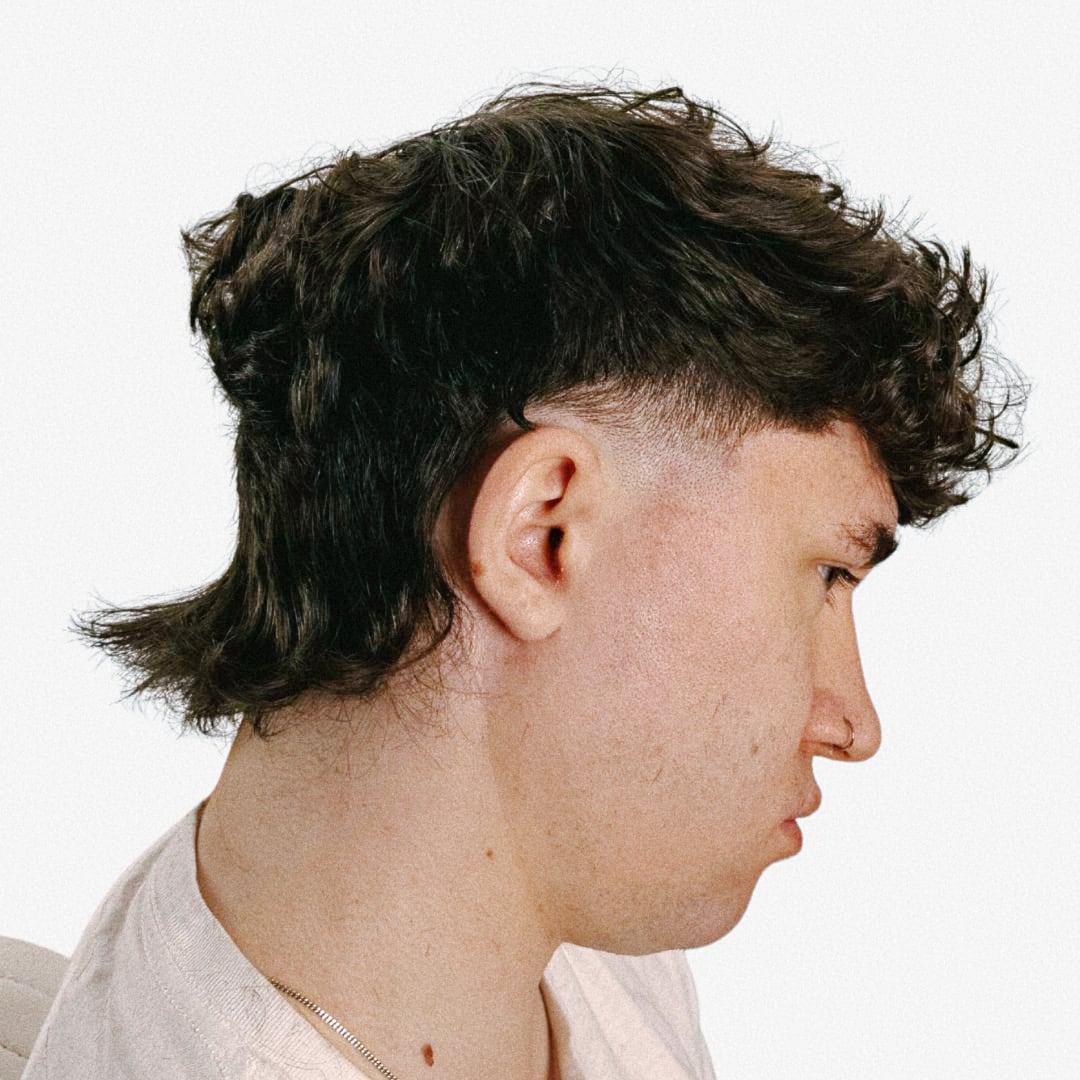
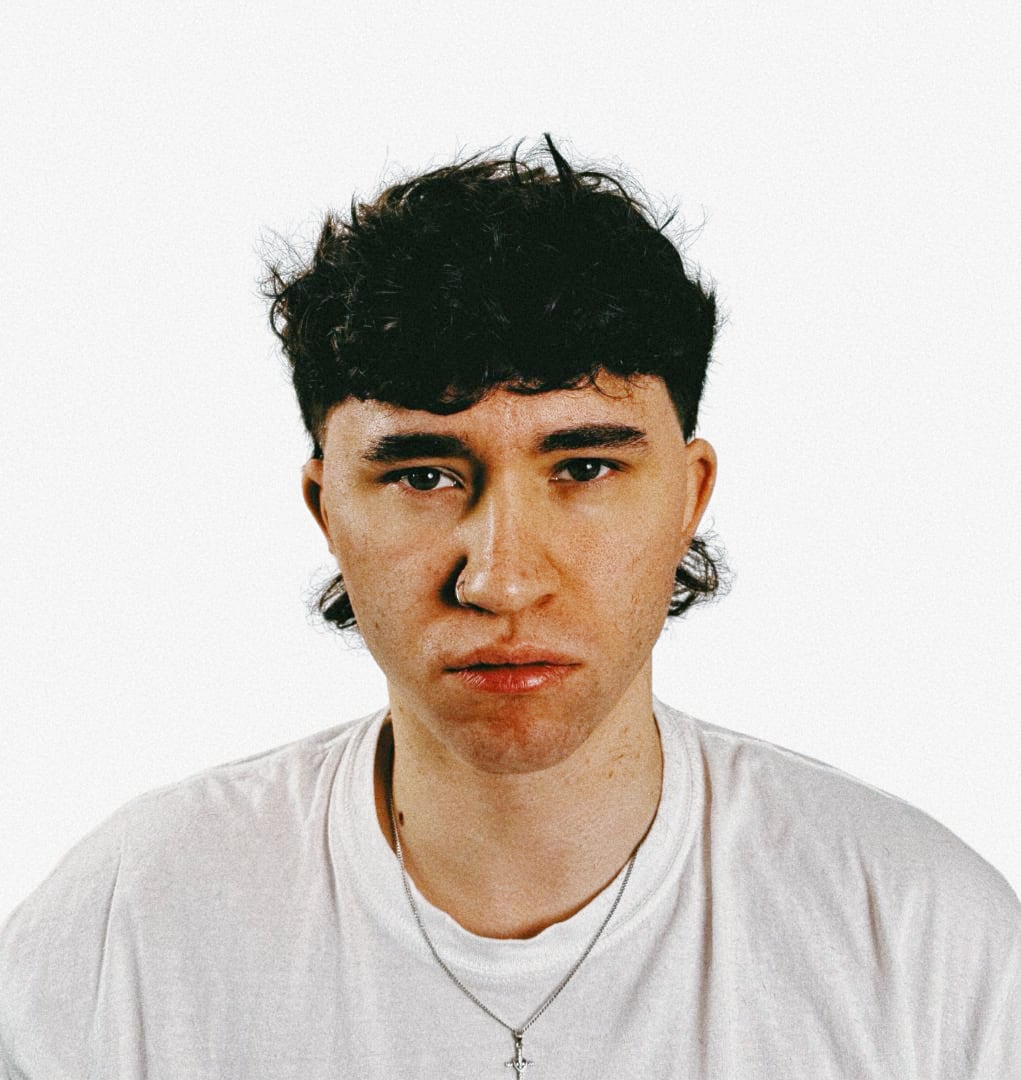
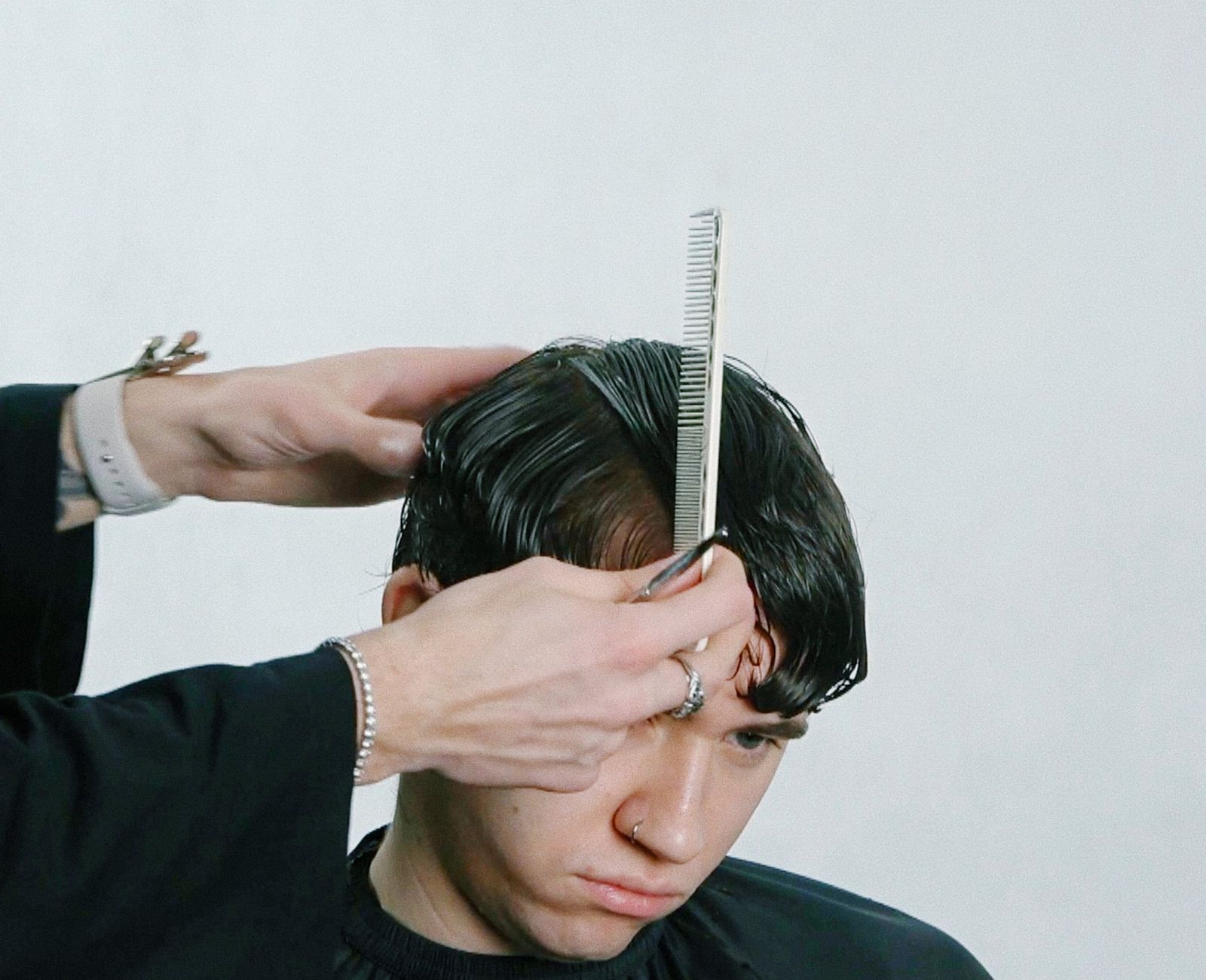
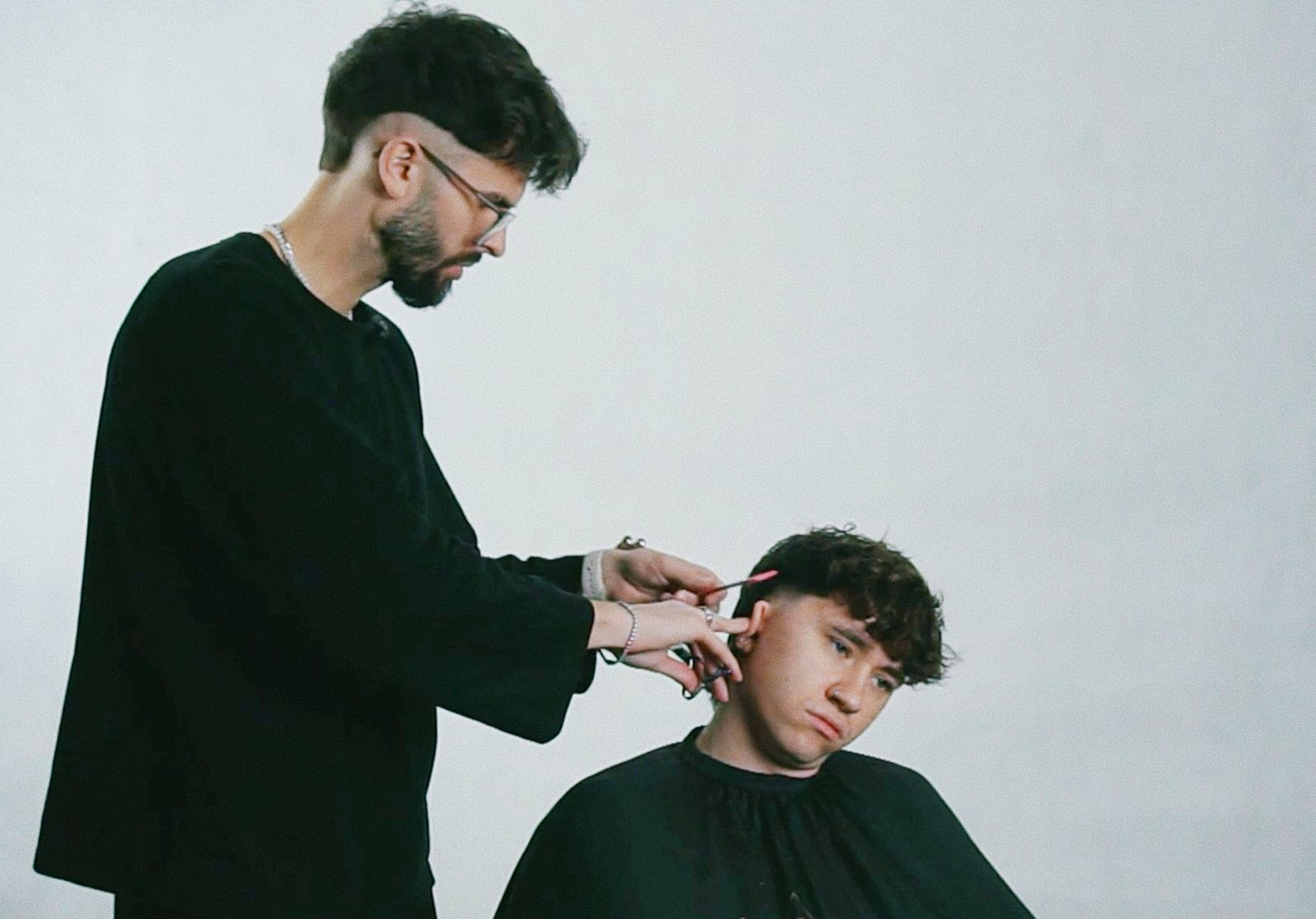
A Flow Mullet cutting course for wavy and thick hair. Albert Banaszek shows how to build a light "S-shape" at the back and execute an aggressive taper, controlling weight and natural curl.
Result and process
About the course
Flow Mullet is a creative take on the mullet that solves the problem of a heavy, lifeless back in wavy and thick hair. This course shows how to build an intentional S-shape - instead of simply shortening the hair - which gives the haircut lightness, movement, and naturally highlights the curl, looking great both styled and unstyled.
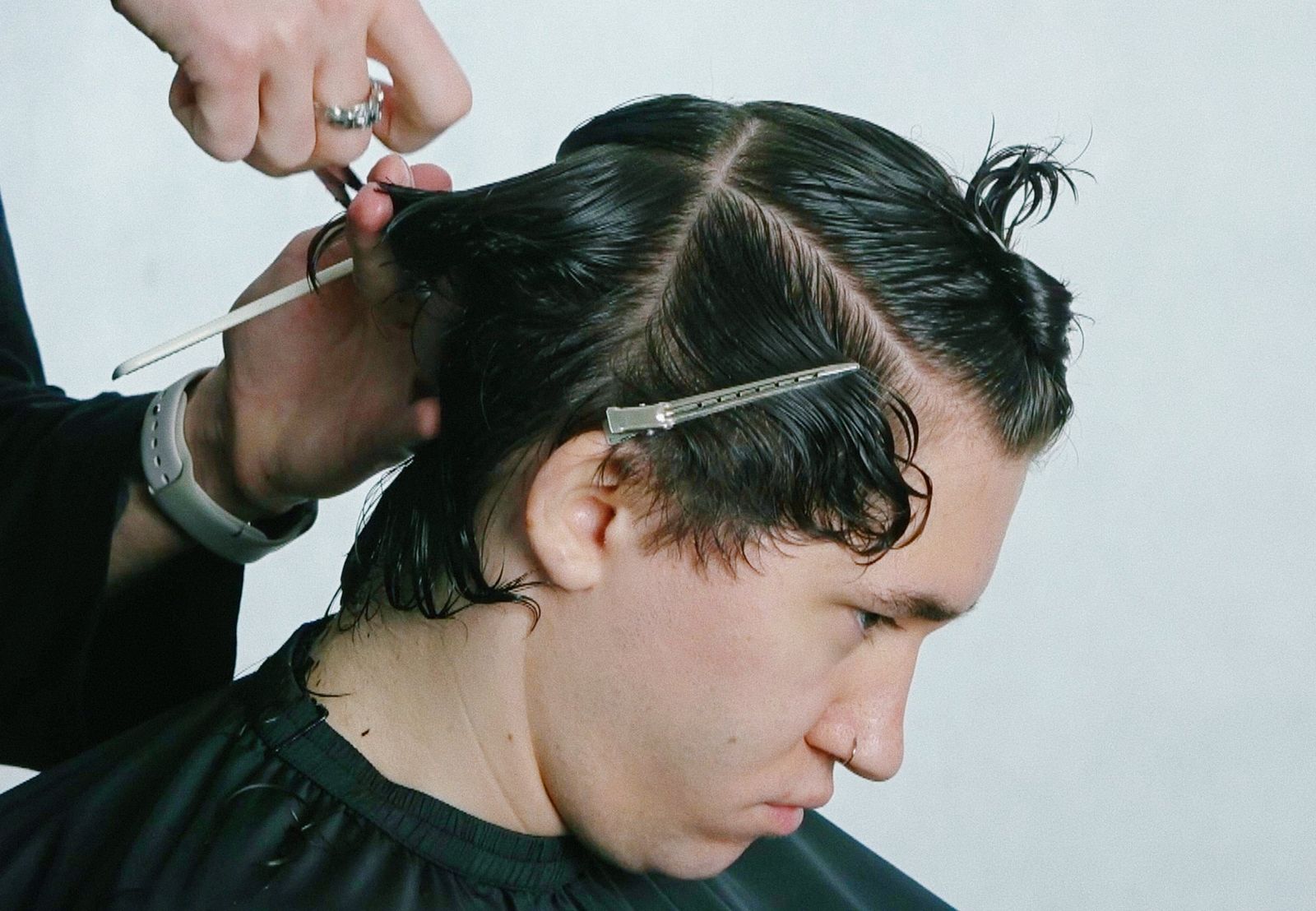
Albert Banaszek guides you through the entire process step by step: from a precise head division with disconnection under the occipital area, through work using three different back-cutting techniques, all the way to building volume on top with the "mandarin" technique (square vertically, circle horizontally). The key here is intentionally building the shape rather than just shortening the hair, which gives full control over the final movement of the hair.
In this course you'll see
- Building the S-shape step by step - how disconnection under the occipital area and varied graduation give the back lightness and movement.
- The full process of an aggressive taper using the assading technique, with the "a millimeter from the zero line" rule, where the shaver never touches the final line.
- The "mandarin" technique on top (square vertically, circle horizontally) for building volume on the fringe rather than at the blend with the sides.
- Intentional disconnection under the occipital bone as a tool to control the weight and shape of the mullet.
- Using point cutting as the default cutting technique for instant texturizing and avoiding heavy, blunt lines.
- Styling that brings out the natural curl with minimal product - matte paste on damp hair and a diffuser on cold air.
After this course, you'll start intentionally designing the mullet shape instead of just shortening the back. You'll gain the craft to work with heavy, wavy hair, turning it into a light, dynamic form that looks great and falls naturally, with no effort from the client.
What you will learn
- 01How to build the S-shape at the back through disconnection and varied graduation.
- 02How to execute an aggressive taper using the assading technique, without the shaver touching the zero line.
- 03How to use the "mandarin" technique to build volume on the fringe.
- 04How to intentionally use disconnection under the occipital area to control the haircut's weight.
- 05Why point cutting is key to instant texturizing and a lighter-feeling cut.
- 06How to dry and style the haircut with a diffuser to naturally bring out the hair's curl.
Before you start
This course assumes you already have:
What's inside
Full access with the course 0:27
0:2701The goal of the cut - an aggressive taper
We'll shorten these sides for our taper and finish it off with a fairly aggressive taper.
 13:26
13:2602Setting the base length at the back
This is our base length. The entire haircut will build off this length.
 31:09
31:0903Softening the disconnection with point cutting
By point-cutting into it, we get rid of it, because it would otherwise be quite visible.
 37:37
37:3704Lengthening the section at the temple
We can lengthen this section slightly to get more length on the fringe.
 47:23
47:2305Fringe length - account for the curl
Remember that curly hair will rise up once it dries.
 1:03:37
06Diffuser drying strategy
I won't fully dry the top - let it curl on its own, I want to focus more on the sides.
 1:11:40
07Deciding where to place the taper
We're not doing a stretched-out taper, more of a tight one.
 1:33:31
08Correcting dark points with thinning shears
We remove them point by point with thinning shears, using an inward motion, not pulling down.
FAQ
Will the Flow Mullet technique work on any hair type?
Is this course suitable for beginner barbers?
What tools are needed to perform this haircut?
Does the course explain in detail how to do an aggressive taper?
What is the "mandarin" technique and what is it used for in this haircut?
How long is the full video material?
Details
Educator
Albert Banaszek
Educator · 2 courses
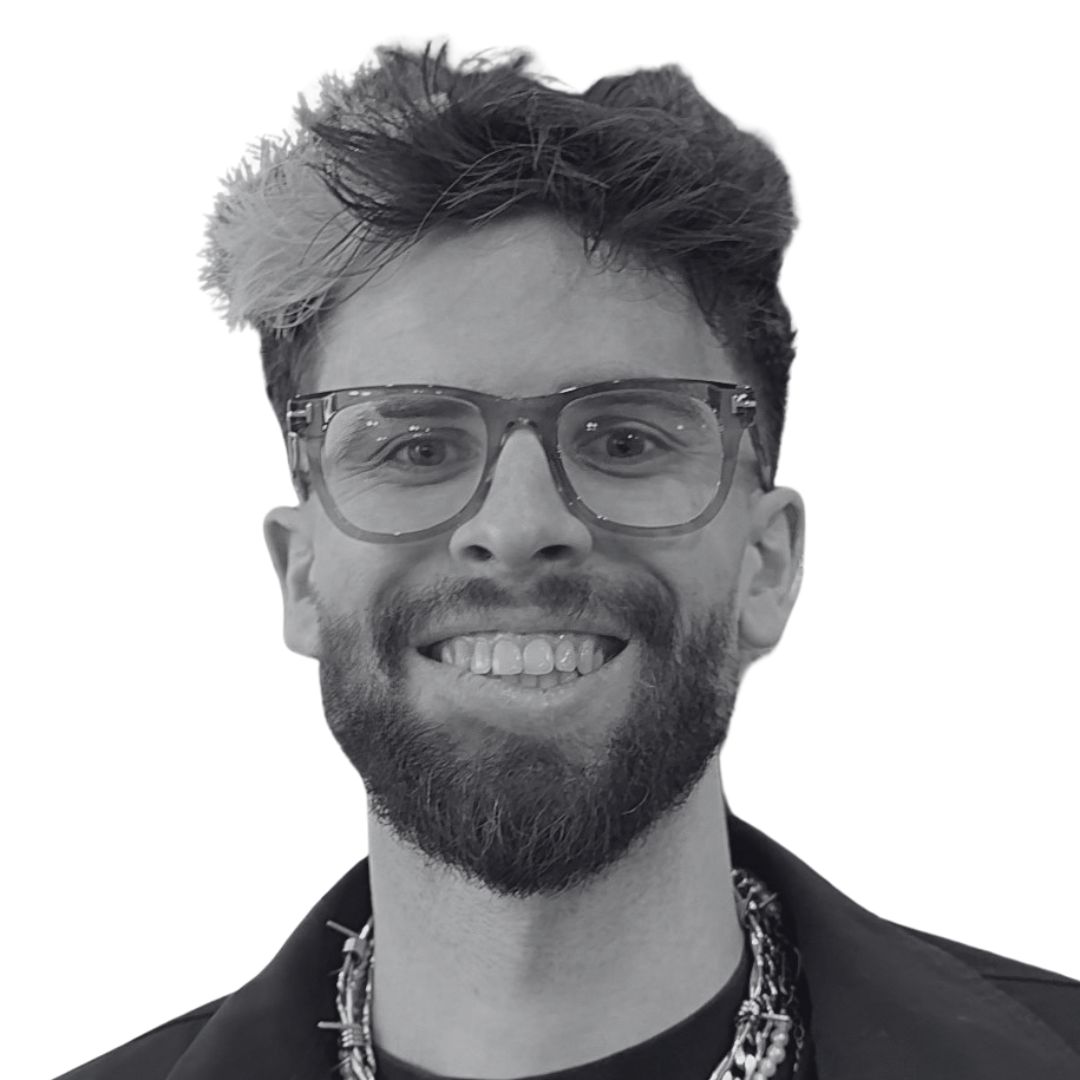
A men's hairdresser with over six years of experience gained at a salon under his brother's brand. In his work, he combines classic fundamentals with a creative approach to shape, focusing on a natural, lightweight finish. In his courses, he teaches how to understand fundamental techniques so you can make your own decisions behind the chair, rather than just replicating hairstyles. He shows how to build a haircut step by step and work with intention on head shape and the natural curl pattern of the hair.
Ready for the next level
Unlock full access to the Connected Hair course library.
Join the Academy