
Form, Disconnection and Texture
A course for hairdressers who want to transform flat, straight hair into a dynamic, texture-rich form. You'll learn how to use disconnection and a razor to build movement and lightness.
Result and process
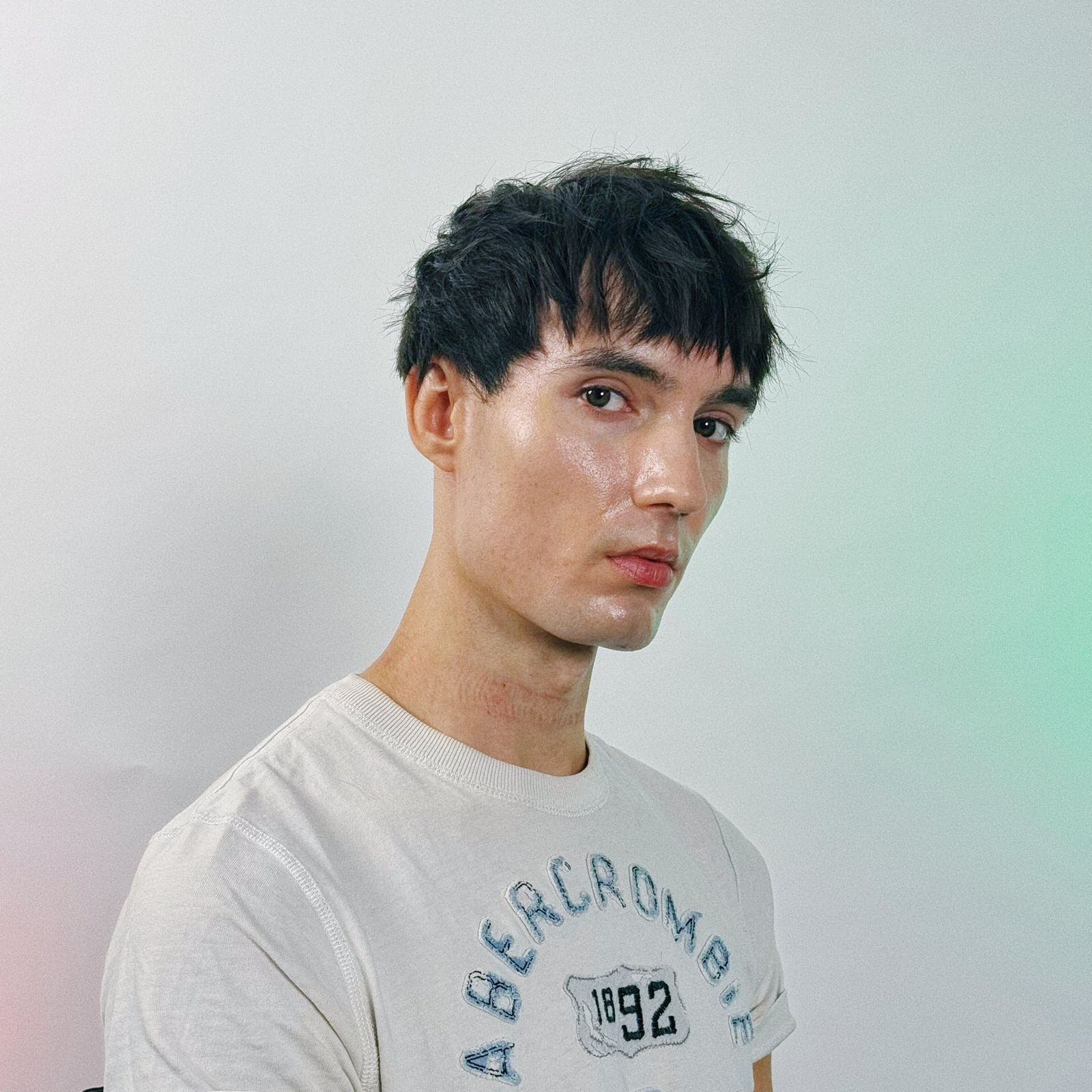
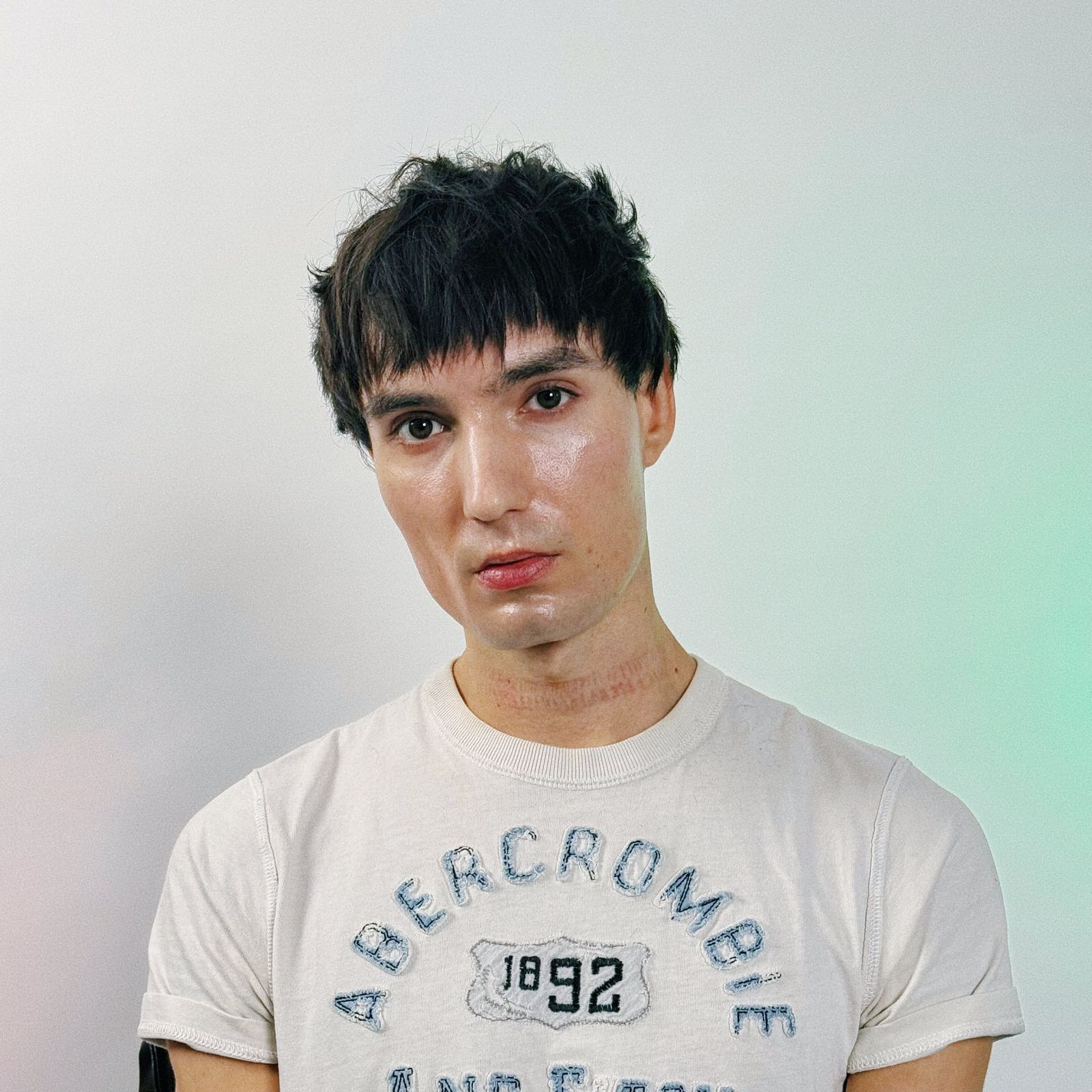
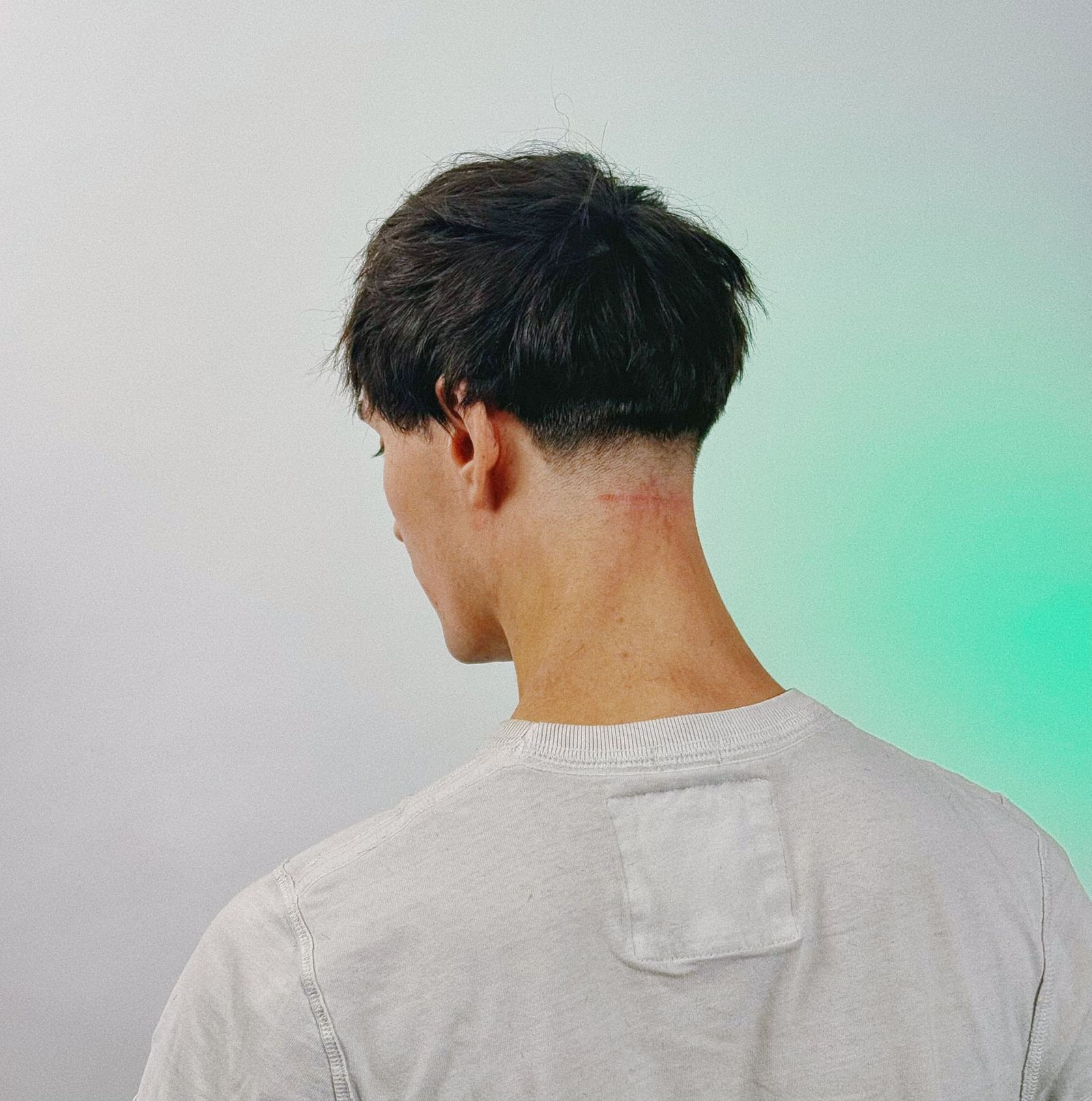
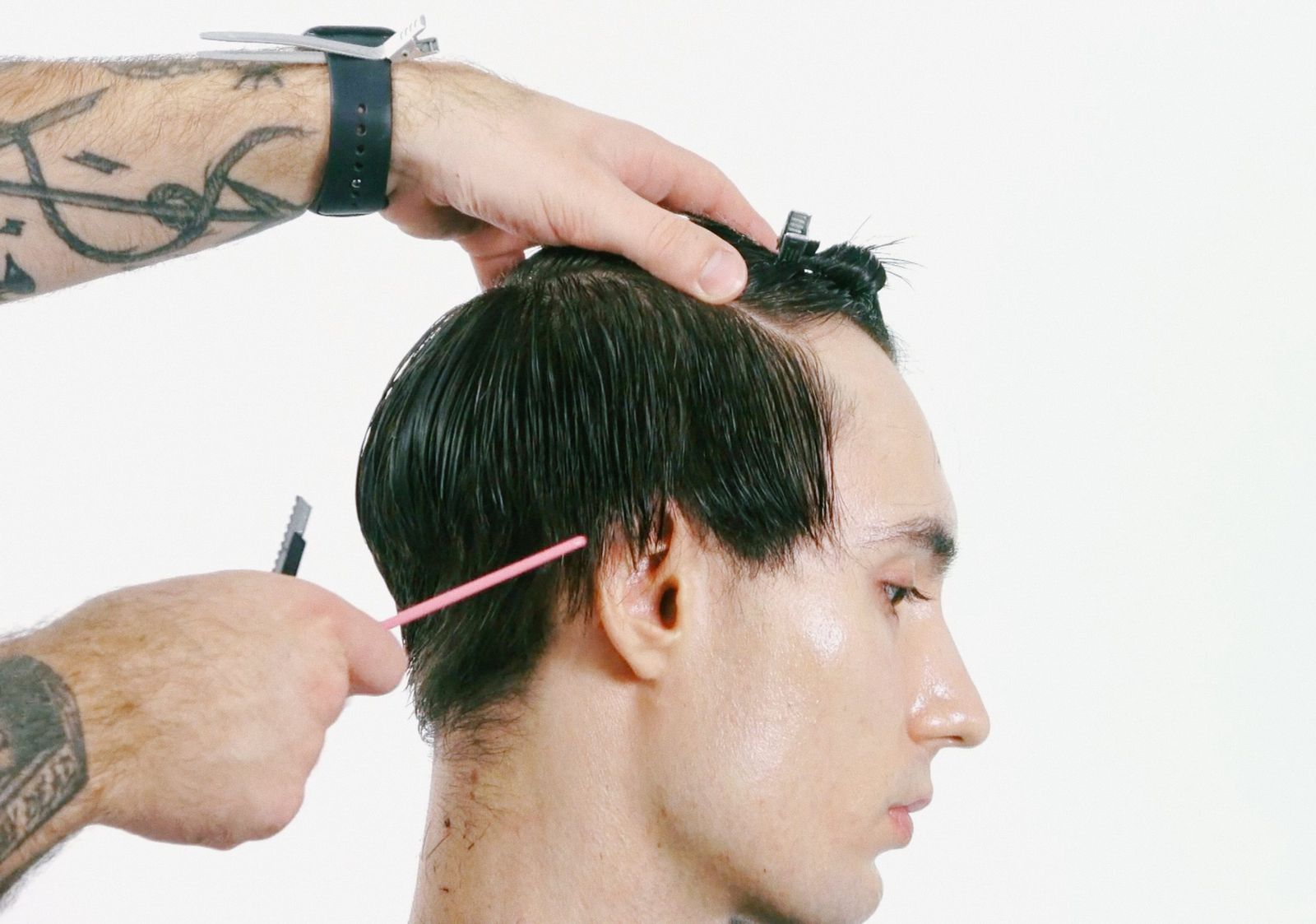
About the course
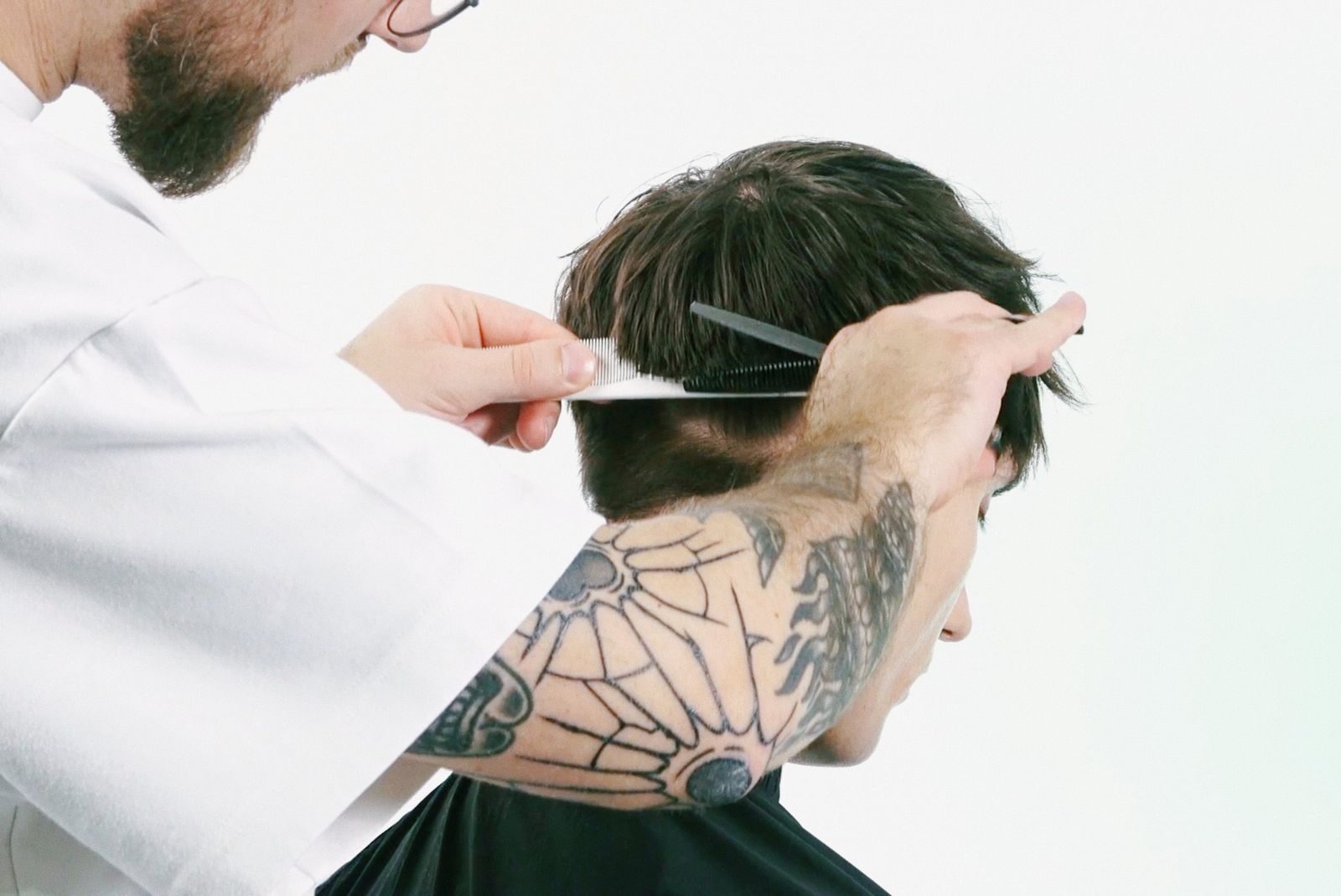
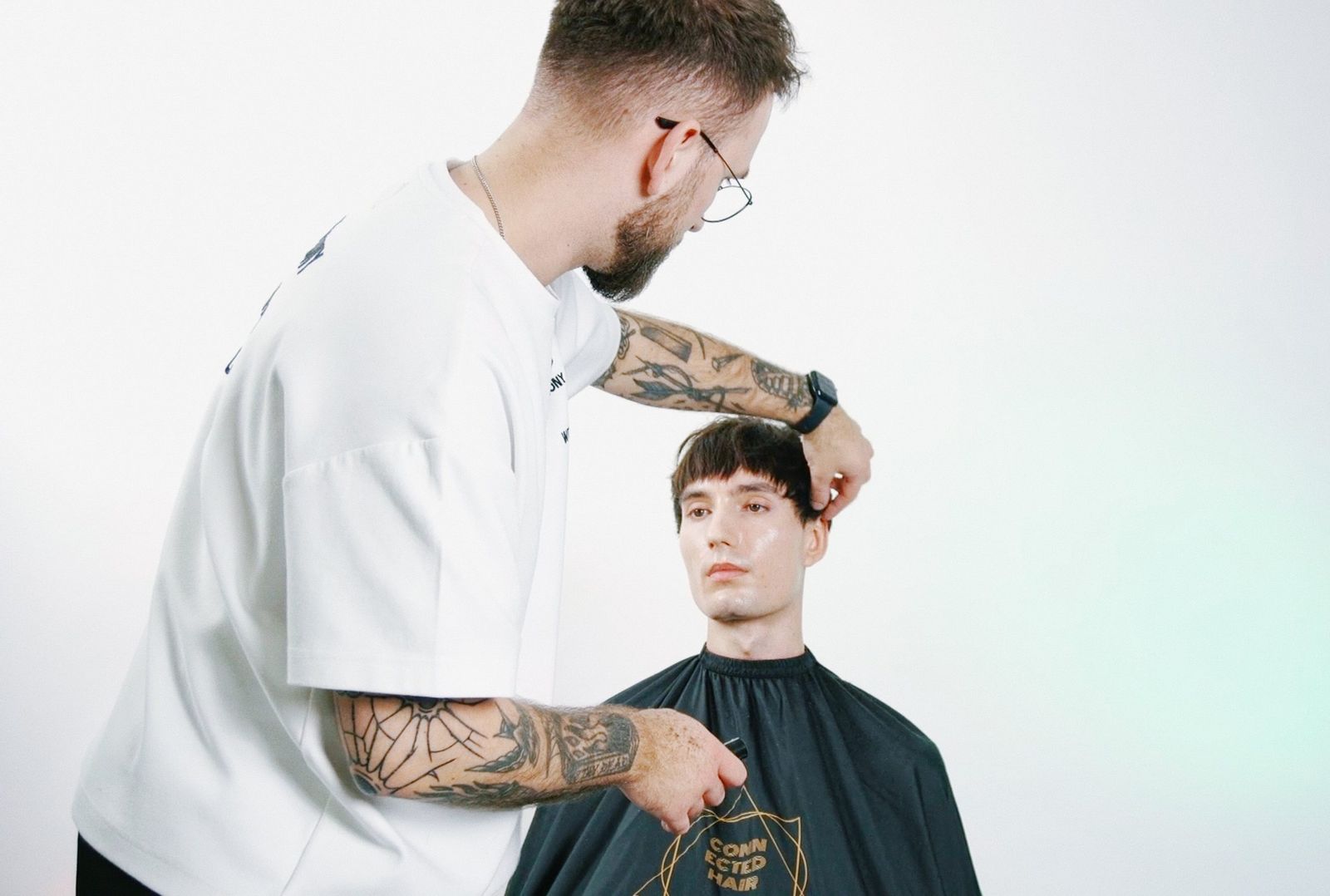
Form, Disconnection and Texture is a record of the thought process behind turning flat, straight hair and a heavily shaved nape from a limitation into the foundation of the entire haircut. The course shows how to transform a "pancake effect" into a dynamic, movement-filled form, where every element - from graduation to razor work - comes from a conscious decision, not from copying a ready-made template.
Marek Krzymiński guides you through the full behind-the-chair decision-making process: from analyzing the hair and existing limitations, through building the form at the nape using the graduation technique, to working with layers on the sides. In the course, you'll see how to use disconnection as a structural tool rather than just a visual effect, how to combine it with graduation and layers, and how to build texture with a razor and the double fringe technique to give the haircut movement and lightness.
In this course, you'll see
- How to use disconnection as a structural tool to blend the graduation at the back with the layers on the sides, then visually hide it.
- Working in the graduation technique with a round shape at the nape - when to comb up from below, and when to direct sections back into the previous one, to build volume.
- Building texture with a razor on the fringe and sides to avoid a "bowl" effect and achieve an irregular, choppy finish.
- The double fringe technique - how to intentionally leave longer strands that create "teeth" and give character to the entire hairstyle.
- A custom approach to prepping the taper at the nape - working with thinning shears over a wide-tooth comb to soften the weight line before going in with the clippers.
- Combining shapes: a round shape on the horizontal plane with a triangular shape on the vertical plane, to achieve lightness and a slim silhouette.
This isn't a tutorial for recreating a single hairstyle. It's a course for hairdressers who want to understand form on a deeper level, consciously control texture, and make decisions based on what they actually see on the client's head. After watching the material, you'll start treating limitations as a creative starting point, and disconnection and texture as precise tools for building dynamic, personalized haircuts.
What you will learn
- 01How to use disconnection as a tool to blend graduation with layers.
- 02When to comb sections up from below, and when to direct them into the previous one.
- 03How to build texture with a razor to achieve an irregular, choppy finish.
- 04How to create a double fringe effect with its signature "teeth."
- 05How to turn limitations, like flat hair, into an asset for the haircut.
- 06How to blend a shaved nape with a longer form using graduation and clippers.
Before you start
This course assumes you already have:
What's inside
Full access with the course 2:28
2:2801The Model's Shaved Nape Problem
My model had a shaved nape, and that shaved section isn't connected to what's above it in any way.
 7:02
7:0202The Principle of Building Volume with Graduation
Where the head starts to round off, I want to build volume.
 26:52
26:5203The Technical Secret of Hidden Disconnection
Technically, if I pull this section out with a comb, you'll see the disconnection.
 40:56
40:5604The Decision for a Triangular Shape on Top
Look at the shape that comes out in my haircut. It's going to be a triangular shape.
 45:01
45:0105Avoiding the Pancake Effect with the Razor
I don't want to cut this to a set rhythm with scissors, because it'll create a flattening effect.
 1:00:34
06Reviewing the Result Before the Taper
We can already see what I wanted to achieve with this cut - a very high amount of texture.
 1:04:04
07The First Taper Step After Thinning Shears
With the weight line prepped like this, I go in with the first guard and the clippers.
 1:15:22
08Final Dry Texture Personalization
Time for a bit of personalizing - we'll notch it with scissors on dry hair.
FAQ
Who is this course for - beginners or advanced hairdressers?
Will this technique work on curly hair?
What non-standard tools are needed for this haircut?
Does the course show how to deal with a growing-out, shaved nape?
Is the disconnection visible in this haircut?
How long is the entire course?
Details
Educator

Marek Krzyminski
Educator · 8 courses
Barber and men's hairdresser, creator of the FUTURE MEN'S HAIR project and author of the book "MODERN x OLDSQL HAIRCUTS MIXTAPE." His analytical approach to cutting is built on geometry and kinetics, allowing for precise breakdown of every form. As an educator, he emphasizes building a hairstyle with intention and understanding the fundamental techniques. Silver medalist at the WELLA NATIONAL TREND VISION AWARD 2021 in the Men's Hair category.
Ready for the next level
Unlock full access to the Connected Hair course library.
Join the Academy