
Textured Mod
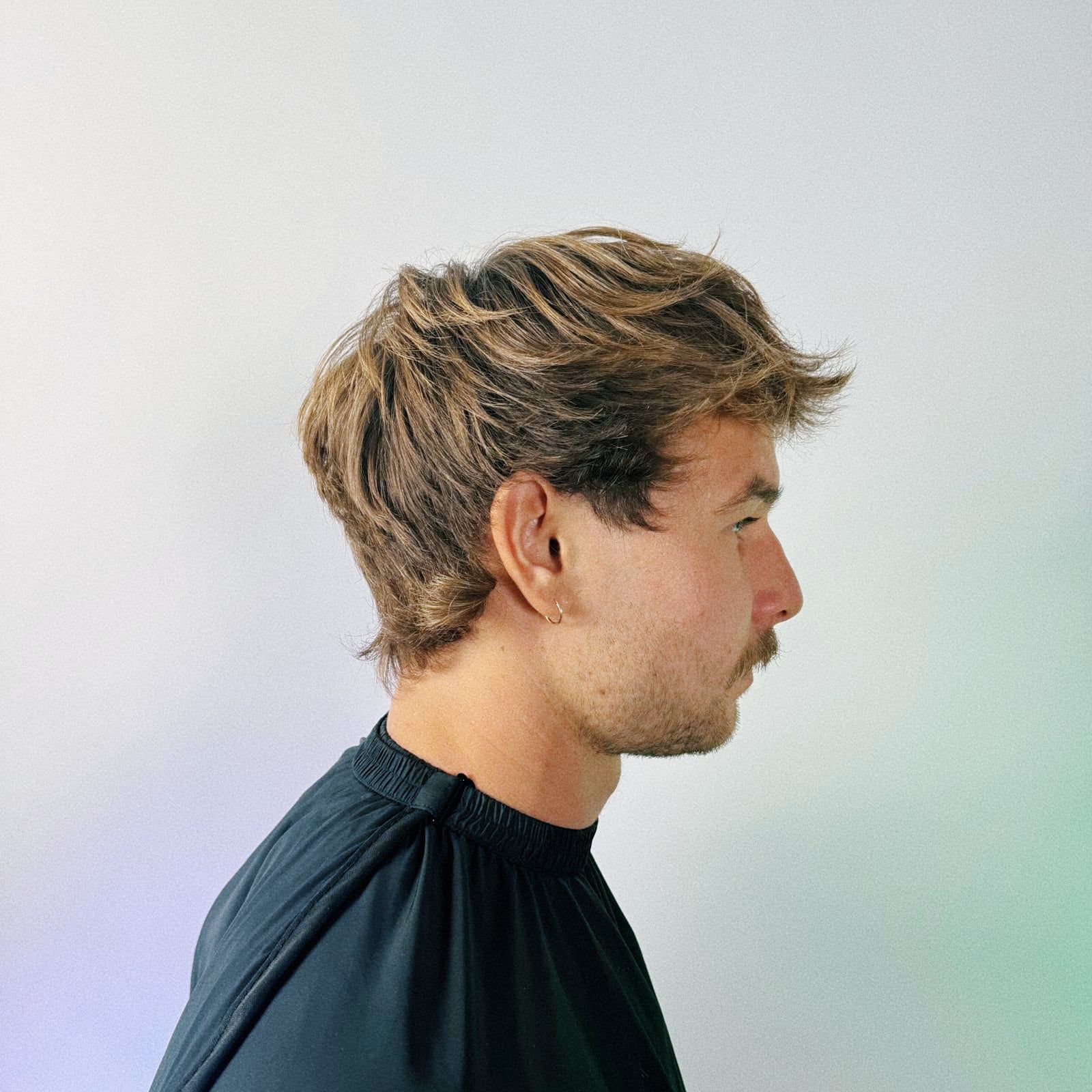
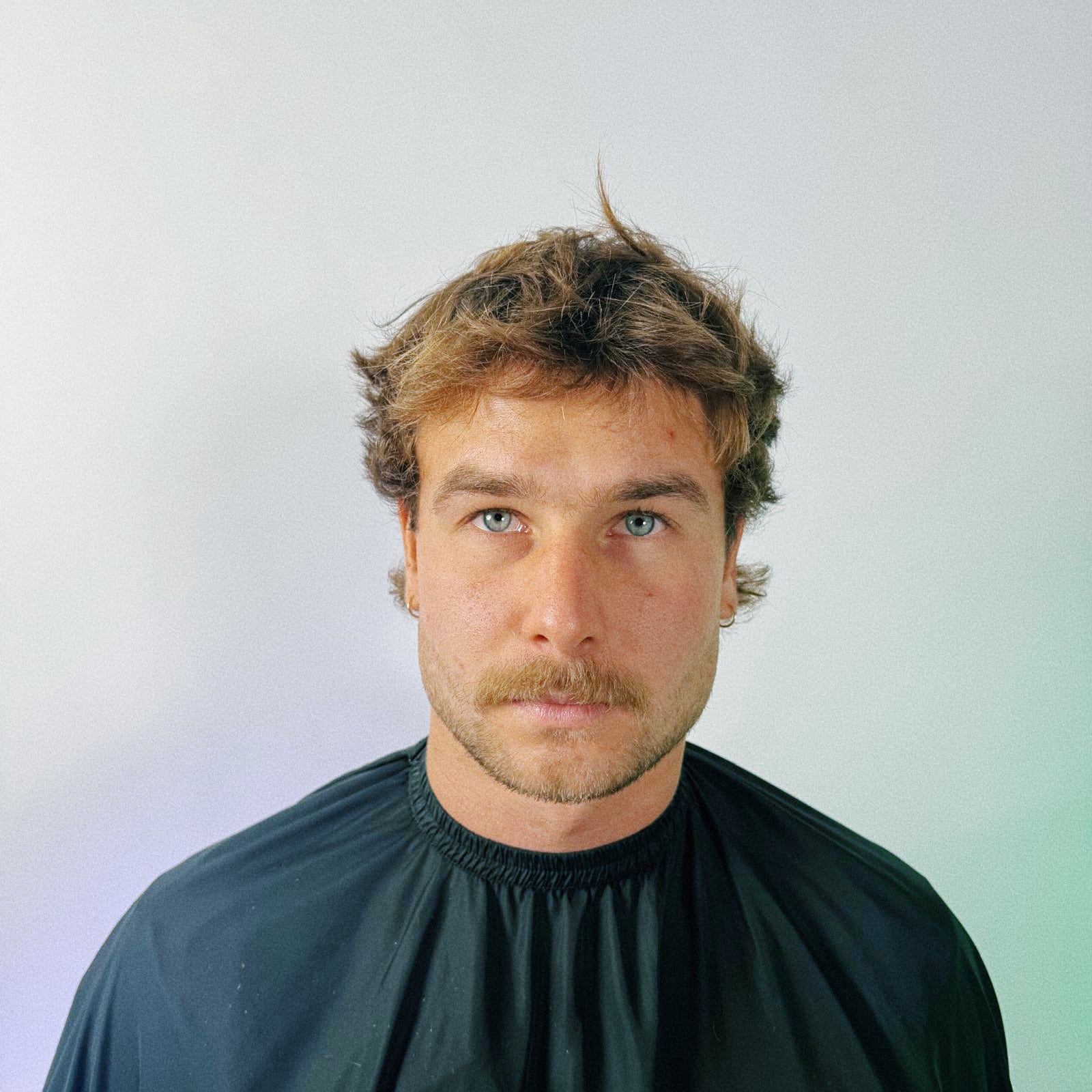
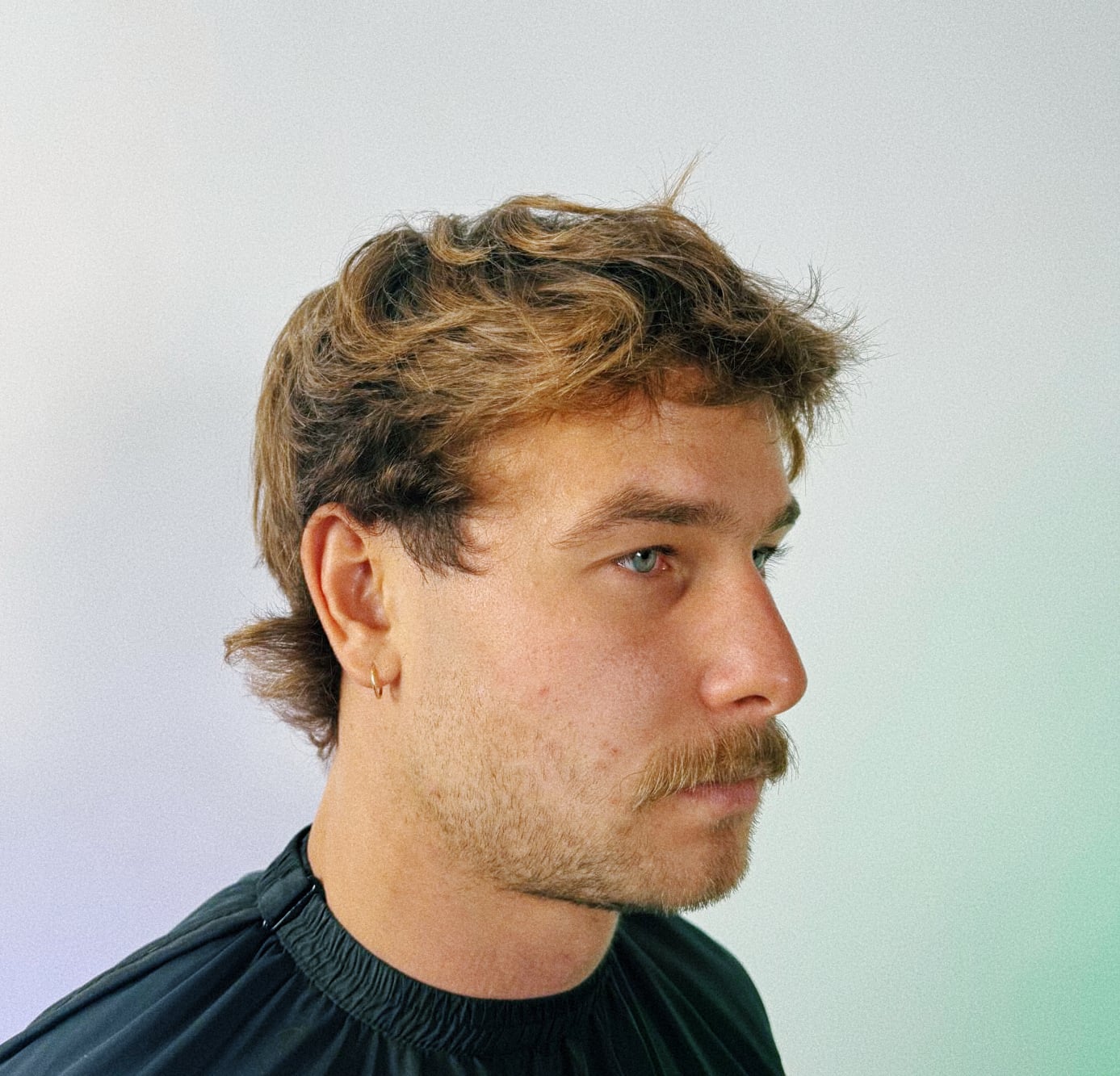
A men's cutting course done entirely with scissors. Learn to build a square shape with texture and controlled weight, combining layers with graduation for natural, wearable movement.
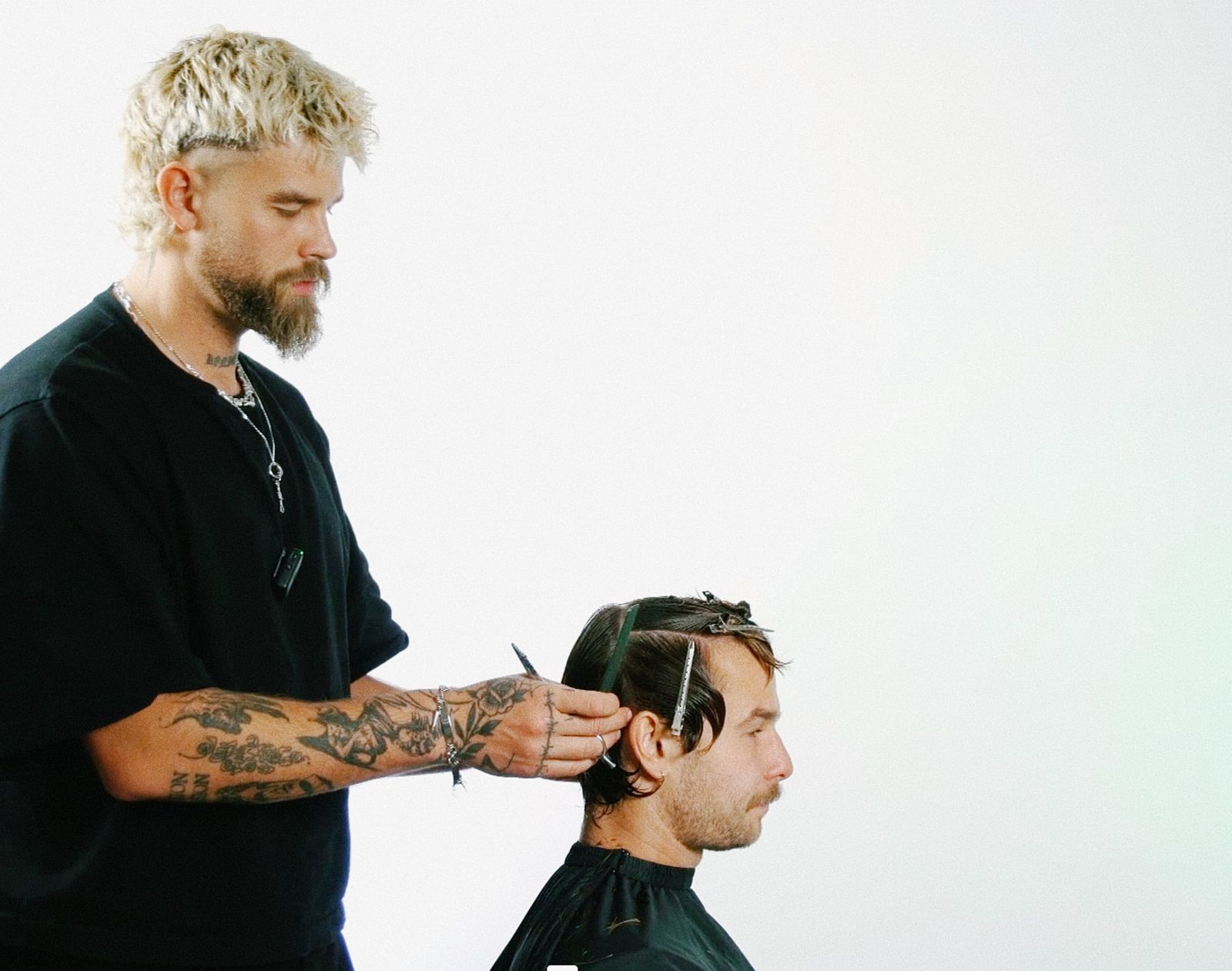
Result and process
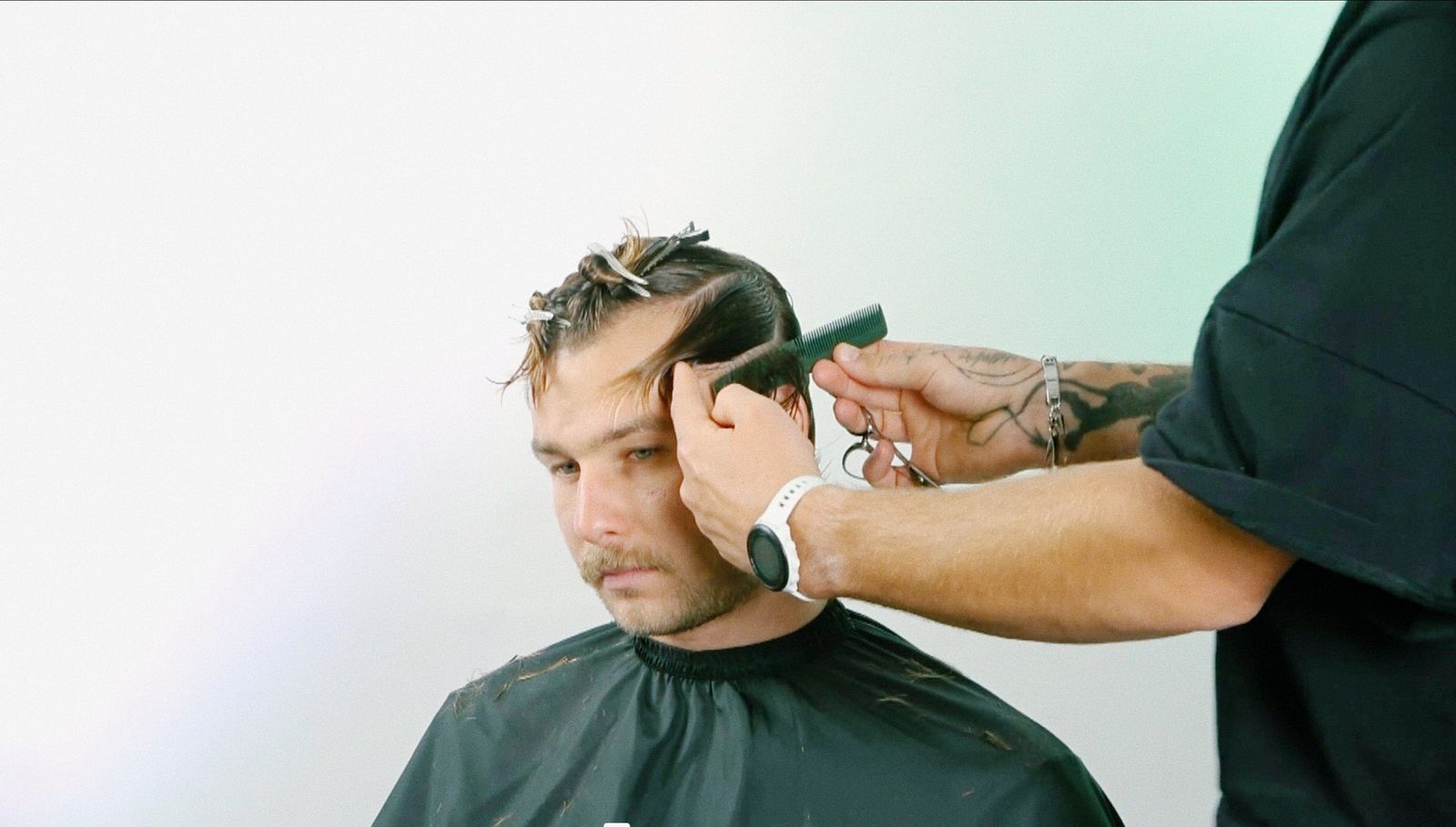
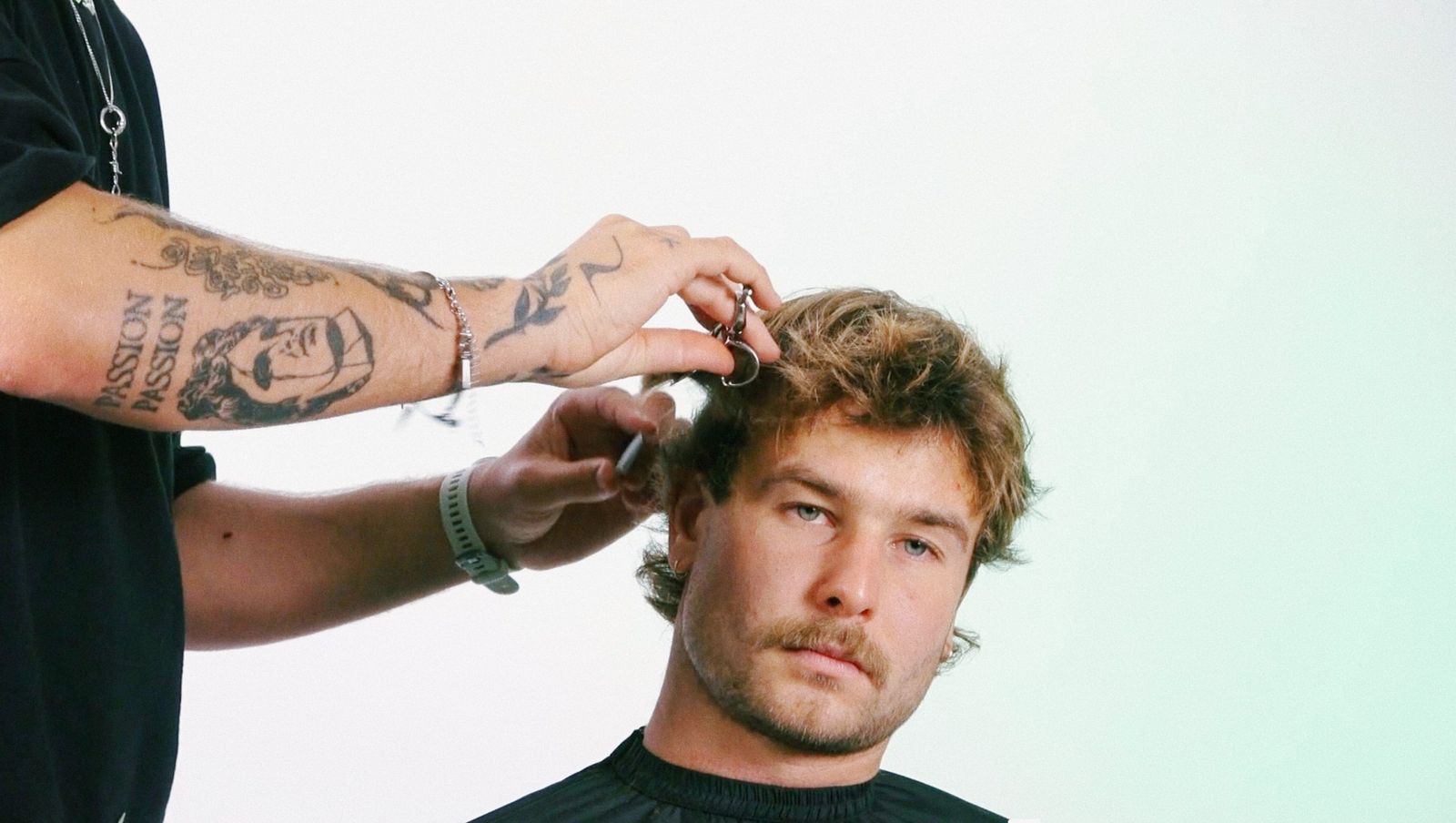
About the course
Textured Mod is a contemporary take on the classic men's haircut, built entirely with scissors - no clippers, no sharp contours, no single-length blueprints. This course shows how to work with intention through shape, layers, and graduation to create a haircut with natural movement, controlled weight, and a square outer frame that's fully wearable day to day.
Mateusz Banaszek guides you through the entire design process: from analyzing head shape and hair growth, through sectioning based on anatomy, to work on the back of the head-where layers create lightness and selective graduation builds weight over the occipital bone without drifting into mullet territory. Work on the sides is about building a stable square, while the top is about intentionally introducing texture as a structural element, not just a finishing touch.
In this course you'll see
- Combining layers and graduation at the back of the head - how to create a light center and weight over the occipital bone without it turning into a mullet
- Building a square outer frame on the sides and top as the foundation of the whole shape, one that holds up in movement
- Working on the fringe with a shorter center and longer sides, which lifts the haircut and opens up the face without hair getting "glued" to the forehead
- Deep point-cutting and texturizing at the crown as a construction tool, not just a final finishing detail
- Working the back of the head in five sections around the circle, allowing full control over shape and hair dynamics
- Deliberately creating disconnection between the clean square line and the choppy, uneven texture on top
- Personalizing and cleaning up contours without clippers, to keep the fully natural, soft character of the haircut
After this course, you'll start thinking about cutting through the lens of shape, not just length. You'll understand how layers, graduation, and texture work together to create a cohesive, wearable shape. This is material for hairdressers who want to move away from templates and clippers in favor of intentionally designing modern men's haircuts that clients can wear effortlessly every day.
What you will learn
- 01How to combine layers and graduation at the back of the head to avoid a mullet.
- 02How to build a stable, square outer frame using scissors only.
- 03How to cut a fringe with a shorter center so it lifts the whole haircut.
- 04How to use deep point-cutting to build structure, not just as a finishing touch.
- 05How to create sectioning based on head anatomy rather than a template.
- 06How to achieve soft, natural contours without using clippers to create the shape.
Before you start
This course assumes you already have:
What's inside
Full access with the course 1:10
1:1001Planning the haircut during consultation
We'll raise the fringe line to open up the face, which will make the hair look visually fuller.
 12:22
12:2202Decision: layers instead of graduation
I'll switch to working in layers to get that lightness and shorten this top.
 24:32
24:3203Adding graduation after layers
I've done the layers and now I'm adding graduation on the sides, which will connect into a triangle at the back.
 34:36
34:3604The key to square sides
I try to move in a straight line, not rounding it off, because I want longer corners.
 44:06
44:0605Practical fringe cutting
I'm not gluing it to the forehead, because that's an impractical move-that hair will never actually look like that.
 52:22
52:2206Intentionally creating unevenness
I'm heavily texturizing the hair, some strands are longer, some shorter-that's what works for this haircut.
 1:08:30
07Natural nape contour with clippers
Clippers from the bottom up, not top down, so I don't create an even cut line, which would be visible.
 1:12:15
08Texturizing with texturizing shears at the back
I've got the texturizing shears set toward the graduation, and I'm gently cutting in, lifting up my triangle.
FAQ
Is this course suitable for beginner hairdressers?
Do you need clippers to create this haircut?
How long is the video material?
Does Mateusz explain how to avoid a "mullet" effect with a longer back?
Will this technique work on straight hair?
What tools are key to this technique?
Details
Educator
Mateusz Banaszek
Educator · 4 courses
One of the pioneers of barbering in Poland, creator of the educational project Future Classic and co-creator of the BARBERGROUND trade fair. In his teaching, he emphasizes solid foundations and in-depth analysis - from head shape to the client's overall silhouette - which he considers the key to creativity. His approach combines classic techniques with a modern, holistic view of working in the salon, styling, and building an image.
Ready for the next level
Unlock full access to the Connected Hair course library.
Join the Academy