
Wavy Mullet
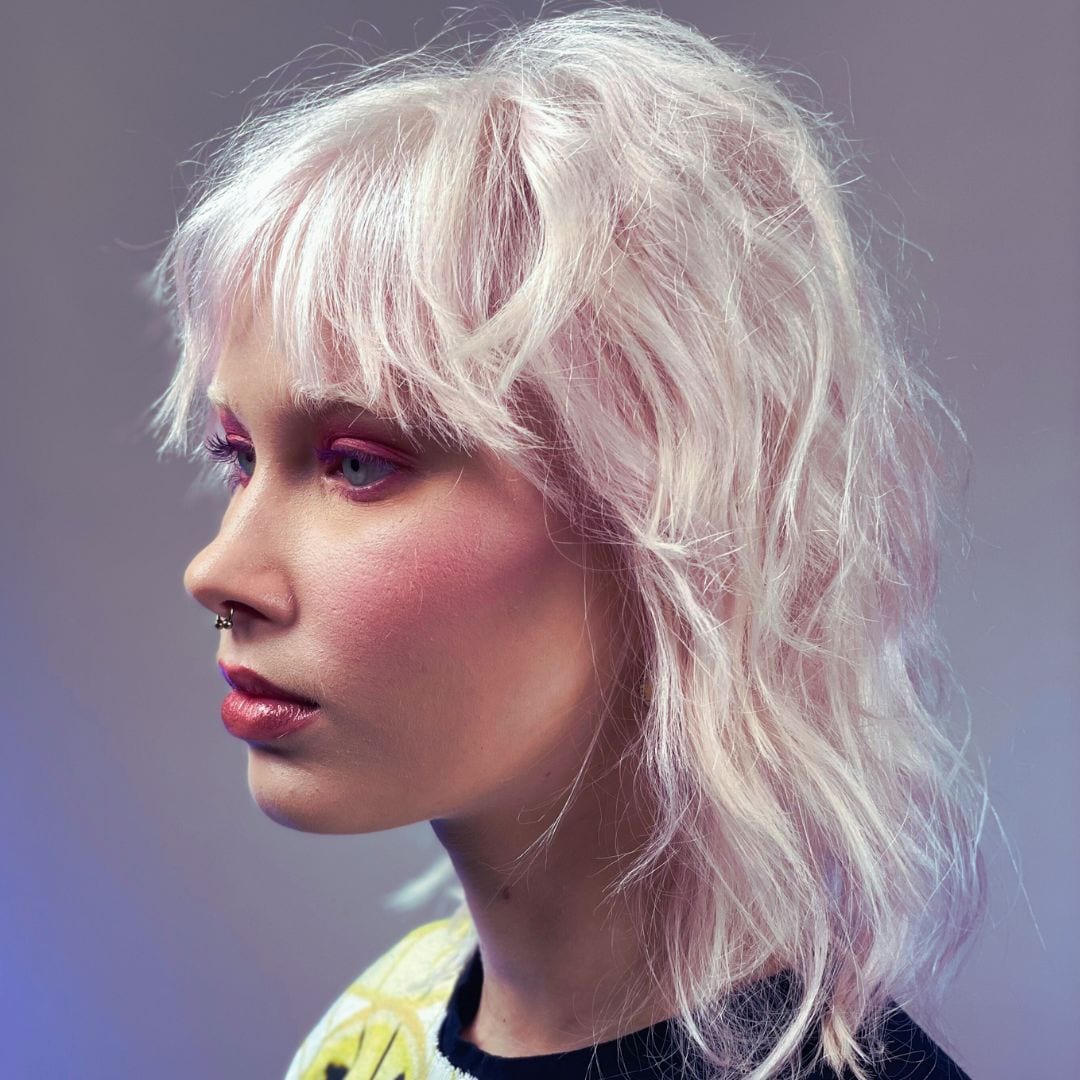
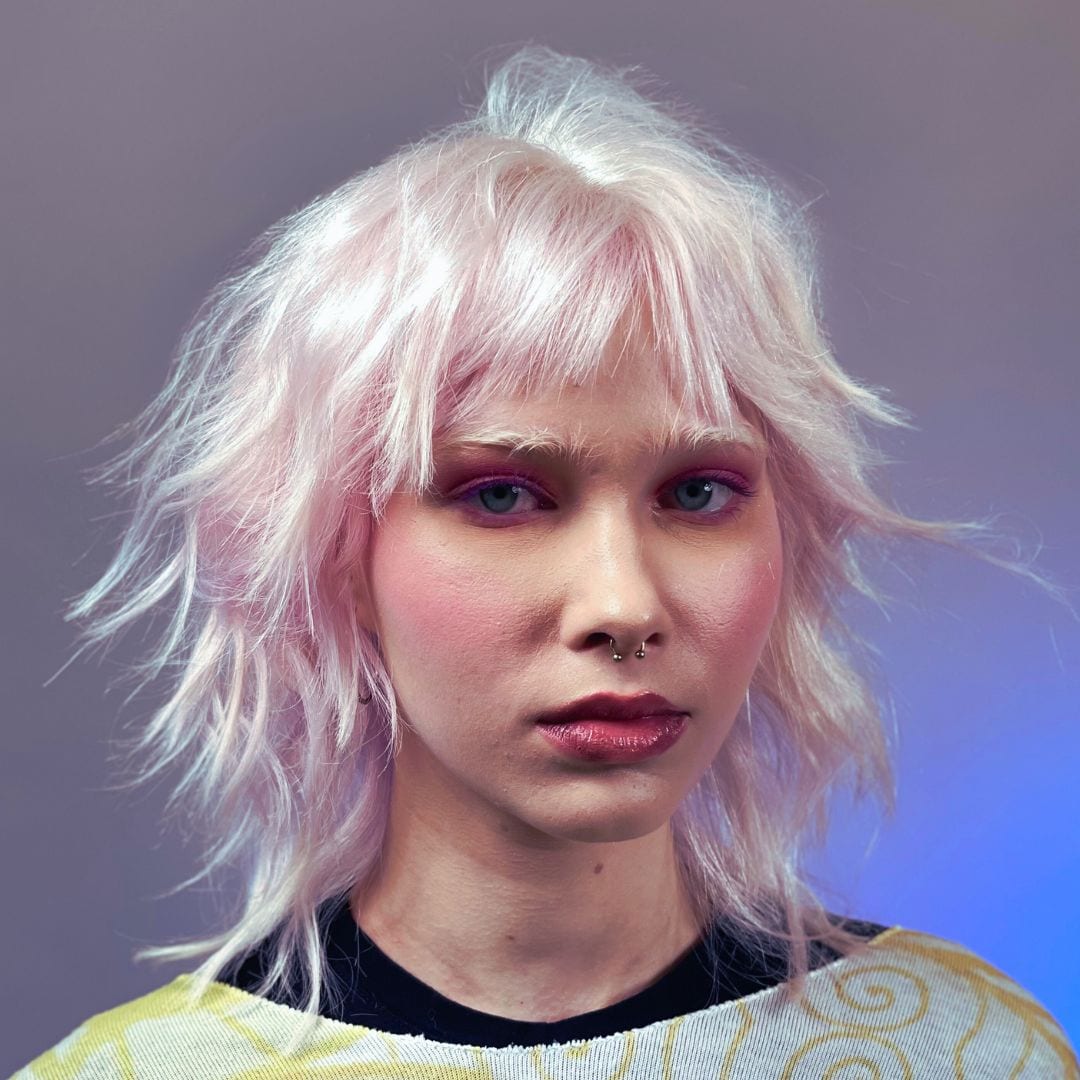
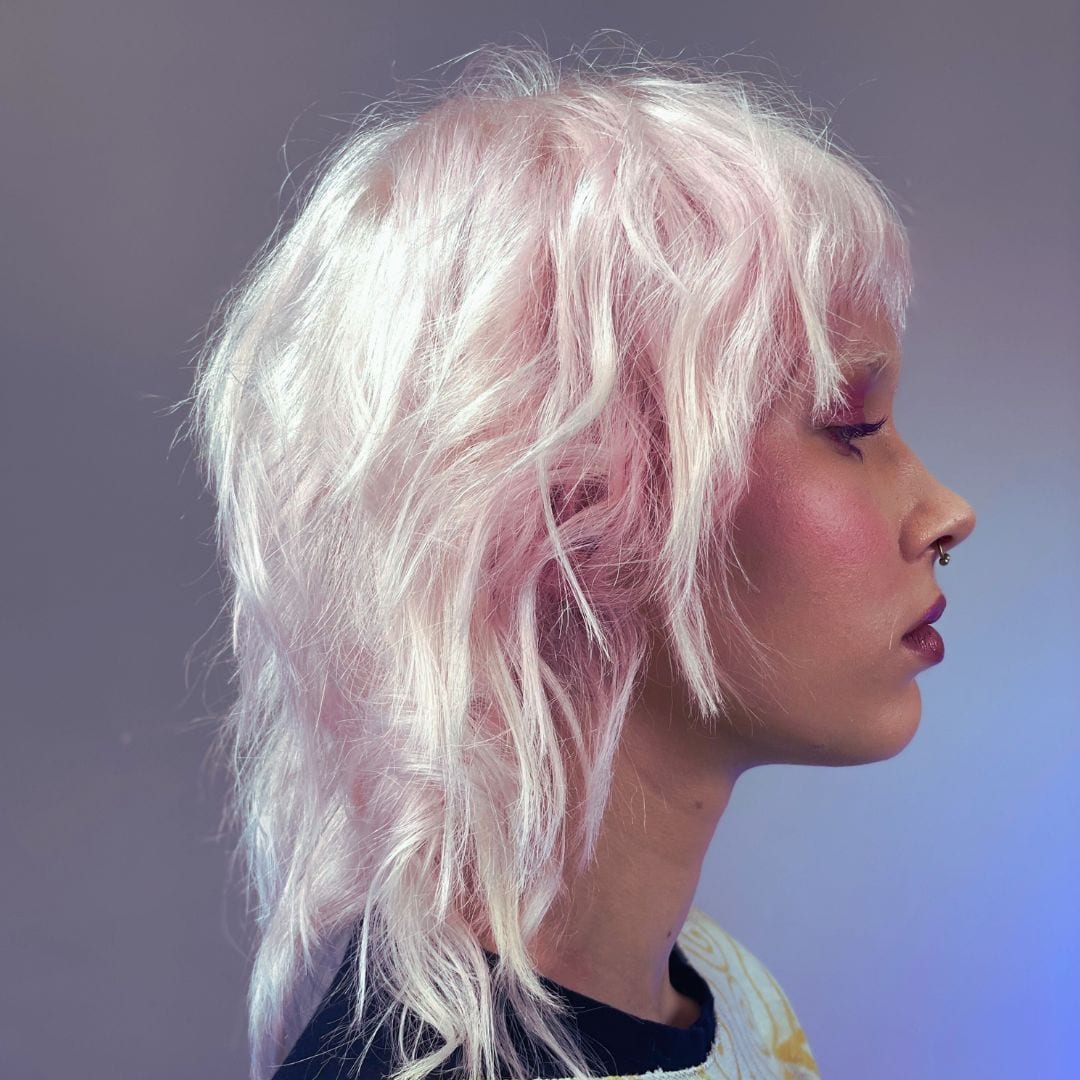
The Wavy Mullet cutting course teaches you how to create a modern, texture-rich hairstyle with disconnection. Master scissor and razor work to achieve a bold yet practical look for your client.
Result and process
About the course
Wavy Mullet is a modern women's haircut combining the aesthetic of a wolf cut with the classic disproportion of a mullet: short front and sides with an elongated back. The course shows how to build a hairstyle full of texture and movement-bold and expressive, yet mindful of practical client needs, such as being able to tie back the longer sections.
Tymoteusz Pięta guides you through the entire process of creating the hairstyle, from consultation and disconnected sectioning through to the final styling. Step by step, he shows how to work with scissors on the sides to build the shape, then how to use a razor to layer the top and create soft, textured transitions. A key element is intentionally building volume at the nape, which overlaps the longer, preserved back section.
In this course, you'll see
- Razor work - how and when to use it to create softness and texture that can't be achieved with scissors alone
- Intentional disconnection - how to separate the crown and fringe section so the top of the hairstyle remains an independent, shorter element
- Building volume at the nape - cutting a shorter section of hair at a 90-degree elevation, which creates support and smoothly overlaps the longer back
- Cutting the sides in diagonal sections, combed forward, to preserve elongation toward the back of the head
- A fringe-cutting technique from the center outward, combing section to section for a soft arc
- Final styling for "broken waves" - how to use a flat iron to create tousled texture with straight ends, and set it with mousse
After this course, you'll start working with intention when using disconnection and different tools to build complex, textured shapes. You'll learn to create hairstyles that respond to the latest trends, letting you step outside the box and offer bold clients individual, characterful cuts.
What you will learn
- 01How to use the razor to create soft texture.
- 02How to intentionally create disconnection between the top and the rest of the hairstyle.
- 03How to build volume at the nape so it lifts the top section of hair.
- 04How to cut the sides in diagonal sections to preserve length at the back.
- 05How to cut the fringe so it gently elongates toward the sides.
- 06How to style the hairstyle with a flat iron to achieve a broken-wave effect.
Before you start
This course assumes you already have:
What's inside
Full access with the course 2:00
2:0001Defining the side zone
This is what my side zone will look like for this haircut.
 8:25
8:2502Determining length on the sides
We're determining the lengths. We'll do this by combing essentially horizontally, so there's lightness here.
 14:48
14:4803Transitioning to razor work
I'll be using the razor now, so I'm gently applying oil to this hair.
 24:08
24:0804Warning when cutting the back
Remember, when cutting the back this way, it's very important not to round it off.
 27:19
27:1905Layering the top across the center line
We'll layer this with the razor on both sides, crossing the center line.
 43:46
43:4606Channel cuts technique for softening
These so-called channel cuts will smooth things out and let us connect these two lengths.
 53:55
53:5507Styling the wave with straight ends
We want straight ends, straight ends.
 58:48
58:4808Product choice - why not hairspray
I don't necessarily like hairspray for situations like this, because the hair doesn't work the way it can.
FAQ
What tools are needed for this haircut?
Will this technique work on straight hair?
Will the client be able to tie their hair back after this cut?
Do I have to use a razor, or can I do this with scissors alone?
What does disconnection mean in this hairstyle?
Is this haircut suitable for every client?
Details
Educator
Tymoteusz Pięta
Educator · 2 courses
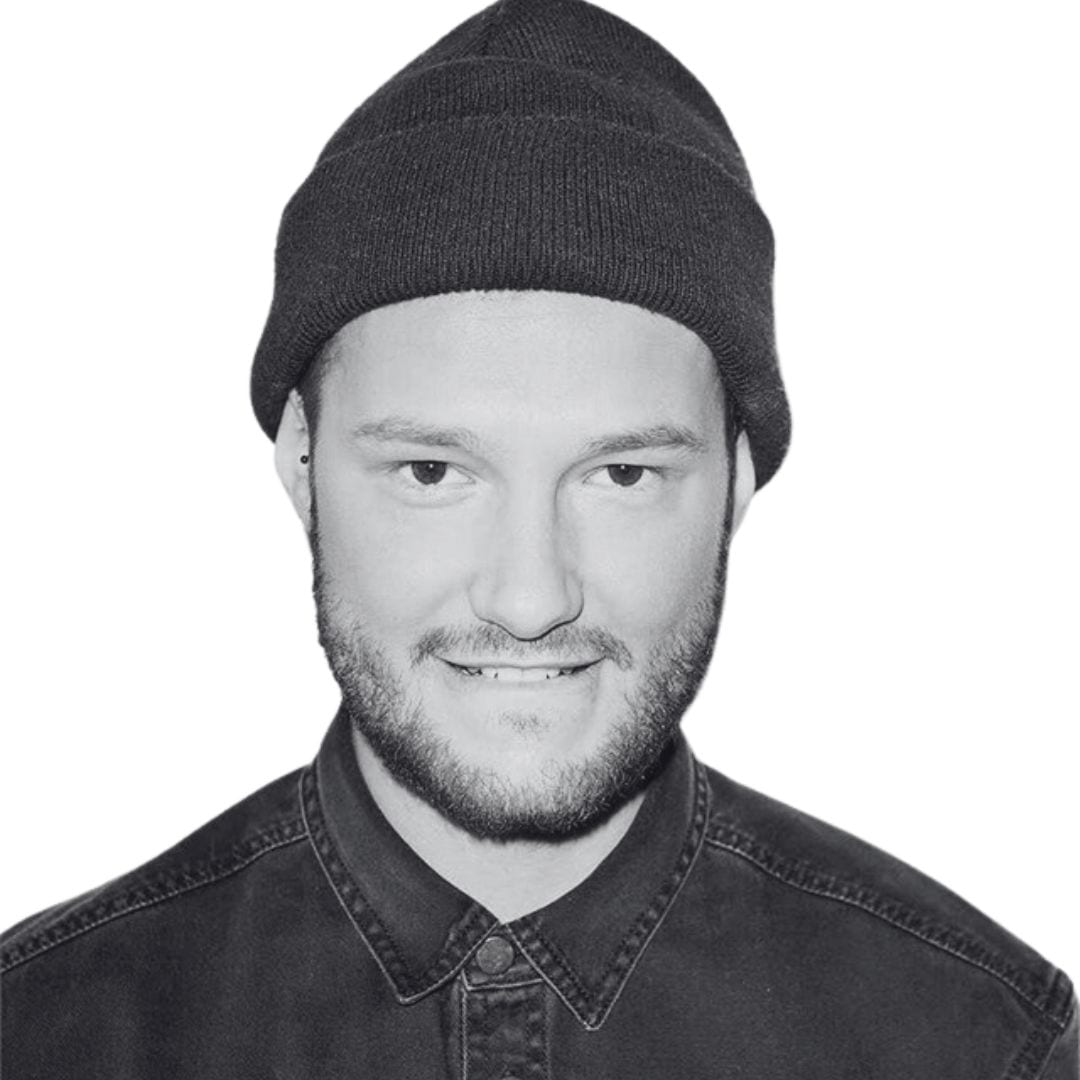
Founder of the HAIRMATE brand, leading a team of over 100 people across 10 salons in Poland. His styling work has been featured in Vogue and Elle, and his list of commercial collaborations includes brands such as Dior, Yves Saint Laurent, and Armani Beauty. In his teaching, he combines the precision of geometric cuts with French lightness and texture, placing emphasis on hairstyle mobility and its intentional connection to styling.
Ready for the next level
Unlock full access to the Connected Hair course library.
Join the Academy