Disconnected Mullet
 The result and the process
 What you'll learn
 What you'll learn
How to plan the cut so that the sides and back look like a cohesive whole.
How to cut the back using a circular horizontal layering technique for maximum movement.
How to create volume and texture on the sides with a diagonal cut.
How to direct the strands to a single point to achieve a smooth, elongated look.
How to create a high taper using the step-down technique, starting from the roots and working toward the crown.
How to blend the top with the sides while maintaining the overall look of the hairstyle.
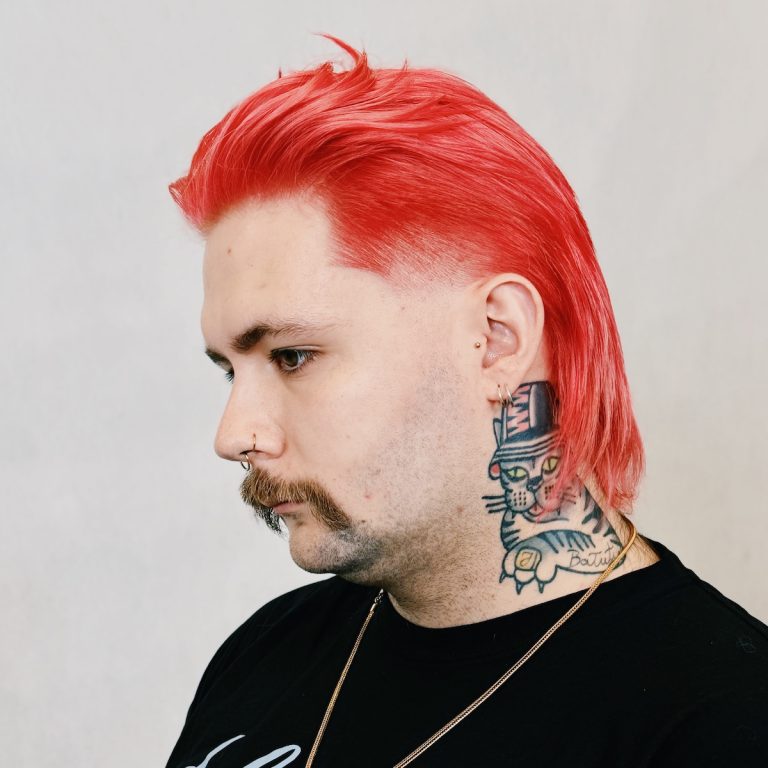
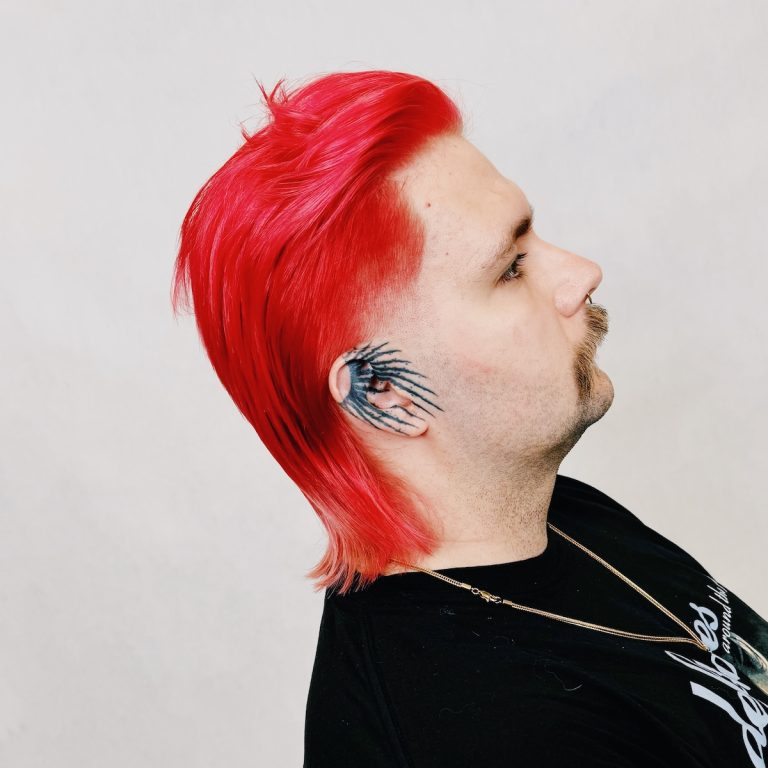
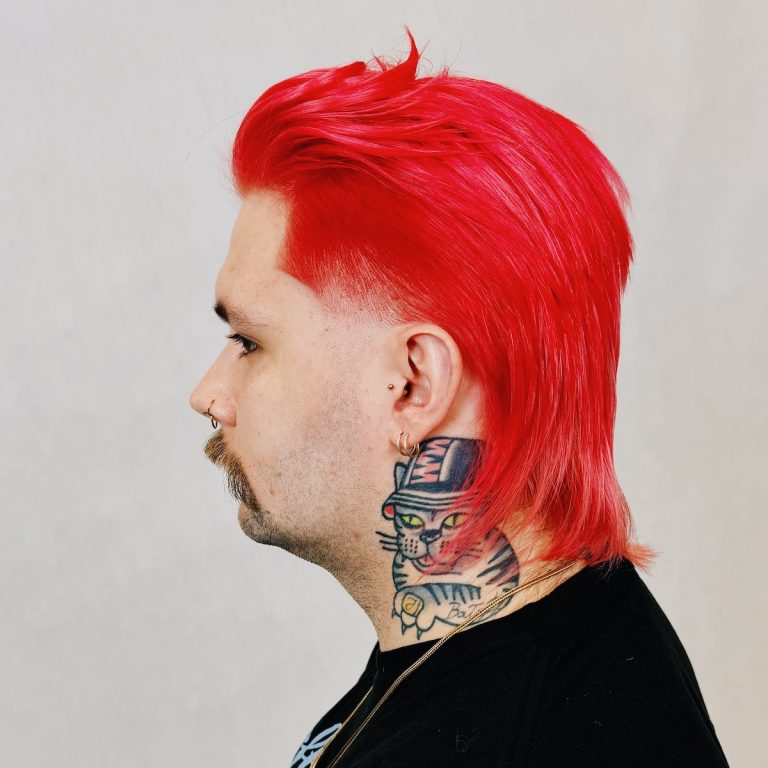
The Disconnected Mullet is a modern, commercial take on a classic style that combines the precision of a high taper with the creative freedom of a disconnected cut. This course demonstrates how to consciously separate the sides from the back, creating a hairstyle with a distinct character that simultaneously forms a cohesive, dynamic whole. It is a technique for clients seeking an expressive style that is no longer just an alternative, but a conscious, elegant choice.
Karol Roliński walks you through the entire cutting process step by step, from precisely dividing the head into symmetrical sections, to building the shape at the back using the circular layering technique, all the way to cutting the sides diagonally. You’ll see how the first three strands on the side are used to create lightness for the taper, and each subsequent strand is redirected to strand number four to systematically build volume and length toward the back. It’s this deliberate control of weight and lightness that defines the final shape.
In this course, you'll learn:
- The deliberate contrast between the sides and the back—how to style it so the haircut looks visually cohesive without a physical connection
- Cut the back using horizontal layers in a circular motion to create maximum movement and lightness in longer hair
- Working the sides in diagonal sections—the first three sections create lightness, and each subsequent section is directed toward the fourth to create a gradient and length
- Creating a high taper using the step-down technique, starting with clipper work, followed by detailed blending with a clipper along the comb, and finishing with a shaver
- Separating and maintaining the length of the bangs, which remain separate from the rest of the hairstyle, creating a key element of the look
- Connecting the top to the sides while maintaining a break from the back—the key to the overall coherence of the form
- Complete the final styling by using a grooming spray and a wet-look product to enhance the texture and add volume to the hairstyle
After this course, you’ll start to view the mullet as a deliberate tool for shaping hair, rather than something to be avoided. You’ll learn how to create a commercial, modern take on the mullet that’s both bold and elegant. You’ll gain the skills to offer clients seeking a unique style a haircut that combines the technical precision of a taper with the creative freedom of longer styles.
What's inside
Full access to the course
 What's inside

Symmetrical sections for disconnection
"We will work in symmetrical sections because the power will be shut off here."

Using your body when cutting in a circle
"When we work in a circle, we also have to use our legs and body posture."

Choosing a technique for colored hair
"We won't be using a Chinese comb here, because the hair is dyed and might frizz."

The transition from lightness to gradation
"We have three levels of lightness, and now we're moving on to gradation—that is, building heaviness."

The concept of a square triangle on the crown
"I call it a 'square triangle'—just a slight elongation of the bangs, and that's it."

Note: We do not reconnect power
"Once we catch that wave, it'll be begging to be cut, but that's exactly what we don't cut."

The motion slide technique with a taper
"I'm using the motion slide here, right? So I walk up and trim it with the clippers."

A wide comb as a safety zone
"It's kind of my safe zone. I'm not afraid to do anything on it."
 Frequently Asked Questions