
Color Neutralization
A neutralization course for hairdressers who want to avoid flat, "muddy" blondes. See how to add warm pigments to a cool mix to achieve a luminous, multi-dimensional color.
Result and process
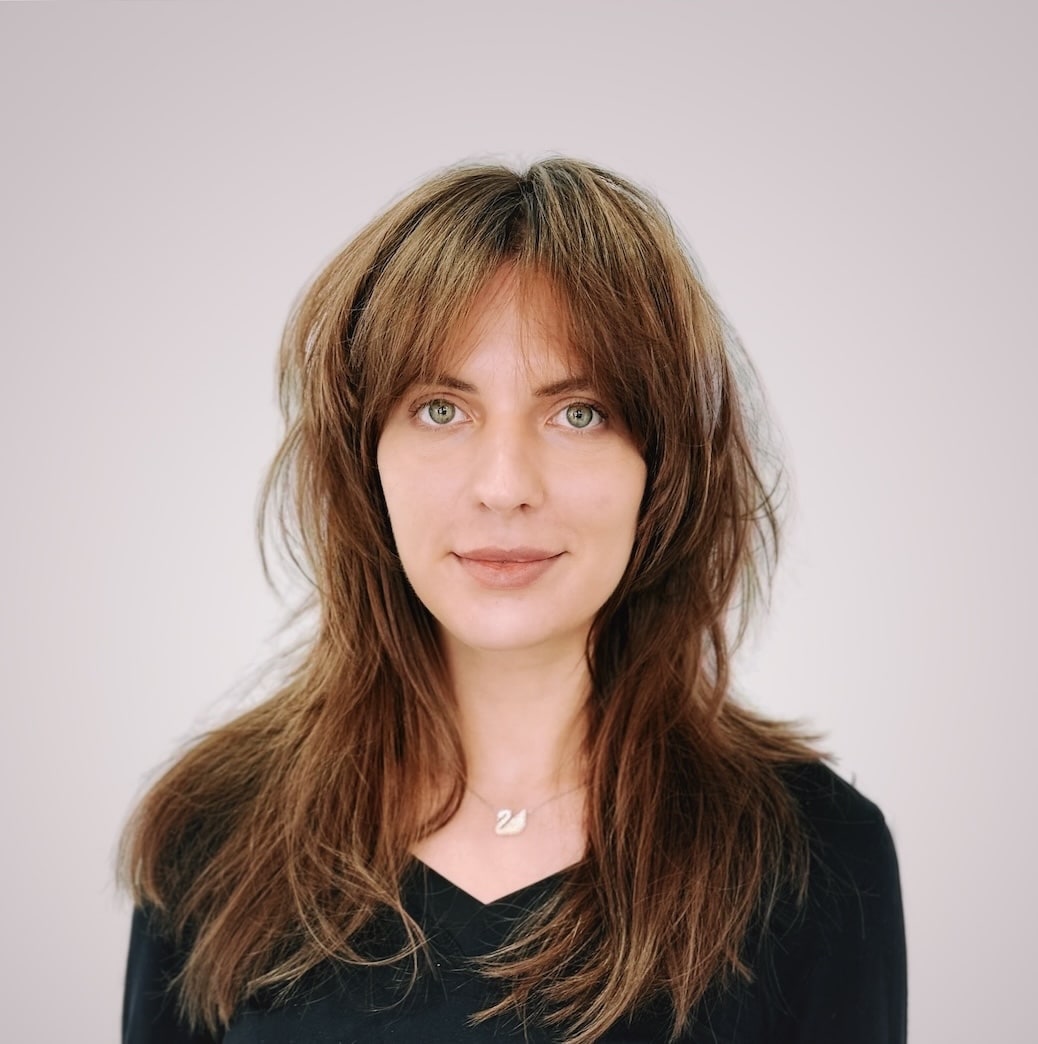
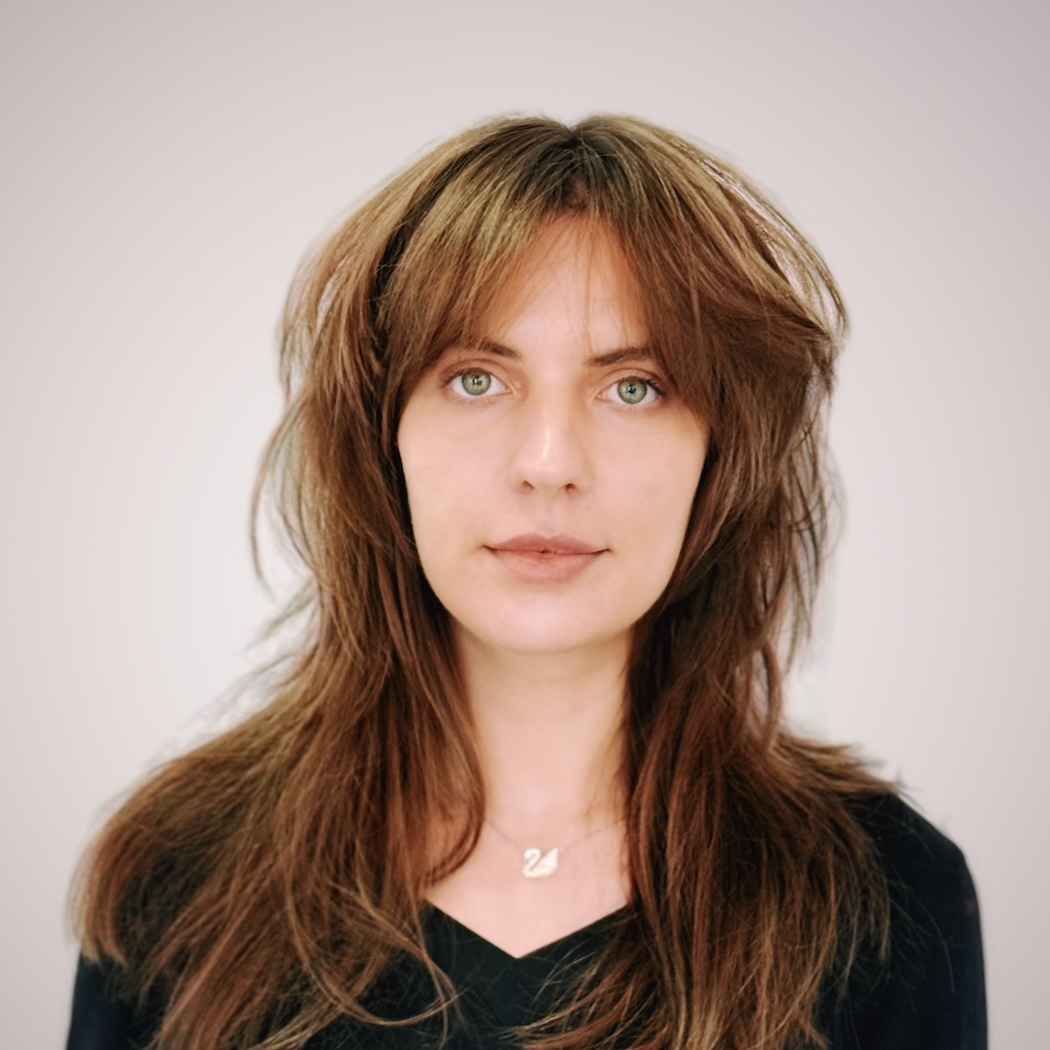
About the course
Color neutralization is the process of correcting unwanted tones, which often ends up flat, "muddy," or with a greenish cast. This course shows you how to work with intention on hair with uneven pigment - where copper tones mix with ashy, washed-out strands from previous lightening. You'll see how to add warm pigments to a cool neutralizing mix to achieve a clean, luminous, multi-dimensional blonde that looks natural and expensive.
Bartłomiej Lacz guides you through the full transformation process step by step: from diagnosing the starting color, through creating two separate demi-permanent mixes (one for the root, one for the lengths), to the final application. The course shows in detail how to build depth at the root using a cooler shade at level 7, then seamlessly blend it with a lighter, modified mix on the lengths. A key element is the finger-melting technique for colors, which guarantees an invisible transition and avoids patchiness or harsh lines.
In this course, you'll see
- Why adding chocolate-gold pigments to a cool neutralizing mix is the key to avoiding "muddy" color and achieving luminosity
- Working with two separate mixes: a cooler, darker one at the root for building depth, and a lighter one on the lengths for lightness
- An application technique with cross-sectioning, starting intentionally from the back of the head rather than the front
- The "melting" method of stretching color with your fingers to create a smooth, natural transition between the root shade and the lengths
- The practical application of demi-permanent color (Igora Vibrance) and why it's a safer choice for color corrections
- How to adjust section thickness to hair density in different zones of the head - from fine strands at the back to thicker ones at the temples
- An explanation of how the color wheel and the physics of light translate into salon practice - why warm tones reflect more light
After watching this course, you'll stop fearing neutralization on hair with mixed tones. You'll gain confidence in creating formulas that deliver predictable, clean, luminous results, and the seamless-blend application technique will become your go-to tool for creating natural-looking, multi-dimensional color that clients love.
What you will learn
- 01Why you should add warm pigments to a cool neutralizing mix.
- 02How to work with two mixes to build depth at the root.
- 03How to seamlessly blend colors with your fingers to avoid patchiness and harsh lines.
- 04How to apply color using cross-sectioning for clean, controlled work.
- 05How to diagnose uneven color with copper and ashy strands.
- 06When to avoid pure ash on lightened hair to prevent a muddy effect.
Before you start
This course assumes you already have:
What's inside
Full access with the course 4:08
4:0801Problem: Neutralizing Copper and Blonde
How will ash behave on hair that's been lightened before? Well, it will behave pretty intensely.
 7:19
7:1902Adding Warmth to a Cool Mix
I need that warmth in the neutralizing mix so this color has more depth and looks natural.
 10:58
10:5803Where to Start the Color Application?
It's important that we start working where we need the greatest depth of color.
 20:30
20:3004Painting the Parting Strand by Strand
Each time I pull out a strand, I paint the parting strand by strand.
 24:18
24:1805The Color Wheel - The Key to Solving Problems
In a situation like this, that basic knowledge of the color wheel will always be the key.
 29:42
29:4206Why Add Gold to Blonde?
When toning blonde hair, even when it's quite yellow, you add a touch of gold.
 36:52
36:5207Working the Color Blend Thoroughly Is Key
Don't just leave the product as is. Remember, it needs to be worked through and blended with the rest.
 42:44
42:4408Warning: Don't Use Aluminum Foil
Heating up the chemical mix can affect the final color result.
FAQ
Will this technique work on hair with uneven pigment?
My problem is 'muddy' or greenish blondes after neutralization. Will this course help me?
Which colors does the educator use in this course?
Does the course cover only theory, or the full step-by-step application as well?
Is this course for beginners or advanced hairdressers?
How long is this video course?
Details
Educator

Bartłomiej Lacz
Educator · 5 courses
Schwarzkopf Professional expert and co-founder of Akademia Mąż Fryzjerki, specializing in color techniques. His educational philosophy is that hairdressing knowledge doesn't have to be complicated if it's explained well. That's why in his courses he breaks down complex processes into first principles, covering the fundamentals - from the color wheel to precise diagnosis and client consultation.
Ready for the next level
Unlock full access to the Connected Hair course library.
Join the Academy