Layering is one of the most fundamental and important techniques in hairdressing, especially for men's hairstyles. For novice hairdressers, mastering this skill is crucial for creating stylish, modern hairstyles. In this comprehensive guide, we will discuss various layering techniques, the tools needed to perform them, and tips on how to improve your skills.
What is shading?
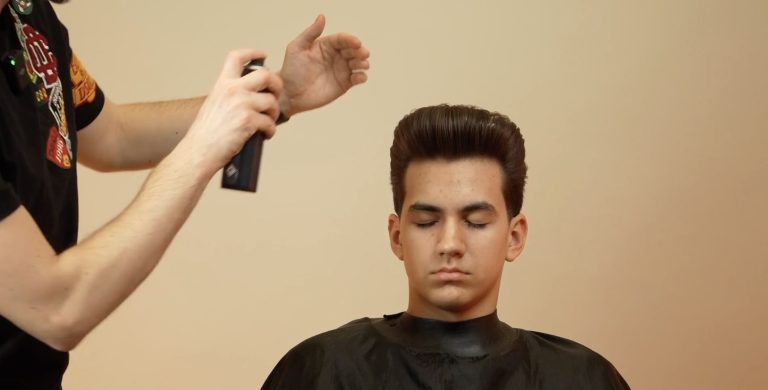
Shading is a hairdressing technique that involves gradually shortening the hair, creating a smooth transition from shorter to longer sections. It is a key element of many popular men's hairstyles, such as the fade, taper, and pompadour.
The main objectives of shading are:
- Creating smooth transitions between different hair lengths
- Giving your hairstyle shape and structure
- Reducing volume in specific areas
- Creating a modern, stylish look
Basic tools for shading
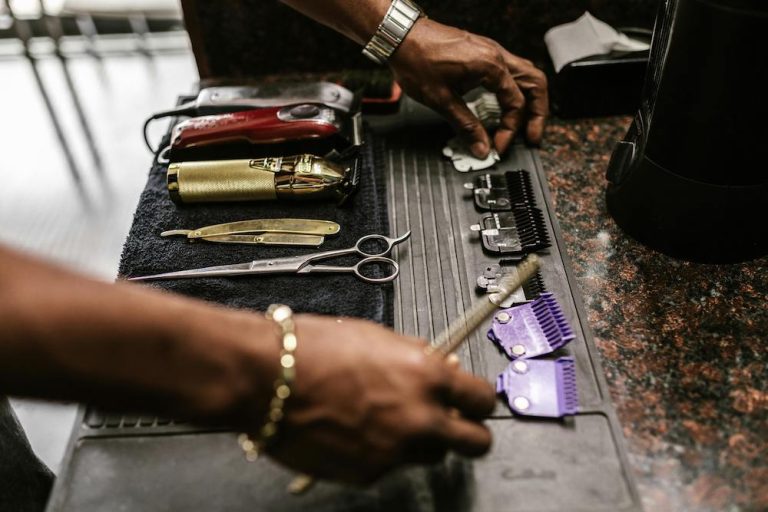
To effectively shade hair, you need the right tools. Here is a list of basic equipment:
- Hair clipper with adjustable length
- Hairdressing scissors
- Thinning scissors
- Hairdressing comb (preferably with a thin tip)
- Cleaning brush
- Clips for separating sections of hair
- Spray for disinfecting tools
- Hairdressing cape
- Contour trimmer
Remember that keeping your hairdressing scissors sharp is crucial for achieving a precise cut. Sharpen and maintain your tools regularly.
Shading techniques step by step
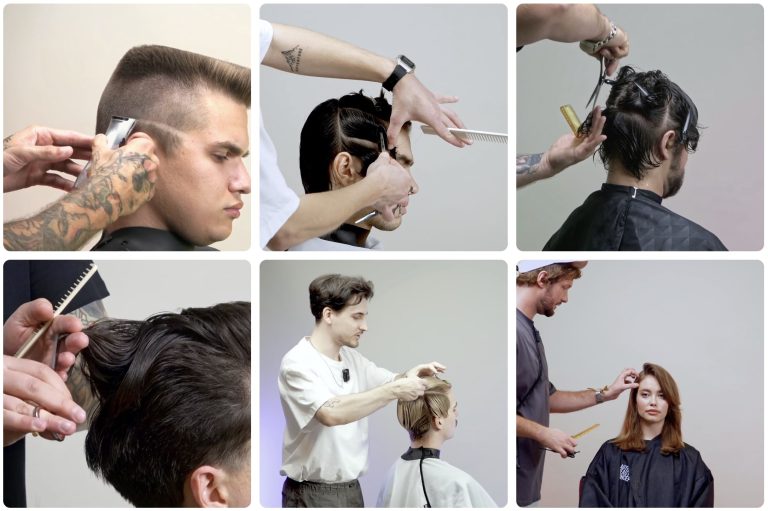
Here is the basic technique for shading with a razor blade:
Step 1: Preparation
- Wash and dry the client's hair.
- Discuss the desired end result with the customer.
- Prepare all the necessary tools
Step 2: Dissection
- Divide your hair into sections, starting at the bottom of your head.
- Use clips to separate the upper sections of hair.
Step 3: Creating a guiding line
- Start at the bottom, using a razor with the appropriate attachment.
- Create a horizontal line around your head, which will be your reference point.
Step 4: Shading
- When using a razor, work from the bottom up.
- Gradually change the caps to longer ones as you move up the head.
- Use the "flicking" technique (lightly tilting the razor) when transitioning between lengths.
Step 5: Blending
- Use scissors over a comb or thinning shears to soften the transition line.
- Work in small sections, gently blending different lengths.
Step 6: Finishing touches
- Check the symmetry and overall shape of the hairstyle.
- Use a trimmer to refine the contours.
- Style the hair according to the customer's wishes
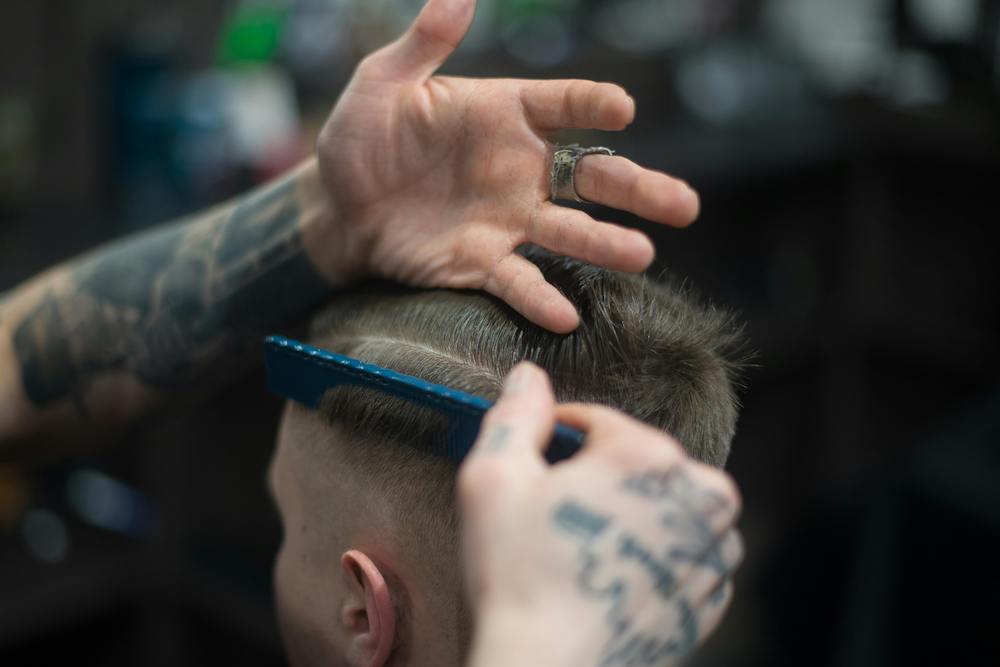
Different types of shading
There are several popular types of shading, each with its own characteristics:
- Taper Fade: A gradual transition from very short hair to longer hair, usually starting low on the neck and around the ears.
- Low Fade: The fade starts just above the ears. It is a more subtle version of the fade. You can find more about this technique in our guide on how to achieve the perfect low fade.
- Mid Fade: The fade begins approximately halfway down the sides of the head.
- High Fade: The fade starts high on the sides and back of the head, creating a dramatic contrast.
- Skin Fade: Shading starts with bare skin, gradually transitioning to longer hair.
- Scissor Fade: A technique performed exclusively with scissors, without the use of clippers.
The most common mistakes made by beginners and how to avoid them
Here are some common mistakes made by novice hairdressers when shading:
- Transitions that are too fast: Avoid this by gradually changing the length and blending carefully.
- Uneven shading on both sides: Check symmetry regularly while cutting.
- Fade starting too high or too low: Plan exactly where the fade should start and end.
- Ignoring the natural direction of hair growth: Always cut according to the natural direction of the hair.
- Using the wrong tools: Ensure your tools are appropriate and well maintained.
Adapting techniques to different hair types
Different hair types require slightly different approaches to shading:
- Straight hair: Standard shading techniques usually work well.
- Curly hair: You may need to use scissors instead of clippers for better control. For more information on cutting curly hair, see our guide to cutting curly hair for men.
- Thin hair: Requires a gentler approach to avoid excessive thinning.
- Thick hair: May require more aggressive layering and the use of thinning shears.
Exercises for beginners
Here are some exercises to help you improve your shading skills:
- Practice on mannequins: Start with training heads before moving on to real clients.
- Flicking technique: Practice the wrist movements required for this technique without turning on the razor.
- Changing attachments: Practice changing attachments quickly and smoothly on the machine.
- Shading with scissors: Practice the shading technique using only scissors and a comb.
- Hairstyle analysis: Study photos of professionally styled hairstyles and try to identify the techniques used to create them.
Tool maintenance
Proper tool maintenance is crucial for achieving good results:
- Clean the machine after each use.
- Regularly oil the razor blades
- Disinfect all tools between clients.
- Sharpen your scissors regularly
- Store tools in a clean, dry place.
Trends in shading
Shading trends are constantly evolving. Here are some current trends:
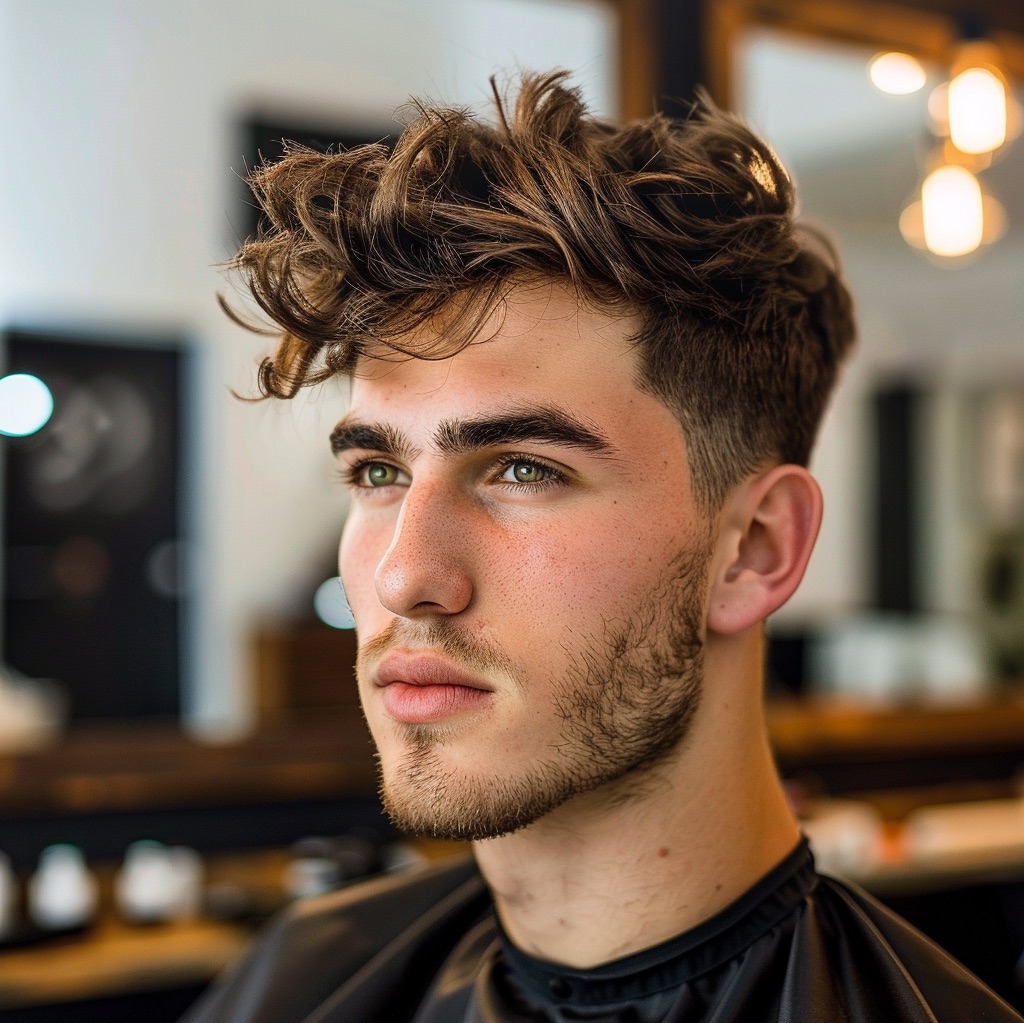
- Textured fade: Combining a fade with a textured top for a more natural look.
- Creative patterns: Add patterns or lines to the fade for a unique look.
- Colorful fade: Combining shading techniques with coloring. You can find more about trends in men's coloring in our article on hair coloring trends for men.
- Soft transitions: More subtle, natural transitions between lengths.
Summary
Mastering shading techniques takes time, patience, and a lot of practice. Remember that every head is different, so always adapt your approach to the individual characteristics of your client. Practice regularly, learn from more experienced hairdressers, and be open to new techniques and trends.
The key to success is not only mastering the technical aspects of shading, but also developing your artistic eye and communication skills with clients. Try to understand not only how to perform a given technique, but also why and when to use it.
If you want to expand your knowledge and skills in men's hairstyles, including advanced shading techniques, we encourage you to check out our online hairdressing training courses. We offer a wide selection of courses that will help you develop your skills and stay up to date with the latest trends in men's hairdressing.
Remember that learning never ends in the world of hairdressing. Be open to new techniques, experiment, and don't be afraid to make mistakes—this is the best way to improve your skills. With the right practice and commitment, you will become a master of shading, capable of creating stylish and precise men's hairstyles.