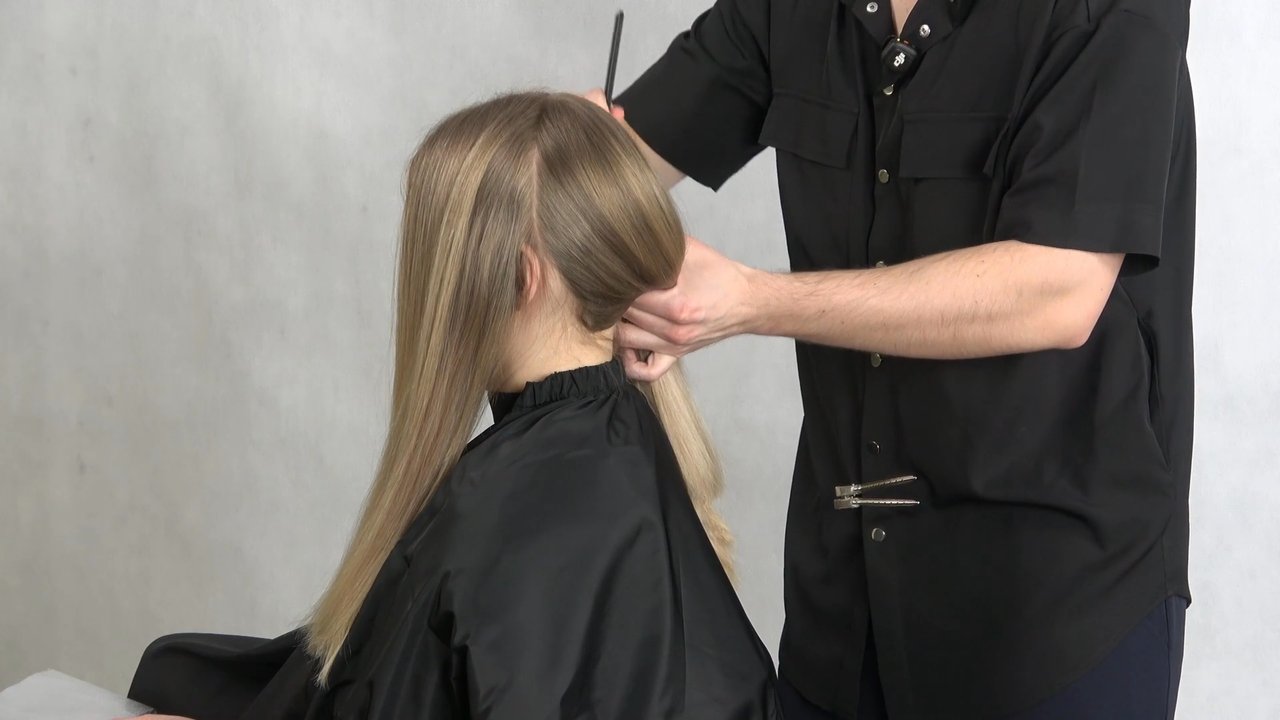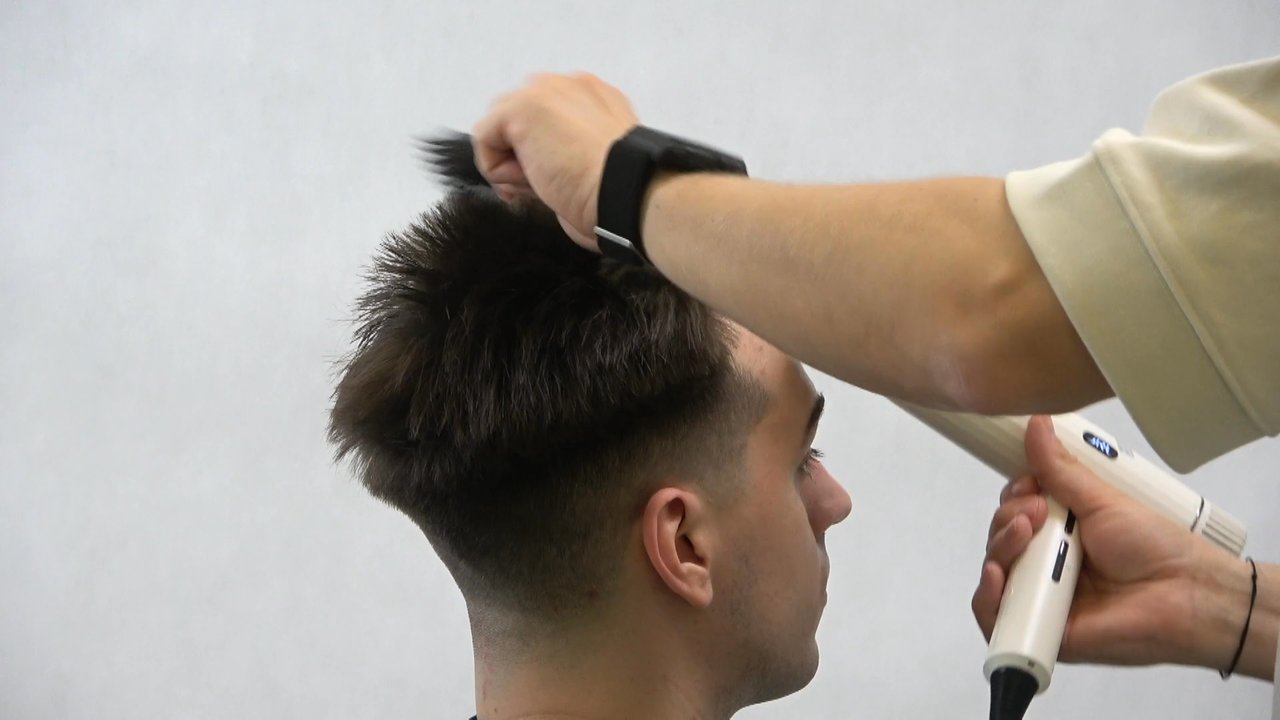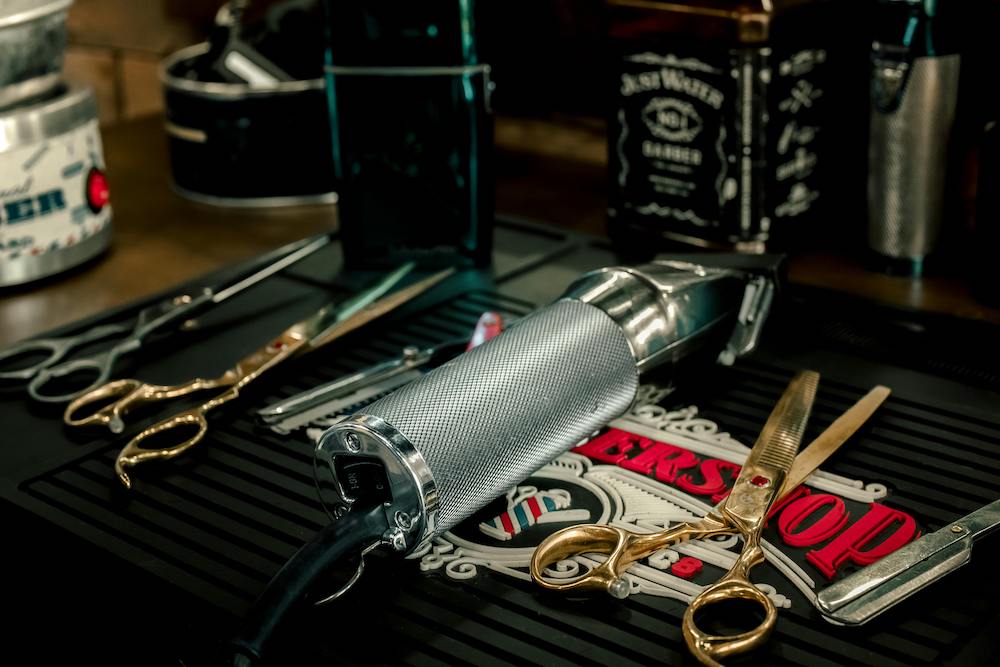
Dull scissors pull the hair instead of cutting it, and oily, poorly aligned clipper blades leave ladders in the fade. The tools simply stop doing what you need them to do, and the client sees the result on their own head. Tool care isn't an add-on to the craft — it's a prerequisite for it. Below is a concrete system: how to clean, disinfect, oil, sharpen, and store each type of tool so it holds its form for years.
Why the Condition of Your Tools Affects the Cut
Sharp, properly aligned scissors cut the hair in one clean motion, without crushing or splitting the ends. A dull blade leaves a jagged line that only becomes visible after drying — once the client is already sitting there with a finished haircut. It's the same with clippers: a loose or misaligned blade cuts unevenly, leaves lines, and heats up faster — which the client feels on their skin.
Then there's hygiene. Leftover hair, sebum, and product residue on combs or brushes get transferred between clients. Well-maintained, disinfected tools aren't just a health-code requirement — they're something the client sees at your station and judges. A clean case, an oiled clipper, and a comb free of buildup build credibility faster than any certificate on the wall.
Cleaning After Every Client
Cleaning is the foundation everything else builds on. Hair and product won't just disappear on their own, and dried-on residue is the hardest to remove. Make it a habit to clean your tools right after each client, before everything binds together with hairspray and dries onto the blade.
Each type of tool needs different handling:
- Hairdressing scissors: wipe the blades with a soft microfiber cloth along the cutting edge, from the screw toward the tip — never across. Remove buildup near the pivot with a small brush. Finish by running a cotton swab with isopropyl alcohol along the blades to degrease and disinfect them, but don't leave the scissors wet.
- Clippers: remove the blade, shake out loose hair, and brush out any debris between the teeth. Spray with a blade-cleaning solution that dissolves buildup while also cooling. Once dry, apply oil (a few drops along the teeth) and run the clippers briefly to distribute it.
- Trimmers and edgers: same process as clippers, but pay extra attention to the narrow teeth. Fine hair clogs them fastest and immediately ruins the precision of your line.
- Combs and brushes: remove hair, then soak in warm water with a mild detergent, rinse thoroughly, and dry before putting away. A wet brush stashed in a drawer is a breeding ground for bacteria.
Disinfection That Meets Requirements
Cleaning removes dirt; disinfection eliminates microorganisms. These are two separate steps, and one doesn't replace the other. Disinfect any tools that came into contact with the scalp, neck, or facial hair after every client, using products designed for hairdressing tools, following the contact time specified by the manufacturer.
A UV sterilizer is a convenient addition for smaller tools: scissors, combs, razors. Keep in mind, though, that UV only works on surfaces the light actually reaches, so the item needs to be washed first and positioned so the blades are exposed. A sterilizer doesn't replace washing — it completes it.
Sharpening and Blade Maintenance
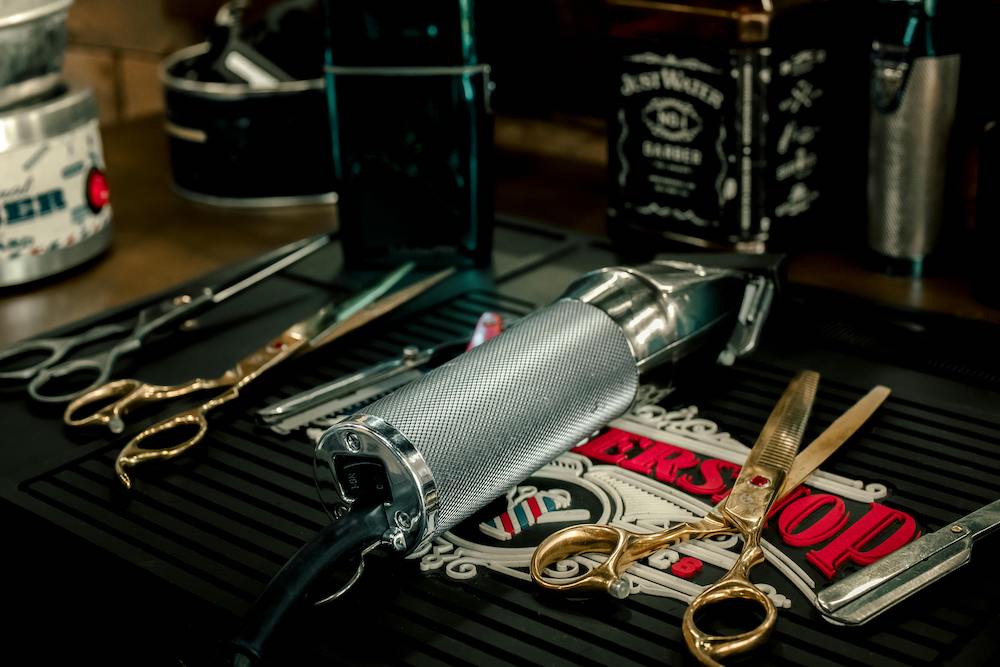
Regular sharpening of scissors and clippers is essential for consistent cutting results. Secrets to keeping hairdressing scissors sharp is a topic every professional should dig into. As a rule, have your scissors professionally sharpened every 6-12 months, depending on how heavily you use them, the blade material, and whether they've ever been dropped. Don't try to sharpen good scissors yourself on a regular whetstone — you'll ruin the bevel angle.
Signs that a blade has lost its edge: hair slips out from under the blade instead of being cut, you feel grinding, or you have to press down. You'll feel it before the client sees the result. React before it gets to that point.
For clippers, oiling is key. Apply a few drops of clipper oil along the blade teeth before and after work, then run the clippers for a few seconds so the oil spreads evenly. A blade running dry heats up, dulls faster, and pulls hair. Also keep an eye on blade alignment: the top and bottom rows of teeth should be set so the top teeth don't extend past the bottom ones (risk of nicking the skin) — usually set back by a fraction of a millimeter.
Storage That Protects Your Blades
Most blade damage doesn't happen during work — it happens between clients: scissors tossed onto the counter, clippers rolling around in a drawer, combs crushed under other tools. Proper storage costs seconds and saves you on servicing.
- Scissors — keep them in a case or sheath, blades closed, never loose on the counter next to other metal tools.
- Clippers and trimmers — keep them in dedicated cases or on a stand, away from water and dust. Protect the blades with a guard during the workday.
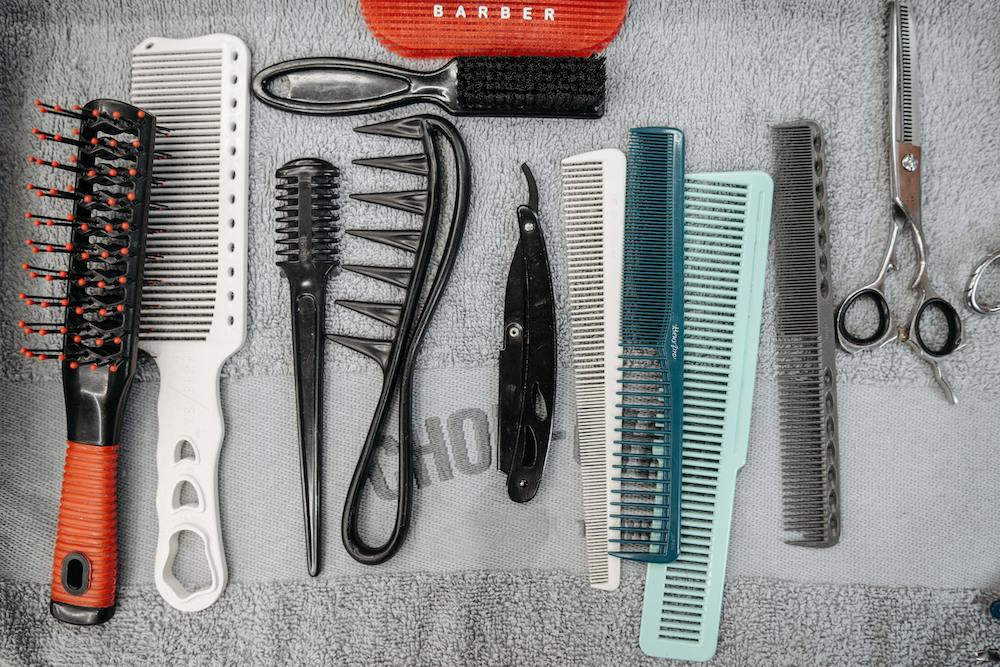
- Combs and brushes — store them in a clean, dry place, ideally in an organizer that keeps things tidy and gives you quick access while working.
Monthly Equipment Check
Once a month, run a systematic check of your entire kit. Catching wear early lets you act before a faulty tool affects a haircut. Check:
- The sharpness of your scissors and clipper blades (test on a strand of hair, not dry).
- The alignment and play of clipper blades, and whether screws are tight.
- The condition of brush bristles and the springiness of the cushion.
- The condition of comb teeth (broken teeth leave streaks in your sectioning).
- Power cords and adapters for fraying or cracks.
- Scissor tension at the screw: when opened to full length, the blade should close slowly under its own weight, not fall freely.
Investing in Quality Pays Off
When choosing tools, prioritize blade quality and ergonomics. A good tool costs more upfront, but it holds its edge longer, needs servicing less often, and puts less strain on your wrist over a full day of work. In the long run, it works out cheaper than a series of cheap replacements swapped out every few months.
For precise men's haircuts like the pompadour or textured crop, quality-grade clippers, a trimmer, and scissors genuinely elevate the level of finishing. The tools won't do the work for you, but good tools won't get in your way either.
Hairdressing Tool Care Schedule
| Tool | Daily Tasks | Weekly Tasks | Monthly Tasks | Annual Tasks |
|---|---|---|---|---|
| Scissors | Cleaning, disinfection | Oiling the pivot | Checking sharpness and tension | Professional sharpening |
| Clippers | Cleaning, oiling | Thorough blade cleaning | Checking blade condition and alignment | Technical servicing |
| Combs | Cleaning | Disinfection | Checking teeth condition | Replacement (if needed) |
| Brushes | Removing hair | Washing | Checking bristle condition | Replacement (if needed) |
Specialized Equipment Needs Its Own Routine
Beyond your basic kit, there are tools in the salon that are easy to overlook in your daily routine — and they're the ones that break down most often, precisely because of neglect.
Flat Irons and Curling Irons
Thermal tools operate at high temperatures, so styling product residue literally bakes onto them:
- Clean the plates or barrel after every use, but only once the device has cooled, using a soft cloth. Remove baked-on residue with a damp cloth and a bit of alcohol — never with a sharp tool, which will scratch the coating.
- Regularly check the cord, especially at the swivel joint, where it wears through most often.
- Store it in a heat-resistant pouch to avoid scratching the plate coating.
- If the device allows it, check the accuracy of the temperature settings every few months, since an overheated setting will burn the client's hair.
Hair Dryers
Most often skipped in the routine, yet a dirty filter is the main cause of overheating and power loss:
- Clean the air filter weekly. A clogged filter forces the motor to work harder and shortens its lifespan.
- Check the cord for cracks and fraying, since the dryer runs daily and the cable wears out fast.
- Periodically clean dust and hair out of the air intake, which builds up near the motor.
Trimmers and Edgers
These precision tools determine the cleanliness of the line in haircuts like low fade, where every fraction of a millimeter counts:
- Clean and oil the blades after every use. The edger's narrow teeth clog with hair faster than any other tool.
- Regularly check blade alignment, since even a slight shift ruins the line-up.
- Store it in a case with a protective guard, since the edger's delicate blade chips easily against hard surfaces.
An Eco-Friendly Approach to Care
Sustainability matters more and more in the hairdressing industry, and many clients factor it in when choosing a salon. A few simple changes can reduce the environmental impact of your care routine:
- Choose biodegradable cleaning products.
- Use reusable towels instead of disposable ones.
- Invest in energy-efficient disinfection devices.
- Choose tools with longer warranties and available servicing instead of replacing cheap tools outright.
How Tool Condition Shows Up in the Work
Well-maintained tools translate directly into the quality of the haircut:
- Sharp scissors deliver a clean, precise cut, which is critical for texturizing in haircuts like the textured crop, where a jagged end ruins the look instantly.
- An oiled, well-aligned clipper allows for smooth transitions in graduation, without lines or ladders between lengths.
- Clean brushes and combs don't transfer product between clients and give you a clean base for styling.
Care as a Budget Line Item
Equipment maintenance looks like a cost, but in practice it cuts expenses, since well-maintained tools stay in service longer:
- Plan a fixed budget for servicing, sharpening, and replacing tools, instead of patching things up only once they break.
- Buy care kits (oil, spray, disinfectants) that work out cheaper than buying products separately.
- Train your team on proper tool handling, since most damage comes from everyday usage mistakes.
Tools That Make Maintenance Easier
It's worth knowing the supporting equipment that speeds up and streamlines your care routine:
- Ultrasonic cleaners for small tools, which remove buildup from hard-to-reach spots.
- UV sterilizers as a supplement to washing smaller tools.
- A simple maintenance schedule (calendar or app) so you don't miss sharpening or servicing dates.
Ready for a Health Inspection
Proper tool care also means meeting sanitary requirements. A few things are worth keeping permanently in order:
- Keep records of your cleaning and disinfection processes.
- Write down tool care procedures for the whole team, so everyone works the same way.
- Run regular internal audits of cleanliness and equipment condition, before someone from outside does it for you.
Hygiene as a Selling Point With Clients
Hygiene standards the client can't see don't build trust. Show them, and you'll strengthen loyalty:
- Disinfect your tools in front of the client, at your station, not somewhere in the back.
- During the consultation, mention your equipment hygiene standards in a sentence or two.
- Keep your station tidy — a clean case and an oiled clipper say more about professionalism than words do.
A Routine That Pays Off
The whole care routine comes down to a handful of consistent habits: cleaning and disinfecting after every client, oiling and checking blades on a weekly cycle, a monthly review, and professional sharpening on a yearly cycle. Put it in your schedule the same way you book appointments, and your tools will never catch you off guard mid-work.
If you want to go deeper into technique and tool handling, our online hairdressing courses also include modules dedicated to tool care and maintenance. Well-maintained tools aren't a cost — they're the foundation every precise haircut stands on.