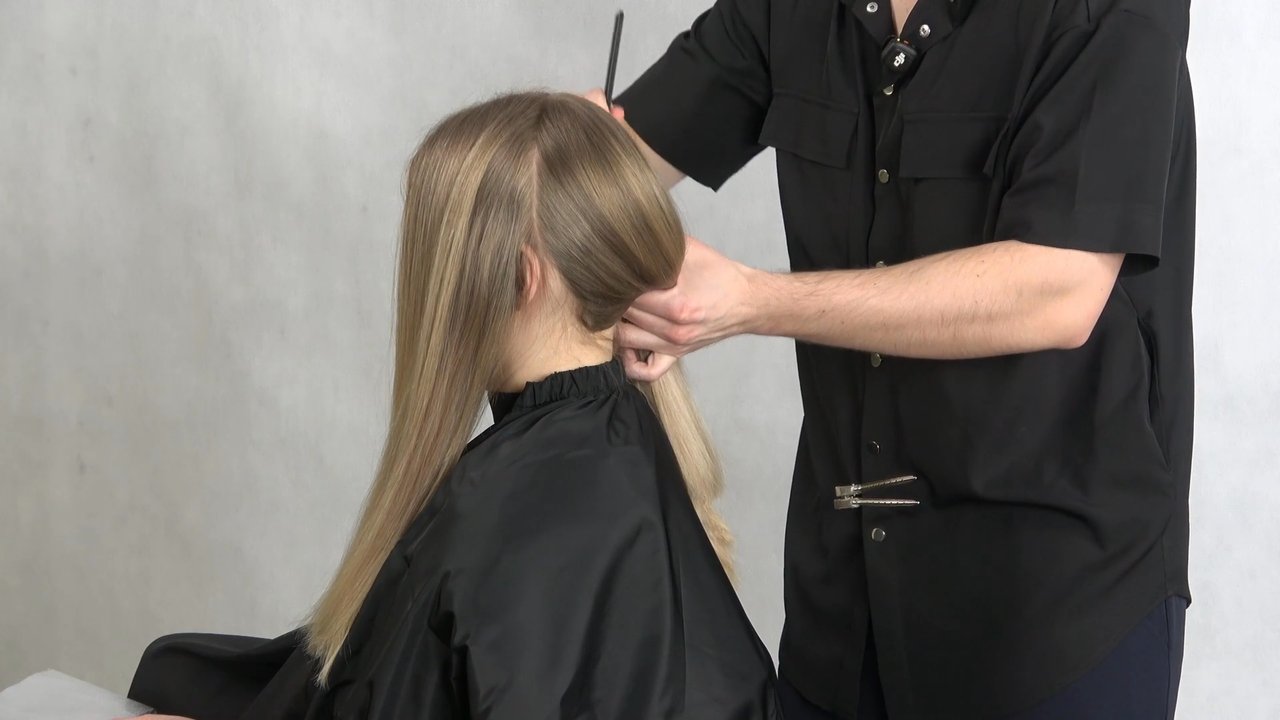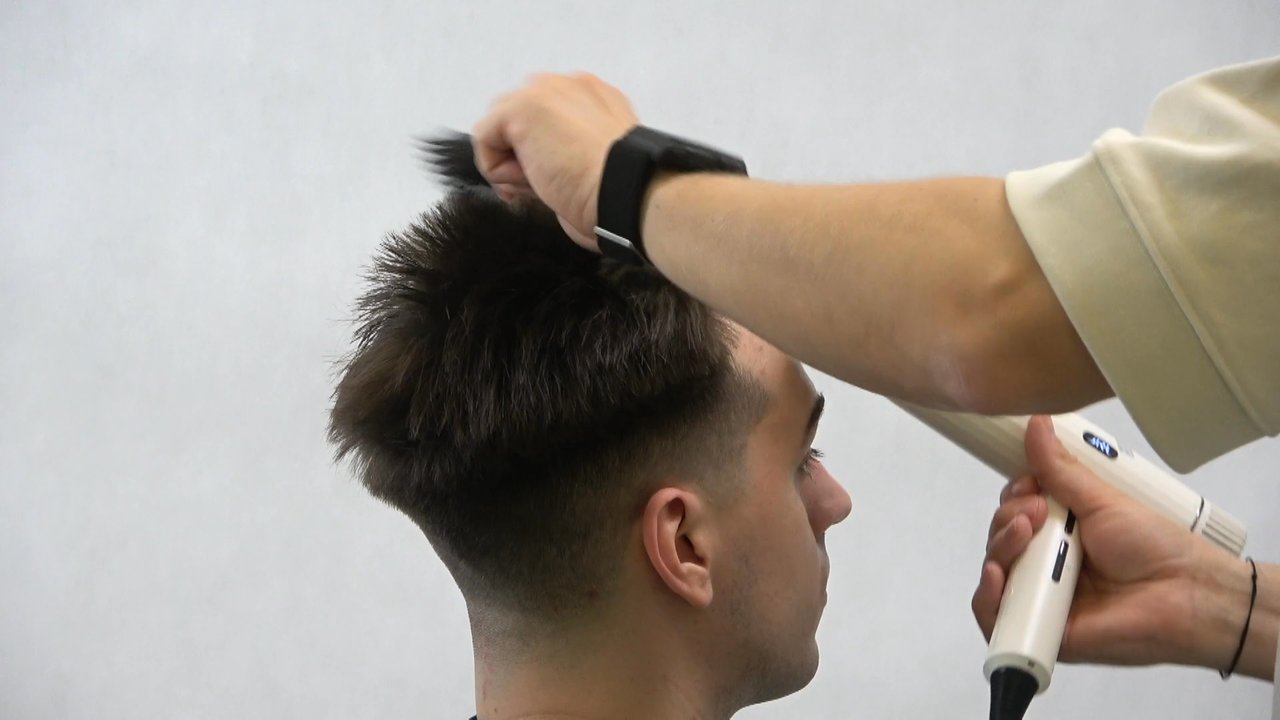
Your work is visual, and no other channel showcases a transformation better than a feed. For a hairstylist or barber, social media isn't an add-on to the salon — it's a second portfolio that works 24 hours a day and decides whether a client books with you or with the competition down the street. Below is a concrete strategy: choosing platforms, content production, scheduling, and turning followers into real bookings.
Why social media matters for hairstylists
Clients search for a hairstylist the same way they search for a restaurant: they look at photos first. Most of your potential clients scroll social media daily, so an account with an up-to-date portfolio works like a storefront window people see before they ever walk into the salon. For a professional, that means four concrete benefits.
Showcasing your work to a wide audience
- A portfolio of hairstyles and haircuts presented in one consistent place
- Specific technical skills: razor work, fades, coloring, texturing
- “Before and after” transformations, which have the strongest influence on a client's decision
Building relationships with clients
- Answering questions about pricing, appointment length, and aftercare
- Showing the salon's day-to-day work, which builds trust before the first visit
- Creating a loyal community that comes back and refers others
Sharing knowledge and expertise
- Hair and beard care tips that you round off with a salon product recommendation
- Discussing trends: which haircut suits which face shape, how to make color last
- Educating clients on products and techniques — this positions you as an expert, not just a service provider
Keeping up with industry trends
- Following the work of top hairstylists and barbers in Poland and abroad
- Taking part in shows and industry events, including online ones
- Quickly adopting new techniques and styles before they become mainstream
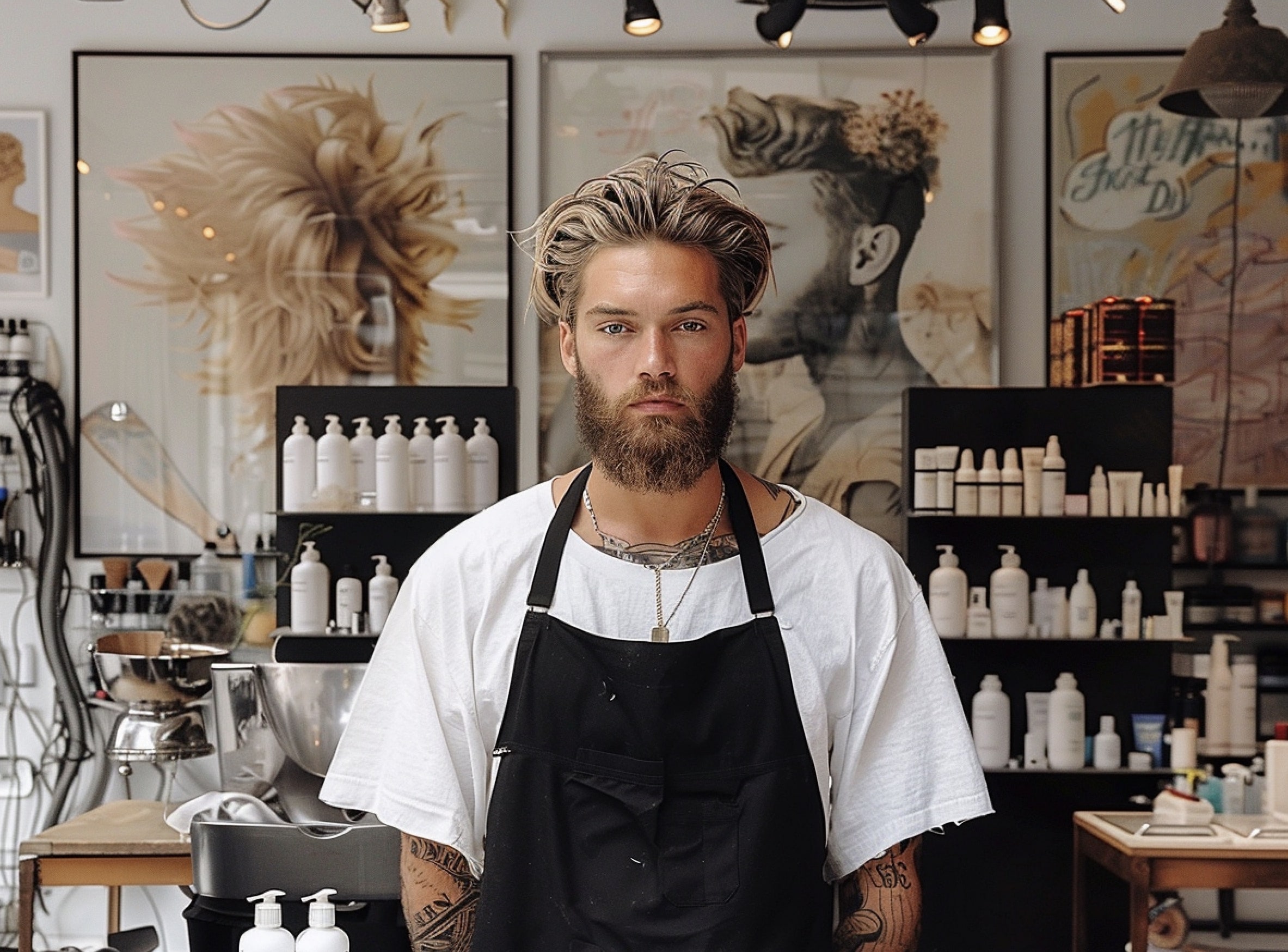
Choosing the right platforms
You don't need to be active everywhere. It's better to run two platforms well than four half-heartedly. Pick the ones where your client base actually is, and match the content format to them. Each major platform runs on its own logic.
The most important platform for a hairstylist, because it's fully visual. This is where a client judges your hand before deciding to book. What works best:
- “Before and after” photos: shoot them in the same frame, light, and distance so the difference is honest and easy to read. Dramatic color and length changes generate the most saves.
- Process Stories: short clips of the stages of a haircut or color session, behind-the-scenes salon life, quick tricks. This builds closeness without heavy production.
- Reels: ten-to-fifteen-second transformations and mini-tutorials get the biggest organic reach. The first second has to show the payoff, or the viewer scrolls past.
- Hashtags: mix popular ones (#hairstylist #barberlife), local ones (#[your city]hairstylist #[your city]salon), and topical ones (#blonde #menshaircuts) to reach both a broad and a local audience.
Learn more about creating engaging content on Instagram
TikTok
The platform for short, dynamic video with the fastest-growing reach. The algorithm shows content to people outside your follower base, so even an account without a big following can reach far. How to use it:
- Quick tutorials: show a simple style in a few seconds, a color technique sped up, or one specific care trick.
- Creative transformations: sync the cut with music, use a “hand wave, finished hairstyle” jump cut, build day-by-day series showing the process.
- Challenges and trends: adapt popular formats to a hairstyling context and jump on trending sounds — that's what drives reach.
Facebook's strength is community, reviews, and event organizing, especially with clients over thirty. It's a good place for longer content and local groups:
- Events and promotions: open days, seasonal offers, workshops for clients. Of the main platforms, Facebook handles date-specific invitations best.
- Client reviews: encourage happy clients to leave reviews, and reply to every one — including the critical ones. A well-run review section is the strongest social proof you can have.
- Articles and tips: run a regular series, e.g. “Tuesday Hairstyling Tricks”, and share valuable industry content.
- Building community: a client group, contests, and regular Q&As where you answer questions about care and styling.
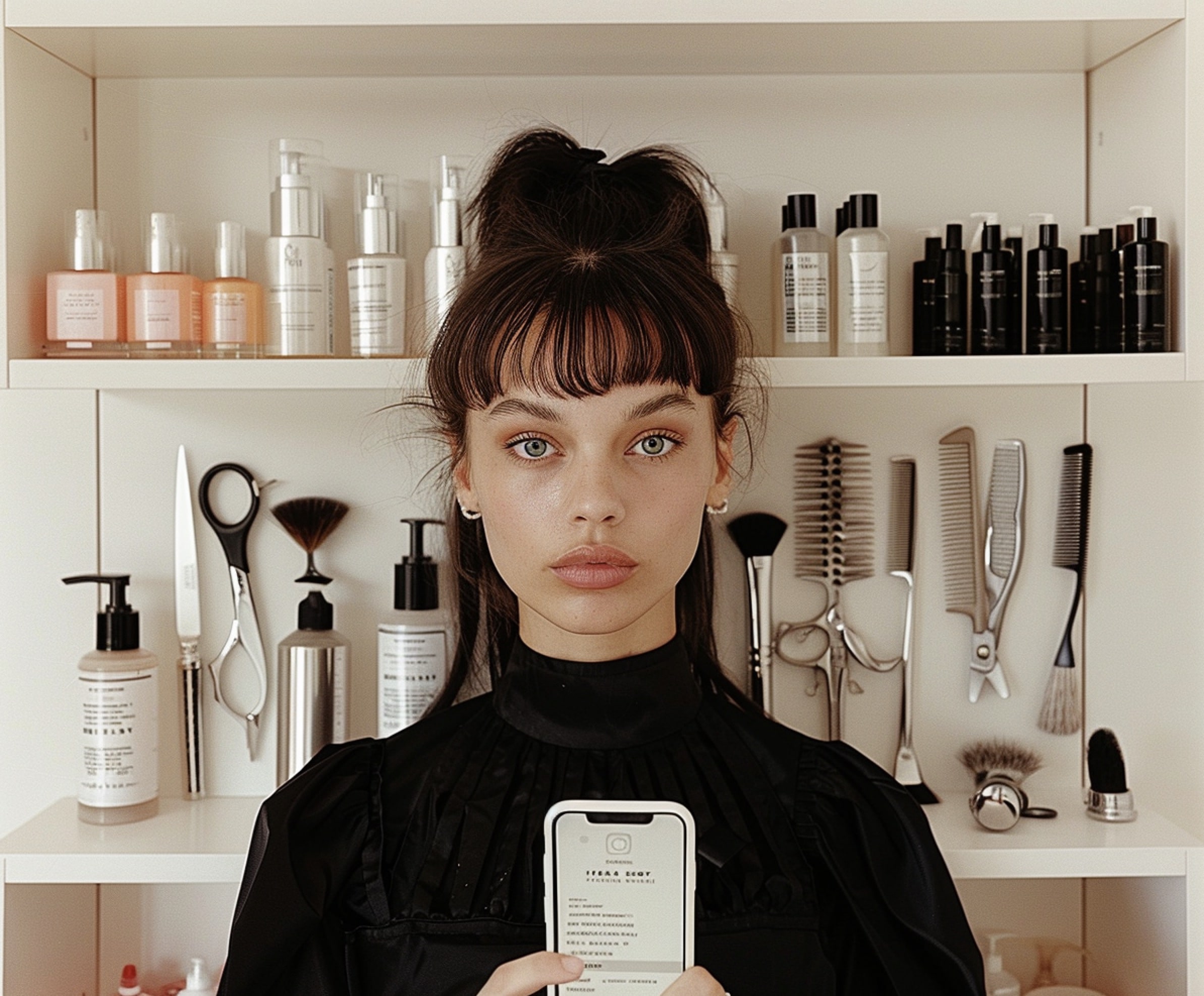
YouTube
YouTube is the platform for longer, educational content that keeps working for years and ranks in search. Here you build authority, not just reach:
- Detailed tutorials: a full haircut or color session step by step, explaining every stage. Series like “Cutting Fundamentals” attract beginner hairstylists.
- Work vlogs: a day at the salon, recaps from trade shows and courses, thoughts on the industry. This builds your personal brand.
- Product and tool reviews: testing clippers, dryers, straighteners, and cosmetics. Detailed comparisons keep getting found on Google for years.
- Themed series: “Hairstyles for special occasions”, “Tips for different hair types”, “The history of hairdressing”.
Find out what the hottest hairstyling trends are
Creating engaging content
1. High-quality photos and videos
Image quality is the first signal that you're a professional. A client won't tell one cutting technique from another, but they'll spot a poorly lit photo instantly. Nail the basics:
- A smartphone with a decent camera is plenty. Clean the lens before every session — a smudged lens blurs the whole shot.
- Lighting matters more than gear. Soft daylight from a window is best; in the evening, use a ring light that spreads evenly across the hair.
- Shoot against a neutral, uniform background so attention goes to the hairstyle, not the clutter behind it.
- Get shots from several angles: front, both profiles, and back. The back of a cut often sells the booking harder than the front.
- Use a tripod for a stable frame, and learn the basics of editing in apps like VSCO or Lightroom Mobile.
2. A consistent visual style
A recognizable feed builds a brand. When someone lands on your profile, they should feel your style within three seconds. Consistency helps:
- Pick a color palette that runs through your posts and matches your salon interior.
- Settle on one editing style — bright and pastel, or contrasty and saturated — and stick with it in every post.
- Design a simple template for informational graphics and YouTube thumbnails.
- Use consistent fonts and recurring graphic elements so your content is recognizable at a glance.
3. Content variety
The finished result alone gets old fast. Mix formats to hold attention and show different sides of your work:
- “Before and after” transformations — the strongest sales format there is.
- Short tutorials, e.g. how to do a simple bun or touch up a fringe between visits.
- Care tips, e.g. how to look after colored hair so the color lasts longer.
- Behind the scenes: mixing color, disinfecting tools, setting up a station.
- Personal posts that build a relationship: your journey into the profession, everyday life behind the chair.
4. Storytelling
People don't remember the haircut itself — they remember the story attached to it. Storytelling turns a photo into a reason to stop scrolling:
- Share client stories, e.g. a transformation before a big event (with the client's consent).
- Talk about the inspiration behind a particular style.
- Show the process from idea to result, including the consultation.
- Talk about your own challenges in the profession — honesty builds trust.
5. Interacting with followers
Algorithms boost content that sparks conversation. The more real interaction, the bigger the reach — so treat comments like a conversation behind the chair:
- Regularly ask questions in posts and Stories to prompt replies.
- Run polls about hairstyle and product preferences.
- Reply quickly and honestly to comments and DMs — ideally within the first hour after posting.
- Host Q&A sessions and share client-made content with their permission.

Posting strategy
Consistency
Consistency beats frequency. It's better to post three times a week for a year than daily for two weeks and then vanish. Algorithms reward a steady presence:
- Set a realistic schedule, e.g. daily Stories, three Instagram posts a week, one YouTube video a week.
- Plan posts ahead using tools like Later or Hootsuite — ideally in one session for the whole week.
- Batch-record extra footage whenever you get an especially good transformation, so you're never left with an empty feed.
- Stay consistent but flexible: react to current trends and the season (weddings, New Year's, back-to-school).
Best times to post
There's no single universal time — there's the time your specific followers are active. You'll find it in your data, not in guides:
- Check your account insights to find when your followers are most active.
- Test different times and compare engagement over a few weeks before locking in a rhythm.
- The optimal time varies by platform and day of the week.
- Evening posts often catch people planning a visit, since that's when they're scrolling their phone at leisure.
Using hashtags
Hashtags are the categories under which a platform surfaces your post. Well-chosen ones boost reach; overdone ones look like spam. Build them in layers:
- Popular (broad reach): #hairstylist #hairsalon #hairstyle
- Niche (precise audience): #menshaircutting #ombrecolor #naturalupdos
- Local (clients in your city): #[yourcity]hairstylist #[yourcity]salons #[yourcity]haircuts
- Branded: create your own unique salon hashtag and use it consistently to collect content in one place.
- Match the count to the platform: up to about a dozen on Instagram, 3-5 on TikTok, 1-2 on Facebook. Regularly check which ones actually drive reach, and refresh the set.
Building a personal brand
1. Find your niche
A hairstylist who “does everything” disappears in the crowd. Specializing means a client looking for a specific service comes straight to you — and is willing to pay more:
- Identify what you're genuinely strong at: coloring, men's cuts, fades, wedding hairstyles, curly hair.
- Look at the local market — there might be a gap for a curly-hair specialist or an extensions expert.
- Grow in your chosen direction through courses and hands-on practice.
- Consistently showcase those specific skills on social media and build educational content around them.
2. Be authentic
A feed polished to perfection looks like a catalog and pushes people away. A client books with a person, not a logo:
- Show personality and share your passions, including ones outside hairdressing.
- Be honest in your assessment of products and trends — that's what makes your recommendations credible.
- Don't be afraid to show the harder moments and challenges of the job.
- Speak naturally, the way you'd talk to a client behind the chair.
3. Educate your followers
Knowledge is the strongest currency for trust. A client you teach comes back and refers others:
- Run educational series, e.g. “Hairstyling ABCs” or “Coloring Secrets”.
- Translate technical terms into plain language (what's the difference between balayage and sombré, what's a flat top).
- Show how to properly use at-home care products, and bust common myths.
- Keep your audience updated on new techniques and technologies in the industry.
Our online hairstyling courses can be a great source of inspiration for creating valuable educational content.
4. Collaborate with others
Collaboration is the cheapest way to reach a new audience. You borrow someone else's reach, and they borrow yours:
- Build connections with other hairstylists and barbers to promote each other.
- Team up with local photographers for portfolio shoots.
- Look for partnerships with cosmetics brands — you could become an ambassador.
- Host joint livestreams with makeup artists or fashion stylists, since you share an audience of the same clients.

Measuring results
Without analysis, you're working on gut feeling. Stats tell you what to repeat and what to drop, so check four key areas once a month:
- Post reach:
- Check which content types generate the most reach, and produce more of it.
- Watch how different hashtags affect reach.
- Assess whether sponsored posts actually bring in bookings, not just likes.
- Engagement (likes, comments, shares):
- Track your engagement rate to compare posts fairly.
- Find the content that generates the most genuine interaction.
- Look at comment quality: do they lead to questions about booking?
- Follower growth:
- Track your follower growth rate.
- Analyze which activities attract new followers.
- Also monitor unfollows and look for the cause.
- Conversion to real bookings:
- Ask new clients how they found you.
- Use unique promo codes for followers to track the source.
- Count bookings from the link in your Instagram or Facebook bio.
Turning followers into clients
Thousands of followers mean nothing if they never sit in the chair. The goal of every profile is a full booking calendar, so every part of your account should lead to a booking.
1. Call-to-action (CTA)
- Include a clear call to action in every post.
- Examples: “Book your visit”, “Check the offer”, “Sign up for a consultation”.
- Use platform CTA buttons, e.g. “Book Now” on Facebook.
- Test different forms and check which ones actually drive bookings.
2. Promotions for followers
- Offer exclusive discounts available only to followers.
- Run limited-time promos, e.g. a capped number of slots for a new treatment.
- Create bundle offers (haircut plus care, beard plus hair).
- Run contests with a hairstyling service as the prize.
3. An easy booking system
- Integrate your profiles with an online booking system and put the link in your bio.
- Make sure booking works intuitively on mobile, since that's where most clients start.
- Offer the option to book via direct message.
- Consider a chatbot to handle the most common questions and basic bookings.
4. Reposting client content
- Encourage clients to tag the salon in posts featuring their new hairstyle.
- Share the best client photos with their permission — it's the most credible advertising there is.
- Create a dedicated hashtag for clients and promote its use.
- Run contests for the best photo of a new hairstyle.

Trends worth using
Platforms change every quarter, but a few directions keep gaining momentum and give hairstylists a real edge. Here's what's worth betting on.
1. Automation tools in content production
Automation speeds up the routine work, but it doesn't replace your hand or your personality:
- Use tools to generate post ideas and captions.
- Experiment with automated photo and video editing to cut down on production time.
- Use chatbots to answer frequently asked questions (hours, prices, directions).
- Keep a human tone in direct conversation with clients — that's what an automated tool can't replace.
2. Short-form video
Reels and TikToks have the biggest organic reach of any format. For a hairstylist, that's the best way to reach beyond your current followers:
- Create short, dynamic clips featuring transformations and one strong payoff.
- Use popular music and sounds — that's what drives reach.
- Show “a day in the life of a hairstylist” in a light, fast-paced format.
- Add captions — most people watch without sound.
3. Livestreams
Live builds a closeness that no recording can match. Clients see you in action with no editing, and trust follows:
- Host live Q&A sessions covering questions about care and styling.
- Show the process of creating more complex hairstyles in real time.
- Run virtual workshops and product demos.
- Go live with other industry professionals.
4. Personalization and interactivity
Clients expect to be treated individually, online too. Interactive formats deliver that while also boosting reach:
- Use polls and quizzes, e.g. “which fringe suits your face shape”.
- Create personalized care recommendations by hair type.
- Run community challenges, e.g. “7 days of new hairstyles”.
- Reply personally and by name, not with a template.
Handling social media challenges
Running accounts comes with its own pitfalls. Here are the four most common ones and how to handle them without hurting your brand.
1. Negative comments
- Respond to criticism professionally and with empathy, even when it's unfair.
- Move trickier issues to DMs to resolve them calmly.
- Treat criticism as a pointer for improving your service.
- Don't delete negative comments unless they're abusive or spam. Deleting criticism undermines trust.
2. Creative burnout
- Plan content ahead of time to avoid the pressure of coming up with ideas daily.
- Draw inspiration from others' work, but don't copy it one-to-one.
- Take regular breaks from social media.
- Involve your team in content production to keep ideas varied.
3. Algorithm changes
- Keep up with platform updates, but don't panic over every single change.
- Diversify your presence so you're not dependent on one channel.
- Focus on valuable content instead of tricks to game the algorithm.
- Test formats and check what actually works best for your account specifically.
4. Protecting client privacy
- Always ask for consent before posting a client's photos.
- Be careful with sharing personal data online.
- Learn the data protection regulations (GDPR) and apply them in practice.
- Create a clear privacy policy and let clients know about it.

Connecting online and offline
The best results come from linking your account to a real salon. Your profile should drive people to the chair, and every visit should feed new content back into the profile.
1. Promotion in the salon
- Display your profile info in visible spots around the salon.
- Encourage clients to tag the salon during their visit.
- Set up an “Instagram corner” — a spot with good light and background that's ideal for photos.
2. Offline events
- Host events at the salon and promote them on social media.
- Stream parts of them live for people who can't attend in person.
- Share recaps from trade shows and courses you attend.
3. Local partnerships
- Build partnerships with local businesses and promote each other.
- Run joint promotions with businesses in your area.
- Get involved in local events and show it on social media.
Key takeaways
A strong social media presence is the result of consistency, not viral luck. Pick two platforms and run them well, show a real portfolio and real transformations, keep a steady posting rhythm, and read your stats to know what to repeat. Treat your account as an extension of the chair: every post should lead to a booking, and every visit should leave you material for the next post.