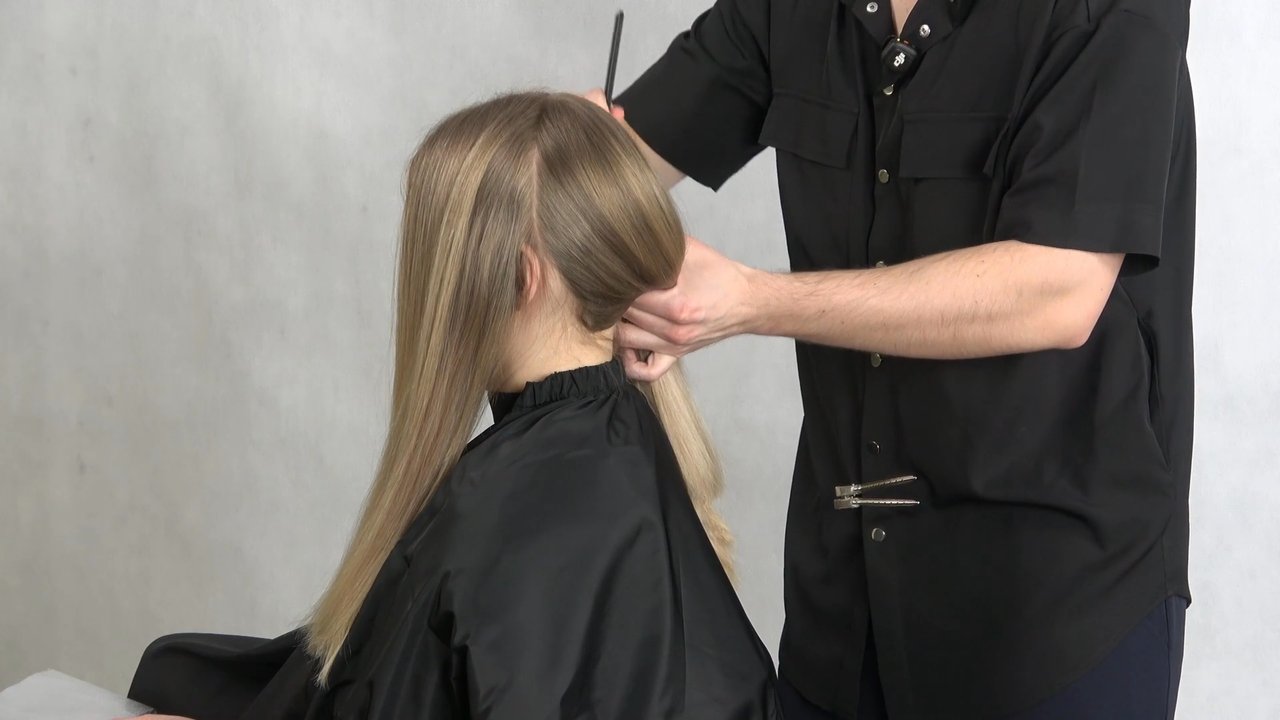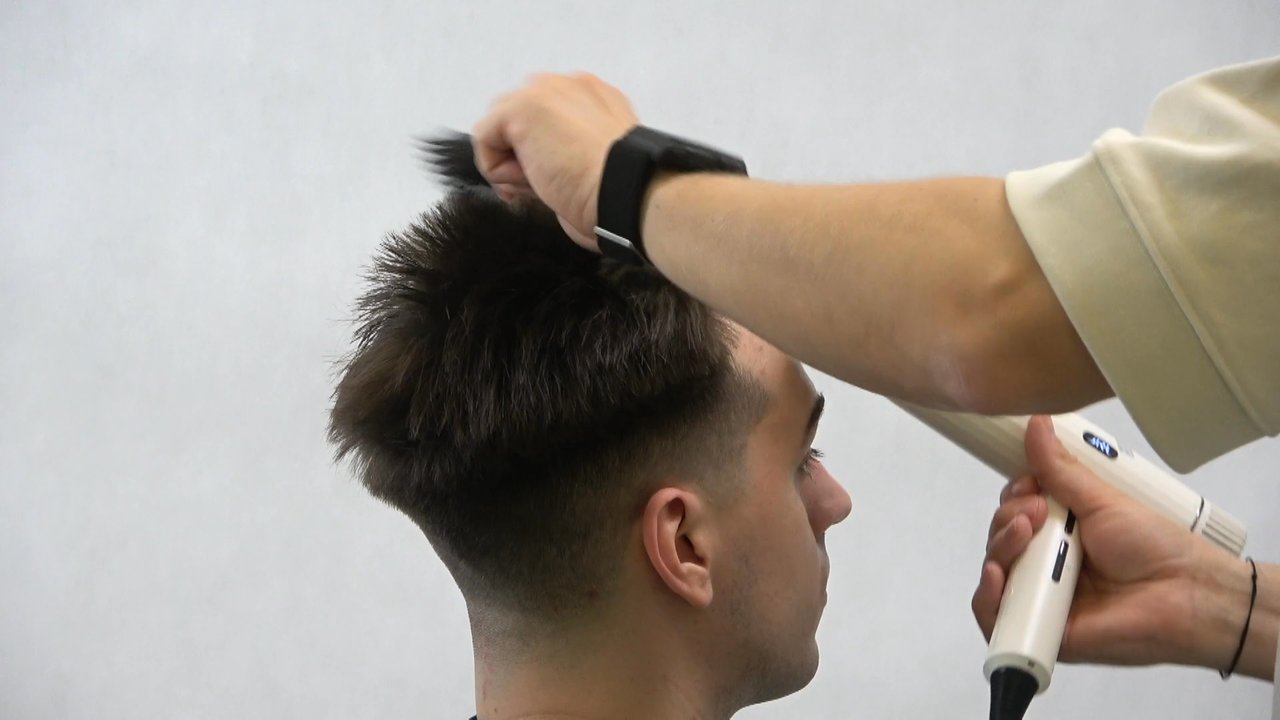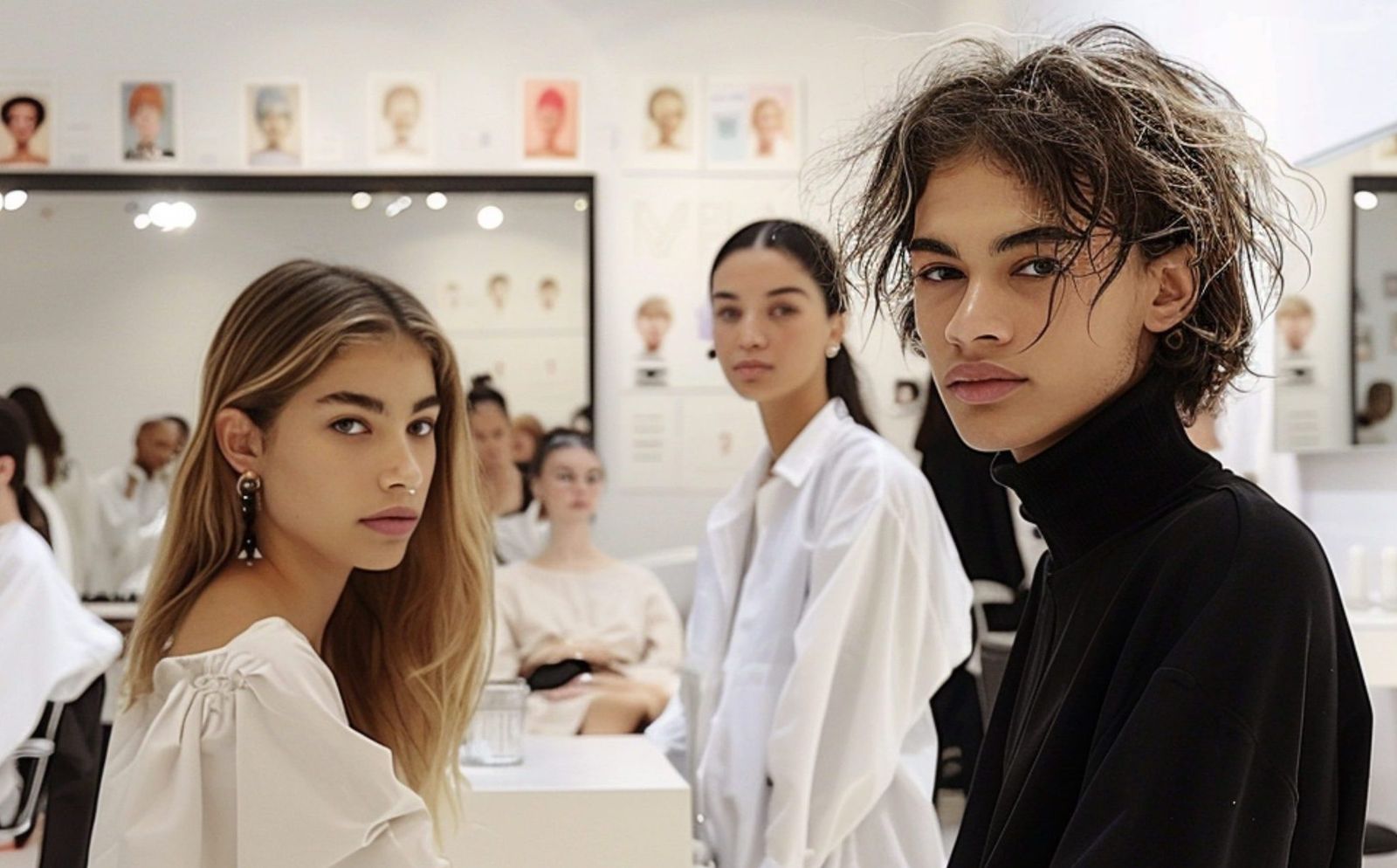
More and more clients are walking into the salon asking for a haircut tailored to their hair texture and face shape—not to the label “men’s” or “women’s”. For the barber, this means one thing: you need to build your craft around universal technique, not around a two-tier price list. Below, we get specific about how to run a gender-neutral haircut, how to structure your services and salon communication, and which techniques carry over between styles without compromise.
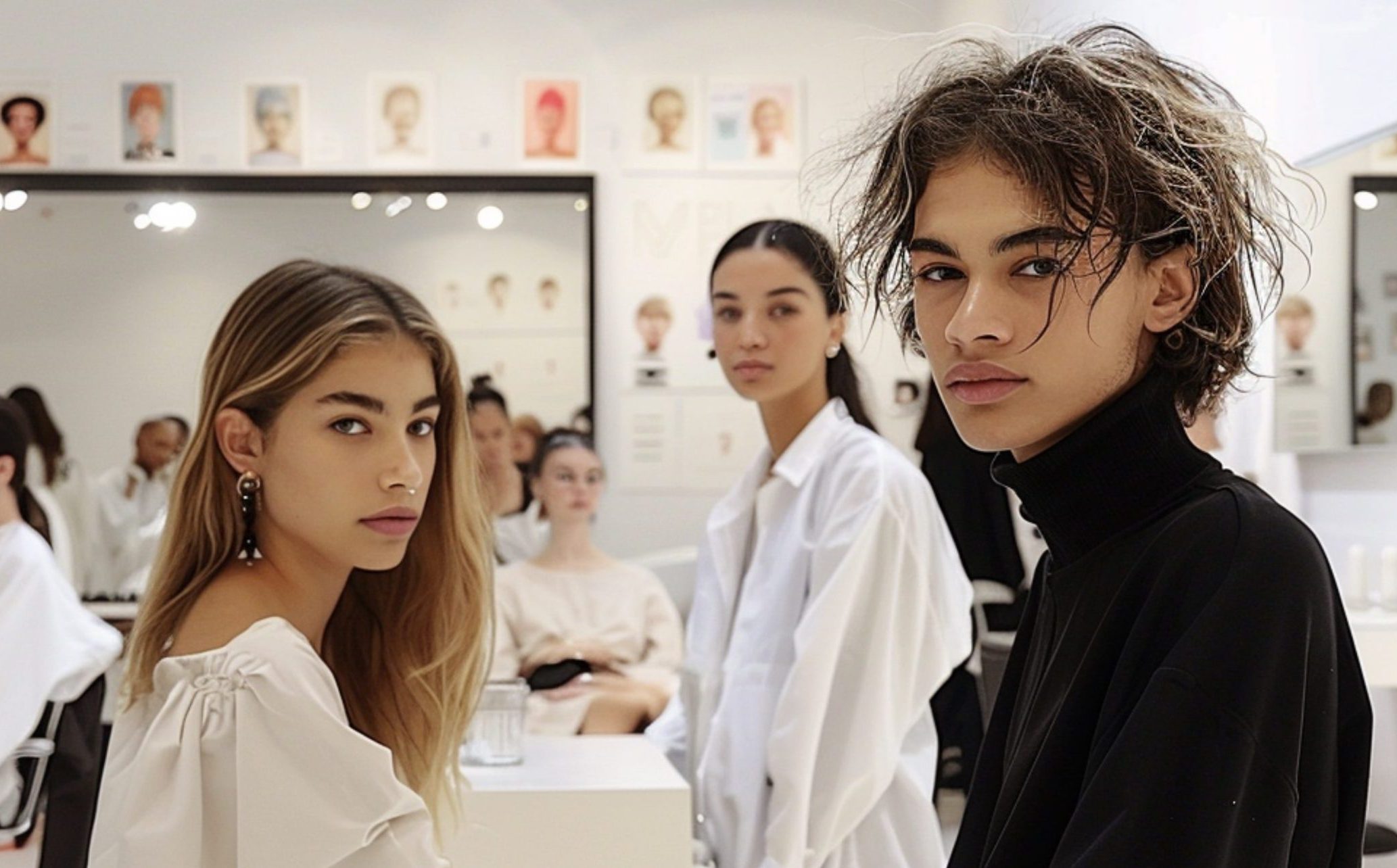
What Is Gender-Neutral Hairstyling?
Gender-neutral hairstyling is an approach that drops the ready-made templates of “women’s haircut” and “men’s haircut” in favor of decisions based on the client’s hair and facial features. The starting point is diagnosis: density, hair thickness, growth direction, the presence of a cowlick and crown, the growth line at the nape and temples, and facial proportions. Only from this data do you determine length, degree of graduation, where to break the line, and finishing.
In practice, this isn’t a new technique—it’s a work discipline: the same fade, the same graduation, or the same layers work regardless of the client’s gender, as long as you match them to the real structure rather than an assumption. A man with thin, straight hair and a woman with thin, straight hair will get a similar technical solution, because it’s the hair that dictates the terms.
Business Benefits of Inclusive Styling
Introducing gender-neutral services can bring your salon a number of benefits:
- Expanding your client base: you’ll attract people looking for a more inclusive approach to hairstyling.
- Increasing client loyalty: clients will appreciate an open and accepting approach, and a repeatable hair diagnosis delivers a predictable result at every visit.
- Standing out in the market: you’ll be seen as a modern salon that cuts for the individual head, not for the price list.
How to Create an Inclusive Environment in Your Salon?
Consultation and Language
Inclusivity starts at the consultation, not at the scissors. Instead of asking the client whether they want a “men’s” or “women’s” haircut, guide the conversation through technical parameters:
- Don’t assume length or style based on the client’s appearance – ask about the target length once dry, and how much time the client wants to spend styling at home.
- Use the language of effect, not labels: “shorter sides with a soft transition”, “more texture on top”, “rounded or sharp nape line”.
- Diagnose on dry hair with your fingers in it: check the growth direction at the crown and temples, since this determines where you can set a parting and how the top will behave.
Redesigning Your Service Menu
Instead of dividing services into “men’s” and “women’s”, consider categorizing based on:
- Hair length (short, medium, long)
- Type of service (e.g. haircut, coloring, styling)
- Service duration, which realistically reflects the workload
Example: instead of “Men’s Haircut”, write “Short Hair Haircut (30 min)”. A price list based on length and time is fairer and easier to quote, because it’s the length and the graduation technique that dictate the real time behind the chair—not the client’s gender.
Popular Gender-Neutral Hairstyles and Techniques
These shapes work for clients regardless of gender, because they’re built on proportion and texture, not category. The key is matching the degree of graduation and the amount of texture to the hair structure.
- Pixie – a short shape built on point graduation and texturizing the ends. Work the sides and back with scissor-over-comb or clippers with a guard, texturize the top with scissor point cutting and slide cutting to remove weight without losing movement. Set the degree of graduation to match density: thin hair tolerates less shortening on the sides.
- Bob – a one-length shape or in soft layers, clean and easy to check. Section with horizontal partings from bottom to top, hold the sections at a consistent low elevation (typically 0-45 degrees for a compact shape), and run the scissors parallel to the parting line. Tilting the client’s head changes the length of the nape line, so keep the head in one straight position throughout the bottom section.
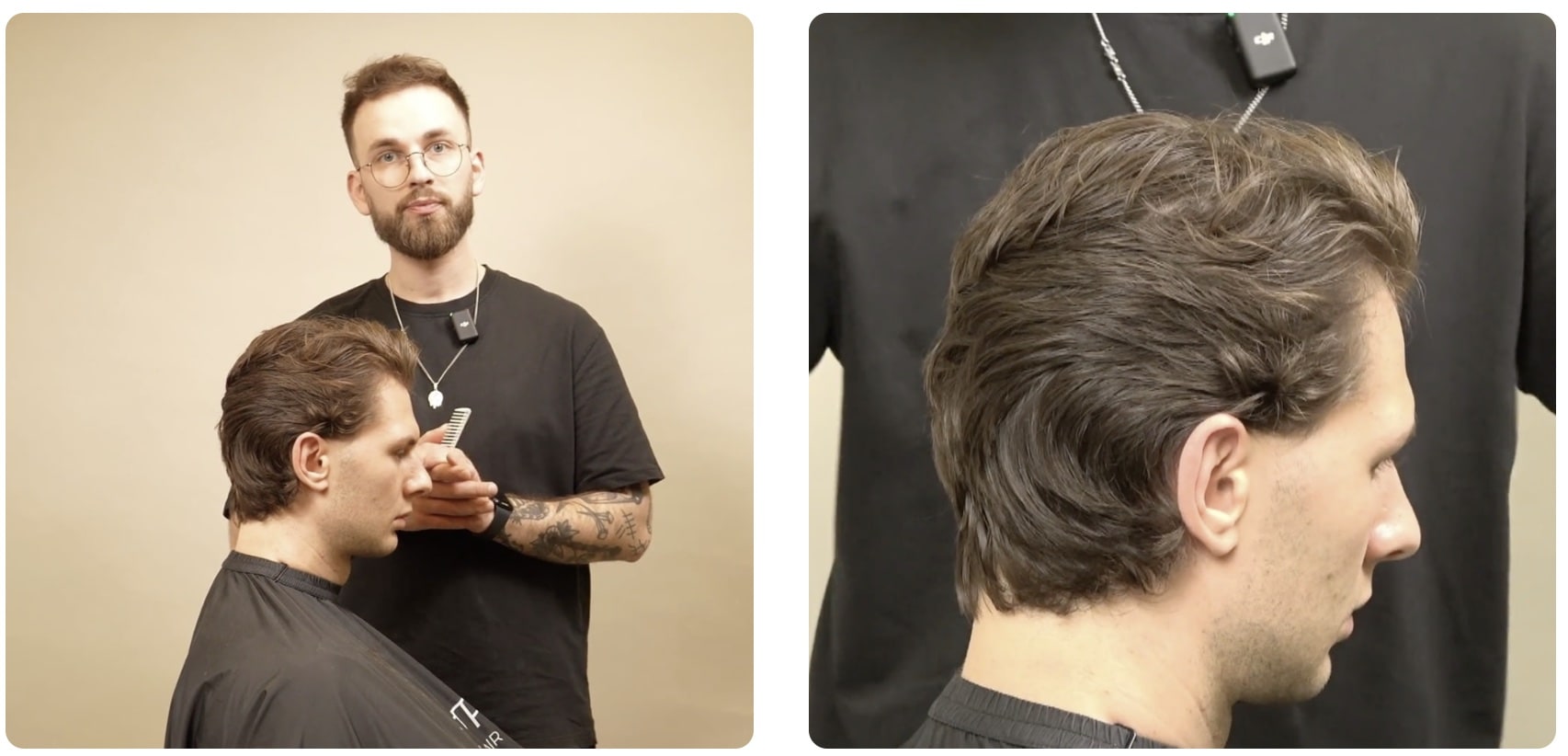
- Undercut – a contrast between short sides and a longer top. Mark a clear disconnection line with the comb, clip the bottom with a single guard or in graduation, and leave the top disconnected. It’s a versatile base that can be worn combed back, to the side, or forward.
To expand your skills in these techniques, check out our courses:
Adapting Traditional Techniques
Many classic hairdressing techniques can be carried over into gender-neutral styling without changing the craft itself – only the context in which you use them changes.
Fade and Graduation
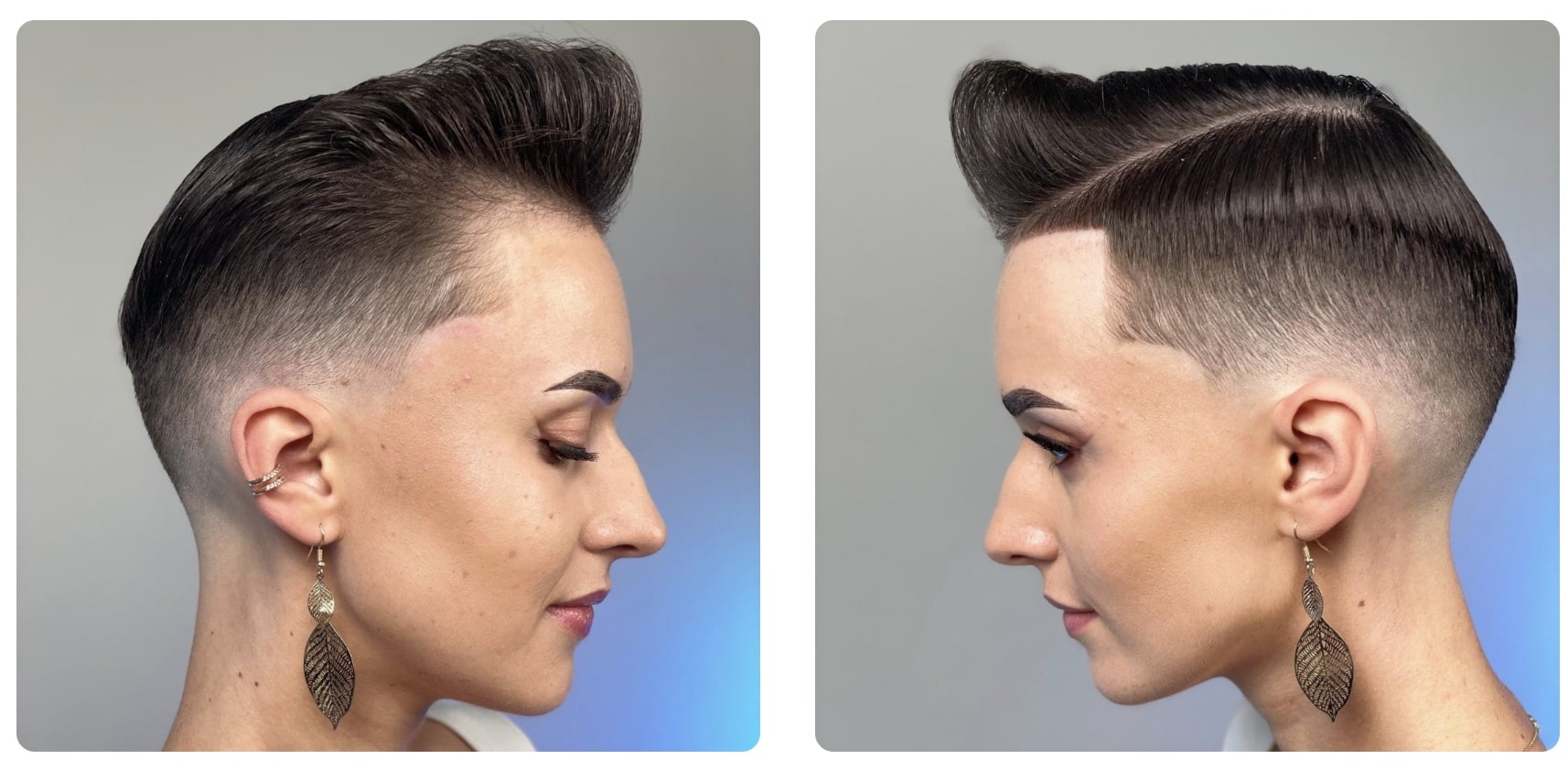
The fade is associated with men’s haircuts, but it’s purely a technical graduation that suits any top. Work through it in stages:
- Set your starting guideline – low, mid, or high fade – at the level of the temples and occipital area, symmetrically on both sides.
- Work from the shortest guard upward, moving the clippers away from the skin in a scooping motion, to avoid leaving a hard line of demarcation.
- Blend the transitions between guards using the clipper-over-comb technique or bare clippers held flat, until the visible step between zones disappears.
- Check the graduation under light from several angles and pick out the ends – the higher you take the fade, the stronger the contrast with the top.
Long Layers
Layers add movement and remove weight from thick hair regardless of the client’s gender. Elevating sections at a higher angle (toward 90 degrees and above) creates shorter interior layers and more volume on top; holding sections lower leaves more weight and length at the bottom. Work on vertical partings, carry a single traveling guide across the whole head, and check symmetry by bringing sections from the left and right sides to the center.
Check out our Side Part Skin Fade course to learn versatile graduation techniques.
Products for Gender-Neutral Styling
Choose products based on hair type and the target effect, not the packaging. A universal kit behind the chair includes:
- Lightweight texturizers (e.g. salt sprays, powders) – add grip and separation without weighing down thin hair.
- Multi-purpose pomades – choose based on hold and finish: matte for a natural effect, shine for a sleek comb-back.
- Medium-hold styling sprays – set the shape while still allowing it to be combed through.
Show the client behind the chair how much product to use and how to distribute it, since the same wax gives a different effect on thin versus thick hair. Avoid products strongly associated with a specific gender, both in formulation and in messaging.
Marketing Gender-Neutral Services
- Use inclusive language in your promotional materials and describe services by effect and length, not by gender.
- Show diversity on social media and in your portfolio: the same techniques on different hair types and face shapes.
- Educate clients on why a hair structure diagnosis delivers a better result than a ready-made haircut template.
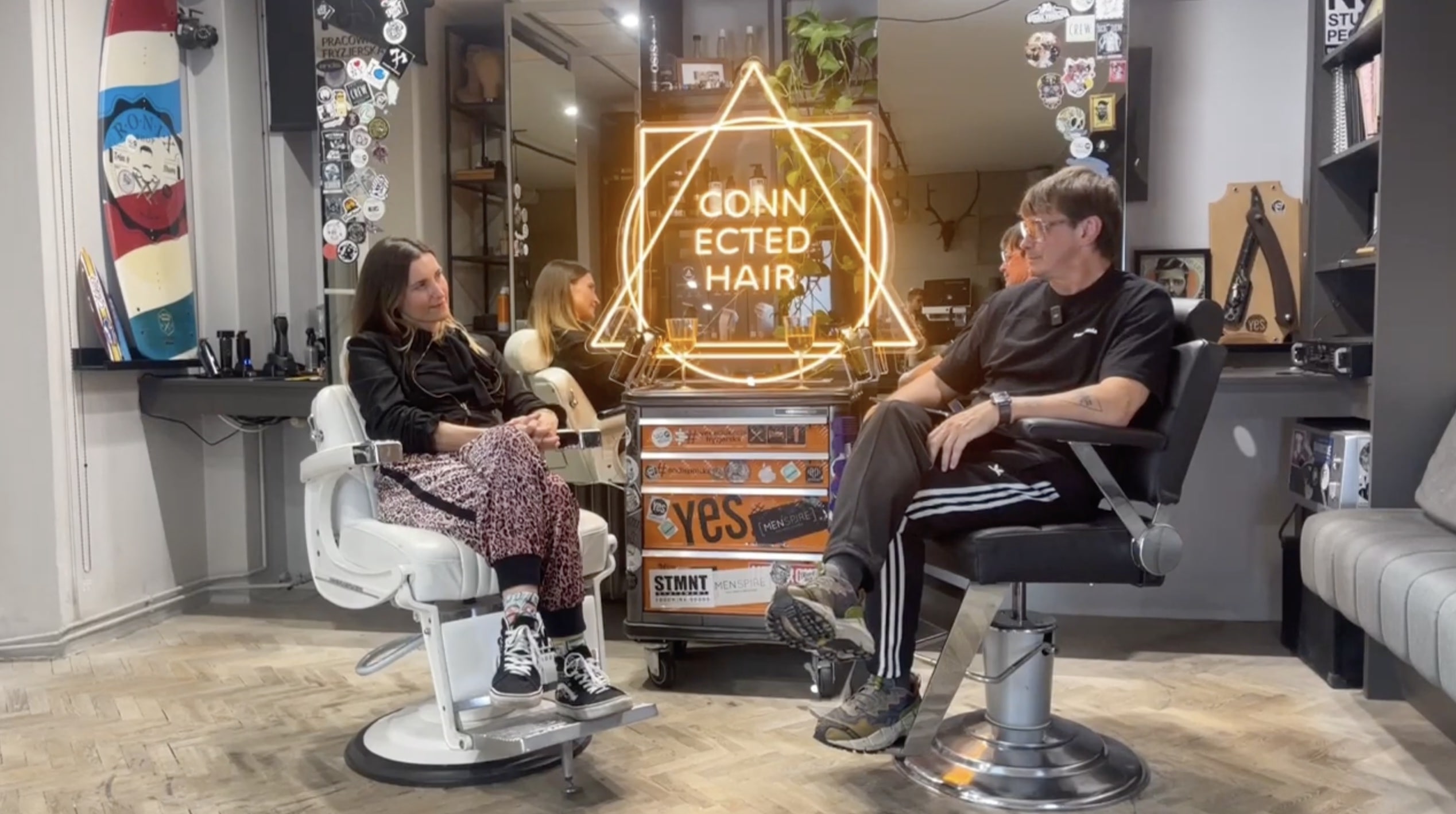
Our podcast Building a Personal Brand can help you create an effective marketing strategy.
Courses for Your Team
A consistent standard across the whole team is key here – every client should get the same level of diagnosis and finishing from every barber:
- Run regular courses on hair-structure-based consultation and inclusive behind-the-chair communication.
- Encourage your team to practice the same techniques (fade, graduation, layers) on different hair types, so they can carry them over between styles.
- Standardize your service naming and step descriptions, so everyone in the salon categorizes haircuts by length and time – not by gender.
Where This Trend Is Heading
Demand for haircuts matched to structure, not to labels, is growing and will likely become the norm. For a salon, this means movement in three directions:
- Greater diversity of styles derived from the same base techniques.
- Growth of styling products described by hair type and effect instead of gender.
- Greater emphasis on personalizing the service and on consultation as a real part of the haircut.
Gender-neutral haircutting isn’t a new trend—it’s a work discipline built on hair diagnosis: you choose length, graduation, and texture for the individual head, not for the price list. The more confidently you master the base techniques – fade, graduation, and layers – the more easily you’ll carry them over between styles and clients.
Want to sharpen your craft and work with repeatable, proven techniques? Check out our online course offering and join the community of professional hairdressers at the Connected Hair Academy.