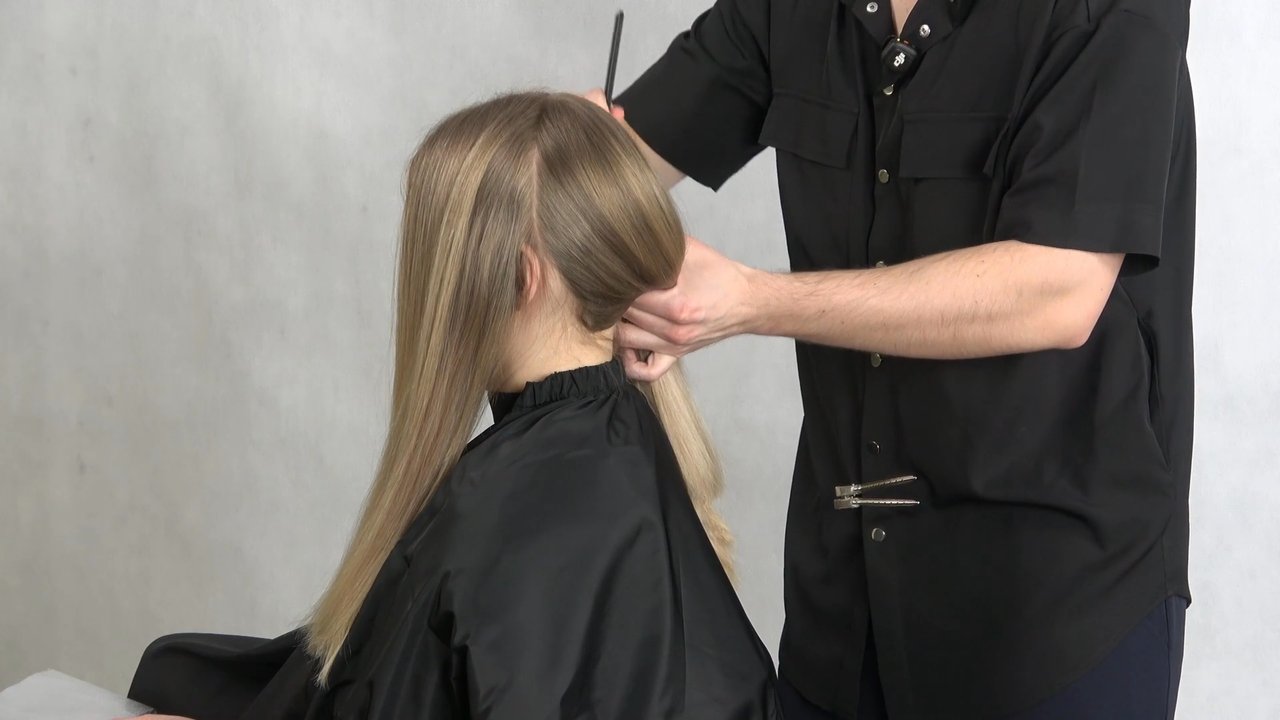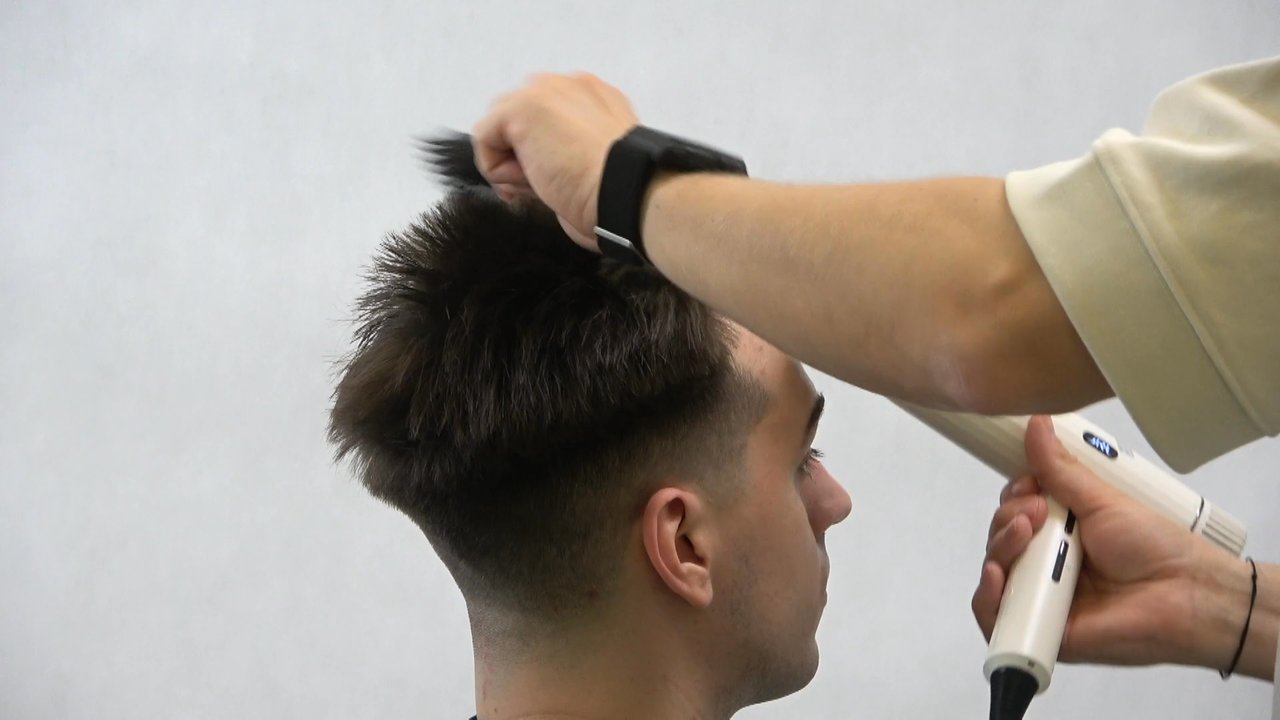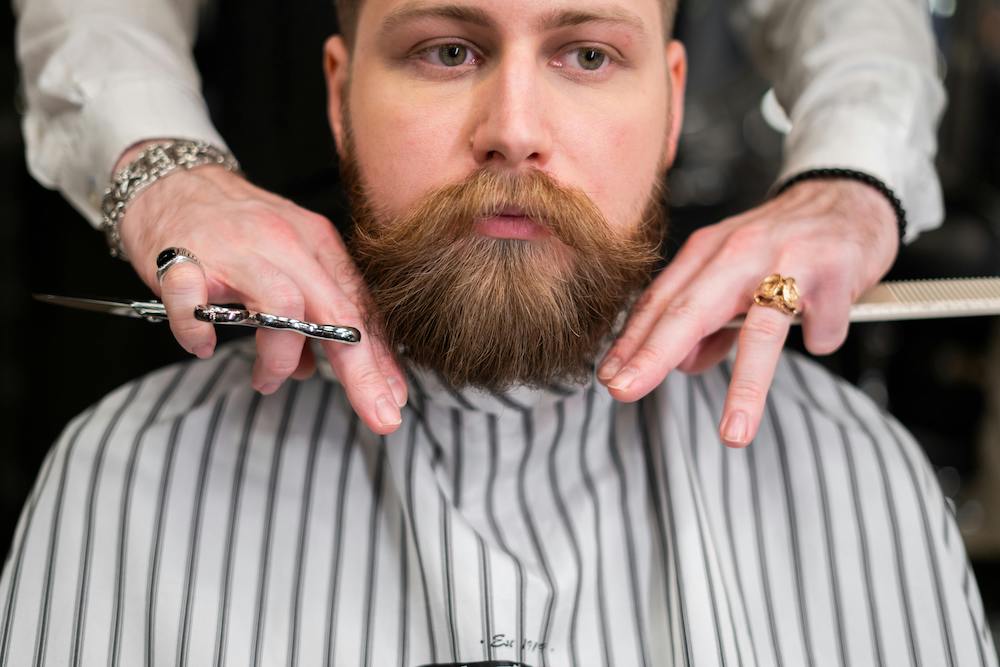
The consultation before the haircut determines the result more than the cutting technique itself. The client doesn't know the names of layers, texturizing, or density – they can only show a photo and say what they don't want. The hairdresser's job is to translate that image into a real work plan: matching length, line, texture, and finish to the hair type, face shape, and daily routine the client actually sticks to. Below is a practical guide on how to lead this conversation and how to diagnose hair, so the client leaves the salon with a hairstyle they can style themselves the next morning.
1. Consultation: Listening and Asking the Right Questions
Start with Active Listening
Before you reach for the scissors, let the client explain what they want in their own words. The most common mistake is jumping to a proposal within the first ten seconds, before you understand what's actually bothering them about their current hairstyle. One person's “short” means trimming two centimeters off; for another, it means a complete change in length.
Ask open-ended questions that require specifics instead of a “yes” or “no” answer:
- “What bothers you most about your current hairstyle?” – this reveals the real problem, not just a wish.
- “How much time do you realistically spend on your hair in the morning?” – two minutes versus fifteen minutes calls for two different hairstyles.
- “Show me how you usually style it.” – watching the gesture says more than a description.
- “What do you absolutely not want?” – boundaries are often more important than preferences.
If the client brings a reference photo, discuss it in concrete terms: which elements they like (length, fringe, texture, color), rather than whether it should “look exactly like that.” Point out right away any differences that can't be replicated with their hair type, to avoid disappointment after the cut.
Speak a Language the Client Understands
Communication behind the chair isn't just politeness – it's a working tool. Translate technical decisions into benefits: instead of “I'll do some layering on the sides,” say “I'll leave more volume on top, and the sides will taper smoothly so the style doesn't stick out after two weeks.” Keep eye contact in the mirror, confirm lengths with your fingers on the client's hair, and once you're done, show the back with a hand mirror and name what was done.
It's worth working with intention on communication itself and on building the client relationship. You'll find practical tips in our podcast on building a personal brand.
2. Hair Diagnosis and Choosing the Right Hairstyle
Assess Hair Structure Before Choosing a Hairstyle
Hair diagnosis matters more than the reference photo itself, because it determines whether the hairstyle will hold. Check a few things on both wet and dry hair:
- Density – part a section and see how much scalp shows through. Thin hair can't support heavy, blunt lines; dense hair needs to be lightened from within.
- Individual hair thickness – fine hair quickly loses volume with long layers, while coarse hair is harder to style flat.
- Tendency to curl – wavy hair shrinks as it dries, so cut with extra length and check the final length on dry hair.
- Growth direction and cowlicks – a crown whorl or a cowlick at the nape will affect the fringe or nape line before you even start.
Only on this basis do you decide on the technique: whether you build volume with layers, lighten the hair with texturizing from mid-section, or leave a strong, blunt line.
Match the Line to the Face Shape
A hairstyle works like a frame around the face: it should optically bring the proportions closer to an oval. What you add through volume and length changes how the features are perceived.
- Round face – build volume on top and avoid width at cheekbone level; longer strands framing the face elongate it.
- Square face – soften the jawline with soft, layered strands instead of a blunt, straight bob at jaw level.
- Long face – add width at the sides and consider a fringe that optically shortens the forehead.
- Heart-shaped face – balance a wider forehead with volume at the jawline and the lower part of the hairstyle.
Keep in mind the features the client flags as sensitive: a high forehead, protruding ears, a short neck. These often set the minimum length for the fringe or the nape line, regardless of the trend.
Check Whether the Client Can Style It at Home
The most beautiful hairstyle is worthless if it requires a flat iron and fifteen minutes of work, while the client only gives themselves two minutes and a towel. Before finalizing the length, ask directly about their routine: do they blow-dry their hair, do they use a diffuser, what products they already have, and whether they even want to style it at all.
If the client won't be styling daily, choose a hairstyle that looks good after air-drying: a cut that works with the natural curl pattern, a length that doesn't require styling the roots, a texture that hides the lack of styling. This isn't a compromise – it's adapting the design to real conditions.
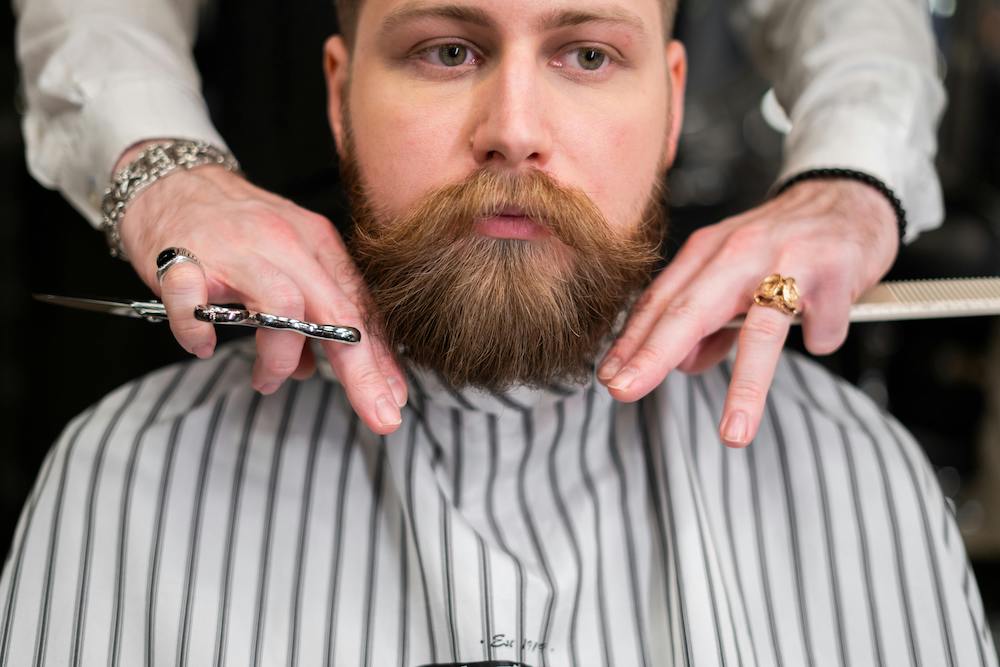
3. Trends and Creativity in Service of the Client
Follow Trends, but Filter Them Through the Specific Client
Staying up to date with techniques and styles is a must, but a trend is never a value in itself. Your advantage over a photo from the internet is that you can judge whether a given cut will work on this hair type and this face – and how to modify it so it does.
You'll find a practical overview of current directions and how to actually execute them in the article “5 Hottest Hairdressing Trends“.
Show the Result Before You Cut
Many clients can't picture the result from a description alone, and any miscommunication ends in disappointment while sweeping hair off the floor. Minimize this risk with simple tools: clip the hair at the target length and show it in the mirror, discuss “before and after” photos of other clients with a similar hair type, use a hairstyle visualization app if you have one. There's just one goal – for the client to see the direction and confirm it before it becomes irreversible.
4. Educating the Client After the Haircut
Teach the Client to Maintain the Result
Advising doesn't end with the cut. A client who knows how to recreate the hairstyle at home comes back satisfied and refers others. Show them live how to blow-dry the hair in the target direction, how much and which product to apply, and where to start styling from. Tell them directly when to book a touch-up, because an unspoken timeline means a hairstyle that grows out and loses its shape.
A short, written aftercare guide handed out after the appointment builds a professional image and takes the burden of remembering off the client. It's also worth showing that the quality of a cut starts with the tools – we cover the topic of blade sharpness and equipment maintenance in the article “Secrets to Keeping Hairdressing Scissors Sharp“.
Take Image Changes Seriously
For many people, changing their hairstyle is an emotionally loaded decision – tied to confidence, a life stage, sometimes to loss. Don't dismiss a client's hesitation, and don't push for a radical change if you sense uncertainty. Sometimes it's better to spread a transformation over two appointments than to lose trust with a single cut of the scissors.
Note down regular clients' preferences and concerns: their favorite length, products they don't tolerate, topics they avoid. A client card you revisit before the appointment shows that you remember, and lets you pick up exactly where you left off.
5. Develop Your Craft to Advise with More Confidence
The bigger your repertoire of techniques, the more accurately you'll match a solution to unusual hair or a challenging face. Advising without craft is empty – the client will quickly sense you're promising a result you can't deliver. Set yourself a concrete goal, such as one course or workshop per quarter, and pick topics that genuinely expand the range of your services.
A good starting point for more confident color advising is the course “The Color Wheel in Hair Coloring“, which clarifies the rules of shade selection and toning.
See it in practice: in the professional consultation and hair diagnosis course with Bartłomiej Lacz, you'll follow the entire process step by step on a model, with commentary from the instructor.
Summary
Effective advising is a combination of three things: a conversation that draws out real needs, a hair and face diagnosis that tells you what's achievable, and craft that lets you execute it. The client doesn't judge the hairstyle in the salon – they judge it on the third morning, when they style it themselves. If it works then, they come back and refer others.
If you want to deepen specific areas of your craft and advising skills, check out our full course offering and our blog, where we regularly publish content for professional hairdressers.