A client comes in for color or a haircut and leaves with something more: a protected scalp and hair shaft. The whole difference plays out in details that are easy to miss in the rush of work, between the question at booking and the water temperature at the basin.
Trichology in practice means running every hairdressing appointment with intention, so you protect the scalp and hair shaft — not just deliver a color or a cut. Magdalena Koc breaks it down into twenty-five points across five areas: before the appointment, work behind the chair, work at the basin, the conversation about products, and what happens at home. Each point is a small habit that either protects or unnecessarily sensitizes the scalp and hair.
How trichology in practice differs from a trichology service
Trichology in practice isn't a separate line item on the price list — it's a mindset layered onto ordinary color and haircut services. A trichology service is a planned scalp treatment, while the practice Magdalena Koc describes happens along the way, during every appointment, with no extra charge on the receipt. Many salons already offer trichology services but don't carry that knowledge over into everyday color and scissor appointments. And it's exactly that carryover that gives the client real value.
Trichology works across two areas: the scalp, the living part, where we stimulate the skin and hair follicles, and the shaft, the non-living part. Hairdressing and trichology overlap so closely that you can't draw a hard line between them. As the course author puts it:
Every hairdresser is, to some degree, a trichologist.
Magdalena Koc
Who trichology in practice is for
Trichology in practice is for every client, since every scalp and every hair type responds to it, but it especially helps people with sensitized, lightened hair prone to oiliness. Behind the chair, it's a tool for the hairdresser who wants the appointment to be substantive, not just nicely finished.
Diagnosis starts with observation. A plastic cap can overheat the scalp and drive overproduction of sebum. A client who constantly flips her fringe from one side to the other spreads sebum through the hair and ends up needing to wash it more often. Flaky, red, or irritated scalp, white buildup on the shaft, split ends, knots — a hairdresser can catch all of this during a conversation about color. Trichology isn't just about hair loss, but also about scalp conditions and irregularities.
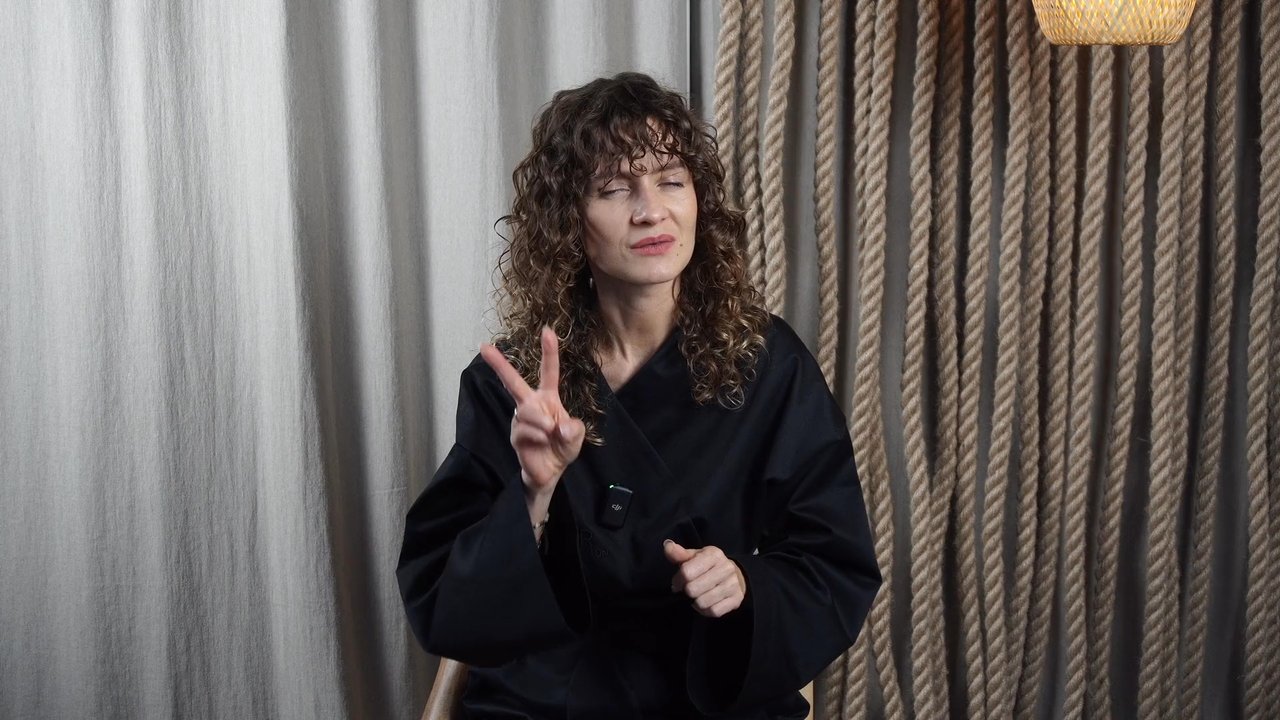
With hair of very different lengths, it's worth asking about layering and about the last two years. Twenty-centimeter sections next to strands twice as long can reveal intense shedding from around two years earlier — after having a baby, for example. This is where a simple diagnostic technique comes in. Watch how Magdalena Koc explains the hair pull test:
If even one hair falls out from every spot on the head where you gently pull, you're likely dealing with increased shedding, which may correspond to telogen effluvium. That's a signal to dig deeper into the subject, not to close out the appointment with color alone.
What trichology looks like behind the chair and at the basin
Behind the chair and at the basin, trichology in practice comes down to controlling three things: temperature, how products are applied and rinsed out, and choosing products for the specific need. This is where ordinary color services or a haircut can either protect the hair or sensitize it.
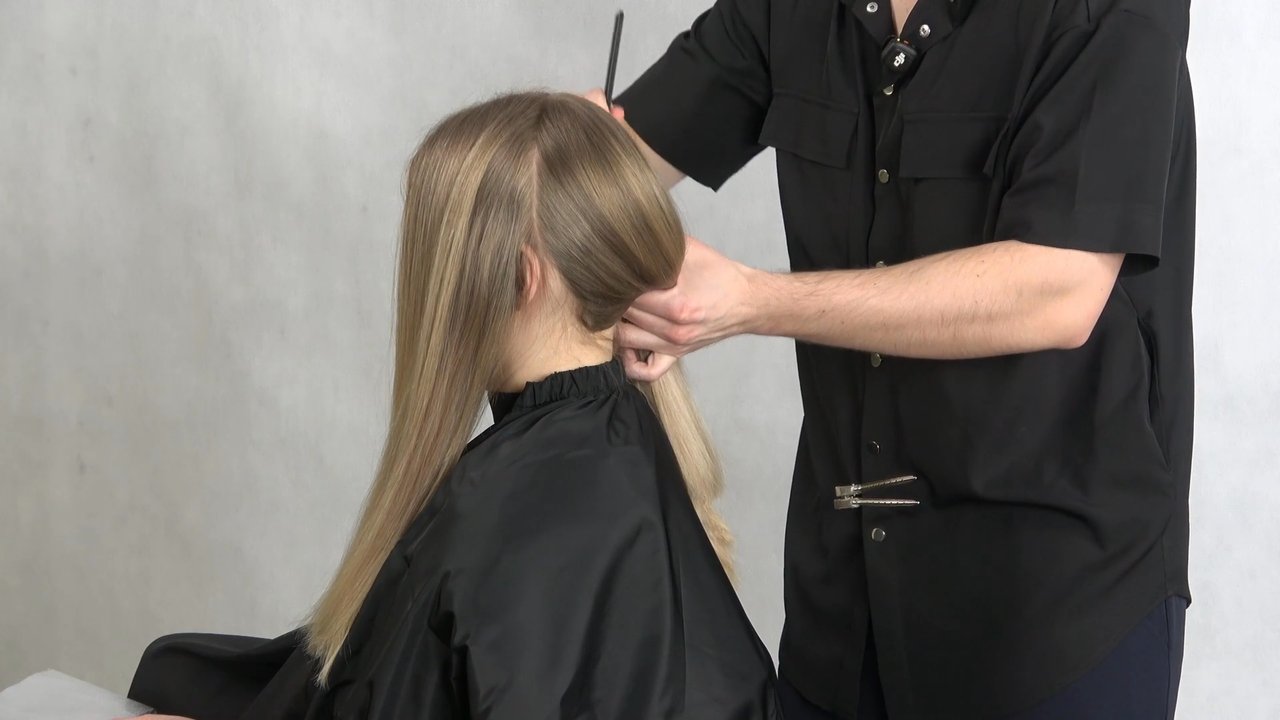
Start combing out using the ladder system — from the ends upward, two, three, five centimeters at a time — so the brush never catches or tugs. Apply color with the brush flat and smooth against the scalp, not pressed in with the sharp tip, because the scalp is far more delicate than the palm of your hand and micro-injuries form. It's also worth buying a pH meter for two or three hundred zlotys and checking the mixed color or toner. Magdalena Koc verified many brands this way and found the reason why blondes with sensitized hair lose length through constant breakage, despite theoretically nourishing toners.
On lightened, porous hair, temperature calls for caution. A blow-dryer at sixty degrees is safer than ninety or one hundred twenty, and the water at the basin should be warm, not hot, because high temperature ramps up the sebaceous glands and scorches the shaft. The washing moment itself isn't uniform either. Watch how Magdalena Koc separates shampoos for the scalp and for the length:
Instead of one shampoo for everything, you can work with two, three, or even four: a clarifying or anti-dandruff shampoo for a flaky scalp, a reconstructive one for breaking blondes, a moisturizing and sealing one for the second wash. A simple wash turns into a ritual tailored to the needs of the scalp and hair. Also remember emulsification of the color and thorough rinsing of products, because leftover MEA or shampoo swells inside the hair and irritates the scalp for days afterward.
Home education: how the client maintains the result
The trichological effect only holds up if the client repeats the correct habits at home, because a visit every few weeks won't make up for daily mistakes. That's why the last five of the twenty-five points concern home products and the care ritual.
At home, the same rule applies: a separate shampoo for the scalp and for the hair. It's worth checking the ingredient list for silicones, SLS, and mica — the ground glitter that gives a glam effect but isn't suitable for regular use. Gray-coverage sprays, powders, talc, and hairspray applied close to the roots clog the follicle openings, leaving the scalp chronically underwashed. Scrubs are a separate trap. Watch why Magdalena Koc warns against overusing them:
The skin's shedding cycle takes twenty-eight days, so a weekly acid peel doesn't give the scalp a chance to regenerate and can push a client from washing every other day to washing daily. A daily ritual, on the other hand, is a scalp massage lasting one to three minutes, combing out from the ends upward, and protecting the hair overnight in a loose braid instead of a bonnet, which overheats the head. Tool and pillowcase hygiene rounds it all out: wash the pillowcase at a high temperature, with soda tablets and vinegar instead of fabric softener.
How long conscious trichological work lasts
Conscious trichological work lasts only as long as the habits are kept up, because no single treatment fixes the scalp and hair once and for all. A single appointment with a well-chosen shampoo, controlled temperature, and thorough rinsing gives immediate comfort: smoother, easier-to-comb hair and a soothed scalp. Lasting results are built only through repetition — the same correct actions at every following appointment and in the client's home ritual.
That's why the hairdresser's role is to shift the client's habits toward ones that protect the scalp and hair, not just to deliver the service. The more of the twenty-five points you've checked off, the closer trichology sits to your heart, and the more confidently you can move into the advanced version.
If a client regularly complains about breaking blondes, itching after color, or a scalp that oils up quickly, the answer usually lies in the details of the whole appointment. Magdalena Koc goes through all twenty-five points in the course Trichology in Practice: how to read the scalp and hair shaft, control pH, temperature, and emulsification, and choose shampoos and care products for the specific need.