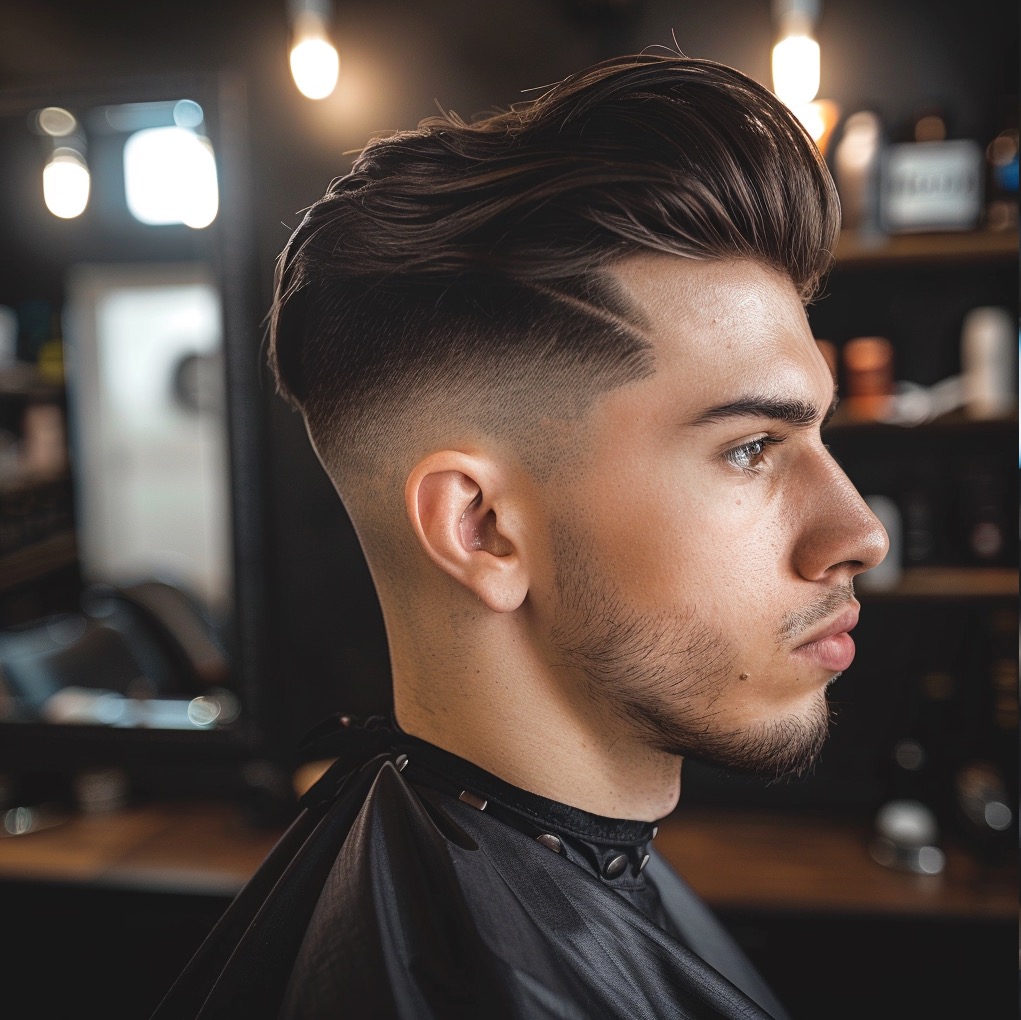
In the world of men's hairdressing, cutting fine hair is a particular challenge. It requires not only technical precision, but also an artistic approach and a deep understanding of hair structure. As a professional hairdresser, you need to master a range of techniques that will allow you to create the illusion of volume and density, while providing your clients with a stylish and modern look.
Understanding the structure of fine hair
Fine hair has a smaller diameter than normal or thick hair. This characteristic has a significant impact on its behavior and appearance. It is often more delicate and prone to damage, which requires special care when cutting and styling. In addition, fine hair tends to become greasy more quickly, which can lead to a "flat" effect.
Consultation with the client – the key to success
Before starting a haircut, it is absolutely essential to conduct a thorough consultation with the client. This is not just a formality, but a fundamental part of the hairstyling process. During the consultation, you should discuss the client's expectations, assess their hair structure, and suggest suitable hairstyles.
Basic cutting techniques for fine hair
Dry haircut
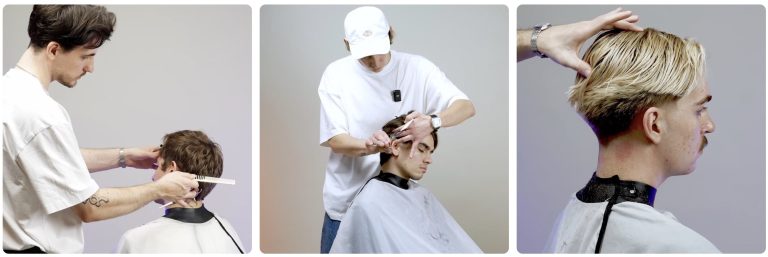
Dry cutting is one of the most effective techniques for thin hair. It is particularly useful when creating hairstyles such as textured crops, where control over each strand is crucial.
Point cutting
Point cutting is a technique that involves cutting the ends of the hair at an angle rather than in a straight line. It is an extremely effective method when working with fine hair, adding texture and movement to the hairstyle.
Shading
Proper layering is crucial for thin hair. This technique creates the illusion of greater volume through gradual transitions between different hair lengths.
Undercut
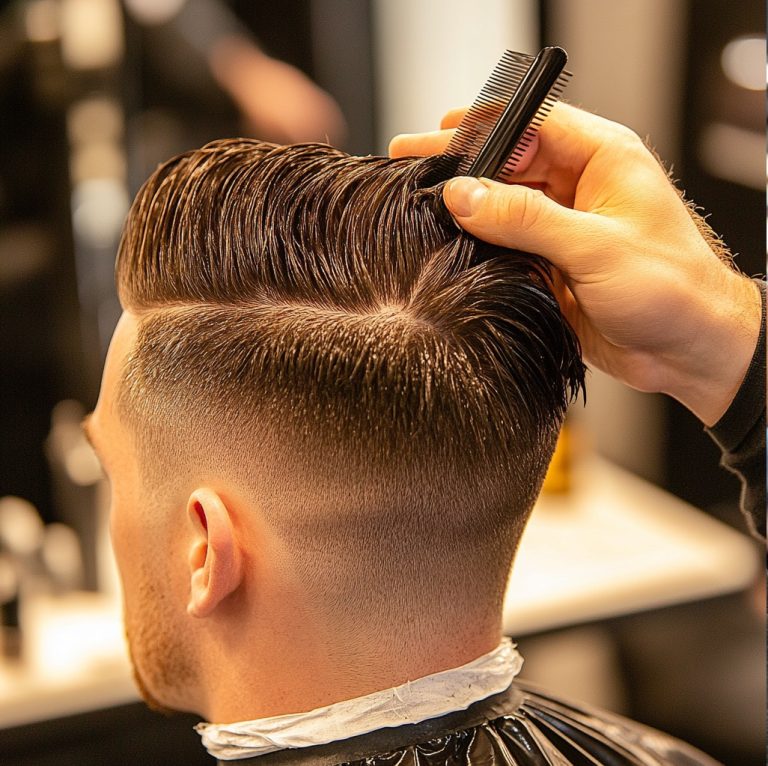
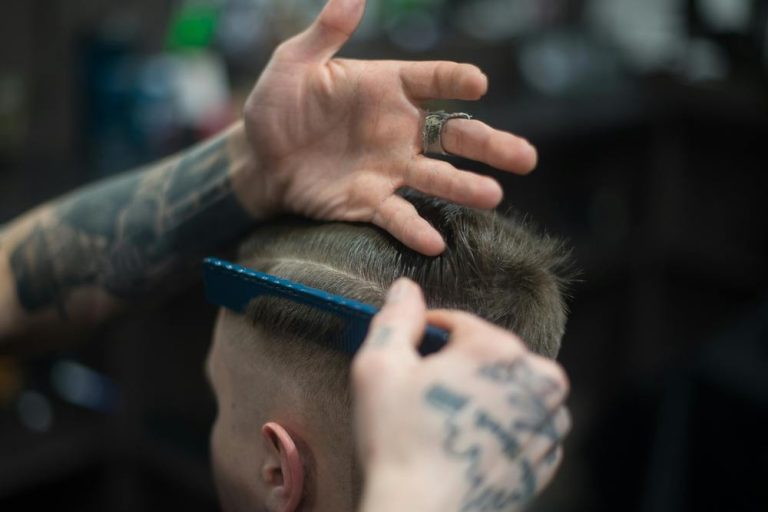
An undercut can be an effective technique for thin hair, especially when it is thicker on top of the head. It can be combined with hairstyles such as a pompadour to create a more distinctive style.
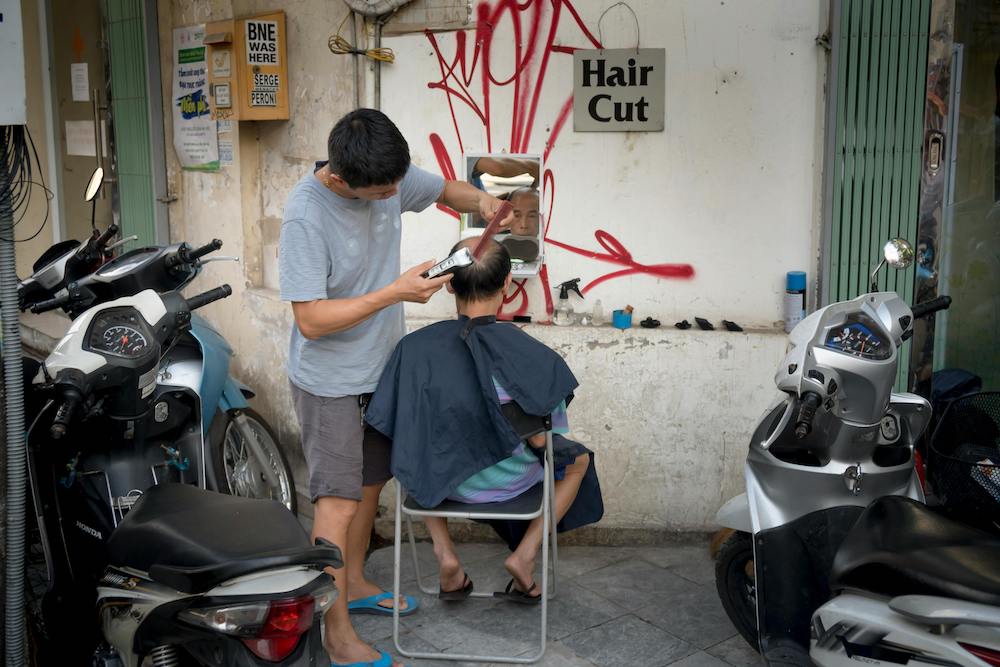
Advanced techniques for fine hair
The "choppy" technique
The "choppy" technique involves creating uneven, textured ends. It is particularly effective on fine hair, as it adds volume and movement to the hairstyle.
Hairstyle with a parting
A properly styled hairstyle with a parting can be beneficial for thin hair, creating the illusion of greater density on the top of the head.
Texturing with thinning shears
Careful use of thinning shears can add texture to fine hair, but this requires special attention and precision.
Styling and finishing
Proper styling is key to enhancing the effect of thin haircuts. Use light texturizing products and avoid heavy pomades that can weigh down your hair.
Recommended hairstyles for thin male hair
| Hairstyle | Characteristics | Benefits for fine hair |
|---|---|---|
| Short textured crop | Short sides, textured top | Adds volume and texture, conceals thin areas |
| Combed to the side | Longer top combed to the side | Creates the illusion of greater density on the top of the head |
| Short quiff | Raised front section | Adds height at the front, draws attention to the best features of the hair |
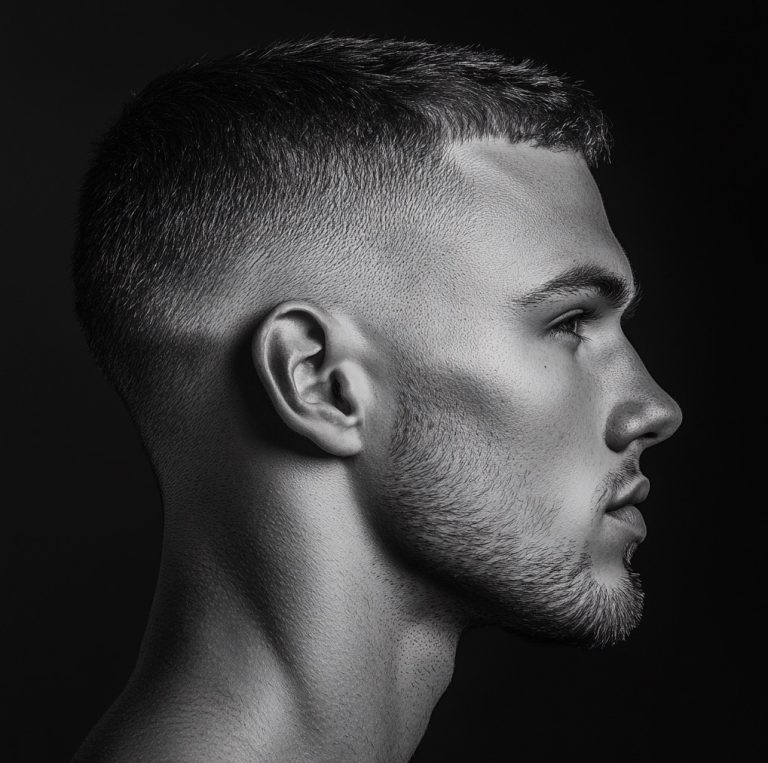
| Buzz cut with fade | Very short cut with layering | A minimalist approach that can be beneficial for very fine hair |
| Hedgehog hairstyle | Short, spiky hair | A classic that works well with fine hair, adding apparent volume. |
Care and advice for customers
Educating clients about caring for fine hair is just as important as the haircut itself. Recommend gentle shampoos and appropriate styling products.
Tools and products
Choosing the right tools is crucial when cutting fine hair. Remember to maintain your hairdressing tools regularly to ensure the best cutting results.
| Tool/Product | Characteristics | Use on fine hair |
|---|---|---|
| Sharp scissors | Precise, high quality | Clean, precise cuts without pulling hair |
| Lightweight machines | With length adjustment | Delicate shading without weighing down the hair |
| Wide-tooth combs | Antistatic | Avoiding static hair |
| Light texturizing products | Water-based or powder-based | Adding volume without weighing down |
| Hair dryer with diffuser | With temperature control | Gentle drying that adds volume |
Trends and innovations
Stay up to date with the latest trends in cutting and styling thin men's hair. Experiment with modern texturizing and coloring techniques that can visually increase hair volume.
Summary
Cutting thin men's hair is an art that requires specialist knowledge, technical skills, and a creative approach. Continuous improvement of your skills and knowledge of the latest trends will allow you to offer services of the highest standard.
To deepen your knowledge and skills in men's haircutting, including techniques dedicated to thin hair, consider participating in our online hairdressing training courses. They will allow you to expand your repertoire of techniques and increase your confidence in working with different hair types.
Remember that your role as a hairdresser goes beyond just cutting hair—you are also an advisor and expert who helps clients feel confident and attractive, regardless of their hair type.