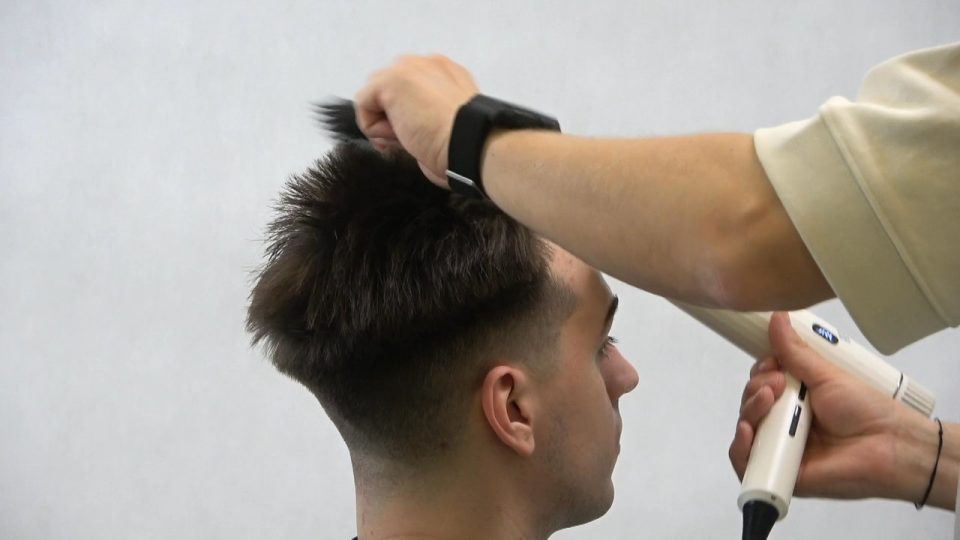
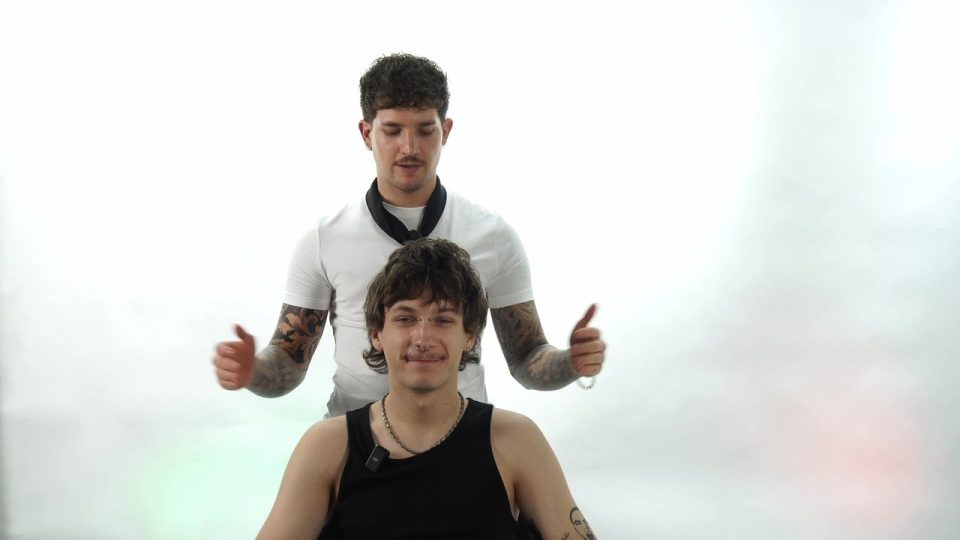
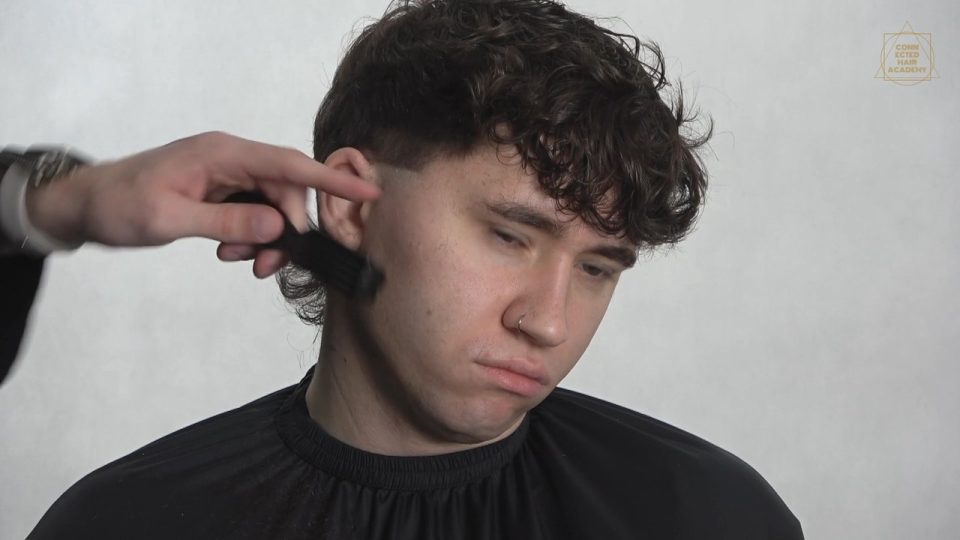
Proste włosy męskie uchodzą za łatwe, dopóki nie weźmiesz ich pod nożyczki. Brak skrętu nie wybacza błędów: każda nierówna linia, każdy zbyt mocno wycieniowany pasek i każde twarde przejście od maszynki do nożyczek widać jak na dłoni. Ten przewodnik zbiera techniki, które realnie sprawdzają się przy włosie prostym, od sekcjonowania i kątów prowadzenia narzędzia, przez teksturyzację, po wykończenie i dobór produktów.
Characteristics of straight men's hair
Włos prosty nie ma naturalnego skrętu ani fali, więc opada pod własnym ciężarem i kładzie się płasko przy skórze głowy. Stąd częste wrażenie cienkości, nawet przy dużej gęstości, oraz szybsze przetłuszczanie się, bo sebum bez przeszkód spływa wzdłuż prostego włosa. Z drugiej strony taki włos łatwo się układa i trzyma kierunek, tylko równie szybko traci formę.
Dla strzyżenia oznacza to trzy konsekwencje, które warto mieć z tyłu głowy przez całą pracę:
- Każda linia cięcia jest widoczna. Proste pasmo nie maskuje nierówności, jak robi to włos kręcony, więc precyzja sekcji i równa kontrola napięcia są ważniejsze niż gdziekolwiek indziej.
- Objętość trzeba zbudować techniką, nie liczyć na włos. Płaskie pasma podnosi się przez teksturyzację i odpowiednie warstwowanie, a nie samym skróceniem.
- Forma żyje krótko. Fryzura na włosie prostym wymaga przemyślanego wykończenia i produktu, inaczej do południa opadnie.
Preparing for a haircut
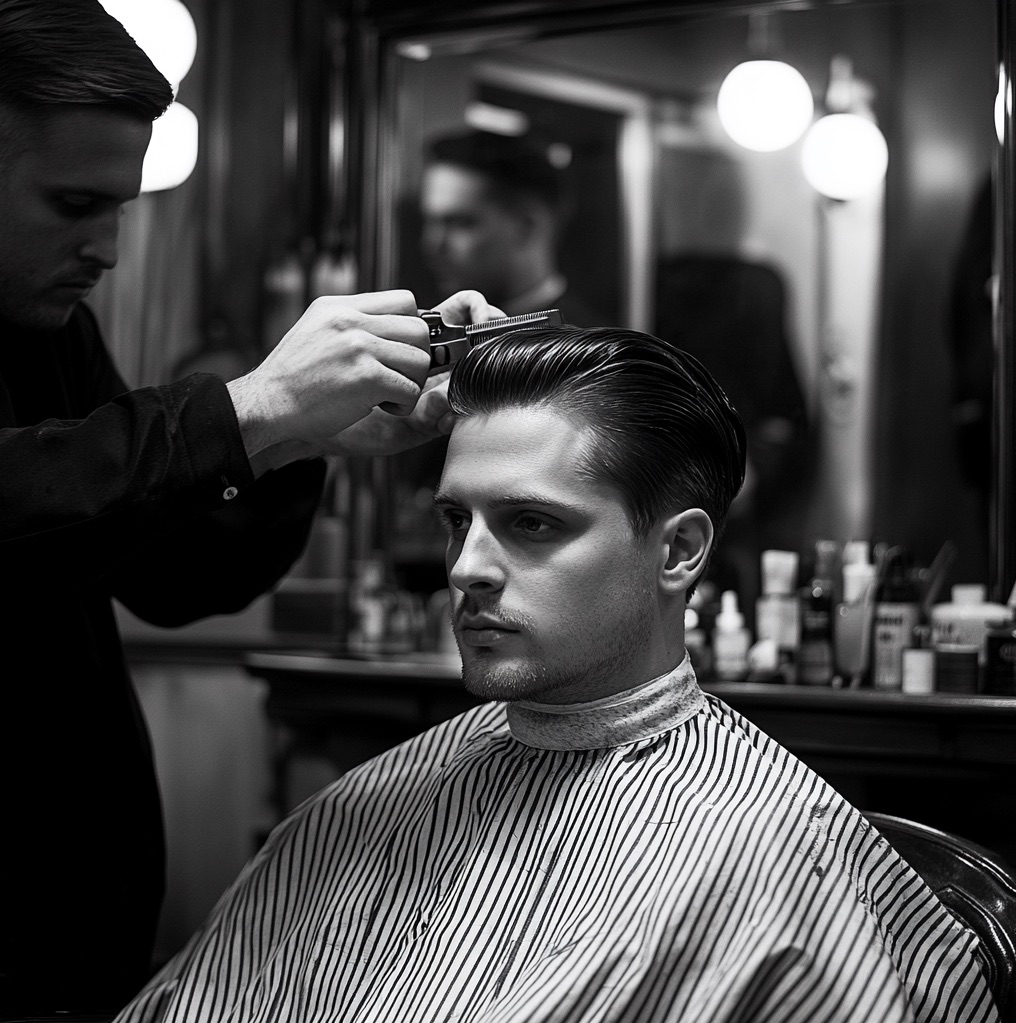
Dobrą fryzurę na włosie prostym wygrywa się przed pierwszym cięciem. Włosy umyj, dokładnie rozczesz i oceń na sucho, zanim zwilżysz, bo to suchy włos pokazuje prawdziwy kierunek wzrostu, gęstość w poszczególnych strefach i miejsca, w których pojawiają się cowlicks (niesforne kosmyki na czubku, koronie i linii czoła).
Zanim sięgniesz po nożyczki, ustal kilka rzeczy:
- Kierunek wzrostu i wiry. Sprawdź koronę i linię czoła. To one decydują, czy grzywka się położy, czy będzie odstawać i gdzie trzeba zostawić więcej długości na docisk.
- Gęstość strefami. Skronie i potylica bywają cieńsze niż góra. Tam, gdzie włos rzadszy, ostrożniej z cieniowaniem i krótkimi nasadkami, żeby nie prześwitywała skóra.
- Kształt twarzy i oczekiwania klienta. Dograj długość boków, wysokość przejścia i charakter góry, zanim zaczniesz, a nie w połowie strzyżenia.
- Stan wilgotności. Strzyżenie głównej formy prowadź na równomiernie wilgotnym włosie. Wysychające pasma kurczą się nierówno i fałszują długość.
You can learn more about preparing for a haircut in our article How to advise clients on choosing a hairstyle: A guide for hairdressers.
Techniques for cutting straight hair
Na włosie prostym liczy się nie tylko to, czym tniesz, ale pod jakim kątem trzymasz pasmo, jak je sekcjonujesz i z jakim napięciem prowadzisz. Poniżej baza technik, od pracy maszynką po cieniowanie nożyczkami.
Maszynka i przejścia (fade, taper)
Boki i potylicę najczęściej buduje się maszynką w technice clipper over comb lub na nasadkach od najkrótszej w dole do najdłuższej w górze. Przy fade pracuj seriami nasadek (np. 0,5 – 1 – 1,5 – 2) i każdą kolejną linię prowadź wyżej, a strefę styku rozcieraj ruchem wyczerpującym (scooping), odchylając grzbiet maszynki od głowy na końcu pociągnięcia. Tak rozbijasz twarde pasy, które na włosie prostym rzucają się w oczy.
- Tnij zawsze pod włos, prowadząc maszynkę wbrew kierunkowi wzrostu, równym, płynnym pociągnięciem.
- Linię przejścia (guard line) ustaw świadomie. Wyżej dla mocniejszego kontrastu, niżej dla łagodnego tapera. Na cieńszych skroniach trzymaj ją niżej, żeby nie odsłonić skóry.
- Strefę zlania boku z górą domknij grzebieniem i nożyczkami (scissor over comb), żeby nie został widoczny uskok między pracą maszynki a nożyczek.
Strzyżenie na mokro kontra na sucho
Strzyżenie na mokro daje czyste, równe linie i powtarzalność, więc na mokro ustalasz formę i długości prowadzące. Pamiętaj o naddatku: prosty włos po wyschnięciu skraca się, więc planuj nieco dłużej, niż ma być finalnie. Na sucho wracasz do gotowej już sylwetki, by ocenić realną długość i objętość, dorównać kontur i położyć teksturę dokładnie tam, gdzie włos faktycznie opada.
Sekcjonowanie i warstwowanie
Pracuj czystymi sekcjami i jasno wyznaczonymi pasmami prowadzącymi. Kąt odciągnięcia decyduje o warstwach: pasmo odciągnięte przy głowie (niski kąt elewacji) zostawia więcej ciężaru i długości, odciągnięte wysoko (do 90 stopni i powyżej) buduje warstwy i odciąża górę. Na włosie prostym graduacja jest bezlitośnie widoczna, więc trzymaj stałe napięcie i równe podziały sekcji, inaczej powstaną schodki.
Teksturyzacja i odciążanie
Tu prosty włos zyskuje ruch i pozorną objętość. Najważniejsze techniki:
- Point cutting – cięcie końcówek pionowo, ząbkami w głąb pasma. Rozbija twardą, prostą linię, dodaje tekstury i ruchu na czubkach. Im głębiej wchodzisz, tym mocniejszy efekt rozrzedzenia końca.
- Slicing (slide cutting) – ślizgowe prowadzenie półotwartych nożyczek wzdłuż pasma. Usuwa wagę i tworzy miękkie, niemal niewidoczne warstwy, które na włosie prostym dają ruch bez widocznych schodków.
- Razor cutting – brzytwa daje najbardziej miękkie, stopniowane wykończenie końcówek. Tnij wyłącznie na mokro i ostrym ostrzem, prowadząc płasko. Ostrożnie na cienkich włosach, bo brzytwa potrafi nadmiernie rozrzedzić końce i odsłonić skórę.
- Nożyczki degażówki – punktowe odciążenie w środku długości, nigdy tuż przy końcu ani przy skórze głowy, żeby nie powstały odstające meszki i puchnące pasma.
You can learn more about advanced haircutting techniques in our course on modeling volume and shape in men's haircuts.
The most popular hairstyles for straight hair
Włos prosty dobrze znosi formy oparte na czystej linii i kontraście boków z górą. Każda z poniższych fryzur wymaga jednak innego podejścia technicznego:
- Undercut – mocny kontrast: krótkie, jednolite boki na maszynce (lub ostre disconnected) i dłuższa góra strzyżona nożyczkami. Górę warto wykończyć point cuttingiem, żeby nie wyglądała jak płaska nakładka.
- Pompadour – wymaga objętości u nasady i miękkiej, teksturowanej góry. Buduj długość prowadzącą do przodu i na górze, odciąż końce point cuttingiem, a u nasady postaw na produkt i suszenie z podniesieniem.
- Buzz cut – jednolita, krótka długość na maszynce. Tu prosty włos jest atutem, bo kładzie się równo. Pilnuj symetrii konturu i czystej linii czoła.
- Quiff – krótsze boki, dłuższa, podniesiona przednia partia. Teksturyzacja góry jest kluczowa, żeby quiff trzymał objętość, a nie opadał na czoło.
- Side part – klasyczny przedziałek. Czysta linia przedziału świetnie wygląda na włosie prostym, ale wymaga precyzyjnego, równego cięcia, bo każda nierówność jest widoczna.
For more inspiration, check out our article on the most popular celebrity-inspired men's hairstyles.
Narzędzia i pielęgnacja stanowiska
Na włosie prostym jakość narzędzia widać od razu. Tępe ostrze nie tnie, lecz miażdży końcówkę, a na prostym paśmie taki postrzępiony koniec rzuca się w oczy. Zestaw bazowy:
- Ostre nożyczki fryzjerskie do głównej formy plus degażówki do punktowego odciążania.
- Maszynka z kompletem nasadek do budowania długości boków i przejść.
- Trymer (liniówka) do czystego konturu, linii czoła, skroni i karku.
- Grzebienie o różnej gęstości zębów: gęsty do precyzji i pracy over comb, rzadszy do rozczesywania i kontroli długości.
- Suszarka do oceny realnego opadu włosa i nadania kierunku, opcjonalnie brzytwa do miękkich wykończeń.
Regularnie czyść, oliw i ostrz ostrza. Maszynka z zabrudzonym, suchym ostrzem ciągnie włos i robi nierówne linie, a to przy prostym włosie wybacza się najmniej.
For more care tips, see our complete care guide.
Advice for professionals
Kilka zasad, które przy włosie prostym robią różnicę między poprawnym a czystym strzyżeniem:
- Sprawdzaj balans na sucho, patrząc na głowę z przodu i z tyłu, oraz kontrolując długości palcami przeciwnymi sekcjami. Lustro plus drugie lustro na kark to standard, nie luksus.
- Trzymaj stałe napięcie pasma. Wahania w naciągu na prostym włosie od razu robią nierówną linię.
- Strefy z wirami i cowlicks zostaw odrobinę dłuższe lub mocniej steksturuj, zamiast walczyć z nimi krótkim cięciem na siłę.
- Dograj fryzurę do tego, jak klient ją nosi na co dzień i ile czasu poświęca rano. Najlepsza forma to ta, którą klient odtworzy sam.
Trendy w strzyżeniu prostych włosów męskich
Wśród form, które dobrze działają na włosie prostym, mocno trzyma się textured crop: krótka fryzura z gęsto steksturowaną górą i często z grzywką, gdzie cała robota tkwi w point cuttingu i odciążeniu góry, żeby płaski włos zyskał ruch i charakter. Wraca też modern mullet, czyli nowoczesna wersja czeskiego piłkarza z krótszą górą i dłuższym tyłem, która na prostym włosie wygląda czysto, bo długości układają się równo.
Coraz częściej łączy się też metody w jednym strzyżeniu: czysta forma na nożyczkach plus miękkie wykończenie końców brzytwą daje teksturę trudną do uzyskania jedną techniką. Niezmiennie liczy się personalizacja: dobranie długości, wysokości przejścia i charakteru góry do kształtu twarzy, gęstości w strefach i stylu życia konkretnego klienta, a nie kopiowanie szablonu.
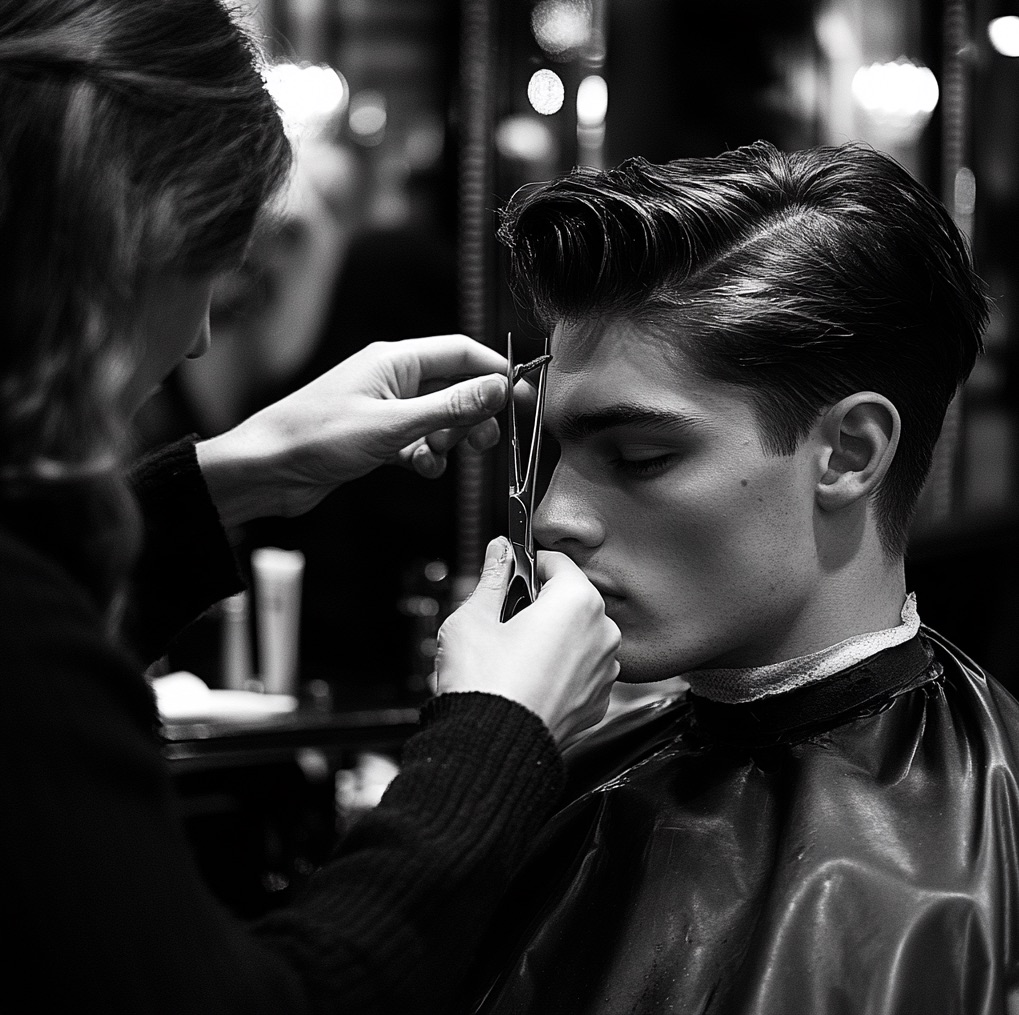
Challenges in cutting straight hair and how to deal with them
Najczęstsze problemy przy włosie prostym i sprawdzone rozwiązania:
- Brak objętości. Płaskie, pozbawione ruchu pasma podniesiesz teksturyzacją góry (point cutting, slicing) i warstwowaniem z wyższym kątem odciągnięcia, a u nasady wesprzesz suszeniem z podnoszeniem i odpowiednim produktem.
- Widoczne niedoskonałości cięcia. Na prostym włosie każda nierówność wychodzi. Pracuj czystymi sekcjami, stałym napięciem i kontroluj efekt zarówno na mokro, jak i na sucho.
- Szybka utrata formy. Dodaj tekstury (np. razor cutting na końcach, point cutting na górze), która sprawia, że włos dłużej trzyma kierunek, i dobierz produkt utrwalający dopasowany do fryzury.
- Trudność z warstwami. Twarde graduacje są na prostym włosie zbyt widoczne. Użyj slicingu, żeby wprowadzić delikatne, niemal niewidoczne warstwy dające ruch bez schodków.
- Cowlicks i uparte kosmyki. Zamiast walczyć z wirem, dostosuj się do niego: zostaw więcej długości na docisk albo steksturuj strefę, żeby zamaskować odstawanie.
Styling products for straight men's hair
Na włosie prostym łatwo przesadzić z produktem i obciążyć fryzurę. Stawiaj na lekkie konsystencje i matowe wykończenia, które budują teksturę bez efektu tłustości:
- Pasty matujące. Budują teksturę i objętość bez połysku. Niewielką ilość rozgrzej w dłoniach i nałóż na lekko wilgotne włosy, pracując od nasady.
- Pudry do włosów. Dają natychmiastową objętość u nasady. Stosuj bardzo oszczędnie, bezpośrednio na skórę głowy, bo nadmiar skleja włos.
- Lekkie pomady. Do klasycznych, zaczesanych form (side part, pompadour). Nakładaj na suche włosy, zaczynając od małej ilości, żeby nie obciążyć fryzury.
- Spraye teksturyzujące. Pomagają utrzymać objętość i ruch przez dzień. Spryskaj włosy z około 20 cm, skupiając się na korzeniach.
- Suche szampony. Odświeżają i dodają objętości między myciem. Nałóż na suche włosy przy korzeniach, odczekaj chwilę i rozczesz.
Zasada jest jedna: mniej znaczy więcej. Nadmiar produktu obciąża prosty włos, spłaszcza fryzurę i sprawia, że wygląda na tłustą.
Customer education on straight hair care
Fryzura kończy się dopiero w domu klienta. Poświęć chwilę, żeby pokazać mu, jak ją odtworzyć i utrzymać:
- Mycie. Zbyt częste mycie nakręca koło przesuszenia i przetłuszczania. Zalecaj mycie 2-3 razy w tygodniu szamponem odpowiednim dla włosów prostych.
- Suszenie i stylizacja. Pokaż, jak suszyć z podnoszeniem od nasady dla objętości i jak dawkować polecony produkt. To często różnica między fryzurą z salonu a płaskim włosem nazajutrz.
- Regularne podcinanie. Podkreśl, że forma na prostym włosie szybciej się rozjeżdża, więc warto wracać co 4-6 tygodni, by utrzymać linię.
- Ochrona przed ciepłem. Jeśli klient używa suszarki lub prostownicy, zaleć produkt termoochronny.
- Nocna pielęgnacja. Jedwabna lub satynowa poszewka ogranicza tarcie i splątania, co przy dłuższych formach pomaga utrzymać kierunek.
Inspiration from celebrities with straight hair
Kilka rozpoznawalnych przykładów stylizacji prostego włosa, które dobrze pokazują kierunki klientom:
- Zac Efron – teksturowany quiff, który nadaje objętości prostym włosom.
- Ryan Gosling – klasyczne zaczesanie na bok, które na prostym włosie układa się czysto.
- Tom Hiddleston – dłuższe, zaczesane do tyłu formy, przykład eleganckiej stylizacji włosa prostego.
- Chris Hemsworth – krótkie cięcia z teksturowaną górą, dobra inspiracja dla prostych włosów.
- David Beckham – od krótkich cropów po dłuższe zaczesania, pokazuje wszechstronność prostego włosa.
Inspirację zawsze przekładaj na konkretnego klienta: kształt twarzy, gęstość w strefach i to, ile czasu realnie poświęci na stylizację.
Zobacz to w praktyce: w kursie kurs strzyżenia w linii z Kamilem Cesarskim prześledzisz cały proces krok po kroku na modelu, z komentarzem prowadzącego.
Summary
Strzyżenie prostego włosa to gra o precyzję: czyste sekcje, stałe napięcie, świadomy kąt odciągnięcia i teksturyzacja, która buduje objętość, której włos sam z siebie nie ma. Dołóż do tego przemyślane wykończenie, dobór lekkiego produktu i krótką instrukcję dla klienta, a forma utrzyma się dłużej niż do pierwszego mycia.
Jeśli chcesz dopracować pracę maszynką, przejścia i modelowanie objętości na włosie męskim, zajrzyj do szkoleń fryzjerskich Connected Hair.
Chcesz pewniej ciąć męskie fryzury? Zobacz kursy strzyżenia męskiego online w Akademii Connected Hair.