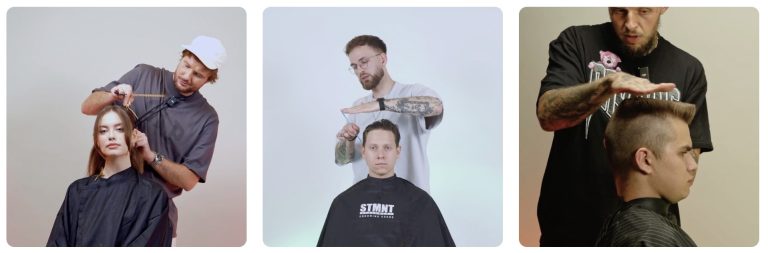
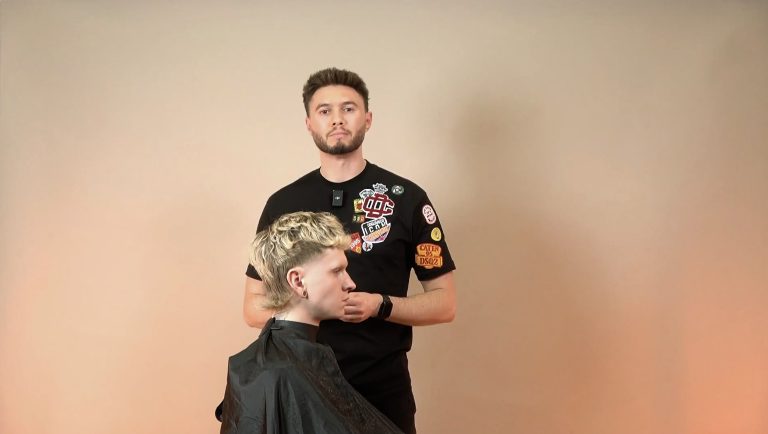
In the dynamic world of men's hairdressing, the ability to combine classic techniques with modern trends is the key to success. Whether you are an experienced hairdresser or just starting your adventure in the industry, learning a variety of men's haircutting techniques will allow you to meet the expectations of even the most demanding customers. The Connected Hair Hairdressing Academy offers comprehensive training courses that will help you master both classic and modern men's haircutting techniques.
Classic men's haircutting techniques
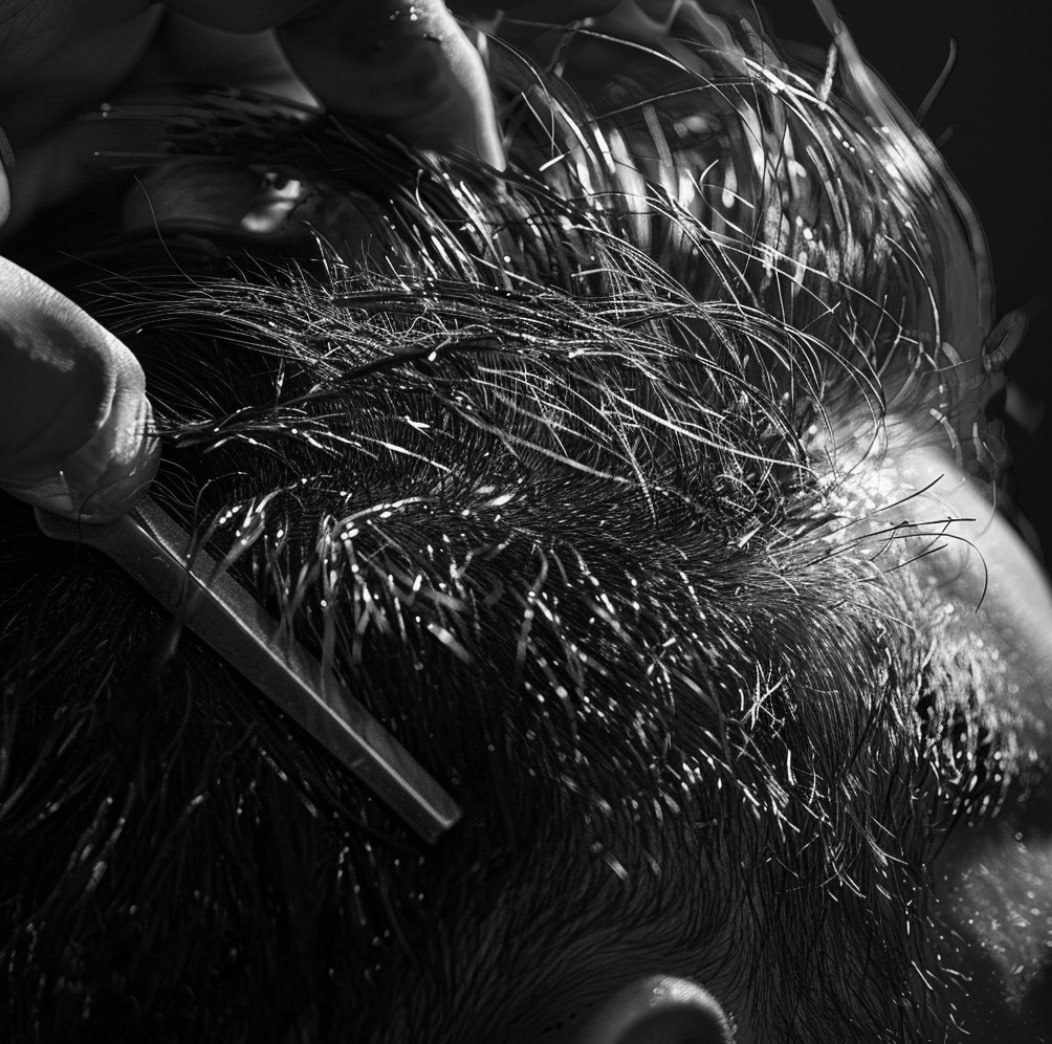
1. Scissor Over Comb
This fundamental technique allows the hairdresser to precisely control the length of the hair. As one expert notes: "It allows the stylist to get as close to or as far away from the head as possible without getting in the way with their fingers." Scissortec – techniques for cutting men's hair
Step by step:
- Choose the right comb—usually a wide-toothed comb for thicker hair and a narrow-toothed comb for thinner hair.
- Lift your hair with a comb at a right angle to your head.
- Trim any protruding hair with scissors, moving along the comb.
- Repeat the process, moving systematically across the entire head.
2. Blunt Cutting
"They are typically used to create a hairstyle that is the same length all around the head, with a straight, blunt line." Men's haircutting techniques This technique is ideal for creating clean, geometric shapes and works well on straight hair.
3. Clipper cutting
"Cutting hair with clippers helps you get through large amounts of hair quickly and evenly, ensuring that no hair is left behind." Men's haircutting techniques This is the basic technique for creating short men's hairstyles and fades.
Modern techniques and trends
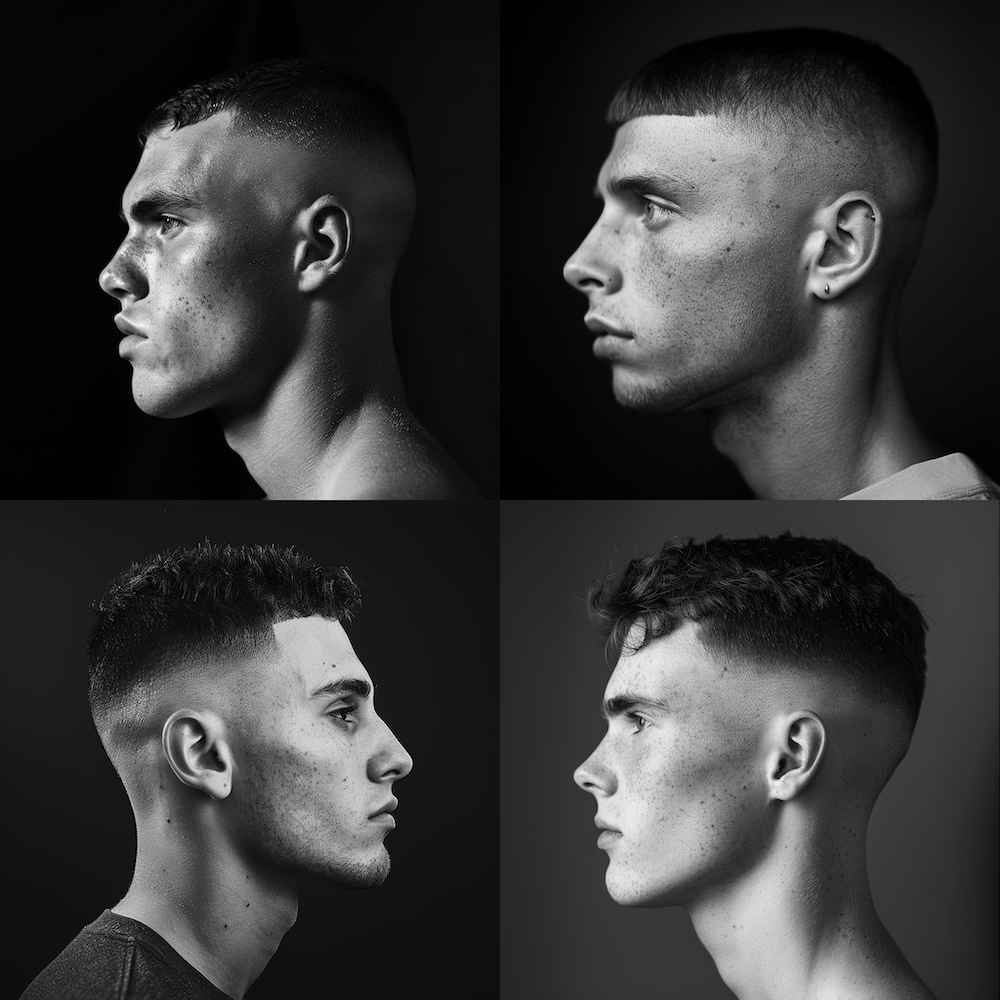
1. Skin Fade
The traditional skin fade barber cut is one of the most popular and stylish haircuts for men today. This hairstyle looks like wearing a crown on your head, as the length of the hair gradually increases from short hair at the nape of the neck to long hair in the middle of the head. Best Types of Haircuts for Men for All Face Shapes
At Connected Hair, we offer a Side Part Skin Fade course that will help you master this popular technique.
2. Buzz Cut
The traditional barber buzz cut is one of the best hairstyles for men, especially those looking for a stylish look. This haircut involves shaving the hair on the sides, back, and top of the head almost completely to a uniform length. The best types of haircuts for men
3. Texturizing
Texturizing is the key to creating modern, dynamic men's hairstyles. This technique allows you to add volume and movement to the hairstyle, which is especially important for thinner hair.
At Connected Hair, we offer a Hair Gradation and Texturizing Techniques course that will help you master these advanced techniques.
4. Thinning
Shading is a technique that allows you to reduce hair volume without changing its overall length. It is indispensable when working with thick, unruly hair.
Advanced cutting techniques
1. Shear-Over-Comb
Using a fine-toothed comb, comb your hair upward where the clipper cut meets the scissor cut. Use scissors to trim the hair sticking out of the comb, blending or shading the sharp line that separates the clipper cut from the scissor cut—this is a technique called shear-over-comb." Hairstylist-Approved Guide to Cutting Men's Hair
2. Point Cutting
Point cutting is a technique in which the tips of the scissors are used to create a soft, natural texture. It is particularly effective when working with thicker hair or when you want to create a more relaxed, unruly look.
3. Slicing
Slicing is a technique in which scissors are moved along a strand of hair, allowing for gentle thinning and adding movement to the hairstyle.
Of course, I will elaborate on these techniques for each of the hairstyles mentioned:
Popular men's hairstyles and techniques for creating them
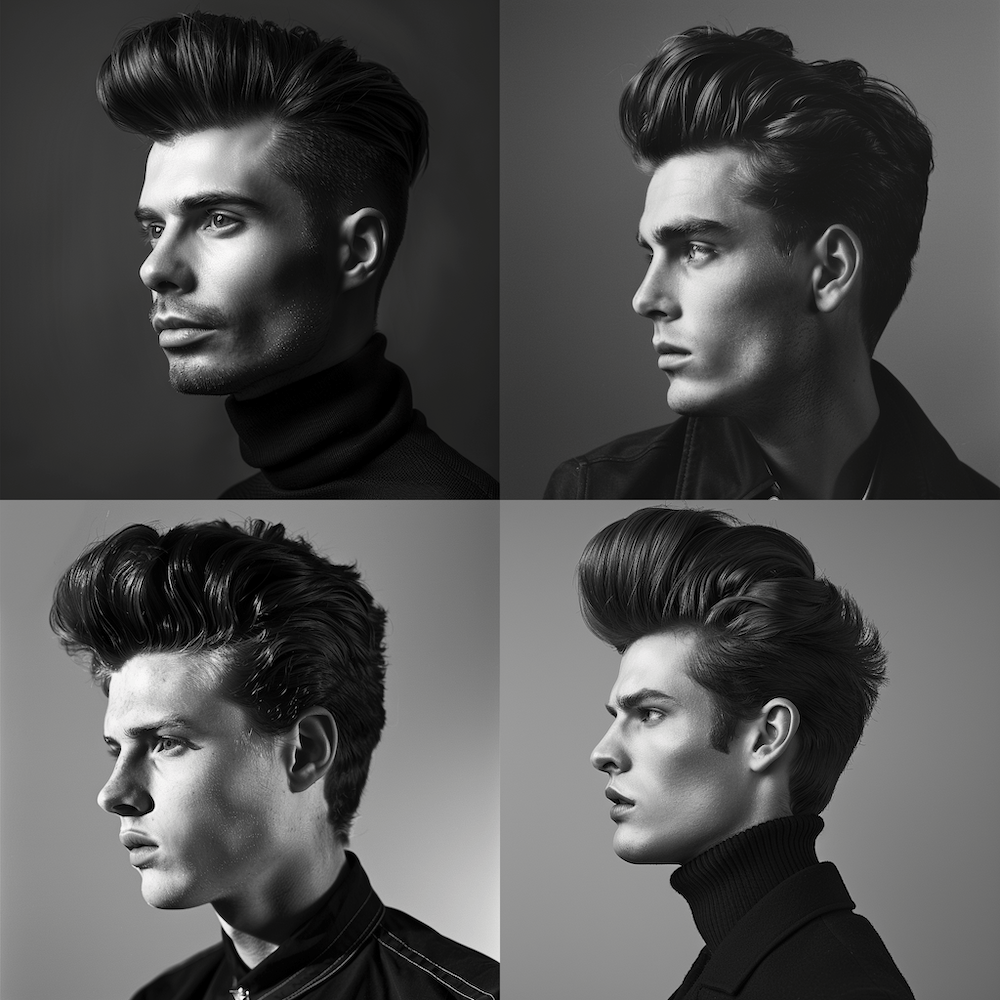
1. Pompadour
The Pompadour is a classic hairstyle characterized by high volume on top and hair combed back. At Connected Hair, we offer a Pompadour course that discusses in detail the techniques for creating this elegant hairstyle.
Techniques used in creating Pompadour:
a) Length gradation:
- Use the scissors-over-comb technique to create a smooth transition from shorter sides to longer top.
- Gradually increase the length of the hair from the temples towards the top of the head.
b) Texturization:
- Use the point cutting technique on the top of the head to add texture and make styling easier.
- Use serrated scissors to gently thin out thicker sections of hair.
c) Blending:
- Use the shear-over-comb technique to smoothly blend the sides into the top.
- Work on creating a smooth transition between different hair lengths.
d) Contouring:
- Precisely mark the lines around the ears and on the neck using a trimmer or razor.
2. Crop
The crop is a popular men's hairstyle that requires precise cutting and texturizing. In our Dynamic Crop Mullet Hybrid course, we show you how to combine different styles to achieve a unique effect.
Techniques used in creating Cropa:
a) Precise cutting of the upper part:
- Use the slice cutting technique to create the basic length at the top.
- Use point cutting to add texture and movement.
b) Fade on the sides:
- Start with the shortest length against the skin, gradually increasing the length.
- Use the blending technique for a smooth transition between lengths.
c) Texturization:
- Use the chipping technique to create an irregular, "raw" texture.
- Use serrated scissors for gentle thinning and adding movement.
d) Fringe:
- Trim your bangs using the point cutting technique for a soft, natural look.
- Adjust the length and texture of the fringe to suit the shape of the customer's face.
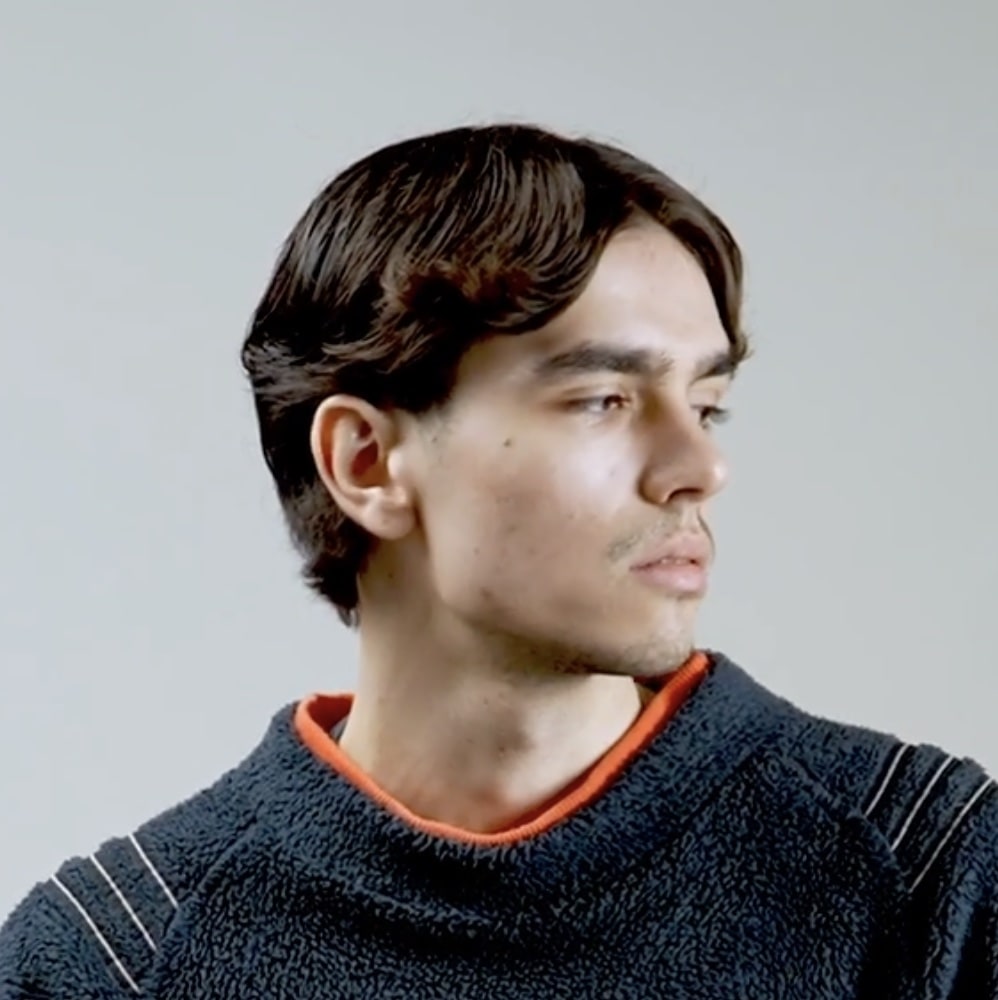
3. Middle Part
The middle part is a classic hairstyle that is making a comeback. At Connected Hair, we offer a dedicated Middle Part course that discusses the techniques for creating this hairstyle in detail.
Techniques used in creating the Middle Part:
a) Precise hair parting:
- Use a comb with a thin handle to create a perfectly straight parting in the middle of your head.
b) Length gradation:
- Use the wet cutting technique to achieve a precise length.
- Use the slide cutting technique to create a soft, natural finish.
c) Texturization of the ends:
- Use point cutting on the ends to add lightness and movement.
- Use the slicing technique to gently thin out thicker sections of hair.
d) Contour shaping:
- Trim the hair around the ears and at the back of the neck precisely using scissors or a trimmer.
This could be, for example:
4. Burst Fade
Burst Fade is a modern and dynamic men's hairstyle that is gaining popularity. At Connected Hair, we offer a course by Kamil Cesarski – Burst Fade, which discusses in detail the techniques for creating this impressive hairstyle.
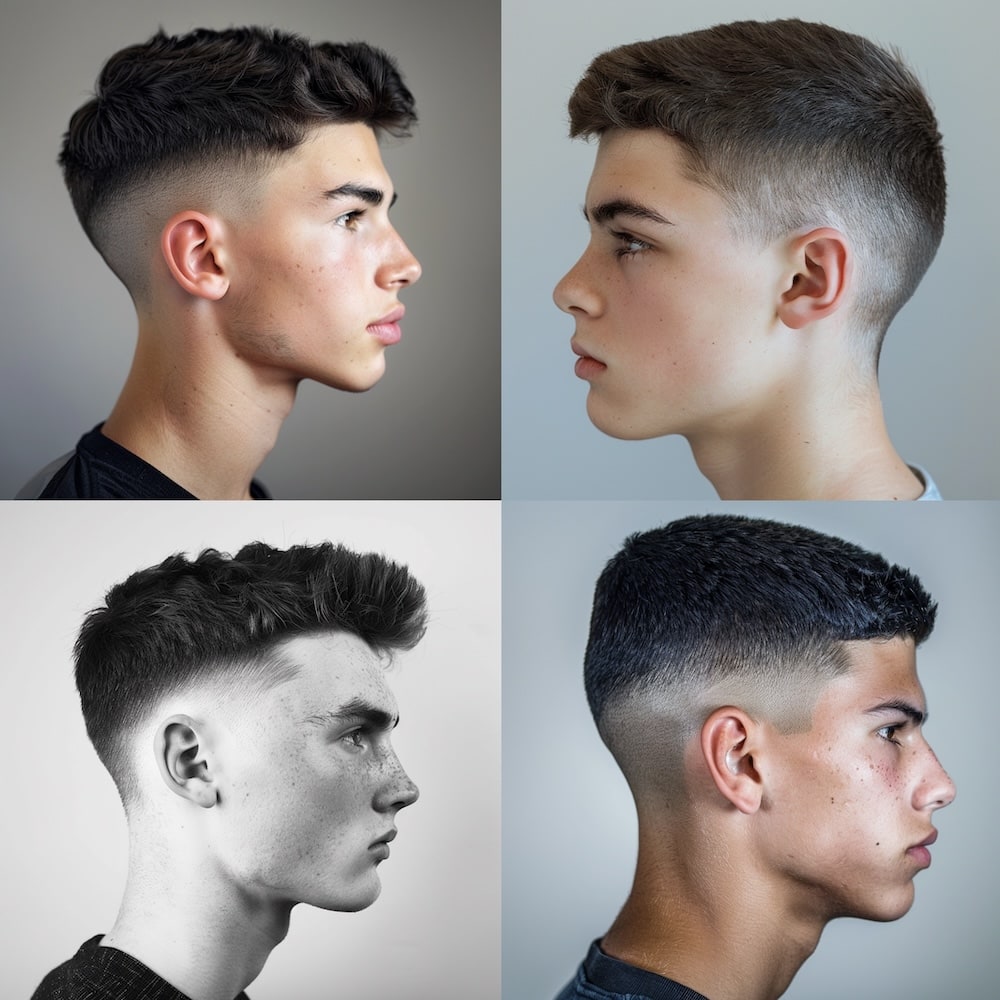
Techniques used in creating Burst Fade:
a) Precise fading:
- Start with the shortest length close to the skin, gradually increasing the length in a "burst" shape around the ear.
- Use the blending technique for a smooth transition between lengths.
b) Shaping the "explosion":
- Use a combination of clippers and scissors to create a distinctive fade shape around the ear.
- Use the point cutting technique to soften the transition lines.
c) Texturing of the upper part:
- Use the slice cutting technique to create texture on longer hair at the top.
- Use point cutting to add volume and make styling easier.
d) Contouring:
- Precisely trim the lines around the ears and on the neck using a trimmer.
- Create a clean, sharp outline to emphasize the fade effect.
Each of these hairstyles requires a specific approach and a combination of different cutting techniques. Mastering these techniques allows hairdressers to create personalized versions of these popular hairstyles, tailored to the individual characteristics and preferences of each client.
Haircutting techniques for different hair types
1. Straight haircut
Straight hair often requires precise cuts and careful blending. Techniques such as blunt cutting and point cutting are particularly effective.
2. Cutting curly hair
Working with curly hair requires a special approach. At Connected Hair, we offer a course on bringing out curls using circular cutting, which explores techniques for working with curly hair.
3. Cutting thin hair
With thin hair, it is crucial to create the illusion of volume. Techniques such as texturizing and point cutting are indispensable.
4. Cutting thick hair
Thick hair often requires thinning and volume reduction. Techniques such as slicing and thinning are very useful here.
Hairdressing tools and their use
1. Hairdressing scissors
Choosing the right scissors is crucial for a precise cut. It is worth investing in high-quality scissors that fit comfortably in your hand and stay sharp for a long time.
2. Hair clippers
Clippers are essential for creating fades and short hairstyles. It is worth having both corded and cordless clippers in your arsenal.
3. Trimmers
Trimmers are indispensable for finishing hairstyles and precisely shaping hair lines.
4. Combs
Different types of combs serve different purposes – from detangling hair to precision cutting using the scissor over comb technique.
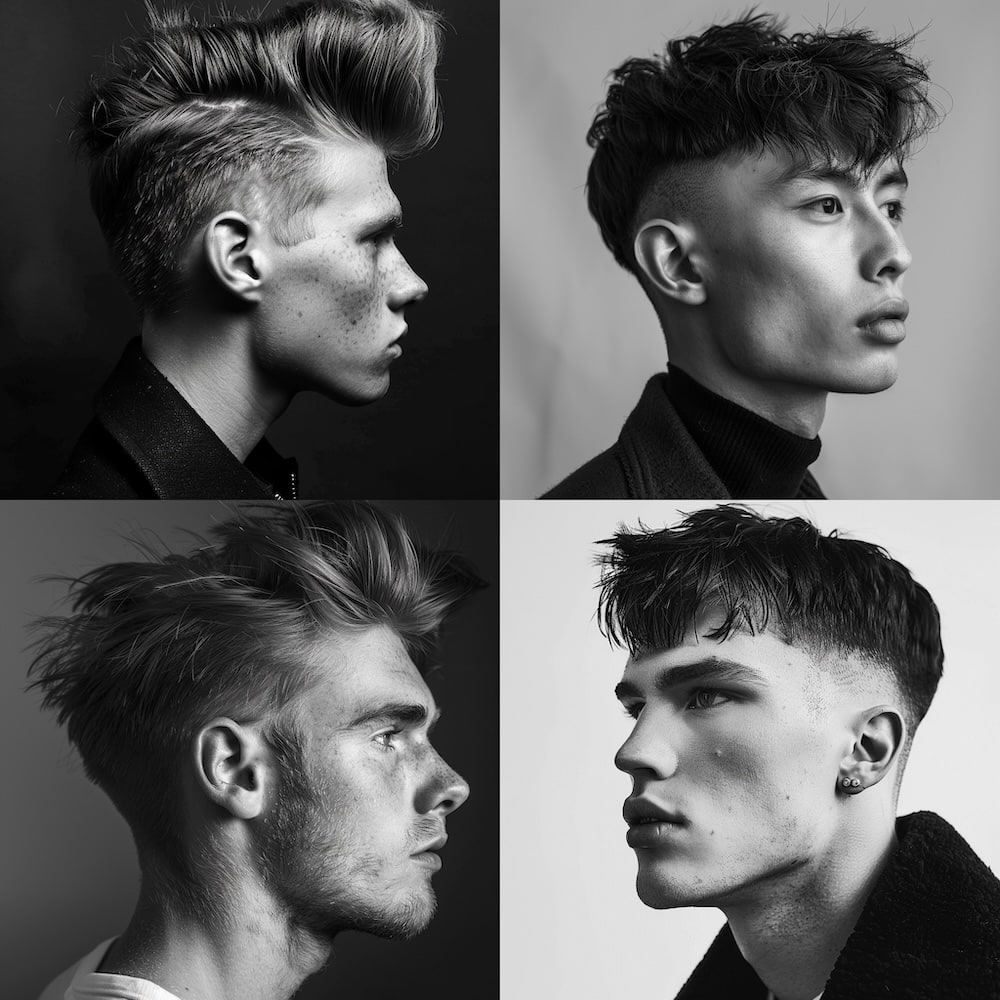
Men's haircut trends for 2024
- Textured medium-length hairstyles
- Modern interpretations of classic hairstyles (e.g., textured crop)
- Experimenting with color in men's hairstyles
- Vintage-inspired hairstyles
- Natural, unstyled looks
You can learn more about current trends in our article 5 hottest hairstyling trends of 2024.
Advanced techniques
1. Triangular shading
This advanced technique allows you to create unique, geometric hairstyles. At Connected Hair, we offer a course on triangular layering with a square back, which discusses this technique in detail.
2. Disconnection techniques
Disconnection is a technique that allows you to create contrasts in a hairstyle. Our course Marek Krzyminski – Disconnection and Gradation Techniques explores this topic.
Personalization of men's hairstyles
The key to customer satisfaction is the ability to personalize hairstyles. Here are a few aspects to consider:
- The shape of the customer's face
- Hair texture and density
- The client's lifestyle and profession
- Styling preferences
Combining techniques to achieve unique effects
The true art of hairdressing lies in the skillful combination of different techniques. Here are a few examples:
- A combination of fade and texturizing techniques to create a modern Pompadour.
- Using shading and disconnect techniques to create a dynamic look.
- Combining classic scissor cutting with clipper techniques to create an elegant side part.
Improving skills
Remember that in the world of men's hairdressing, the key to success is constantly improving your skills. Here are a few ways to develop:
- Regular training: Check out our range of online hairdressing courses, which will allow you to learn new techniques at a time that suits you.
- Practice: Practice new techniques on mannequins or models before applying them to clients.
- Trend tracking: Stay up to date with the latest trends in men's hairstyling.
- Networking: Learn from other professionals in the industry. Consider participating in our classroom training courses, where you will have the opportunity to exchange experiences with other hairdressers.
Summary
Mastering men's haircutting techniques, from classic to modern, is the key to success in the dynamic world of hairdressing. Remember that the best hairdressers are those who are constantly developing and open to new trends, while respecting classic techniques.
Want to join a group of professionals who set trends in men's hairdressing? Join Connected Hair today and start your journey towards mastery in men's haircutting!