Strzyżenie męskie wygląda na prostsze od damskiego, ale to złudzenie. Krótsze włosy nie wybaczają nic: każda nierówna linia, urwane przejście czy krzywy kark widać gołym okiem od razu po zdjęciu peleryny. Poniżej zebrane są najczęstsze błędy, które wracają nawet u doświadczonych fryzjerów i barberów, wraz z konkretnymi sposobami, jak ich nie popełniać przy fotelu.
Not taking into account the shape of the head and face
Na czym polega błąd
Strzyżenie “z głowy”, według jednego wyuczonego schematu, bez czytania budowy czaszki i rysów twarzy klienta. Efekt: ta sama fryzura podkreśla płaski tył głowy, odstające uszy albo wydłuża i tak pociągłą twarz.
Jak go unikać
- Przed pierwszym cięciem obejrzyj głowę z czterech stron i z góry. Sprawdź, gdzie czaszka jest płaska (najczęściej tył), a gdzie się uwypukla.
- Płaski tył głowy buduj objętością: zostaw na nim więcej długości i pracuj okrągłą sylwetką, zamiast ścinać go w pionie do skóry.
- Twarz okrągłą wydłużaj objętością na górze i krótszymi, ciaśniejszymi bokami. Twarz pociągłą równoważ niższą górą i miększym, pełniejszym bokiem.
- Przy odstających uszach nie ścinaj boków zbyt krótko, bo skóra je dodatkowo eksponuje. Trochę więcej włosa nad uchem optycznie je dociska.
- Pilnuj proporcji góra-bok-tył jako całości. Zanim zaczniesz, ustal w głowie docelową sylwetkę, a nie tylko długość każdej strefy z osobna.
- Rozmawiaj o stylu życia: ile czasu klient realnie poświęca na stylizację rano. Fryzura wymagająca suszarki i pasty nie sprawdzi się u kogoś, kto wstaje i wychodzi.
Aby lepiej dobierać fryzury do kształtu twarzy, sprawdź artykuł “Jak doradzać klientom w wyborze fryzury: Poradnik dla fryzjerów“.
Incorrect shading
Na czym polega błąd
Zamiast płynnego przejścia powstają widoczne pasy, czyli wyraźne granice między długościami. Najczęstsza przyczyna to przeskakiwanie nasadek o dwa numery naraz i brak strefy zachodzenia między nimi.
Jak go unikać
- Buduj fade po kolei sąsiednimi długościami. Każda wyższa partia powinna zachodzić na poprzednią, a nie startować od ostrej linii.
- Najważniejsze przejścia wyciągaj techniką “clipper over comb” albo nożyczkami na grzebieniu. Maszynka z dźwignią pomiędzy pozycjami daje pośrednie długości, których nie ma w samych nasadkach.
- Pracuj ruchem wachlarzowym od dołu ku górze, lekko odchylając maszynkę od skóry w miejscu, gdzie ma zaczynać się rozjaśnienie. Im wyżej, tym płycej zagłębiasz nasadkę.
- Strefę spotkania długości domykaj techniką “point cutting”, czyli wcinaniem czubkami nożyczek pionowo w linię, żeby ją rozbić i zmiękczyć.
- Czesz i sprawdzaj efekt co kilka pociągnięć, najlepiej przy bocznym świetle. Pasy najlepiej widać, gdy włos pada pod kątem do źródła światła.
- Grubsze cieniowanie wstępnie ustaw na mokro, a domknij i wytop na sucho. Mokry włos jest dłuższy i ściemnia obraz przejścia.
Dla doskonalenia technik cieniowania rozważ udział w kursie “Gradacja i teksturowanie włosów“, a po precyzyjne, czyste przejścia sięgnij do kursu “Cieniowanie w literę C“.
The sides are cut too short.
Na czym polega błąd
Boki ścięte agresywniej, niż wymaga fryzura. Po krótkim boku nie ma już odwrotu w tej wizycie, a cała sylwetka robi się nieproporcjonalna, zwłaszcza gdy góra nie była przewidziana do mocnego kontrastu.
Jak go unikać
- Zaczynaj od dłuższej nasadki, niż wydaje ci się potrzebna, i schodź niżej dopiero po ocenie. Skrócić zawsze zdążysz, dołożyć już nie.
- Ustal linię przewodnią całości, zanim ruszysz boki. Długość boku ma wynikać z długości góry i pożądanego kontrastu, a nie odwrotnie.
- Z klientem dogadaj nie tylko numer, ale i odczucie: “skóra” czy “trochę włosa”. To dwie różne fryzury.
- Strefę nad uchem traktuj z wyczuciem, zwłaszcza przy odstających uszach. Trochę dłuższy włos w tym miejscu daje miększy, mniej “wojskowy” efekt.
- Jeśli klient nie chce ostrego kontrastu, pracuj na taperze: bok zostaje dłuższy, a krócej schodzisz tylko przy konturze i kroku.
Jeśli chcesz doskonalić techniki strzyżenia boków, sprawdź kurs “Burst Fade“.
Ignoring the direction of hair growth
Na czym polega błąd
Strzyżenie wbrew naturalnemu układowi włosa, bez czytania wirów i linii wzrostu. Włos później odbija w swoją stronę, fryzura nie chce się układać, a klient wraca z pretensją, że “rozjeżdża się” po kilku dniach.
Jak go unikać
- Zanim zaczniesz, przeczesz suchy włos w kilku kierunkach i zobacz, gdzie sam wraca. To pokazuje naturalny układ lepiej niż mokra głowa.
- Zlokalizuj wir na czubku i ewentualne wiry przy karku. To one decydują, jak poprowadzić długość, żeby włos nie sterczał.
- W okolicy wiru zostawiaj odrobinę więcej długości. Zbyt krótko ścięty wir zawsze będzie odstawał i tworzył “dziurę”.
- Maszynkę prowadź zawsze pod włos, a nie z włosem. Z włosem nie zetniesz równo, bo nasadka ślizga się po układających się pasmach.
- Przy uniesieniu na grzebień sprawdzaj, czy włos wchodzi w narzędzie naturalnie. Jeśli się załamuje, zmień kąt podania, a nie długość.
- Powiedz klientowi o jego wirze i o tym, jak stylizować się “z włosem”. Połowa problemów z układaniem bierze się z czesania pod prąd w domu.
Więcej o pracy z różnymi typami włosów znajdziesz w artykule “Techniki strzyżenia męskiego: od klasyki po nowoczesność“.
Inappropriate use of tools
Na czym polega błąd
Próba wykonania każdego efektu jednym narzędziem albo sięganie po nie z przyzwyczajenia. Tępe ostrze szarpie zamiast ciąć, źle dobrana nasadka rozjeżdża fade, a degażówka użyta w złym miejscu zostawia widoczne dziury.
Jak go unikać
- Dobieraj narzędzie do zadania: maszynka i nasadki do podstawowych długości i bryły, nożyczki proste do linii i pracy na grzebieniu, trymer i maszynka detalująca do konturów i karku.
- Poznaj różnicę między nożyczkami prostymi a degażówkami. Degażówki zdejmują gęstość i robią teksturę, a nie skracają długości, więc nie wycieniaj nimi blisko nasady ani na cienkim włosie.
- Trzymaj ostrza ostre i serwisowane. Nożyczki, które “zostawiają” włos i wymagają drugiego cięcia w tym samym miejscu, kwalifikują się do ostrzenia.
- Sprawdzaj ostrze maszynki i odstęp noża. Źle ustawiony nóż albo zapchane zęby dają nierówne ścięcie i ciągną włos.
- Trzymaj uporządkowany komplet nasadek i znaj długość każdej z nich. Pomyłka o jeden numer na bokach potrafi zepsuć cały fade.
- Dezynfekuj i czyść narzędzia między każdym klientem. To nie tylko higiena, ale i sprawność: resztki włosa i oleju psują pracę ostrza.
Aby dowiedzieć się więcej o prawidłowym użyciu i konserwacji narzędzi, przeczytaj artykuł “Sekrety utrzymania ostrości nożyczek fryzjerskich“.
Neglecting the neckline
Na czym polega błąd
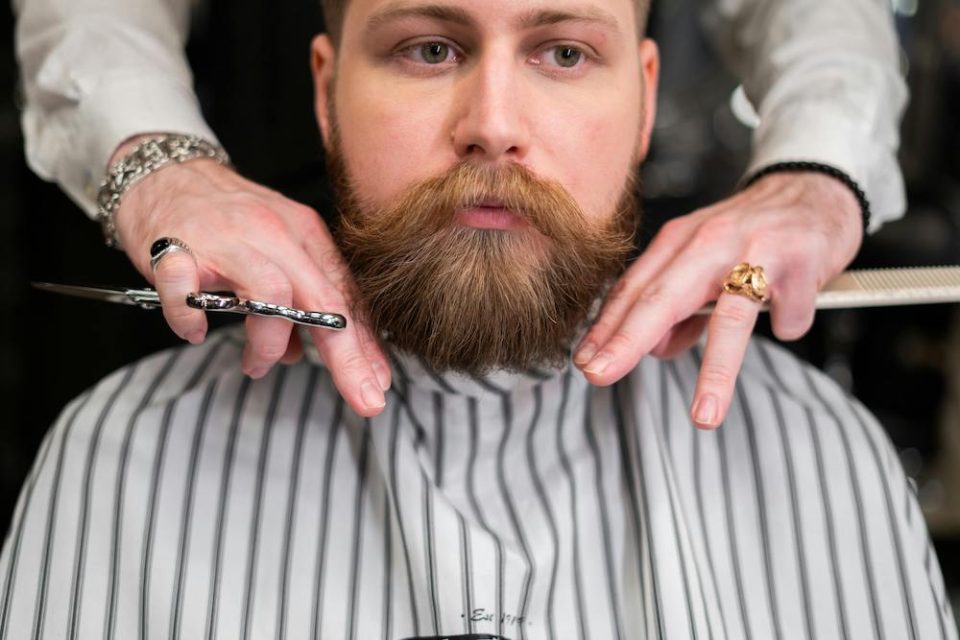
Pośpieszne, niesymetryczne wykończenie karku. Klient nie widzi tej strefy w lustrze przy fotelu, ale widzą ją wszyscy za jego plecami i to pierwsze, co rzuca się w oczy na zdjęciu z tyłu.
Jak go unikać
- Ustaw głowę klienta prosto, bez przechylenia w żadną stronę. Krzywo trzymana głowa to krzywy kark, nawet przy idealnie prowadzonym trymerze.
- Konturuj rogiem ostrza trymera, prowadząc go pewnie i jednym ruchem. Dłubanie i poprawki krok po kroku dają poszarpaną krawędź.
- Wybierz świadomie kształt: prosty (blok), zaokrąglony albo zwężany w naturę. Zaokrąglony jest najwybaczliwszy, a “naturę” wytapiaj, zamiast ciąć ostro.
- Sprawdzaj symetrię lustrem od tyłu i porównuj wysokość obu stron względem uszu. Jedna strona wyżej to najczęstszy błąd przy karku.
- Przy delikatnym, jasnym meszku użyj odrobiny pudru lub talku, żeby zobaczyć realną linię włosa, zanim ją zetniesz.
Aby doskonalić techniki wykańczania fryzur, sprawdź kurs “Crop z taperem“.
Improper haircut of bangs
Na czym polega błąd
Grzywka ścięta za krótko albo nierówno. To strefa, w której każdy milimetr widać natychmiast i której nie da się “zamaskować” w trakcie wizyty.
Jak go unikać
- Długość grzywki ustalaj i domykaj na sucho, w naturalnym opadnięciu. Mokry włos potrafi po wyschnięciu “podskoczyć” o centymetr lub więcej, zwłaszcza falowany.
- Pierwsze cięcie zostaw z zapasem, niżej niż docelowo. Skracaj etapami, kontrolując po każdym przeczesaniu.
- Czytaj teksturę i ewentualny wir na czole. Włos rosnący “do siebie” inaczej opadnie, niż zakłada równo odmierzona linia.
- Krawędź grzywki najczęściej zmiękczaj techniką “point cutting”, a nie tnij na tępo. Tępa prosta linia na grzywce wygląda sztywno i nie wybacza najmniejszej nierówności.
- Jeśli klient chce, żeby grzywka “wpadała” na bok, rozważ lekko asymetryczne, dłuższe poprowadzenie. Łatwiej się układa na co dzień niż idealnie symetryczna prosta.
Więcej inspiracji do kreatywnych fryzur z grzywką znajdziesz w artykule “Wolf Cut – dzika i stylowa fryzura podbijająca świat mody“.
Lack of communication with the customer
Na czym polega błąd
Założenie, że wiesz, czego chce klient, bez upewnienia się przed startem i w trakcie. Te same słowa, “krótko po bokach” czy “tylko podciąć”, znaczą u dwóch osób coś zupełnie innego.
Jak go unikać
- Przeprowadź konkretną konsultację przed cięciem. Ustal długość, kontrast i wykończenie konturu w sposób, który nie zostawia miejsca na domysły.
- Doprecyzuj rozmowę palcami lub na zdjęciu. “O tyle krótsze” pokazane na paśmie znaczy więcej niż dziesięć zdań.
- Mów językiem klienta, nie żargonem. Zamiast “zrobimy ci low taper” pokaż lub opisz, co to oznacza na jego głowie.
- Punkty bez odwrotu uzgadniaj na bieżąco. Przed pójściem krócej na bokach czy przed konturem upewnij się, że to jest to, czego klient oczekuje.
- Lusterkiem pokazuj postęp z różnych stron, a nie dopiero gotowy efekt. Łatwiej skorygować kurs w połowie niż tłumaczyć się na końcu.
O tym, jak efektywnie komunikować się z klientami, dowiesz się więcej z podcastu “Budowanie marki osobistej“.
Ignoring hair texture
Na czym polega błąd
Ta sama technika do prostego, falowanego i kręconego włosa. Tymczasem każda tekstura inaczej się skraca i inaczej zachowuje po wyschnięciu, a to, co działa na proste, na kręconym daje efekt przeciwny.
Jak go unikać
- Kręcony i mocno falowany włos strzyż raczej na sucho, w jego naturalnym skręcie. Na mokro rozciągasz go i tniesz długość, której po wyschnięciu nie będzie.
- Na kręconym oszczędnie używaj degażówek, zwłaszcza blisko nasady. Wycieniony skręt zaczyna się puszyć i odstawać.
- Włos prosty i cienki nie wybacza dziur, więc pracuj pełnymi sekcjami i unikaj nadmiernego cieniowania, które obnaży skórę.
- Zawsze licz się ze “skurczem”: im mocniejszy skręt, tym krócej wygląda włos po wyschnięciu względem tego, co masz w dłoni.
- Dobieraj technikę teksturyzacji do typu włosa: na grubym i gęstym zdejmuj gęstość, na cienkim buduj wrażenie objętości zamiast ją usuwać.
Aby pogłębić swoją wiedzę o pracy z różnymi teksturami włosów, sprawdź kurs “Wydobycie skrętu za pomocą cięcia w kole“.
Złe tempo strzyżenia
Na czym polega błąd
Praca za szybko, kosztem dokładności, albo za wolno, kosztem grafiku i komfortu klienta. Pośpiech daje urwane przejścia i przeoczone strefy, a nadmierna powolność męczy klienta i rozjeżdża rezerwacje.
Jak go unikać
- Pracuj według stałej kolejności stref (np. góra, boki, tył, fade, kontur, kark). Powtarzalny schemat eliminuje przeoczenia i z czasem przyspiesza bez utraty jakości.
- Zwalniaj świadomie tam, gdzie błąd jest nieodwracalny: przejścia, kontur, kark, grzywka. Reszta może iść sprawniej.
- Planuj realny czas na konsultację i stylizację, a nie tylko na samo cięcie. To one decydują o odbiorze całej wizyty.
- Pamiętaj, że niektóre etapy (bryła maszynką na nasadkę) idą szybciej, a inne (precyzyjny fade nożyczkami na grzebieniu) wymagają czasu. Rozłóż go tam, gdzie naprawdę robi różnicę.
O zarządzaniu czasem i organizacji pracy dowiesz się więcej z artykułu “Jak rozpocząć karierę jako barber: Kompletny przewodnik“.
Neglecting customer education
Na czym polega błąd
Klient wychodzi z dobrą fryzurą, ale bez wiedzy, jak ją odtworzyć w domu. Następnego dnia nie potrafi jej ułożyć i obarcza odpowiedzialnością cięcie, a nie własną stylizację.
Jak go unikać
- Na koniec pokaż na żywo, jak ułożyć fryzurę: ile produktu, na suchy czy wilgotny włos, w którą stronę prowadzić.
- Dobierz produkt do efektu i typu włosa. Pasta lub glinka do efektu matowego z trzymaniem, pomada do połysku i przeczesywanego stylu.
- Podaj realną częstotliwość wizyt potrzebną do utrzymania fryzury. Mocny fade rozmywa się szybciej niż dłuższa, klasyczna forma.
- Uprzedź, jak fryzura zachowa się po odrośnięciu i kiedy zacznie tracić kształt. Klient docenia, że wie, czego się spodziewać.
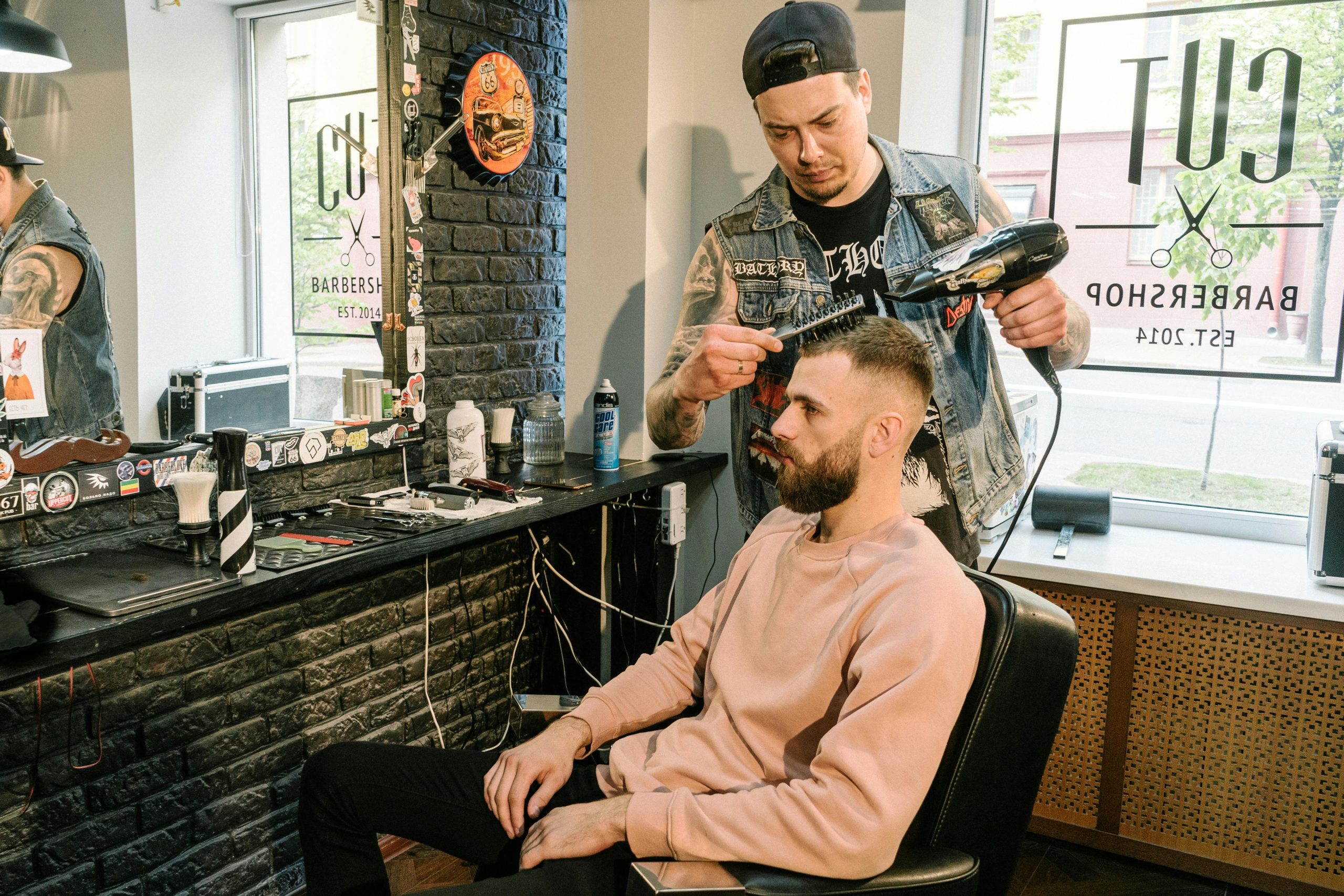
- Krótko pokaż użycie suszarki i szczotki tam, gdzie ma to znaczenie, np. przy pompadourze czy objętości na górze.
Więcej o edukacji klientów w zakresie pielęgnacji znajdziesz w artykule “Jak dbać o brodę: Kompletny przewodnik pielęgnacji“.
Neglecting the final styling
Na czym polega błąd
Skupienie wyłącznie na samym cięciu, z potraktowaniem stylizacji po macoszemu. Klient ocenia fryzurę po tym, jak wygląda po wstaniu z fotela, a nie po tym, jak precyzyjnie była ścięta.
Jak go unikać
- Traktuj stylizację jako pełnoprawny etap usługi, a nie dodatek na końcu. To ona sprzedaje całe cięcie.
- Dobierz produkt i ilość do fryzury i włosa. Za dużo produktu obciąża i sklei, za mało nie utrzyma formy.
- Stylizuj tak, jak klient da radę powtórzyć w domu. Efekt nie do odtworzenia bez twoich rąk to rozczarowanie nazajutrz.
- Pilnuj detali wykończenia: tekstury, objętości i czystego konturu. To one robią różnicę między “ostrzyżony” a “dopracowany”.
Aby doskonalić swoje umiejętności stylizacji, sprawdź kurs “Stylizacja Pompadour“.
Summary
Wspólny mianownik tych błędów jest jeden: brak czytania głowy przed cięciem i pośpiech na etapach, które nie wybaczają. Kształt czaszki, kierunek wzrostu, tekstura i wir są dane z góry, a twoja technika ma się do nich dostosować, a nie odwrotnie. Najwięcej zyskasz, zwalniając tam, gdzie liczy się każdy milimetr: na przejściach, konturze, karku i grzywce.
Trendy warto śledzić, ale klasyczne podstawy strzyżenia są tym, co odróżnia powtarzalnie dobrą robotę od jednorazowego trafienia. Aby być na bieżąco z nowymi technikami, zajrzyj do artykułu “5 najgorętszych trendów fryzjerskich i jak je opanować dzięki szkoleniom online“.
Pamiętaj też o stronie biznesowej: zadowolony klient to nie tylko dobre cięcie, ale całe doświadczenie wizyty, komfort, obsługa i przewidywalny efekt. Więcej o prowadzeniu biznesu fryzjerskiego znajdziesz w podcaście “Biznes barberingu“.
Każdy z tych błędów da się wyeliminować praktyką i świadomą kontrolą efektu na bieżąco. Aby rozwijać konkretne techniki, zapoznaj się z pełną ofertą kursów i zaglądaj na blog po kolejne porady ze świata fryzjerstwa i barberingu.
Chcesz rozwijać się przy fotelu i poza nim? Zobacz kursy dla fryzjerów online w Akademii Connected Hair.